The archive
Every entry in the encyclopedia
Filter by kind or by how the Church has received it. Search a place, a saint, a Host, a century.
Kind
How received
196 signs
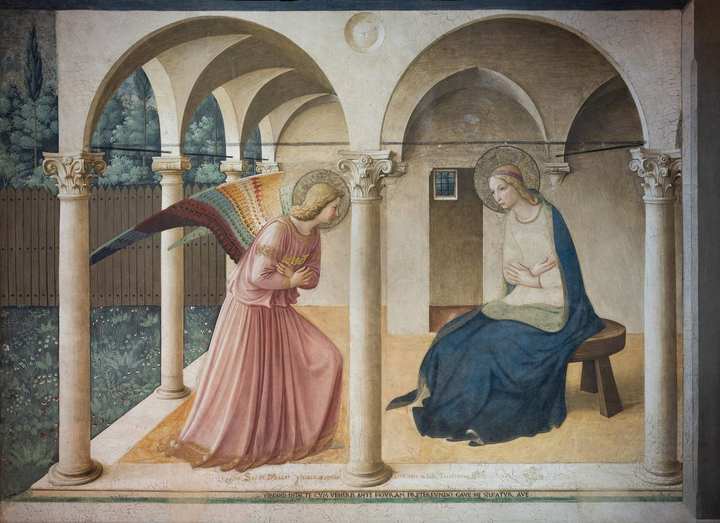
The Incarnation
Nazareth & Bethlehemc. 1 BC – AD 1
The central Catholic claim: the eternal Son of God took a human nature in the womb of Mary. Every later miracle is a footnote to this one.
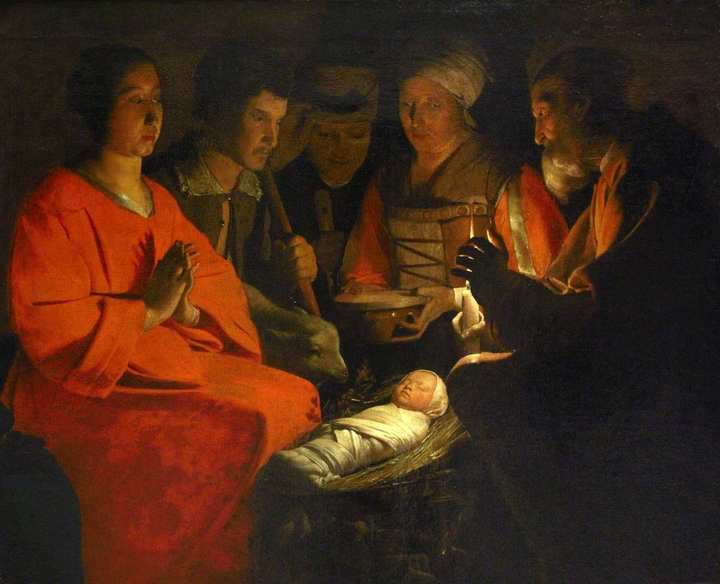
The Virgin Birth
Nazarethc. 1 BC
Jesus is conceived in Mary without a human father. The Church holds this as history, not as a metaphor for a spiritually impressive child.
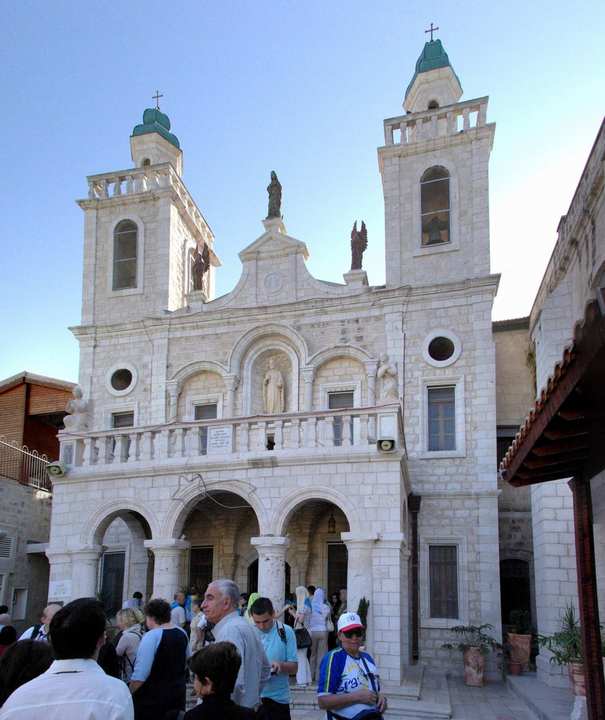
Water into Wine
Cana of Galileec. AD 30
Jesus’ first public sign in John’s Gospel: at a village wedding, at Mary’s request, water becomes wine — good wine, and a great deal of it.
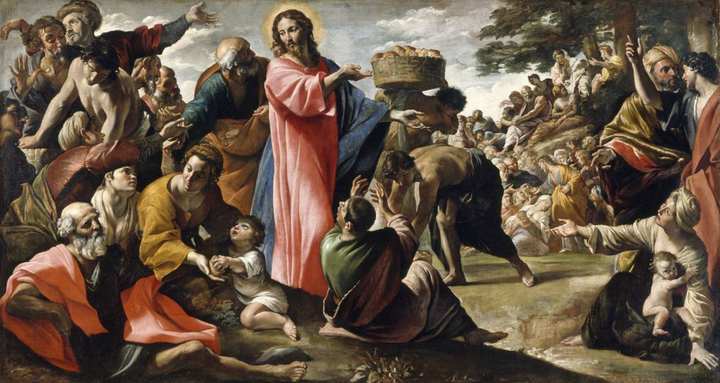
The Feeding of the Five Thousand
Near the Sea of Galileec. AD 31
With five barley loaves and two fish, Jesus feeds a crowd of thousands. It is the only wonder told in all four Gospels — and John uses it to teach the Eucharist.
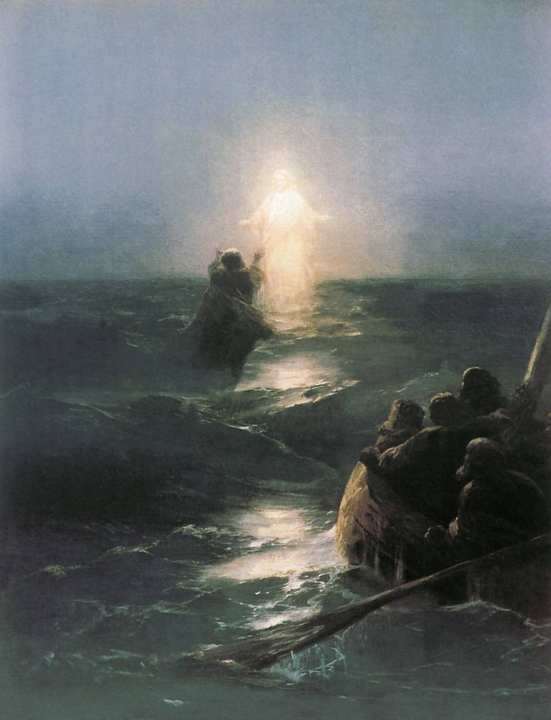
Walking on the Sea
Sea of Galileec. AD 31
At night, in a contrary wind, Jesus comes to the boat walking on the sea. It is a theophany: the one who treads the waves is the Lord of creation.
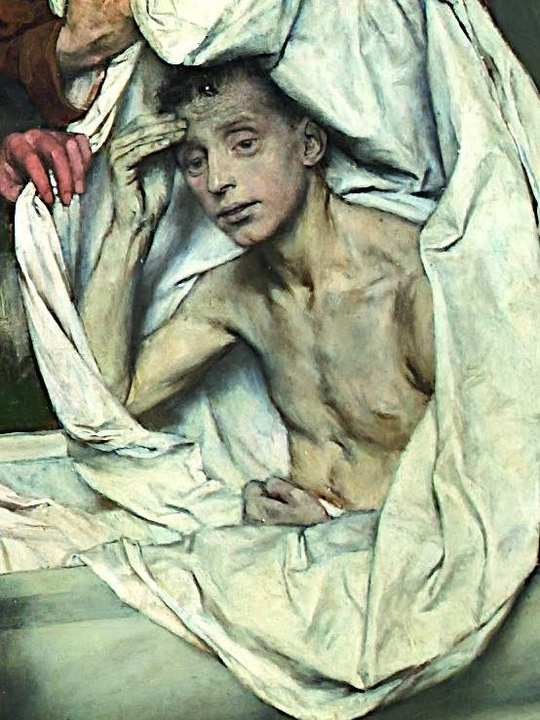
The Raising of Lazarus
Bethanyc. AD 33
Four days in the tomb, already a stench: Jesus calls Lazarus out. It is the last great sign in John before the Passion — and it helps to cause it.
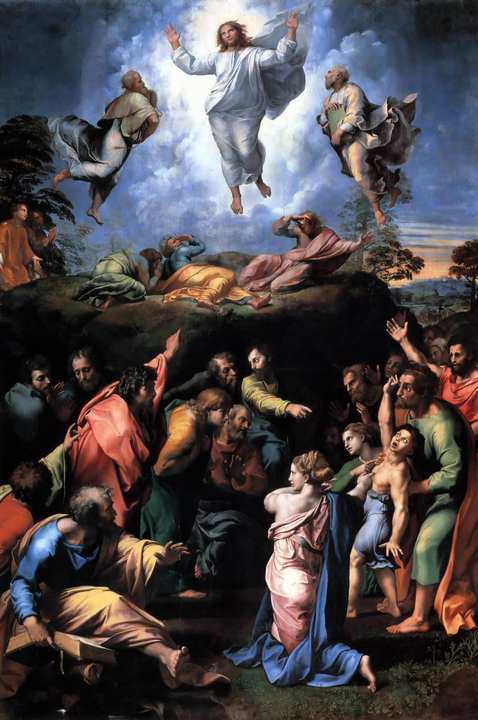
The Transfiguration
A high mountain (traditionally Tabor)c. AD 32
Peter, James, and John see Jesus’ face shine like the sun, Moses and Elijah speaking with him, a bright cloud, and the Father’s voice. A glimpse of glory before the cross.
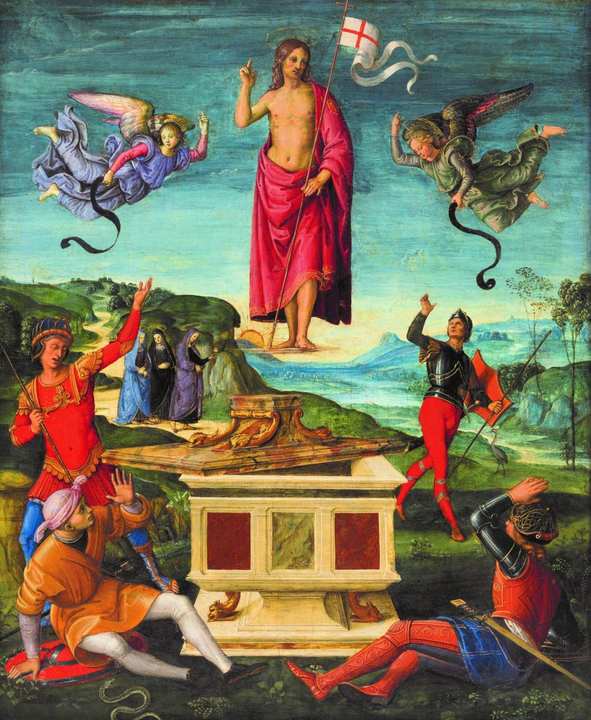
The Resurrection
Jerusalemc. AD 33
On the third day Jesus rose from the dead. This is not one Catholic miracle among others. It is the reason there is a Church, a Gospel, or any later sign worth hearing.
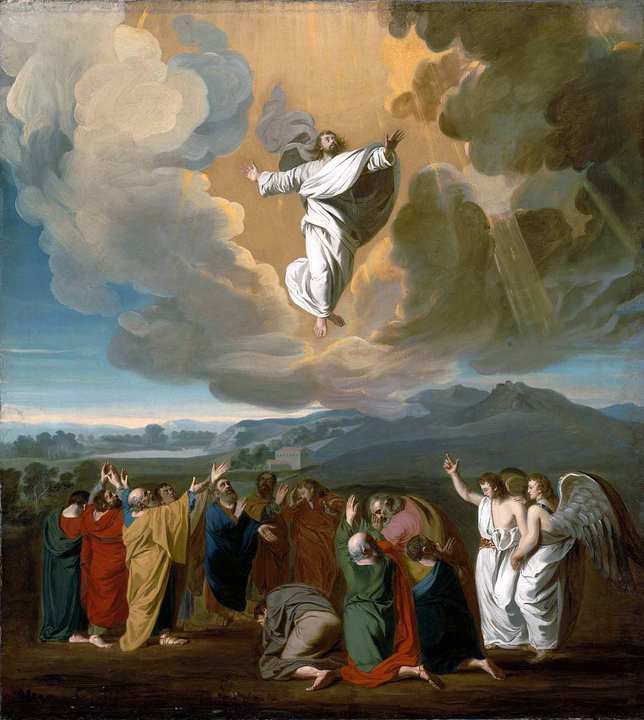
The Ascension
Mount of Olives, near Jerusalemc. AD 33
Forty days after Easter, the risen Jesus is taken up into heaven. He does not vanish like a ghost. He is exalted as Lord, still wearing our humanity.
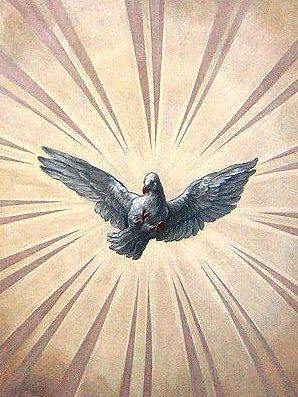
Pentecost
Jerusalemc. AD 33
Fifty days after Easter, the Spirit falls on the gathered disciples with wind and fire. They preach, and a divided world hears the one Gospel in many tongues.
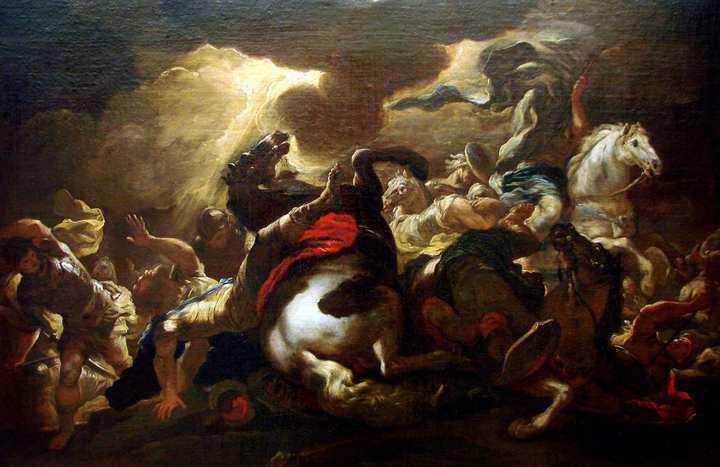
The Conversion of St. Paul
Road to Damascusc. AD 34
A persecutor of the Church is thrown down by a light and a voice: “Saul, Saul, why are you persecuting me?” The risen Jesus makes an apostle out of an enemy.
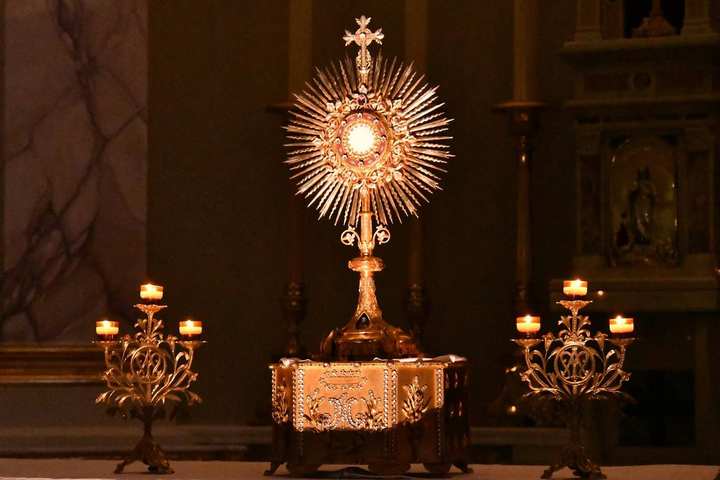
The Eucharist
Upper Room, Jerusalem — and every altar sincefrom the Last Supper
The one Catholic “miracle” that happens quietly, daily, without spectacle: bread and wine become the Body and Blood of Christ. Spectacular Host-wonders are footnotes to this.
Lanciano
Lanciano, Abruzzo8th century (c. 750)
The most famous Eucharistic miracle in the West: a doubting monk sees the Host become Flesh and the wine Blood. The relics are still reserved — and were studied in the twentieth century. They are not the reason the Church believes in the Eucharist.
2 studied signs on this image
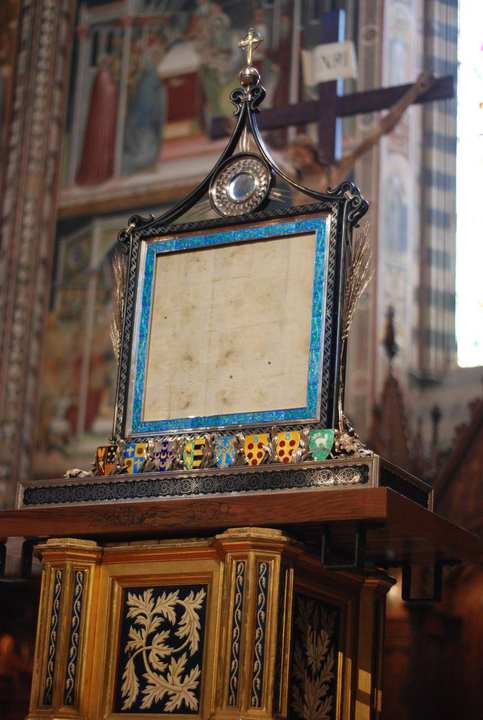
Bolsena–Orvieto
Bolsena, then Orvieto1263
A Bohemian priest, doubting the Real Presence, sees the Host bleed onto the corporal. Urban IV, then at Orvieto, is shown the linen — and Corpus Christi enters the calendar of the whole Church.
Santarém
Santarémc. 1247
A woman, desperate to recover her husband’s love, takes a consecrated Host from Mass to a sorceress. The Host bleeds. She hides it, then surrenders it. It is still reserved in Santarém.
Cascia
Siena, then Cascia1330
A priest takes Communion to a sick man, slips the Host unworthily into his breviary, and later finds it bleeding through the pages. The stained leaf is kept by the Augustinians of Cascia.
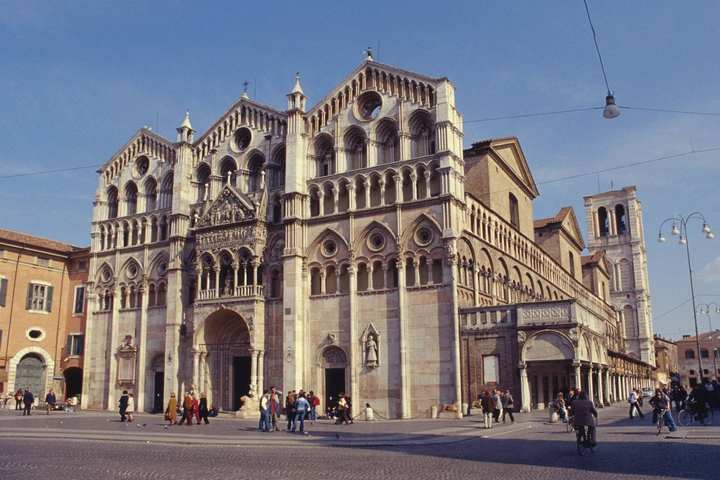
Ferrara
Ferrara1171
On Easter Sunday 1171, at the breaking of the Host, blood spurts onto the vault above the altar of Santa Maria in Vado. The stains were long shown; the church became a shrine.
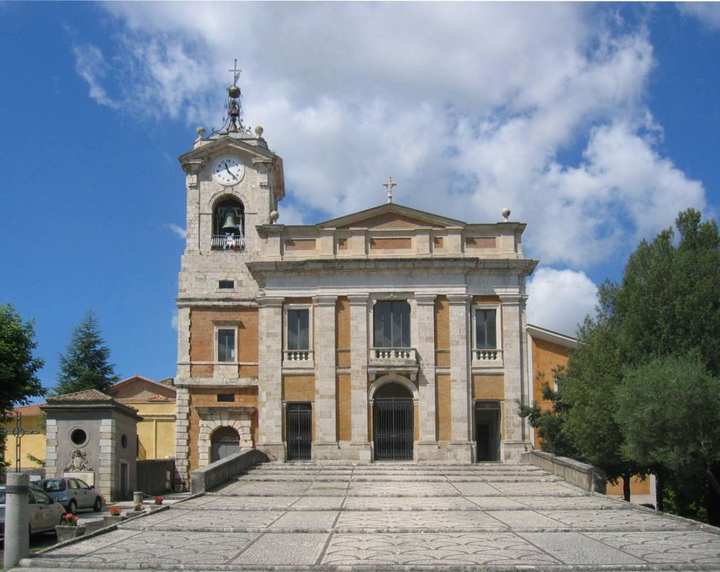
Alatri
Alatri1228
A young woman, advised to steal a Host for a love charm, wraps it in cloth and later finds it turned to flesh. Bishop and pope are notified; the relic is still at Alatri.
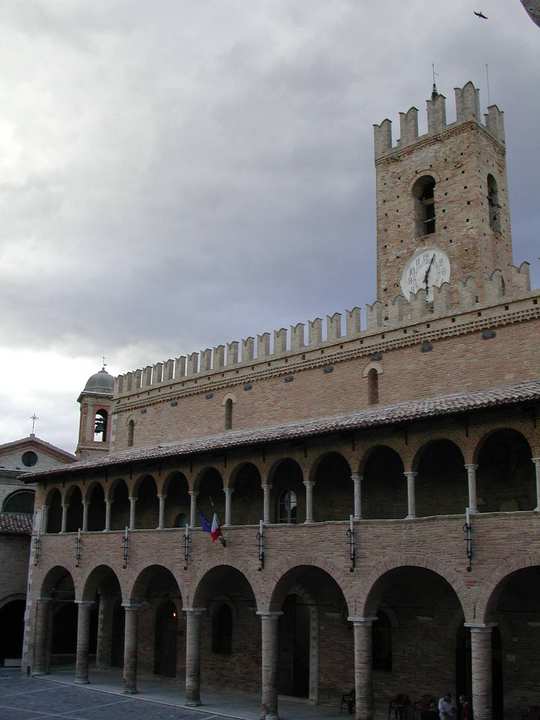
Offida
Lanciano, then Offida1273
Another stolen Host, another bleeding: a woman of Lanciano hides the Sacrament in a stable wall. Blood soaks the tiles. Franciscans later carry the relic to Offida.
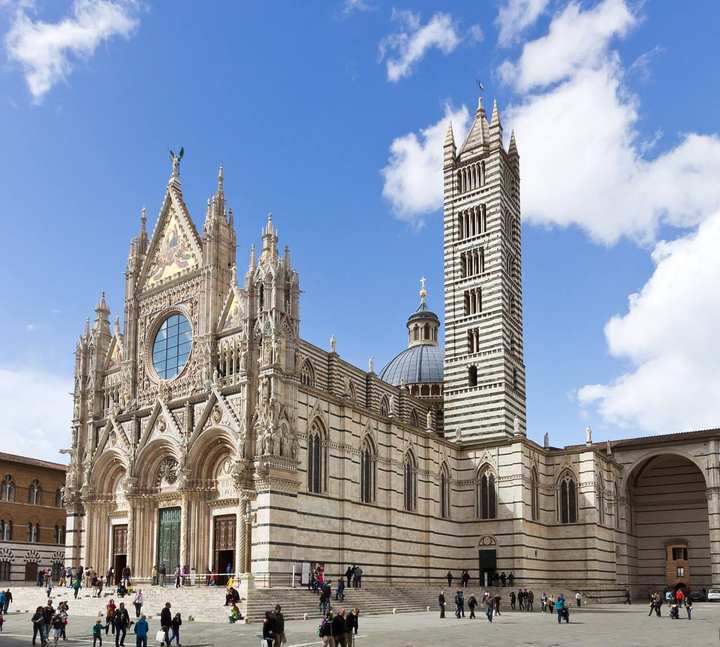
The Hosts of Siena
Siena1730 – present
Consecrated Hosts stolen from St. Francis in Siena are recovered from a poor-box, dusty and filthy — and remain intact, without corruption, for centuries. They are still reserved and occasionally tasted for decay.
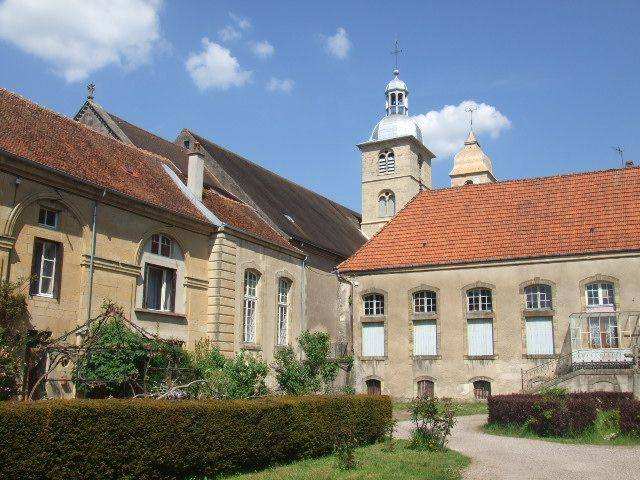
Faverney
Faverney, Franche-Comté1608
A fire destroys the Benedictine church. The monstrance is found suspended in the air, Host intact, above the ashes. For 33 hours it is said not to fall.
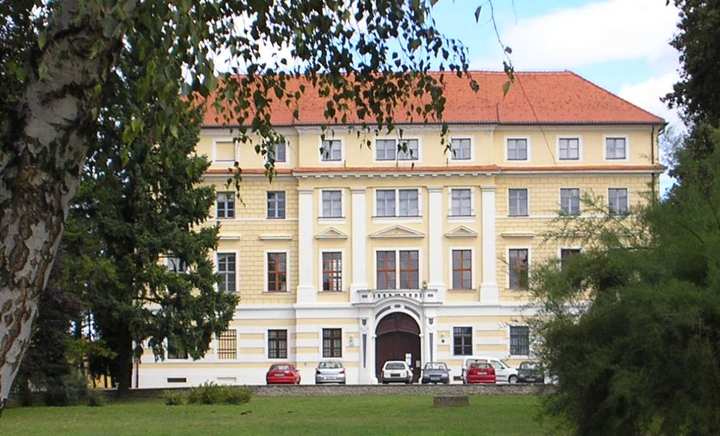
Ludbreg
Ludbreg1411; papal recognition 1513
A priest doubts during Mass; the wine in the chalice takes on the appearance of blood. After a century of quiet reservation, Leo X recognizes the relic for veneration.
Buenos Aires
Parish of Santa María, Buenos Aires1992, 1994, 1996
Dropped and recovered Hosts, later found with a red substance, were photographed and sampled. Pathologists reported human heart tissue. The bishop at the time was Jorge Mario Bergoglio — later Pope Francis. Rome has issued no universal decree.
Sokółka
Sokółka2008
A dropped Host, placed in water, develops a red stain. Independent pathologists report that the stain is heart muscle fused with the bread in a way they cannot explain. The Archbishop of Białystok authorized veneration.
Legnica
Legnica2013
Another dropped Host, another red stain, another finding of heart muscle. In 2016 the Bishop of Legnica announced the Holy See’s recommendation that the relic be venerated.
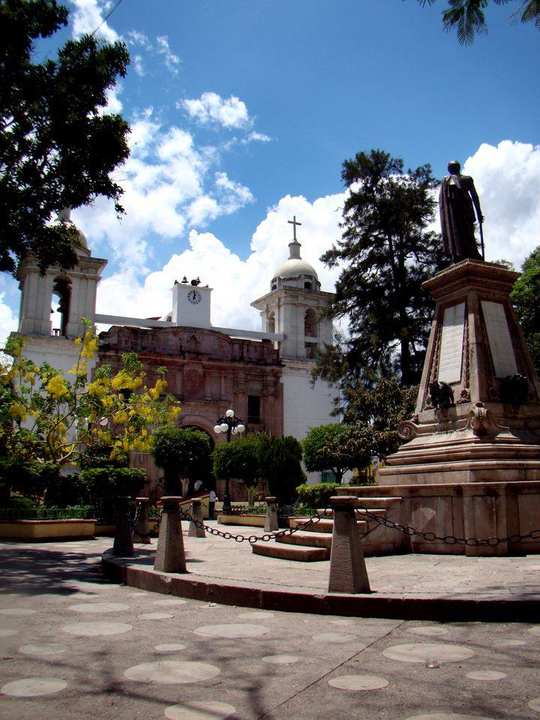
Tixtla
Tixtla, Guerrero2006
During a retreat Mass, a Host in a ciborium is seen to bleed. Studies commissioned by the bishop reported living blood and heart tissue. The relic is reserved in the parish.
Chirattakonam
Chirattakonam, Kerala2001
During adoration in a Syro-Malankara parish, three red stains form on the Host, later seen as a male face. The bishop had the Host photographed and reserved.
Vilakkannur
Christ the King Church, Vilakkannur, Kerala2013; Holy See, 2025
During Mass on 15 November 2013, a face — bearded, wounded, the Holy Face as the Church has always painted him — appears on the consecrated Host. The Host is reserved in a jeweled monstrance. In 2025 the Holy See allowed the diocese to present the event as a Eucharistic miracle.
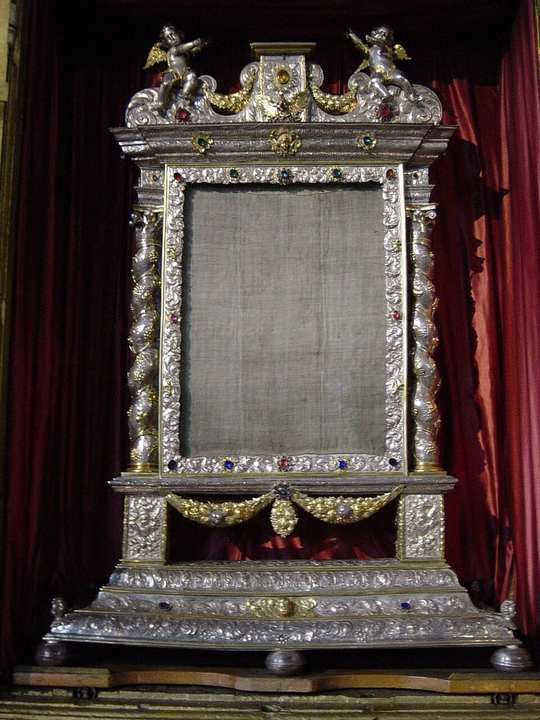
Walldürn
Walldürn1330
A priest spills the chalice onto the corporal. The wine is said to have formed the image of the crucified Christ, ringed by eleven other faces of Christ. He hides the cloth for years, then confesses. Walldürn is still one of the great German pilgrimages of the Precious Blood.
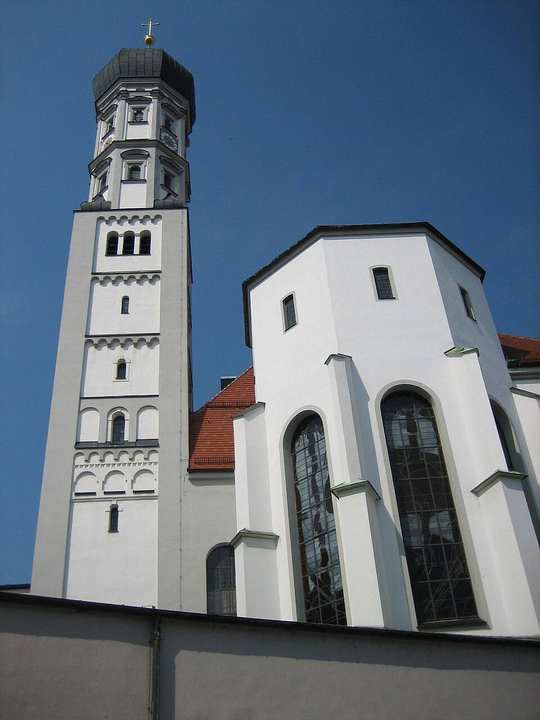
Augsburg
Augsburg1194
A woman takes a consecrated Host home and keeps it in a beeswax box. Five years later it is found changed into flesh, adhering to the wax. The relic is still reserved at Holy Cross in Augsburg.
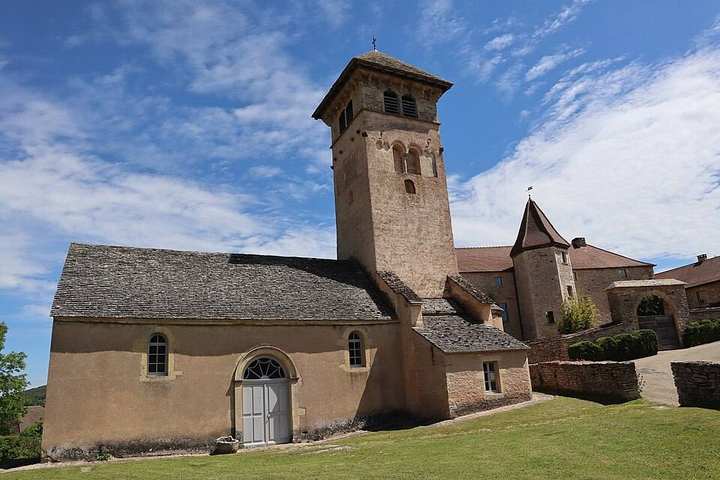
Blanot
Blanot, BurgundyEaster 1331
On Easter morning a fragment of the Host falls onto the corporal and becomes a drop of blood that the priest cannot lift. The cloth is still kept in the parish of Blanot.
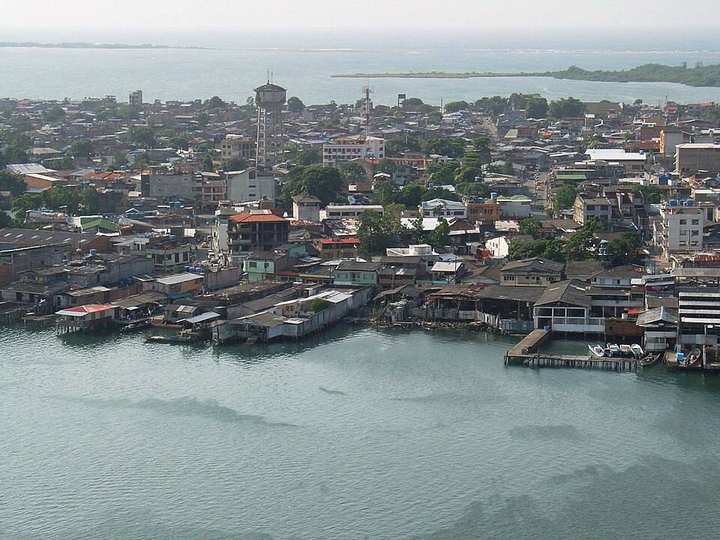
Tumaco
Tumaco, on the Colombian Pacific31 January 1906
After the earthquake of 31 January 1906, as a tsunami runs at the island town, two Augustinian friars walk to the beach with the Blessed Sacrament. The water is said to have stopped at their feet. The town was left standing.
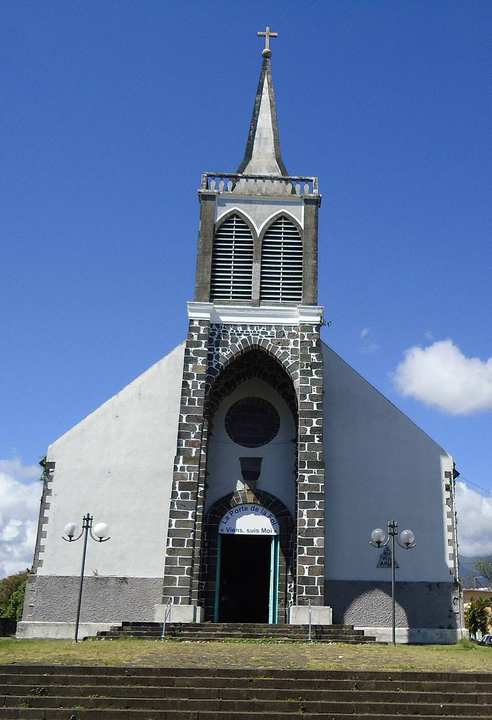
Saint-André, Réunion
Saint-André, Réunion1902
Lava from the Piton de la Fournaise runs at the church of Saint-André. The parish carries the Blessed Sacrament to the flow. The lava stops at the door. The cooled rock is still there.
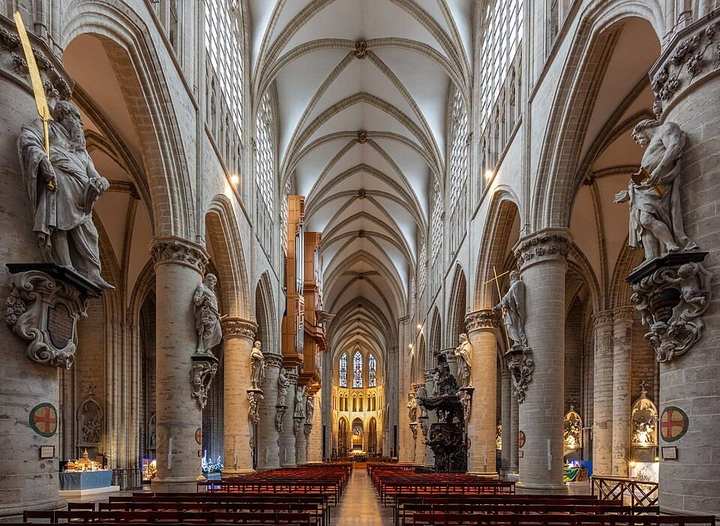
Brussels
Brussels1370
Hosts stabbed and bloodied were carried to the cathedral and venerated for centuries. The medieval telling accused the Jewish community of Brussels. That accusation was used to kill. The Church does not ask anyone to believe it. The Hosts and the injustice are two different facts, and both are told here.
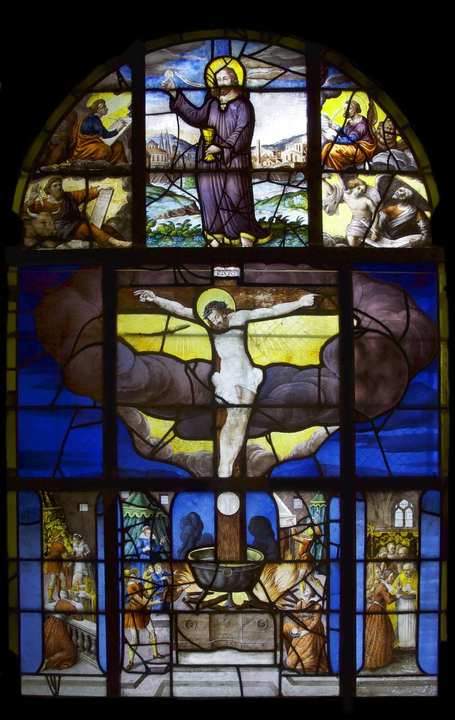
Paris, the Billettes
Paris1290
A Host was said to have bled in a house in the Rue des Jardins in 1290, and a chapel rose on the spot. The medieval story accused a Jewish householder. That accusation is a libel. The chapel’s later life is a different history from the crime it was used to justify.
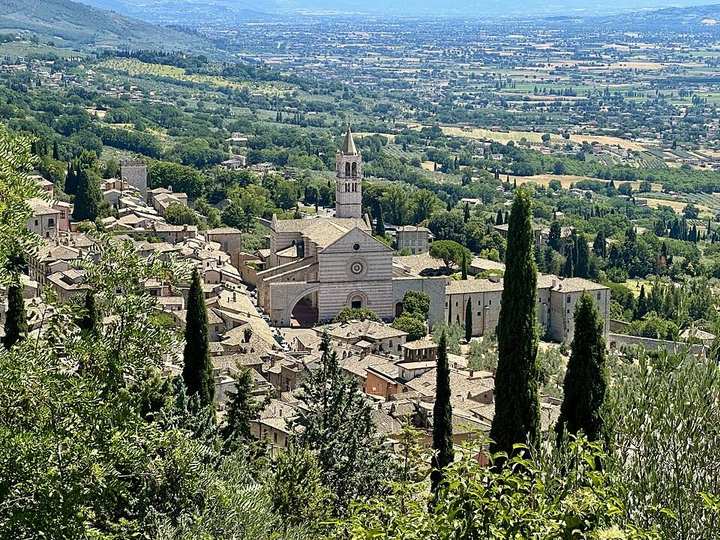
Saint Clare and the soldiers
San Damiano, AssisiSeptember 1240
Saracen troops in the service of Frederick II come up to San Damiano. Clare, ill, has the Eucharist carried to the door in the silver box the monastery used. The attackers do not break in. Later paintings put a monstrance in her hands. The early text says a box.
Casa San Pablo
Casa San Pablo, Santo Domingo30 October 2011
During Adoration of the Blessed Sacrament at Casa San Pablo in Santo Domingo, a photograph is said to show the Host in the monstrance pouring light — red and blue and gold. The Church has not issued a decree that this photograph is a miracle.
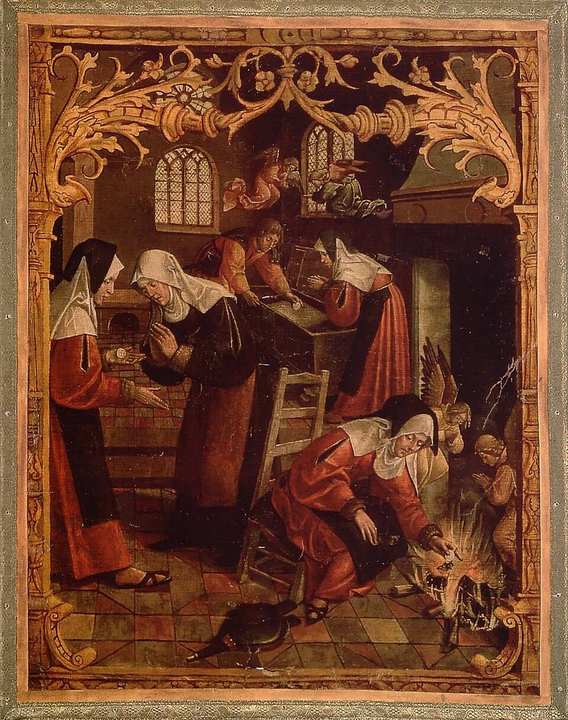
Amsterdam
Amsterdam15 March 1345
A dying man received Viaticum and vomited. The Host was thrown on the fire and did not burn. Amsterdam has walked the Silent Walk in memory of it ever since the devotion was allowed back.
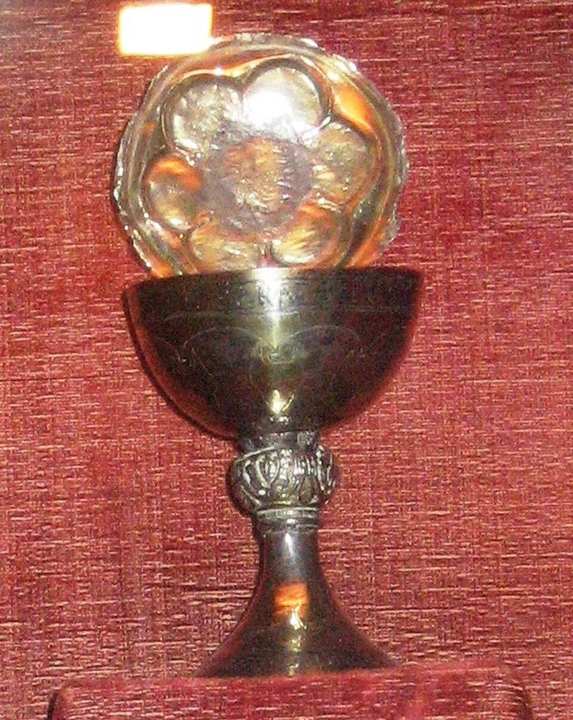
O Cebreiro
O Cebreiro, GaliciaAbout 1300
In a snowstorm a peasant came to Mass. The priest doubted it was worth consecrating for one man. The Host became flesh and the wine blood. The chalice and paten are still in the church on the pass.
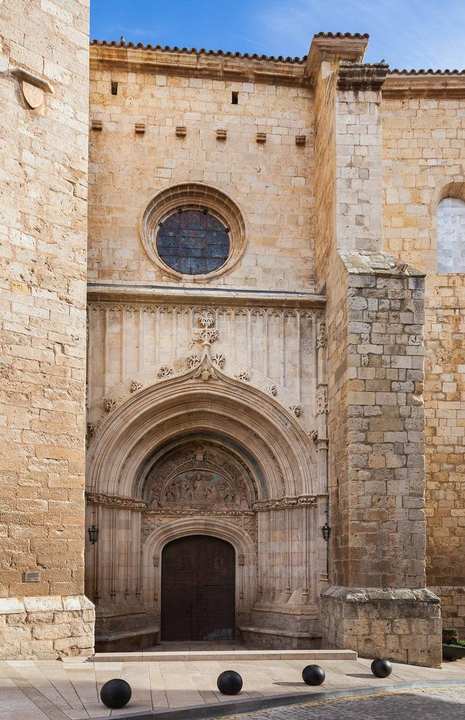
Daroca
Daroca, Aragon1239
In a battle near the walls, priests had consecrated. The Hosts bled onto the corporals. Daroca has carried those cloths in procession ever since.
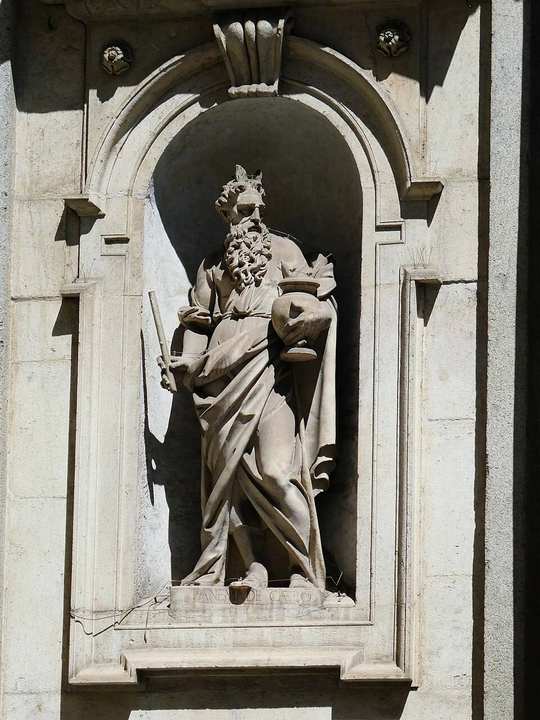
Turin, 1453
Turin6 June 1453
A thief stole a monstrance from the church in Exilles. At Turin the Host rose out of the sack and stayed in the air until the bishop came. The city built the church of Corpus Domini on the spot.
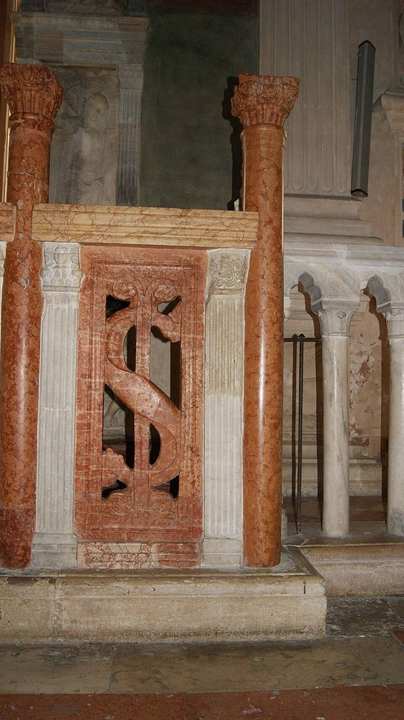
Rimini
Rimini1227
A heretic said he would believe if his mule knelt before the Host rather than eat. The animal left the oats and knelt. St. Anthony of Padua was holding the monstrance.
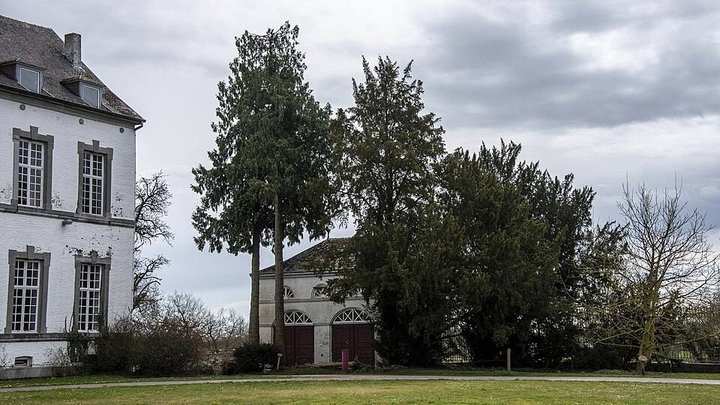
Herkenrode
Herkenrode, near Hasselt1317
A priest carrying Hosts to a sick woman saw blood in the pyx. The Hosts were taken to the Cistercian abbey of Herkenrode. The cloth and the memory stayed with the nuns.
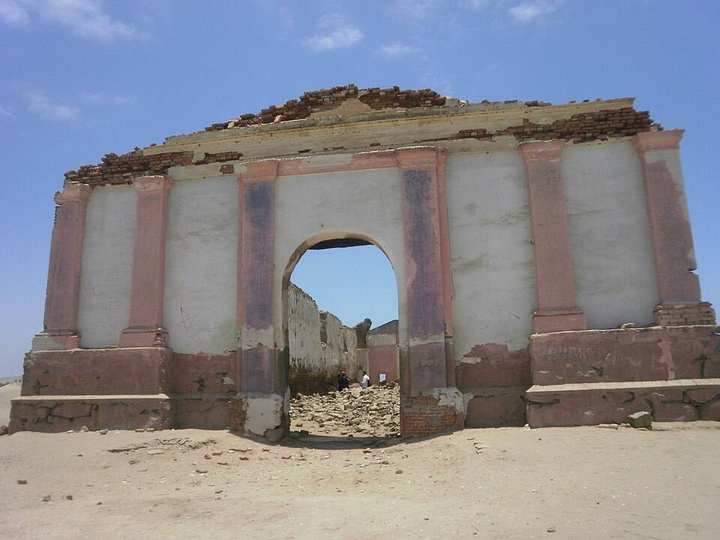
Eten
Eten, Lambayeque1649
During Mass in the parish of Eten the Child was seen in the Host, more than once, by the town. The parish has kept the record and the monstrance.
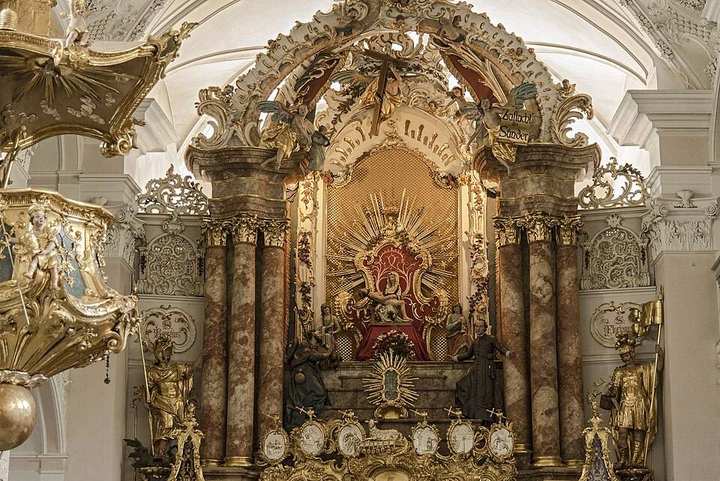
Fiecht
St. Georgenberg-Fiecht, Tyrol1310
A priest doubted during Mass at the mountain monastery. The wine became blood and overflowed the chalice onto the corporal. The cloth is still the treasure of the abbey.
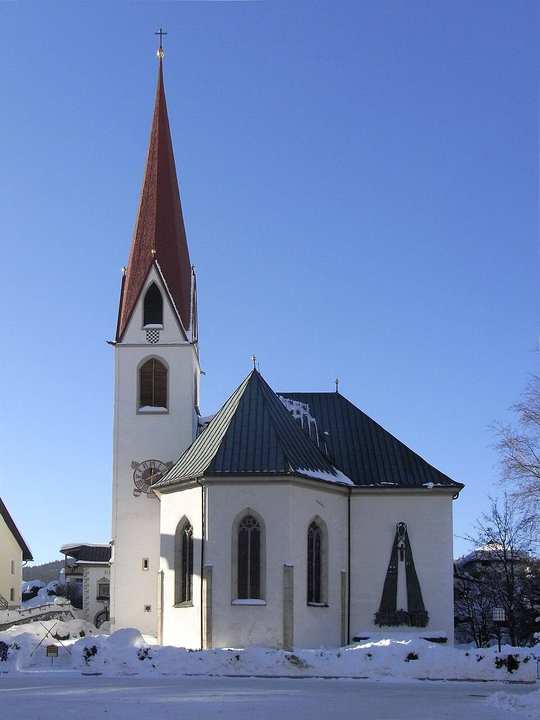
Seefeld
Seefeld, Tyrol1384
A knight demanded a large Host, as if rank changed the Sacrament. The ground gave under him. He sank to the knees and repented. The stone is still shown in the church.
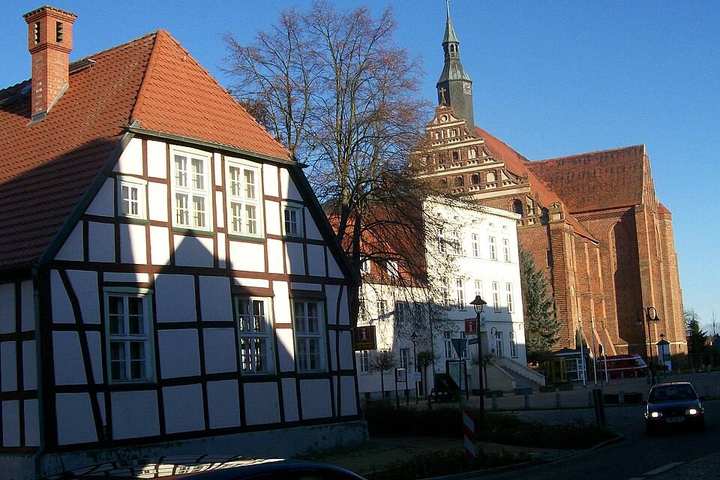
Wilsnack
Bad Wilsnack, Brandenburg1383
Three Hosts were found in the ashes of a burned church, marked with blood. For a century Wilsnack was one of the great pilgrimages of Europe. It was also one of the most contested.

Alcalá
Alcalá de Henares1597
Host stolen from a church in Alcalá were recovered and kept. They did not corrupt. The Jesuits and then the town preserved them as the Santos Corporales.
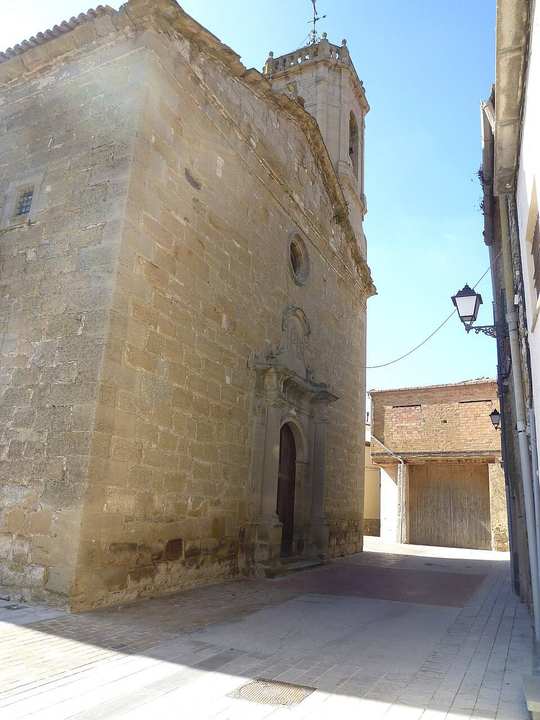
Ivorra
Ivorra, CataloniaAbout 1010
A priest doubted the consecration. The wine became blood and stained the corporal and the stone. The cloths are still the shrine of the parish.
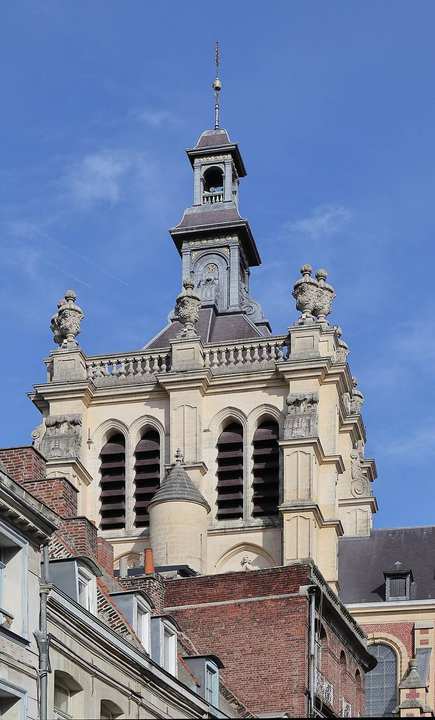
Douai
Douai1254
A priest dropped a Host. When he lifted it, blood had marked the altar cloth. Douai kept the cloth and built the cult of the Precious Blood around it.
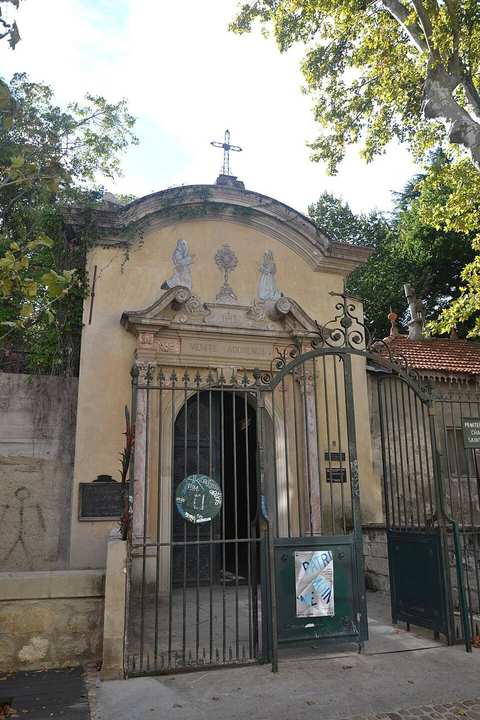
Avignon
Avignon1433
The river flooded the Grey Penitents’ chapel and the Hosts in the tabernacle. After the water went down, the Hosts were found dry. The confraternity kept them.
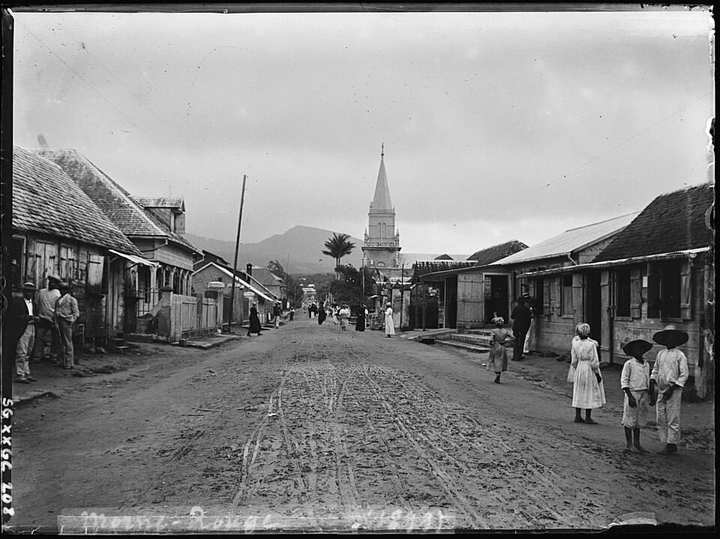
Morne-Rouge
Morne-Rouge, Martinique8 May 1902
As Montagne Pelée was about to destroy Saint-Pierre, the parish of Morne-Rouge carried the Blessed Sacrament to the edge of the lava. The flow stopped at the place where the priest blessed it.
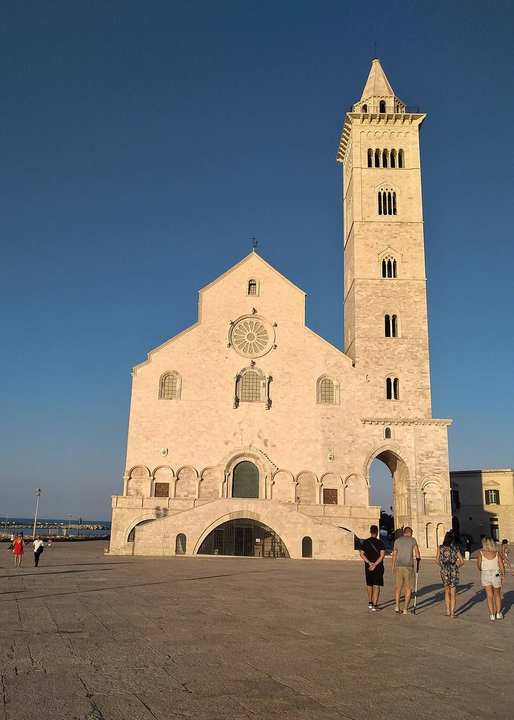
Trani
Trani, Apulia11th century
A woman, a non-Christian in the local telling, took a Host to test it in a pan. It bled. She brought it back. The cathedral of Trani kept the memory.
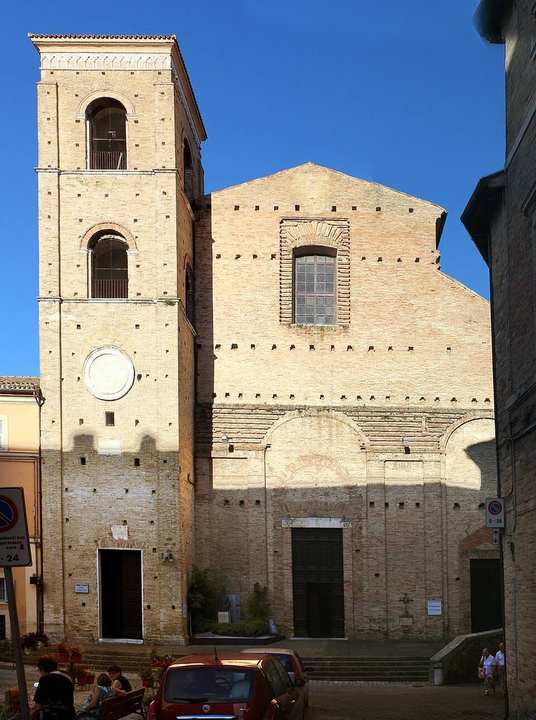
Macerata
Macerata25 April 1356
A priest doubted as he consecrated. Blood issued from the Host onto the corporal. The cloth is kept in the cathedral.
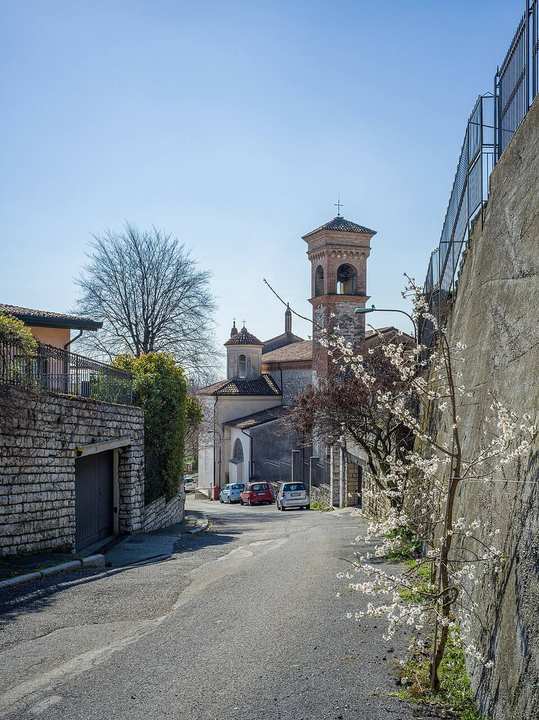
Gruaro
Gruaro, then Valvasone1294
A priest spilled the chalice. The wine on the corporal took the shape of a cross and of a face. The cloth was later kept at Valvasone.
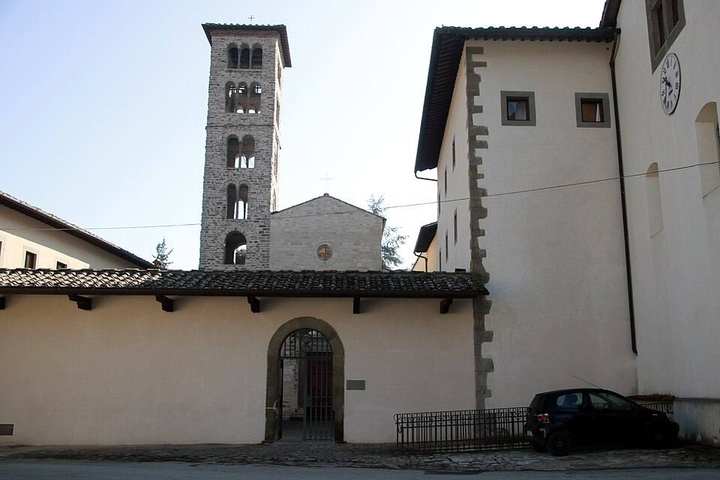
Rosano
Rosano, Tuscany1948
In the Benedictine monastery of Rosano a Host was seen to change during adoration. The nuns and the diocese kept a file. It is a modern case, and it is not Lanciano.
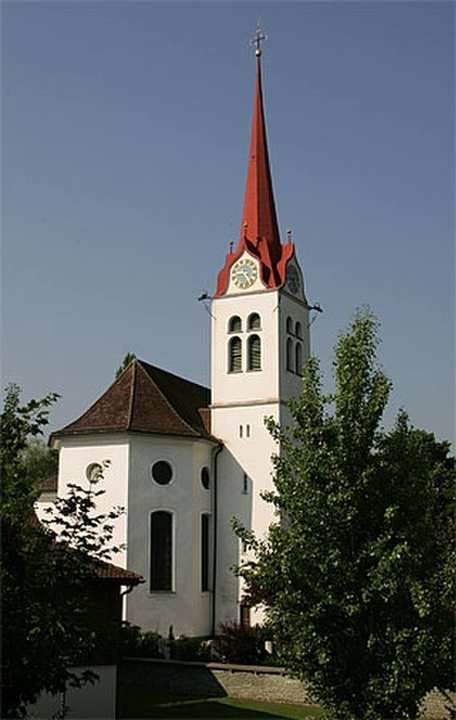
Ettiswil
Ettiswil, Lucerne1447
A stolen Host, thrown into a field, marked the place. A chapel rose. Ettiswil’s pilgrimage of the Blessed Sacrament comes from that theft.
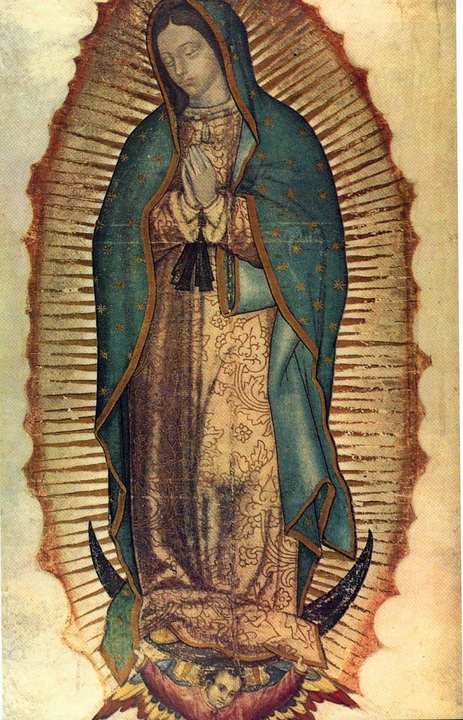
Our Lady of Guadalupe
Tepeyac, Mexico City1531
Mary appears to St. Juan Diego, asks for a church, and leaves her image on his cactus-fiber tilma — an image still visible, and still drawing millions, nearly five centuries later.
6 studied signs on this image
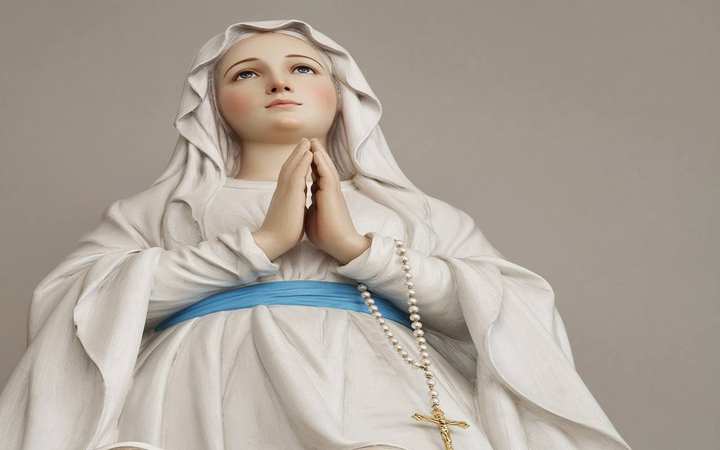
Our Lady of Lourdes
Massabielle, Lourdes1858
Between 11 February and 16 July 1858, in a limestone cave on the edge of Lourdes that the town used as a rubbish dump, a fourteen-year-old miller’s daughter named Bernadette Soubirous saw a young woman in white eighteen times. The woman spoke the dialect of the valley. She asked for prayer, for penance, for a spring of water, for a chapel, and for a procession. On 25 March, the feast of the Annunciation, she gave a name the child had never been taught: “I am the Immaculate Conception.” The bishop of Tarbes judged the apparitions worthy of belief in 1862. The spring still runs. The sick still come. Bernadette died at thirty-five, still ill, in a convent at Nevers.
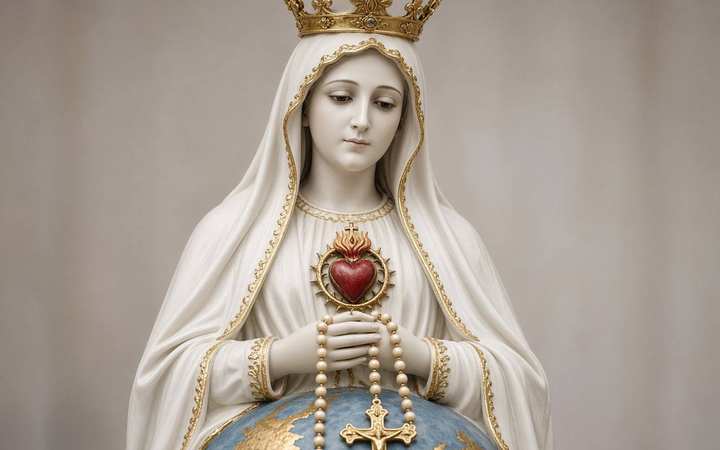
Our Lady of Fátima
Cova da Iria, Fátima1917
In 1917, in a hollow of pasture called the Cova da Iria, near the village of Fátima in Portugal, three shepherd children — Lúcia dos Santos, ten, and her cousins Francisco Marto, nine, and Jacinta Marto, seven — saw a lady brighter than the sun, six times, on the 13th of the month from May to October. She asked for the rosary every day, for the conversion of sinners, for devotion to her Immaculate Heart, and that a chapel be built. On 13 July she showed them hell and spoke of war and of Russia. On 13 October, before a crowd of tens of thousands standing in the rain, including reporters who had come to mock, the sun appeared to dance. Francisco and Jacinta died in the influenza. Lúcia lived until 2005 as a nun. The bishop of Leiria declared the apparitions worthy of belief on 13 October 1930.
Our Lady of Knock
Knock, County Mayo1879
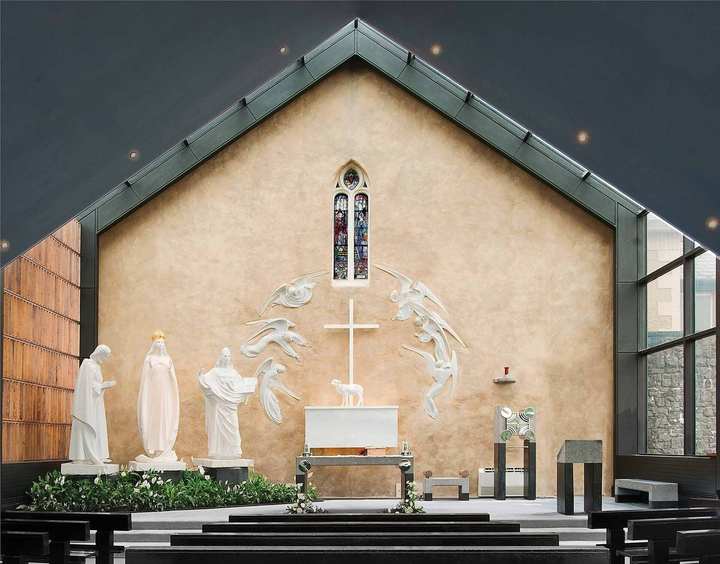
On a wet evening, fifteen villagers see Mary, St. Joseph, St. John the Evangelist, and a Lamb on an altar against the parish gable. No word is spoken. The rain does not touch the vision.
Our Lady of La Salette
La Salette-Fallavaux, Alps1846
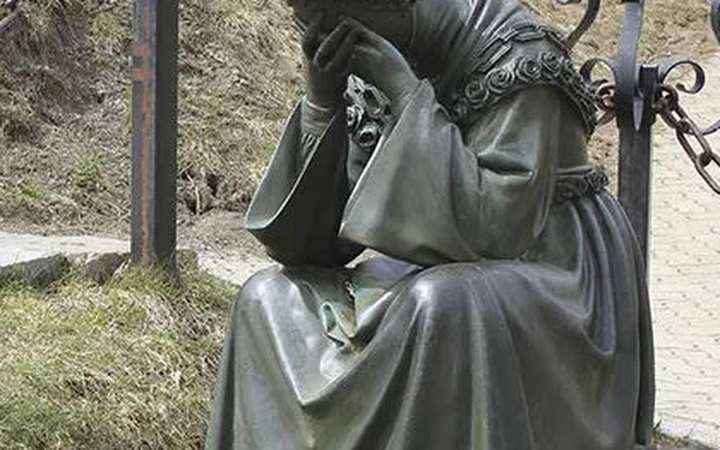
On 19 September 1846, two poor children, Maximin Giraud and Mélanie Calvat, met a woman weeping on a mountain above La Salette. She spoke of people using her Son’s name as a swear-word, and of Sunday being spent as an ordinary market day instead of at Mass. The Bishop of Grenoble approved the apparition in 1851.
Our Lady of Pontmain
Pontmain, Mayenne1871
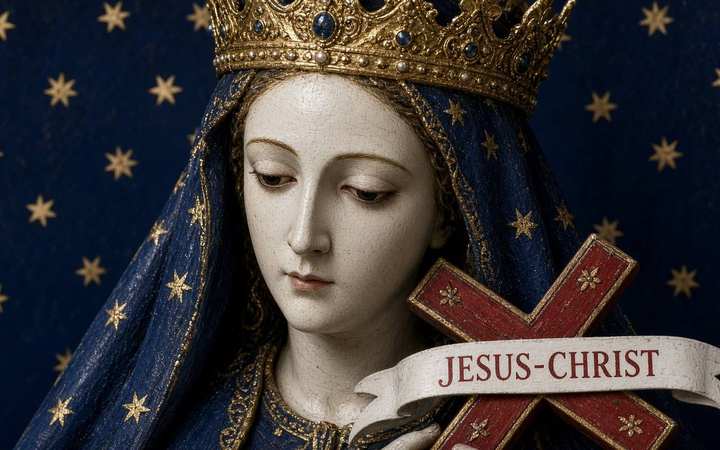
In a village of the Franco-Prussian War, children see a smiling lady in the sky; adults mostly do not. A message forms letter by letter: “Pray, my children. God will hear you in a short time.” The Prussian advance stops.
The Miraculous Medal
Rue du Bac, Paris1830
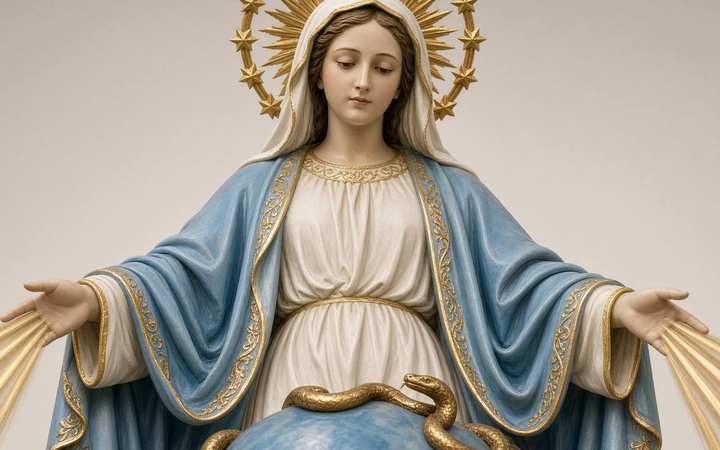
St. Catherine Labouré, a novice of the Daughters of Charity, is shown a medal: Mary crushing the serpent, rays from her hands, a ring of prayer. Struck in 1832, it becomes the most widespread Marian sacramental in the world.
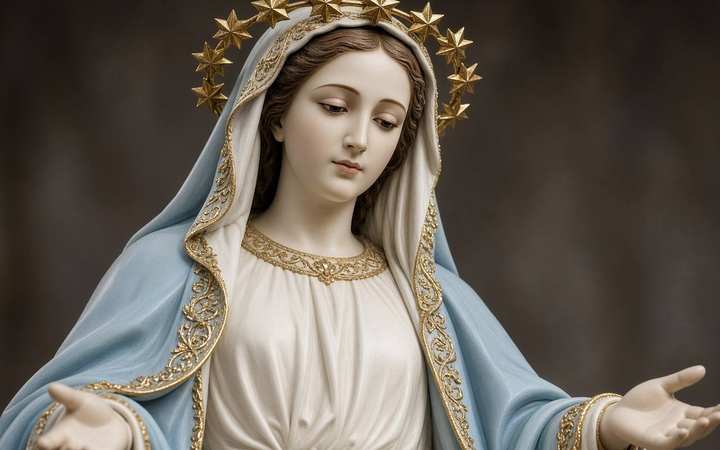
Our Lady of Champion
Champion (Robinsonville), Wisconsin1859
The first (and so far only) Marian apparition in the United States approved by a bishop: Adele Brise, a Belgian immigrant, is told to “gather the children” and teach them the faith. A shrine stands where the Peshtigo fire later stopped.
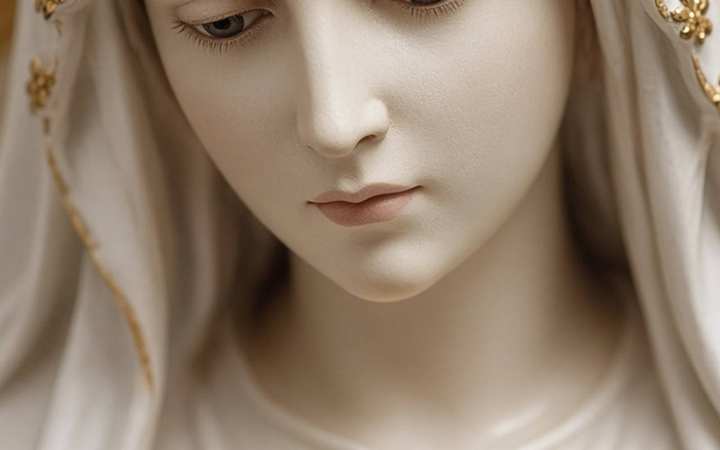
Our Lady of Beauraing
Beauraing1932–1933
Thirty-three apparitions to five children in a Belgian railway town. Mary asks for a chapel, for prayer, and shows a golden heart. The bishop approves in 1943.
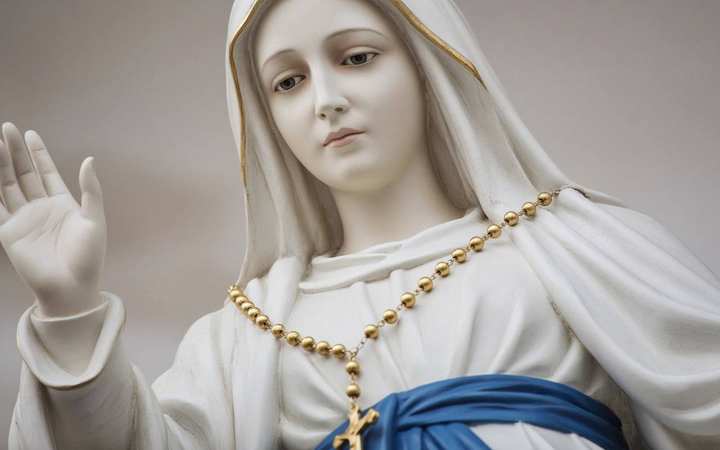
Our Lady of Banneux
Banneux1933
Eight apparitions to Mariette Beco, 11. Mary leads her to a spring: “This spring is reserved for all nations — to relieve the sick.” She calls herself the Virgin of the Poor.
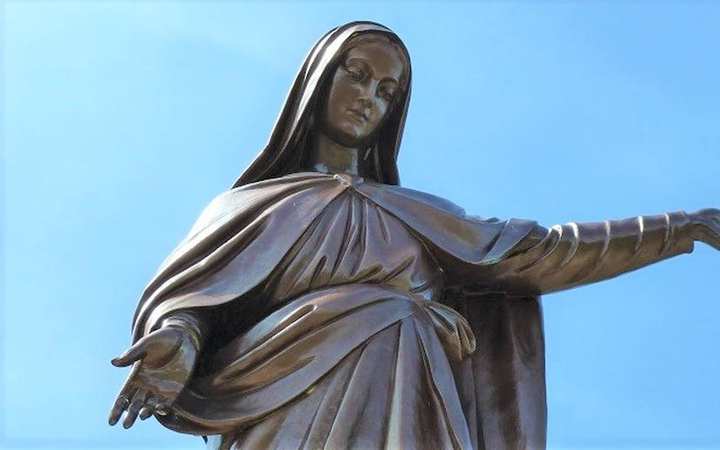
Our Lady of Laus
Saint-Étienne-le-Laus1664–1718
For fifty-four years Benoîte Rencurel, a shepherdess, receives apparitions aimed at confession and reconciliation. In 2008 the bishop declared the events supernatural — one of the rare modern approvals of an old local cult.
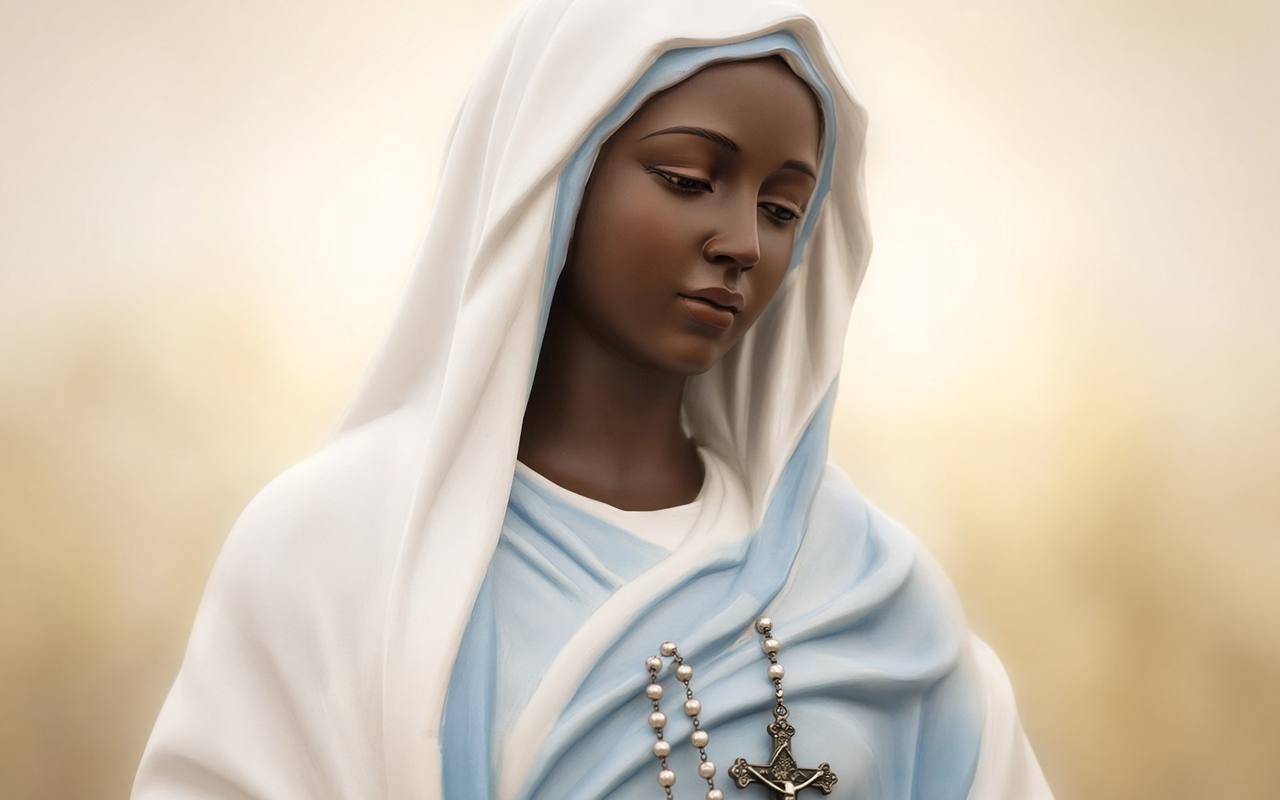
Our Lady of Kibeho
Kibeho1981–1989 (approved visions)
The only Vatican-approved Marian apparition in Africa. Schoolgirls see Mary and, later, Jesus. They are shown a river of blood — years before the 1994 genocide. The message is conversion, prayer, and the rosary of the Seven Sorrows.
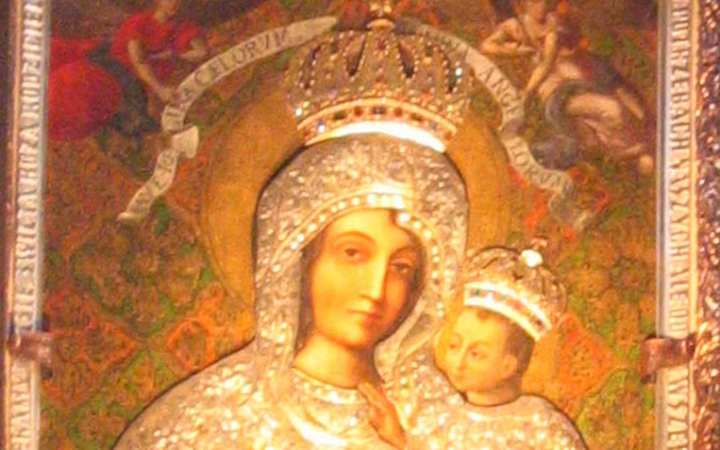
Our Lady of Gietrzwałd
Gietrzwałd1877
Poland’s only approved Marian apparition of the modern era: two girls, during Bismarck’s Kulturkampf, hear Mary say in Polish that she wishes people to pray the rosary. A spring is blessed. The bishop approved in 1977.
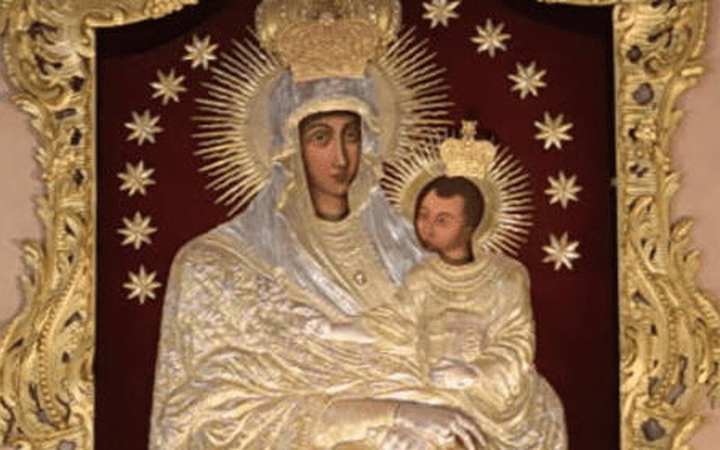
Our Lady of Šiluva
Šiluva1608
In a village that had lost its Catholic church to the Reformation, children see a woman holding the Child and weeping. A buried chest of liturgical treasures is found. Lithuania’s great Marian shrine begins.
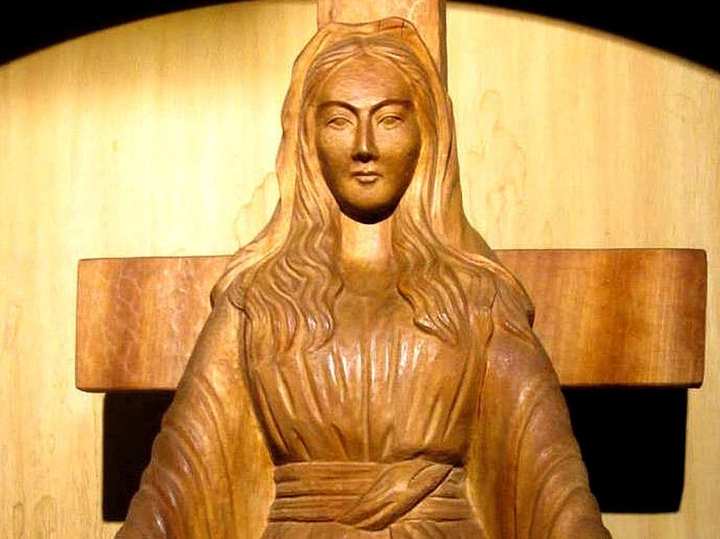
Our Lady of Akita
Akita1973–1981
Sr. Agnes Sasagawa hears a voice from a wooden statue; the statue weeps 101 times; a cross-shaped wound appears on the sister’s hand. Bishop Ito declared the events supernatural in 1984. Rome has been more reserved in later comments.
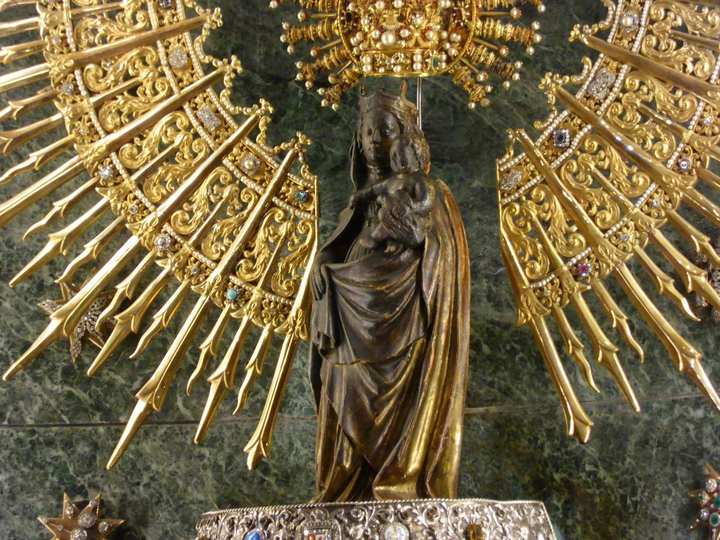
Our Lady of the Pillar
Caesaraugusta (Zaragoza)Tradition: 12 January AD 40
Spain’s founding Marian story: the Virgin, while still living in Jerusalem, appears to the Apostle James on the Ebro and leaves a jasper pillar. A small statue of mother and child stands on that column in Zaragoza. A basilica stands around it. It is apostolic legend, loved, not historically proved. The photograph is this statue on this pillar — not any other Madonna.
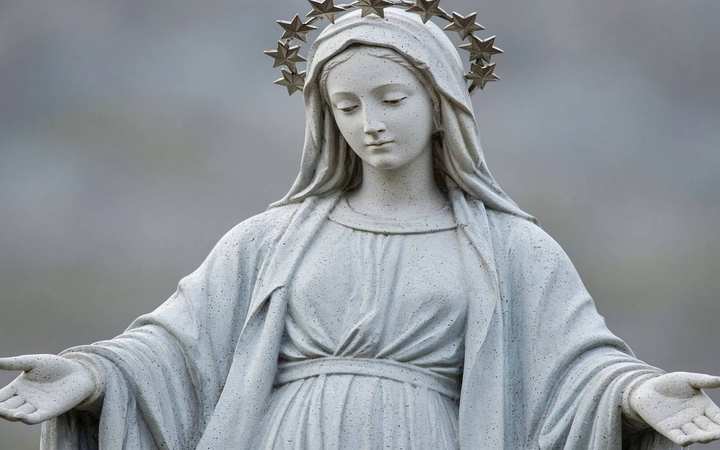
Medjugorje
Medjugorje1981 – ongoing claims
The most visited unapproved apparition site in the world. Six young people claimed daily visions from 1981. In 2024 Rome issued a “nihil obstat”: the Holy See finds no contradiction of faith and morals in the spiritual fruits, but does not declare the apparitions supernatural.
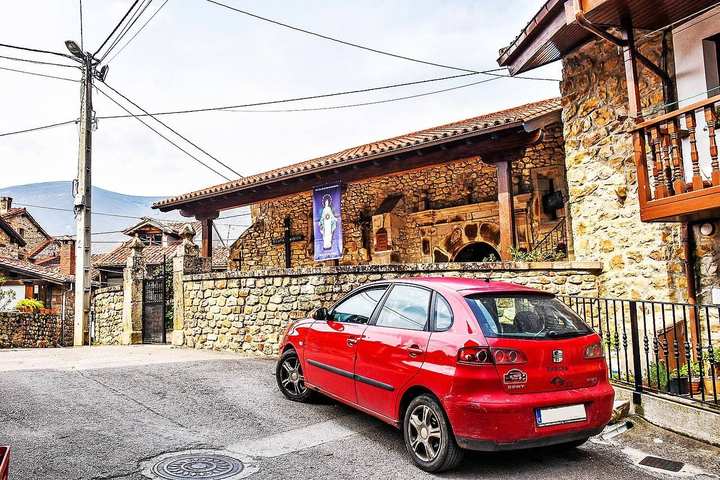
Garabandal
San Sebastián de Garabandal, Cantabria1961–1965
Four girls report visions of an angel and of Mary, ecstatic walks, a promised great miracle, a warning, and a permanent sign. No Spanish bishop has approved the apparitions. Rome has allowed private devotion without authenticating the events.
Our Lady of Zeitoun
Zeitoun, Cairo1968–1971
For three years a luminous woman — Mary, the crowds said — stood on the roof of a Coptic church in a Muslim city. Mechanics saw her first. Then tens of thousands. Muslims and Christians. Cameras. Silence. Blessing. Then she faded.
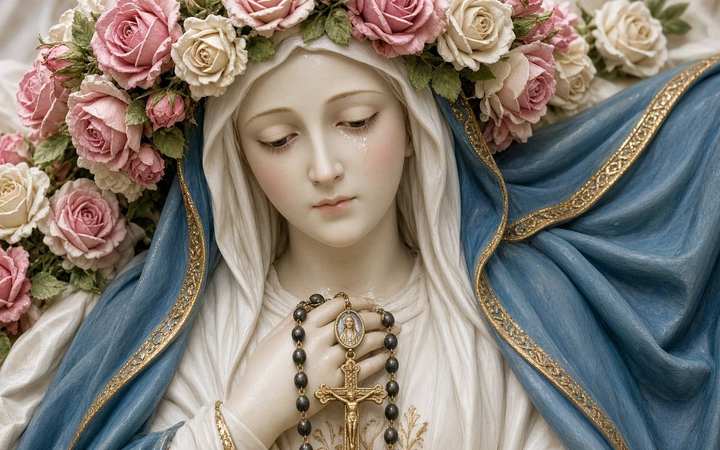
Bayside / “Our Lady of the Roses”
Bayside, Queens, then Flushing Meadows1970–1995
Veronica Lueken claimed messages from Mary and Jesus for decades, often accusing the hierarchy of error. The Diocese of Brooklyn declared in 1986 that no credibility should be given to the events.
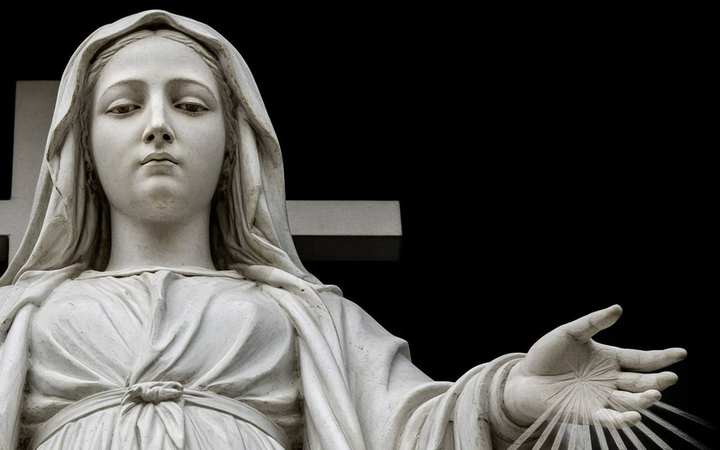
The Lady of All Nations
Amsterdam1945–1959
Ida Peerdeman reported 56 visions and a prayer naming Mary as “Coredemptrix, Mediatrix, and Advocate.” Amsterdam’s bishop once showed favor; the CDF has repeatedly refused the title and, under the 2024 norms, the apparitions are not recognized as supernatural.
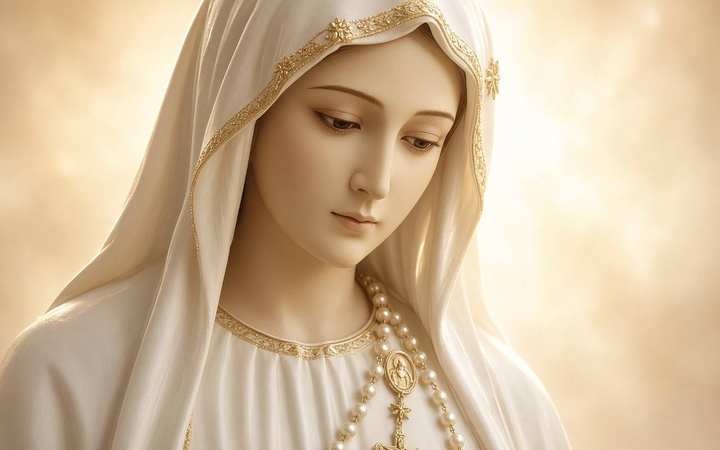
Our Lady, Mediatrix of All Grace (Lipa)
Lipa, Batangas1948
A Carmelite postulant, Teresita Castillo, reported apparitions and a rain of rose petals. A 1951 local declaration of “no supernatural origin” was later contested; in 2015 the Archbishop of Lipa declared them authentic, and Rome promptly voided that declaration. The case remains wounded and unfinished.
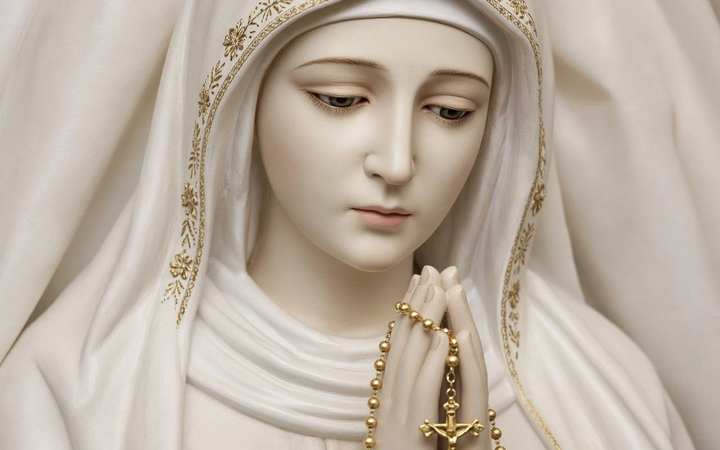
Our Lady of Cuapa
San Francisco de Cuapa, Chontales1980
A sacristan, Bernardo Martínez, sees Mary by an old tree in a war-torn Nicaragua. She asks for the rosary prayed well, for peace, for the first Saturdays. The bishop of Juigalpa approved the apparitions in 1994.
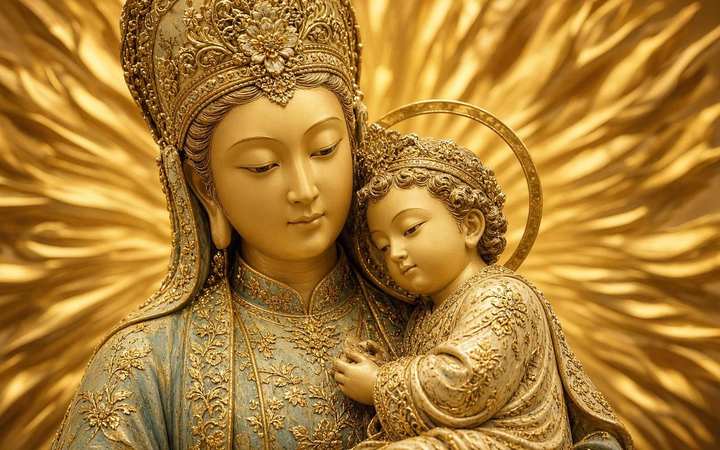
Our Lady of La Vang
La Vang, Quảng Trịc. 1798
Christians hiding in the jungle from the Cảnh Thịnh persecution see a lady in áo dài, holding the Child, under a great tree. She tells them to boil the leaves for medicine. La Vang becomes the national Marian shrine of Vietnam.
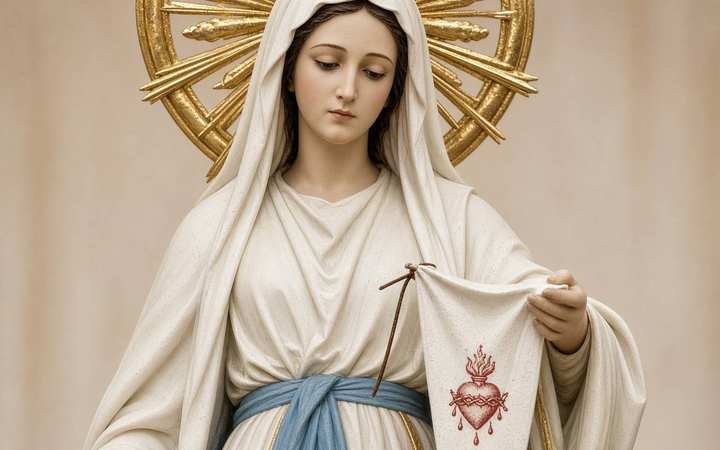
Our Lady of Pellevoisin
Pellevoisin, Indre1876
Estelle Faguette, dying of tuberculosis, sees Mary fifteen times. She is healed. The lady shows a scapular of the Sacred Heart and asks for mercy to be believed. Rome approved the scapular; the archbishop approved the devotion.
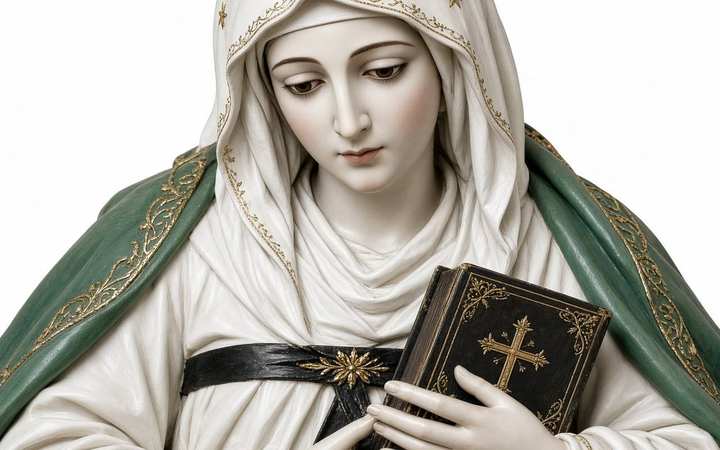
Our Lady of Revelation
Tre Fontane, Rome1947
A Protestant, anti-Catholic tram driver, Bruno Cornacchiola, takes his children to a grove to prepare a speech against Mary. She comes. He converts. The grotto at the Three Fountains is a Roman pilgrimage with papal visits and a cautious local reception.
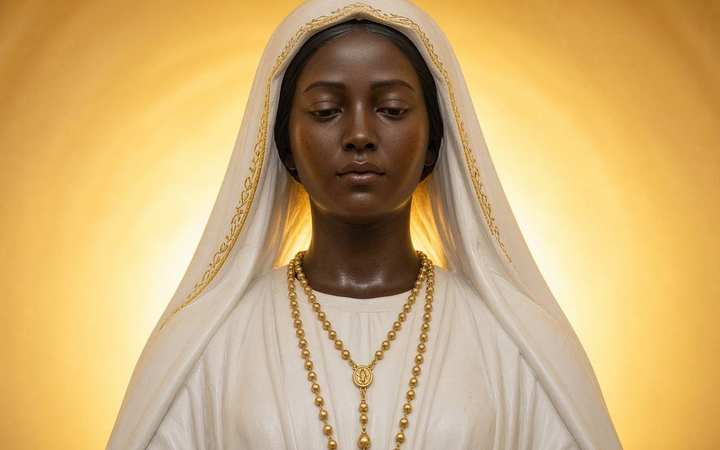
Our Lady of Ngome
Ngome, KwaZulu-Natal1955–1971
Sr. Reinolda May, a Benedictine missionary, sees Mary as Tabernacle of the Most High — a Eucharistic title — and is told a shrine will rise at a deserted spring. The bishop of Eshowe has permitted the sanctuary.
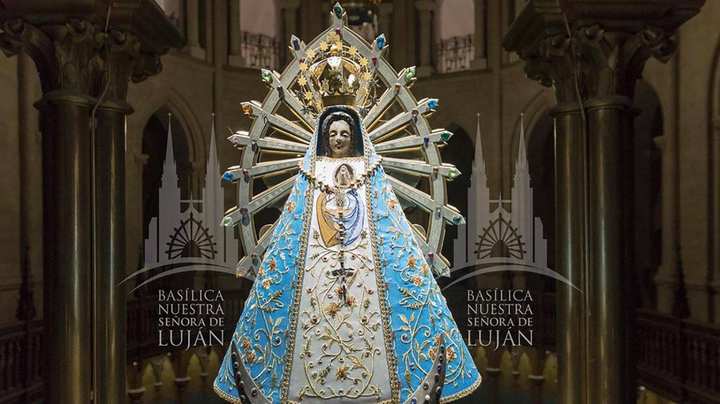
Our Lady of Luján
Luján, Buenos Aires Province1630
A small terracotta image of the Immaculate, being carried from Brazil, will not move from a spot on the Luján river until it is set down. A shrine grows. She is patroness of Argentina, Uruguay, and Paraguay.
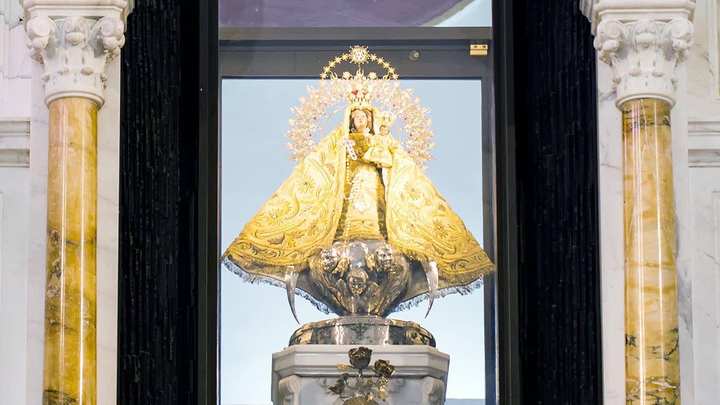
Our Lady of Charity of El Cobre
El Cobre, Santiago de Cubac. 1612–1613
Three men in a boat — two Indians, one African child — find a small statue on the water after a storm: “I am the Virgin of Charity.” She is Cuba’s patroness, the lady of a copper-mining town, of exiles, of a people who have had to carry her.
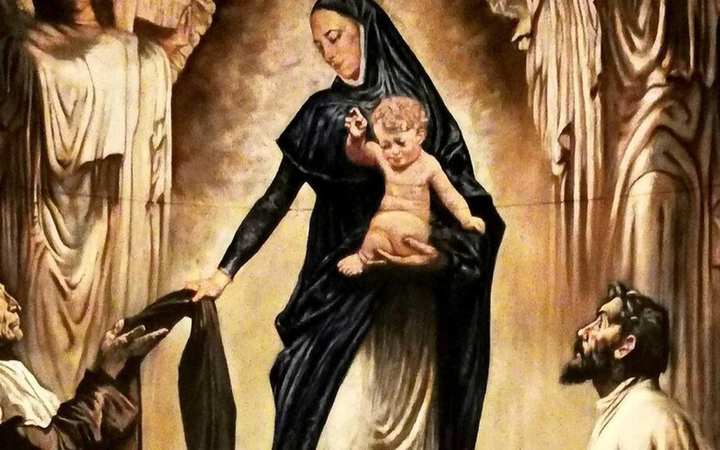
The Brown Scapular of Mount Carmel
Aylesford / Cambridge (the English Carmel)Traditionally 16 July 1251
The tradition: Mary gives St. Simon Stock a brown scapular as a pledge for the Carmelite order and for whoever dies wearing it in faith. History is tangled. The devotion is not. Popes have clothed the Church in it for centuries.
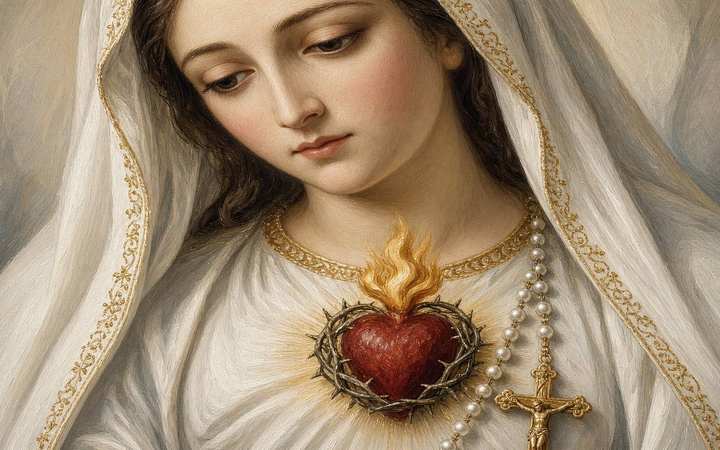
The Apparitions of Pontevedra
Pontevedra, Galicia1925–1926
Sister Lúcia, already a Dorothean novice, sees Mary and the Child in her cell. They ask for the First Saturdays of reparation — confession, communion, rosary, a quarter-hour of company. Fátima’s program gets its weekday.
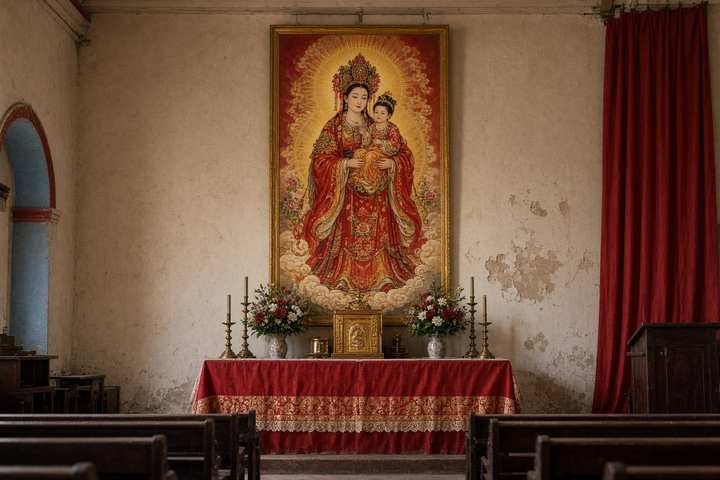
Our Lady of China
Donglü, Hebei1900
During the Boxer Rising, villagers at Donglü see a lady in the sky, and the attackers fall back. A church is built. The image — Mary as a Chinese empress, the Child in her arms — is the face under which Chinese Catholics have prayed through a long century.
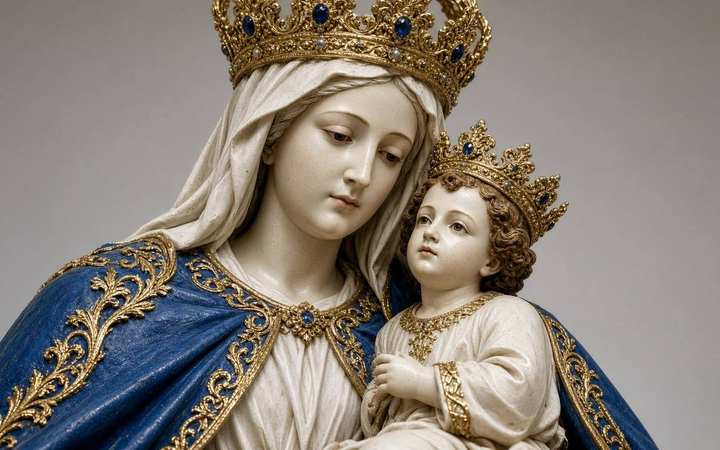
Our Lady of the Cape
Cap-de-la-Madeleine, Québec1879 and 1888
A poor parish, an old statue, a bridge of ice in March that lets the stone for a new church cross the river — the “Bridge of Rosaries.” In 1888 the statue’s eyes are seen to open. Canada’s national Marian shrine.
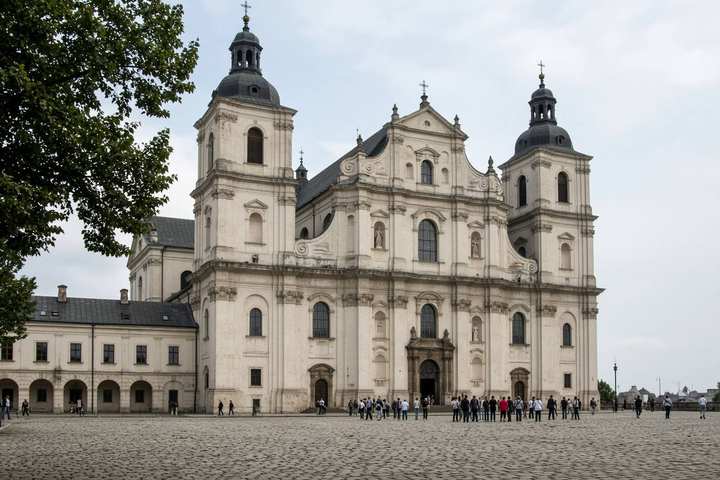
Our Lady of Leżajsk
Leżajsk1578
A pious woodcutter, Thomas Michałek, sees Mary in the forest asking for a church. The image of Leżajsk is crowned, the basilica a Bernardine jewel of the Polish baroque, still a working pilgrimage.
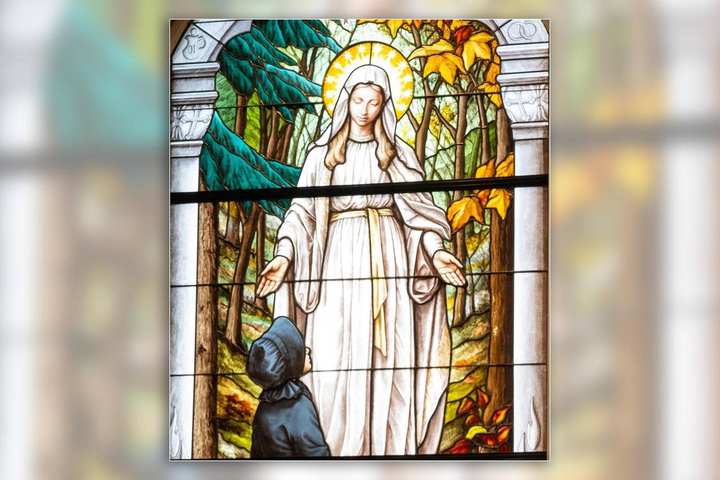
Our Lady of America
Rome City, Indiana / Fostoria, Ohio1956–1959
Sr. Mary Ephrem Neuzil reports a lady calling herself Our Lady of America, asking for purity in the American Church and a statue in the National Shrine. In 2020 the bishops of the relevant dioceses, with the CDF, judged there was no evidence of a supernatural origin.
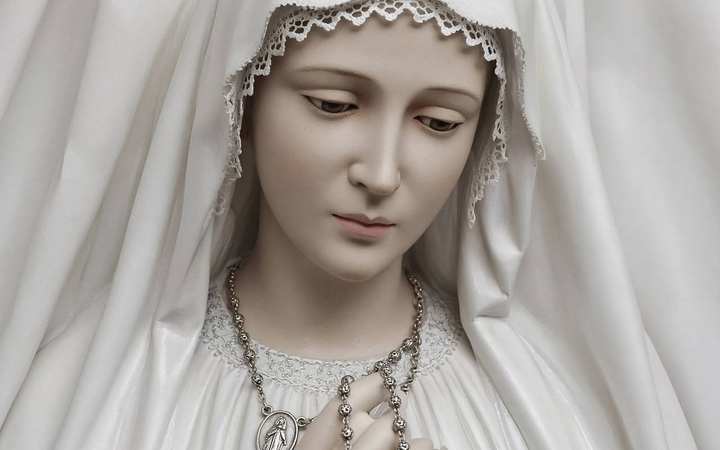
Our Lady of Litmanová
Zvir mountain, Litmanová1990–1995
Two girls, Katka and Ivetka, report Mary on a mountain in the newly free Slovakia. A spring, crowds, a call to prayer. The bishop has allowed the pilgrimage and has not issued a final decree on the origin.
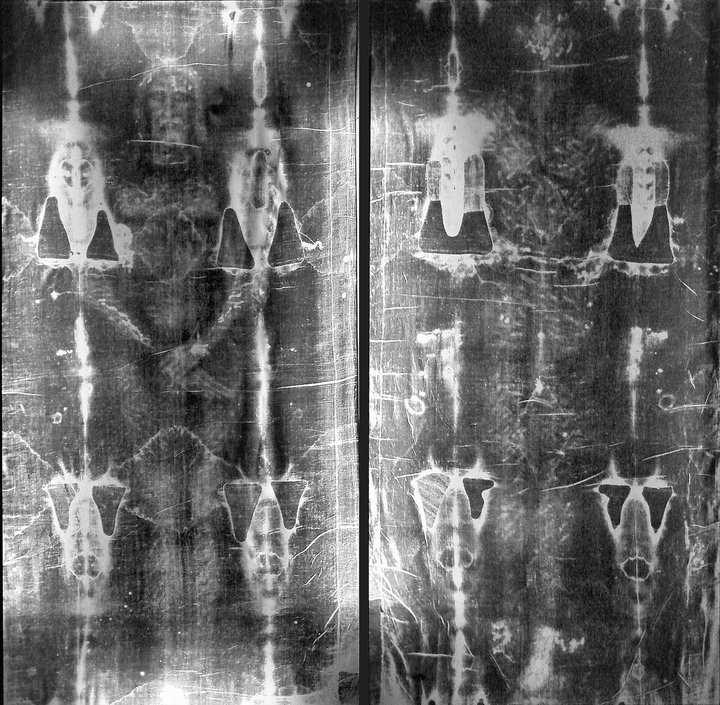
The Shroud of Turin
Turin (earlier Lirey, Chambéry)First documented 1354; claimed as 1st century
The Shroud of Turin is a linen cloth bearing the faint image of a crucified man. Many Catholics believe it may be the burial cloth of Jesus Christ. The Church has not formally declared it authentic.
6 studied signs on this image
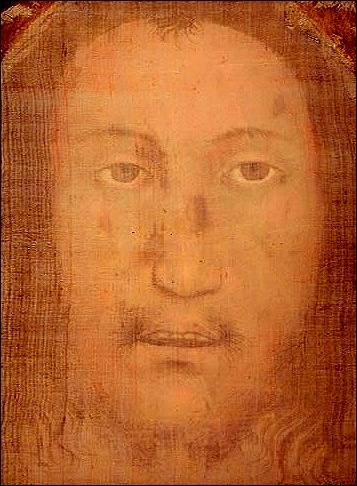
The Holy Face of Manoppello
Manoppello, AbruzzoDocumented in Manoppello from 1506; claimed older
A translucent cloth in a Capuchin church, visible from both sides, bearing a living face that some identify with the Veil of Veronica or the burial face-cloth (sudarium). Benedict XVI visited it in 2006. No decree of authenticity.
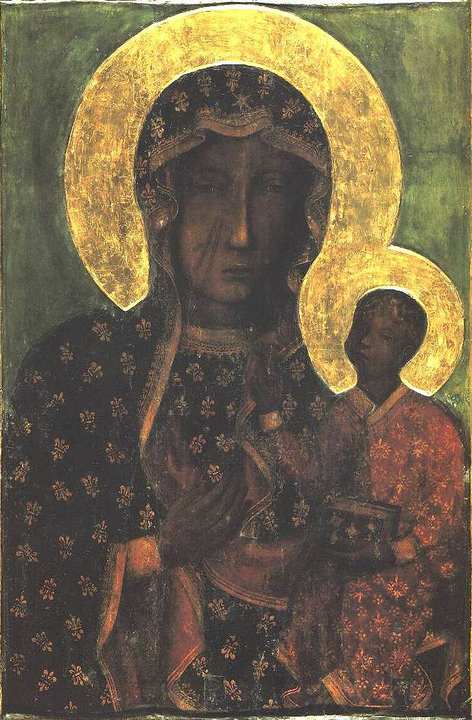
Our Lady of Częstochowa
CzęstochowaAt Jasna Góra from 1382; tradition much older
A darkened icon of Mother and Child, slashed on the cheek, which Poland credits with the defense of the monastery in 1655 and with the nation’s soul. Not “not made by hands,” but treated as a wonder-working presence.
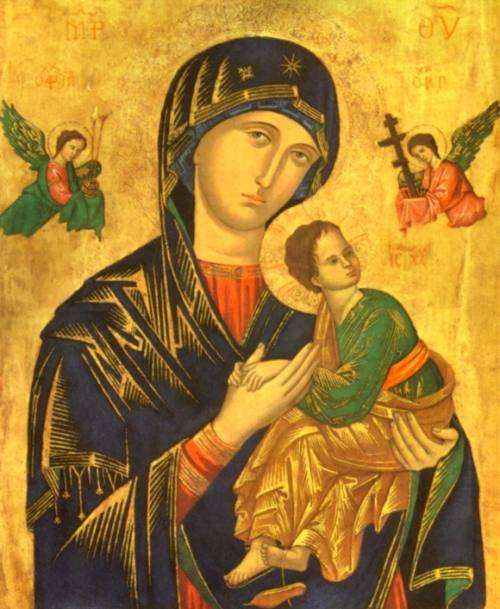
Our Lady of Perpetual Help
Church of St. Alphonsus, RomeCretan icon, 15th c.; in Rome from 1499
A Cretan icon of Mother and Child, the Child’s sandal falling as he sees the instruments of the Passion. Entrusted by Pius IX to the Redemptorists to be made known everywhere.
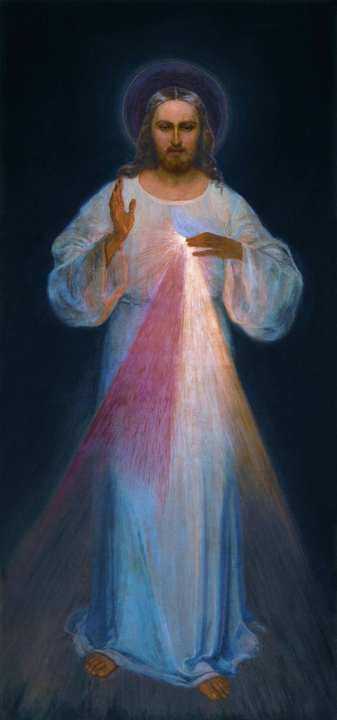
The Divine Mercy Image
Płock, then Vilnius1931 (vision) · 1934 (first painting)
Jesus appears to St. Faustina Kowalska and asks for an image: one hand raised in blessing, the other touching the heart, two rays — pale and red — and the signature “Jesus, I trust in You.” The devotion was once suppressed, then became a universal feast.
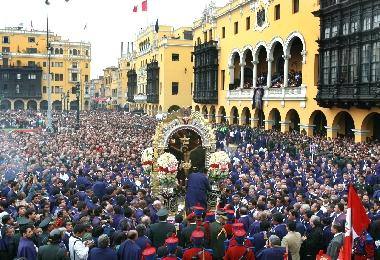
The Lord of Miracles
LimaPainted c. 1651; wonders from 1655
An Angolan slave paints Christ crucified on a wall in Lima’s Pachacamilla. Earthquakes level the district; the wall stands. A city in purple processes behind the image every October.
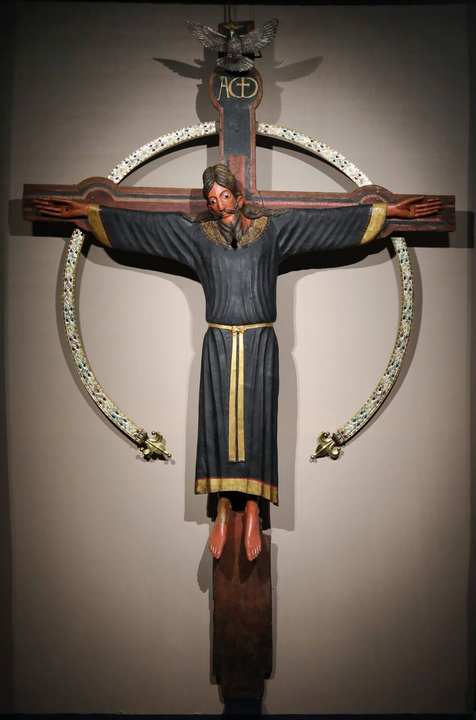
The Volto Santo of Lucca
LuccaIn Lucca by the 8th century
A monumental wooden crucifix with a clothed, living Christ, said to have been carved by Nicodemus and to have arrived by riderless ship. For medieval Europe, this was the Holy Face.
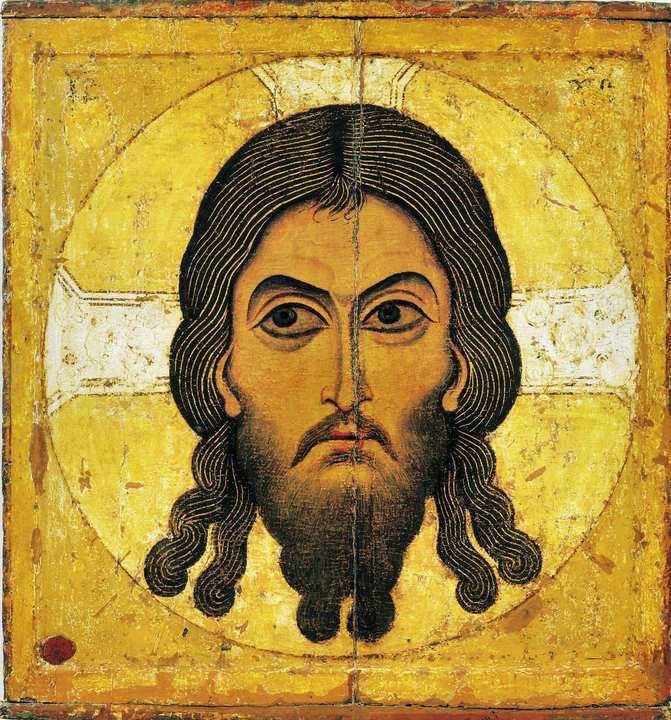
The Mandylion of Edessa
Edessa (Şanlıurfa), then ConstantinopleReported in Edessa by 544; tradition of King Abgar
The prototype of every “image not made by hands”: Christ’s face on a cloth, sent to King Abgar of Edessa. The original disappears in the sack of 1204. The idea of it built the Christian icon.
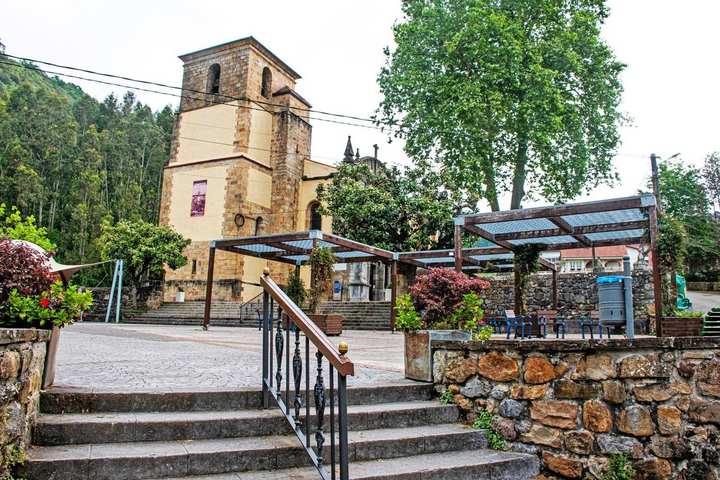
The Christ of Limpias
Limpias, Cantabria1919
A baroque crucifix in a parish church is reported, by hundreds of people of mixed education, to sweat, change expression, and move its eyes. Rome never approved a miracle. The crucifix is still there.
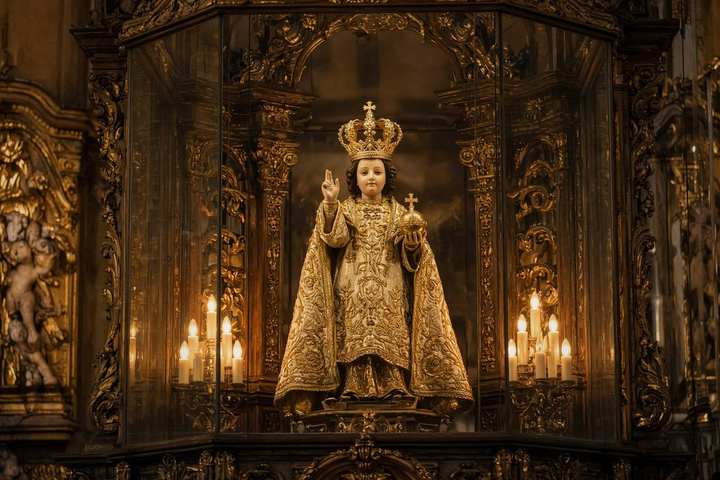
The Infant Jesus of Prague
Our Lady Victorious, PragueIn Prague from 1628
A small Spanish wax-and-wood Child, given to the Discalced Carmelites, dressed in royal robes, famous for favors to the poor and to families. Not a walking statue — a school of spiritual childhood.
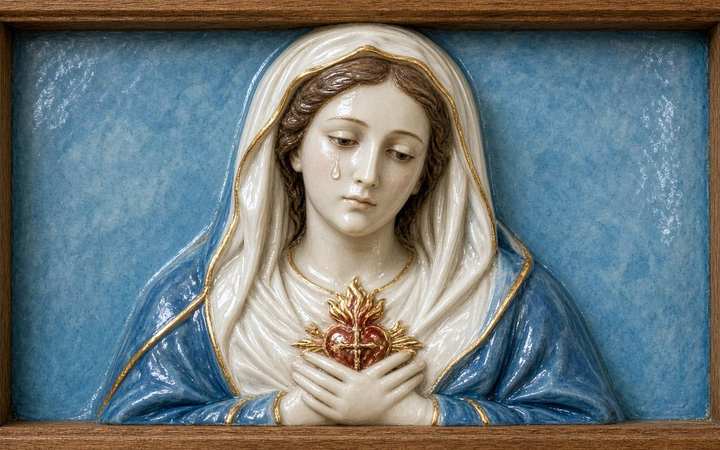
The Weeping Madonna of Syracuse
Syracuse, Sicily29 August – 1 September 1953
A cheap plaster plaque in a worker’s apartment sheds human tears for four days. A commission, scientists, and the bishops of Sicily take depositions. Pius XII spoke of it. A vast basilica now stands over the site.
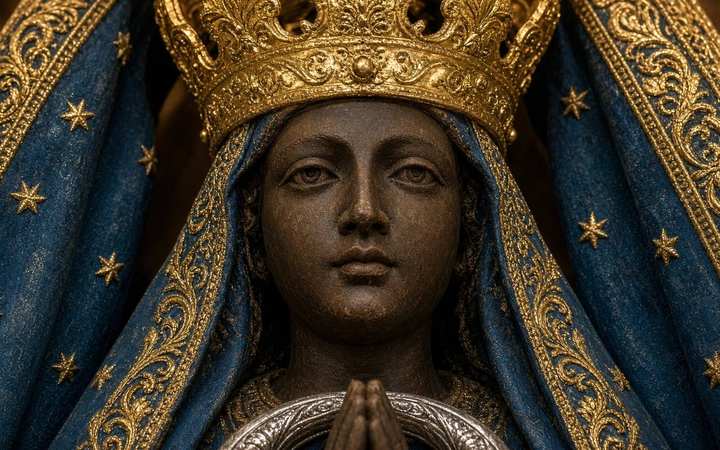
Our Lady of Aparecida
Paraíba River, then Aparecida1717
Three fishermen, catching nothing, net a small, mud-dark broken statue of the Immaculate Conception — first the body, then the head — and then a haul of fish. She is the patroness of Brazil.
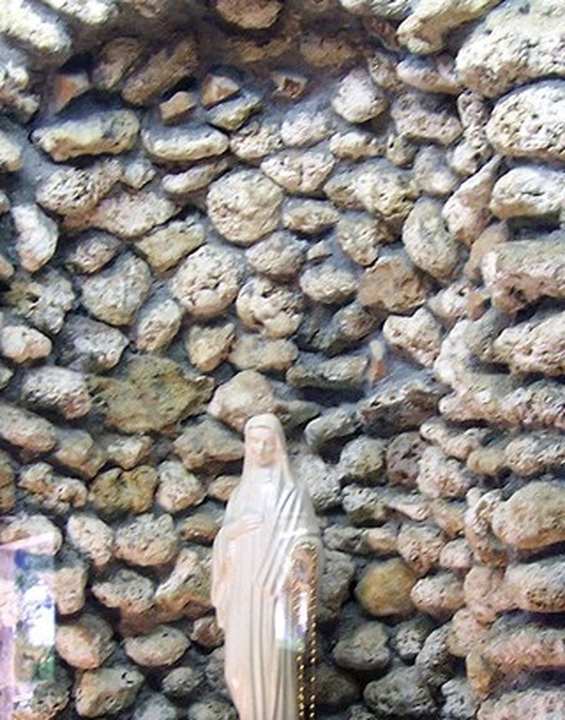
The Madonna of Civitavecchia
Pantano, Civitavecchia2 February 1995
On 2 February 1995, at about 16:20, in a garden at Pantano on the edge of Civitavecchia, a five-year-old girl named Jessica Gregori stopped in front of a plaster statue forty-two centimetres high and called to her father. Blood, she said, was coming from its eyes. Over the next six weeks the same object was reported to weep fourteen times — in the garden, in the house, and at last in a bishop’s hands. A CAT scan at the Gemelli hospital found no device inside the plaster. Two forensic professors named the first stains as human blood, male. John Paul II later blessed a gold crown and a rosary for the figure. Rome has never declared a miracle. The statue is still in a glass case at Sant’Agostino.
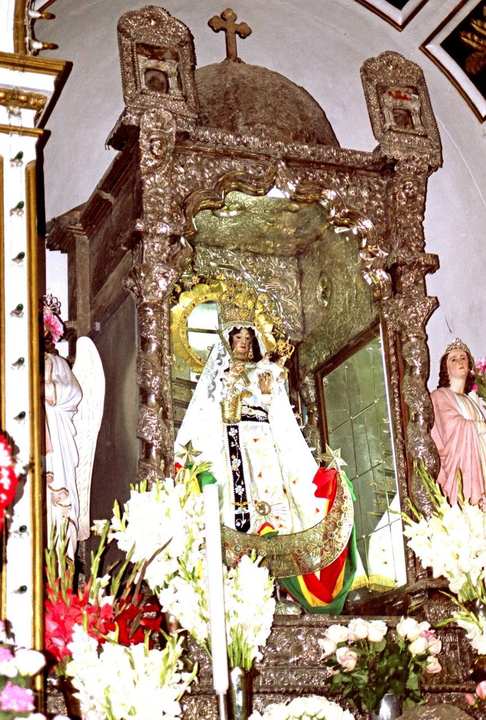
Our Lady of Copacabana
Copacabana, Lake Titicaca1583
Francisco Tito Yupanqui, an Inca descendant, carves a dark Madonna for a sanctuary on the lake that had been a place of Andean cult. Healings and a nation’s devotion follow.
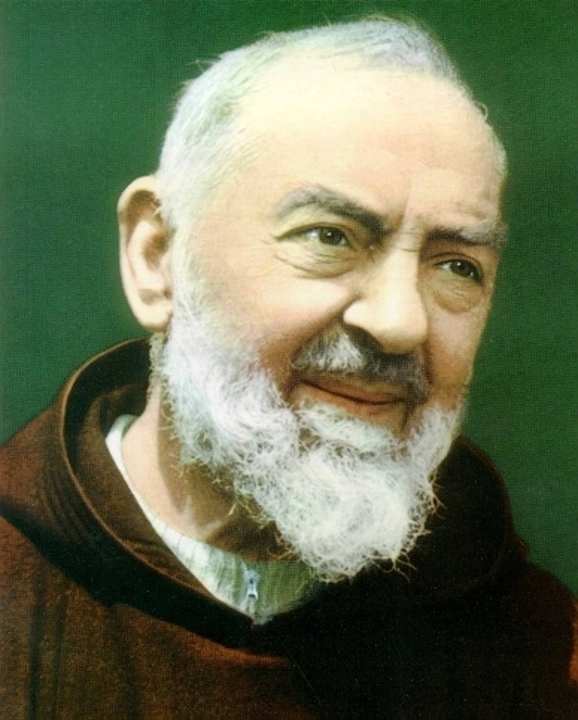
St. Pio of Pietrelcina
San Giovanni RotondoStigmata 1918; died 1968
A Capuchin friar who bore the five wounds of Christ for fifty years, heard confessions for ten hours a day, and was accused, banned, filmed, loved, and finally canonized. The most investigated mystic of modern times.
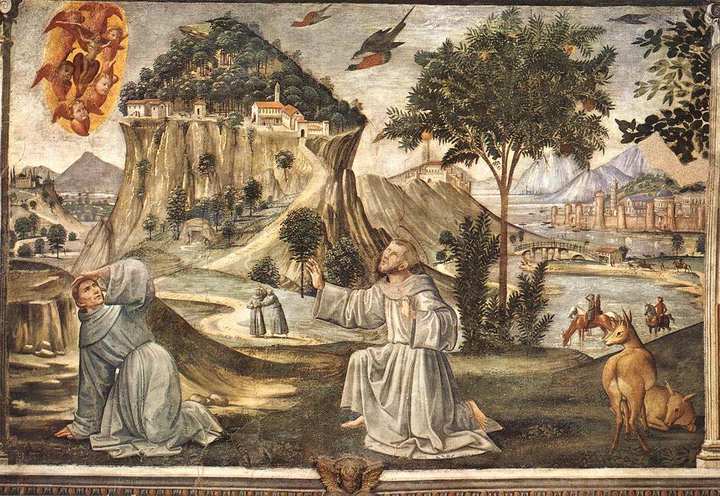
The Stigmata of St. Francis
La Verna, TuscanySeptember 1224
Two years before his death, Francis of Assisi receives the wounds of the Crucified on the mountain of La Verna — the first widely attested stigmata in Catholic history, and the pattern for all later ones.
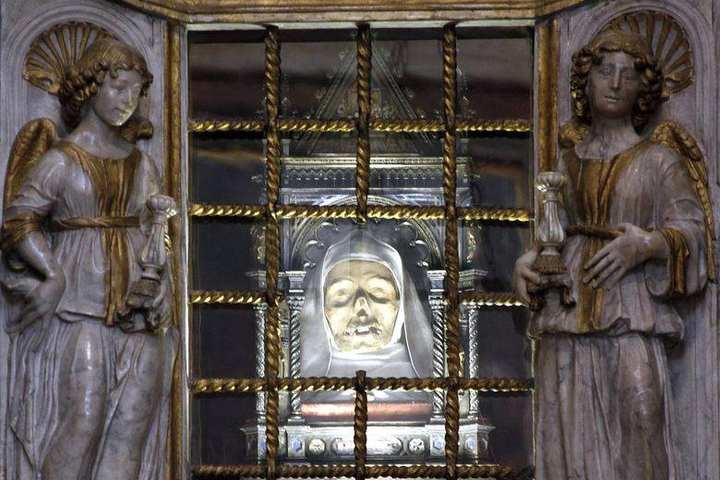
St. Catherine of Siena
Siena and RomeStigmata 1375; died 1380
A Dominican tertiary, mystic, and Doctor of the Church who received invisible stigmata, lived on the Eucharist for long periods, and told a pope to go home to Rome — and was obeyed.
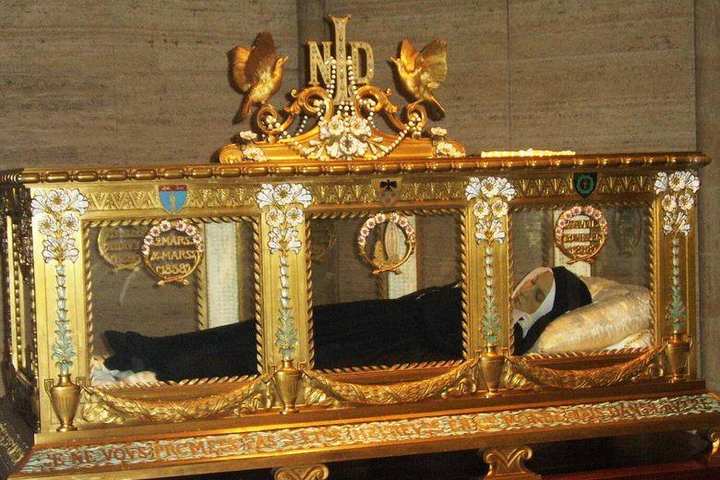
The Body of St. Bernadette
NeversDied 1879; exhumed 1909, 1919, 1925
Bernadette Soubirous died at thirty-five in the convent at Nevers, still ill, hidden on purpose. For the cause of her beatification the coffin was opened in 1909, 1919 and 1925. The body was intact. A light wax covers the face and hands now, which the Church does not deny. She lies in the chapel of Saint-Gildard. The girl who asked not to be looked at is looked at by the world.
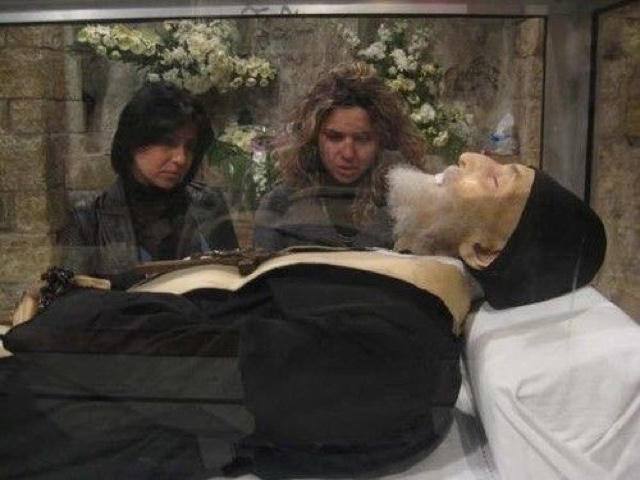
St. Charbel Makhlouf
Annaya, Mount LebanonDied 1898; phenomena ongoing
A Maronite hermit, silent in life, whose tomb ran with a blood-like moisture for decades, whose body was found intact, and whose intercession is tied to a stream of reported healings that made him a saint of both East and West.
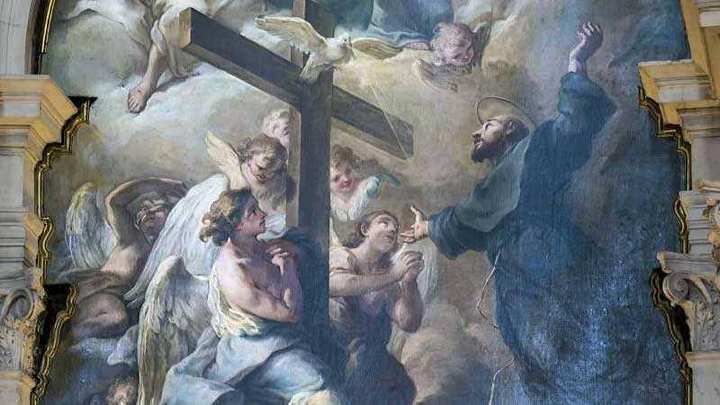
St. Joseph of Cupertino
Cupertino, Assisi, OsimoLevitations c. 1630–1663
A Conventual Franciscan of limited academic gifts, whose ecstasies included public levitations so frequent that his superiors hid him. Witnesses include cardinals, a pope’s circle, and annoyed friars.
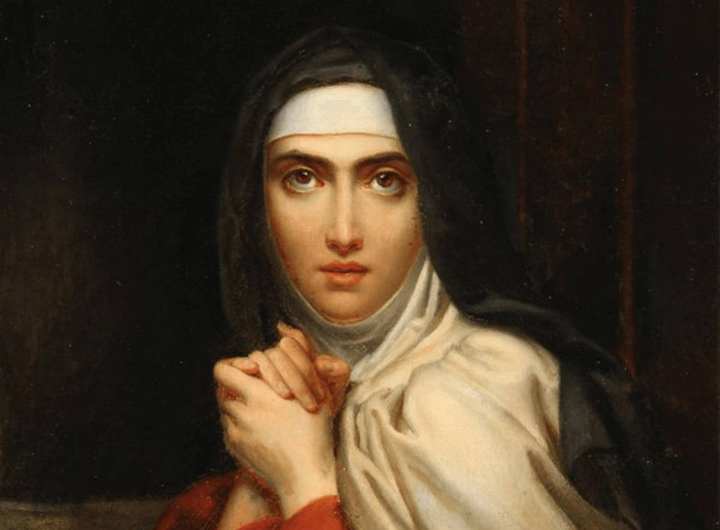
St. Teresa of Ávila
ÁvilaReform from 1562; died 1582
Carmelite reformer, Doctor of the Church, whose Interior Castle maps prayer, and whose friends saw her lifted from the ground against her embarrassment. She told them to hold her down.
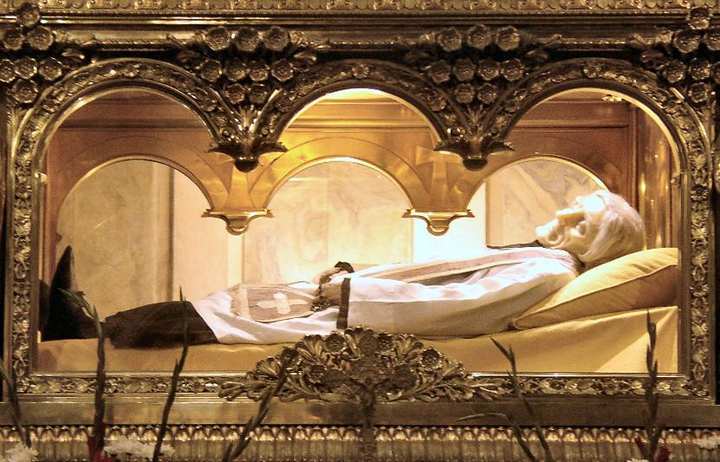
St. John Vianney
Ars-sur-FormansDied 1859
A poorly educated parish priest who turned a forgotten village into the confessional of France. Nights of diabolic harassment, a multiplying of food, knowledge of consciences, and a body still shown at Ars.
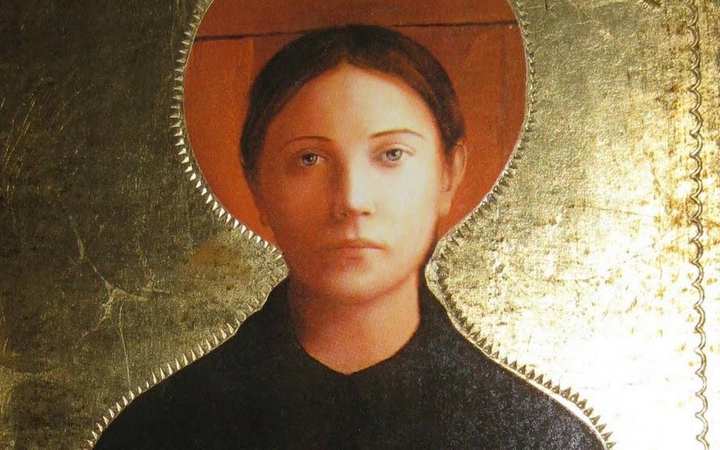
St. Gemma Galgani
LuccaStigmata 1899; died 1903
A young laywoman, orphaned, ill, refused by a convent, who received the stigmata on Thursday evenings and the visible marks of the scourging, and who died at twenty-five. Photographed, confessed, canonized.
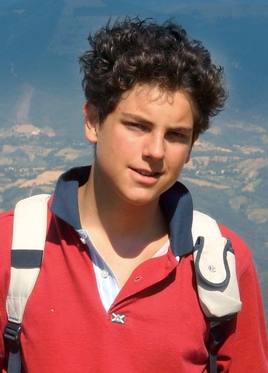
St. Carlo Acutis
Milan; buried at AssisiDied 2006; canonized 2025
A teenager who coded a website of Eucharistic miracles, went to Mass daily, and died of leukemia at fifteen. The first millennial saint — and the reason many people first learned that Lanciano and Bolsena exist.
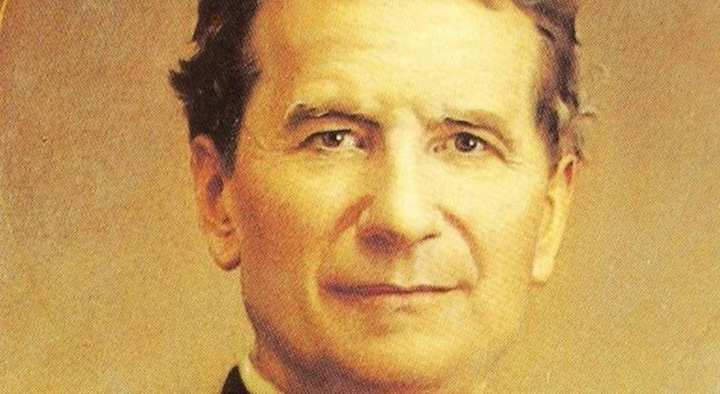
St. John Bosco
TurinDied 1888
Priest of street boys, founder of the Salesians, whose dreams — the two columns, the wolves turned lambs — guided an order, and whose life accumulated healings, multiplying chestnuts, and a reputation for reading the future of his boys.
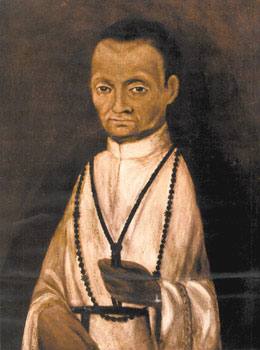
St. Martin de Porres
LimaDied 1639
A Dominican brother, son of a Spanish noble and a freed Black woman, barred from full priesthood by race, whose life in Lima was a cascade of healings, bilocation, and a rapport with animals that hagiography cannot quite make ordinary.
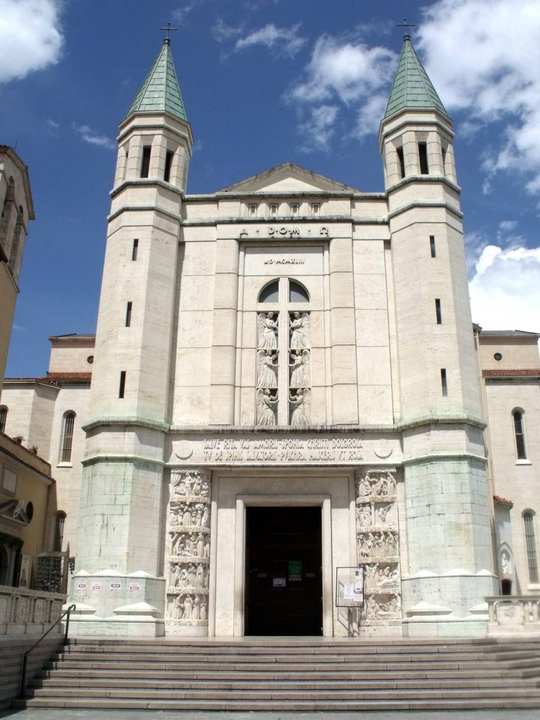
St. Rita of Cascia
CasciaDied 1457
Wife, mother, widow, Augustinian nun. A thorn-wound in her forehead for fifteen years; roses and figs in January at her death; a body still shown. Patron of impossible cases.
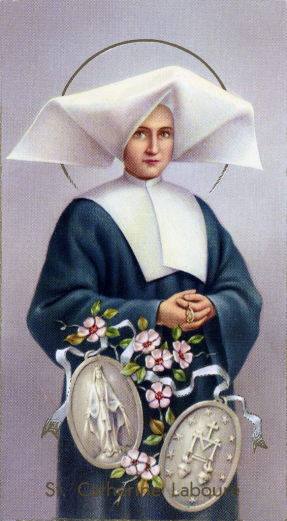
The Body of St. Catherine Labouré
Rue du Bac, ParisDied 1876; found intact 1933
The seer of the Miraculous Medal dies unknown. At her beatification exhumation the body is intact, the eyes still blue. She lies under the altar in the chapel where Mary came.
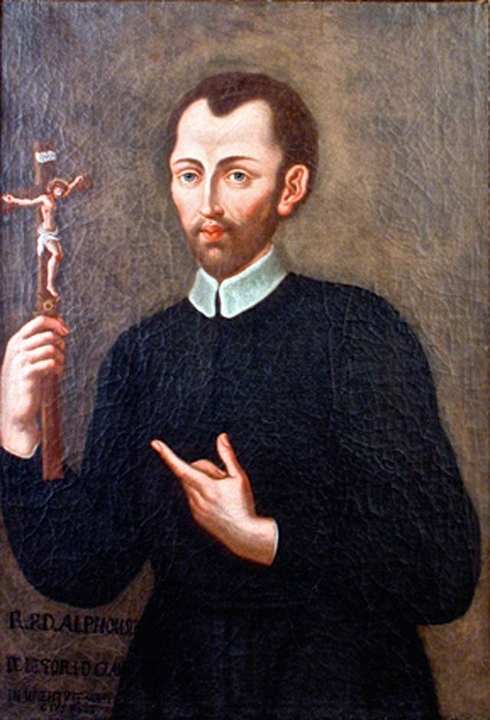
St. Alphonsus Liguori’s Mass in Arienzo
Arienzo / Rome21 September 1774
The founder of the Redemptorists, old and immobilized in Arienzo, is seen in the papal palace at the death of Clement XIV, and returns to his chair. One of the most cited bilocations in a canonization process.
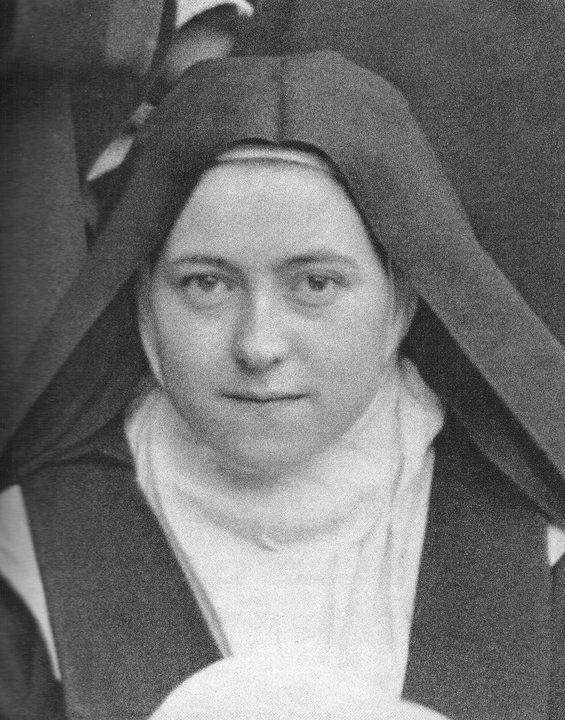
St. Thérèse of Lisieux
Lisieux, Normandydied 1897; canonized 1925
A Carmelite who died at twenty-four, promised a shower of roses, and was named a Doctor of the Church for a little way of trust that has sent more people to holiness — and to Lisieux — than any treatise.
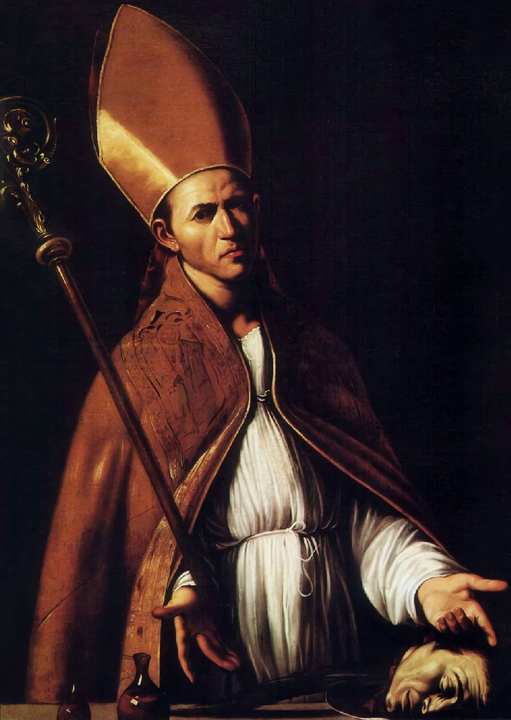
The Blood of St. Januarius
NaplesFirst recorded liquefaction 1389; martyr c. 305
A sealed vial of dark, solid matter, kept in the cathedral of Naples, becomes liquid several times a year in the sight of a packed church. It has done this for centuries. No one has a laboratory-complete explanation that the city accepts.
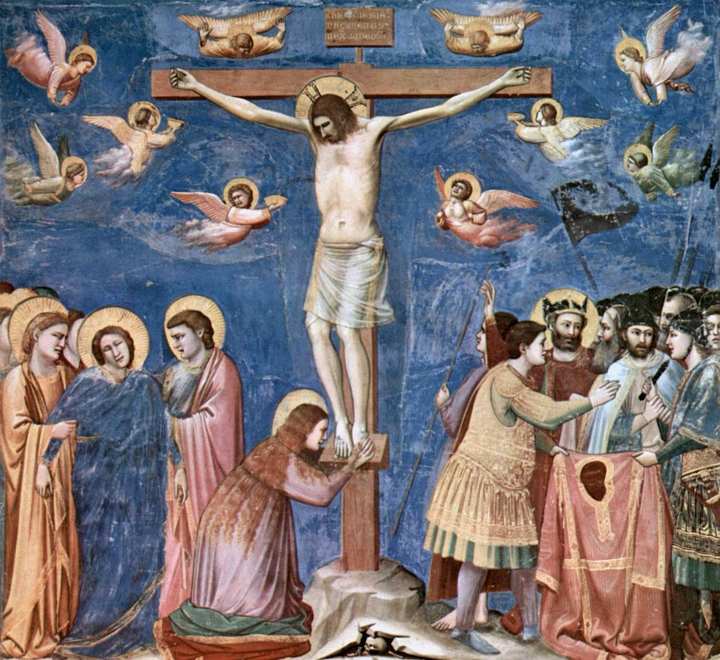
The True Cross
Jerusalem, then the whole ChurchTradition: 326
St. Helena, mother of Constantine, is said to have found the wood of the Cross on Golgotha. Fragments were scattered across Christendom. The Church honors the Cross as instrument of salvation; the Church does not carbon-date every splinter.
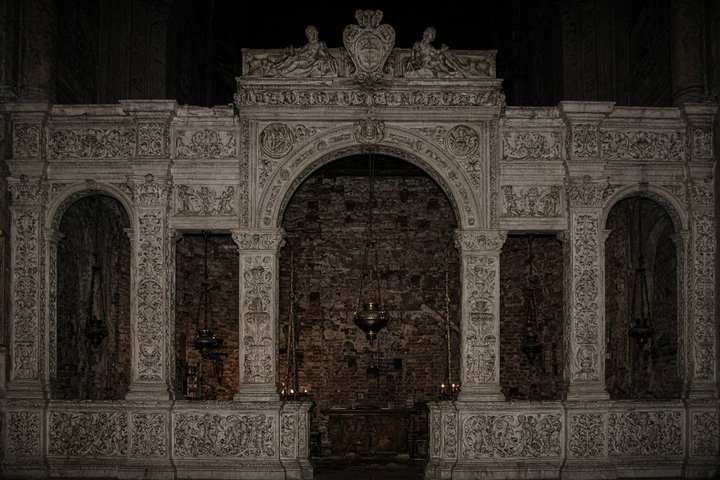
The Holy House of Loreto
LoretoTradition: arrived 1294
A small stone house, now inside a basilica, claimed to be the house of the Holy Family, carried from Nazareth by angels — or, as later historians prefer, by the princely family of Angeli. Popes have piled privileges on it. Archaeologists argue.
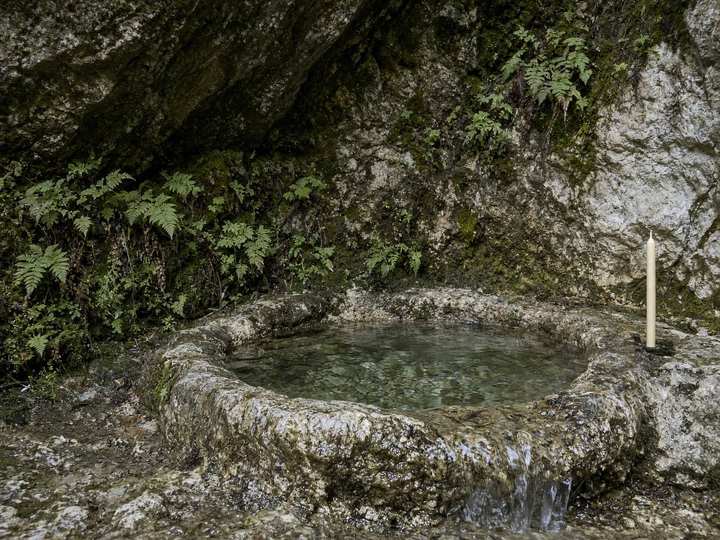
The Miracle of Calanda
Calanda, Aragon29 March 1640
A young man’s right leg is amputated below the knee. Two and a half years later, after he anoints the stump with oil from Our Lady of the Pillar, he wakes with two legs. The hospital, the surgeon, the town, and a royal court take evidence.
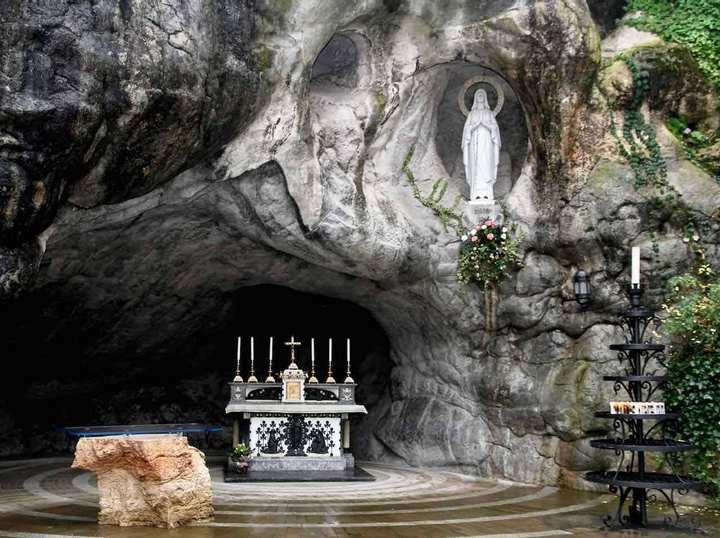
The Healings of Lourdes
Lourdes1858 – present
From the first week of the apparitions, people who came to the spring were healed. The Church did not throw a feast. The Church built a medical office. Of more than seven thousand files, seventy-two cures have been named miraculous. The latest was proclaimed in 2025. The rest of the sick go home still ill, and many of them say the journey was the gift.
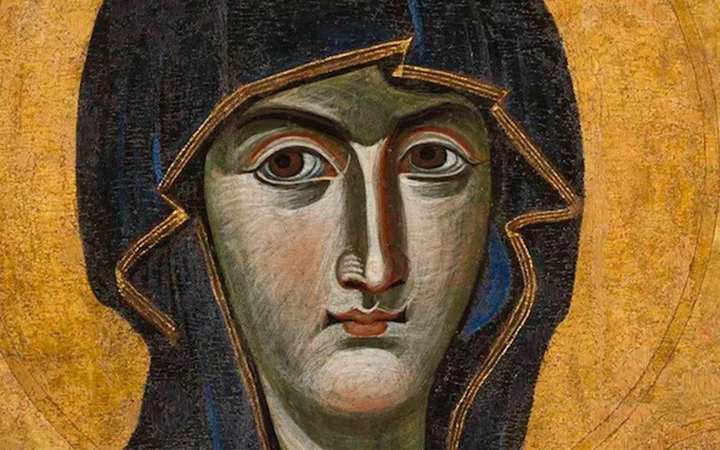
Our Lady of the Snows
Esquiline Hill, RomeTradition: 5 August 358
A childless Roman couple vow their fortune to Mary. On a hot August night, snow falls on the Esquiline in the shape of a church. The basilica of St. Mary Major stands there.
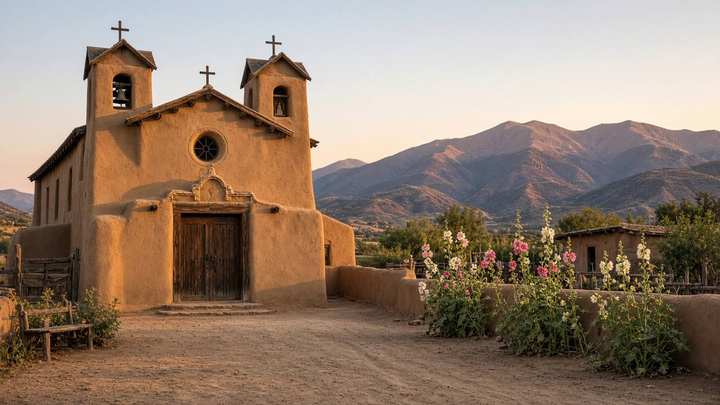
El Santuario de Chimayó
Chimayó, New Mexicoc. 1810
A frontier chapel in a valley of the Sangre de Cristo, where a hole in the floor yields “tierra bendita” — holy dirt — that generations of Catholics (and others) have used in prayer for healing. Rome has not listed certified miracles; the road on Good Friday is a miracle of feet.
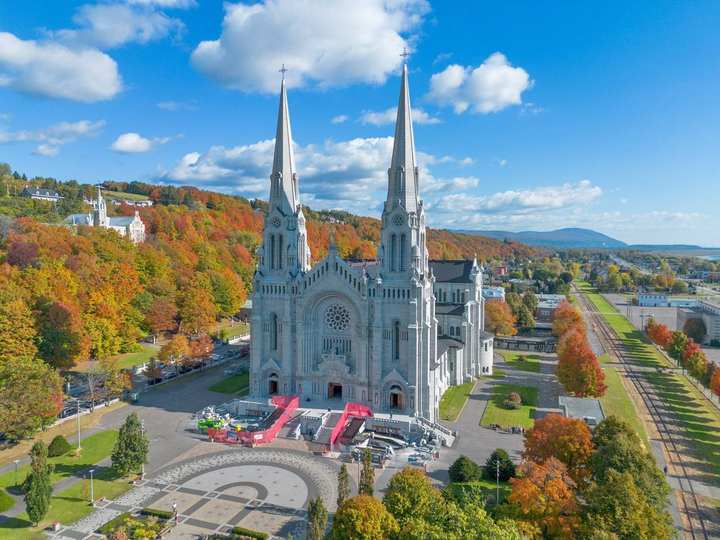
Sainte-Anne-de-Beaupré
Beaupré, Québec1658 – present
Canada’s oldest pilgrimage. A workman with a crippled back is said to have been healed as he laid the first stones of a chapel to St. Anne. The basilica’s pillars of crutches are the Canadian cousin of Lourdes.
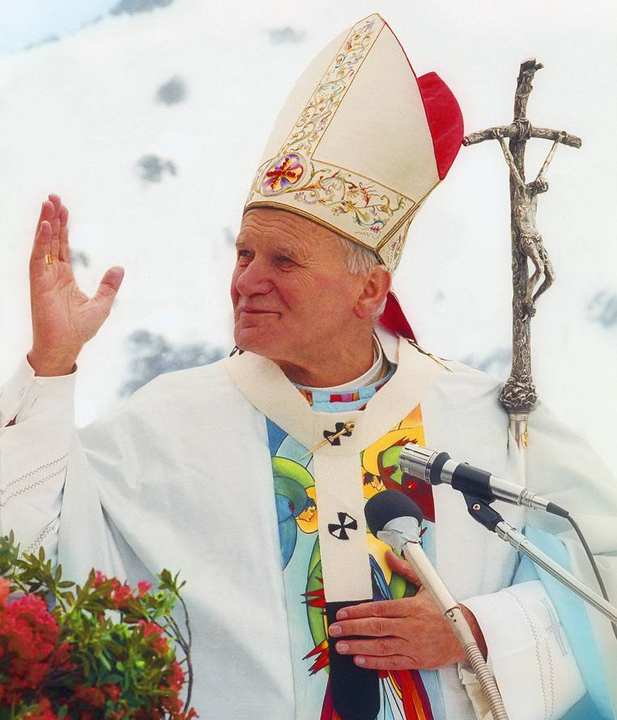
The Canonization Miracles of St. John Paul II
Costa Rica / Italy2011 and 2013 (recognized healings)
A pope who died in public is raised to the altars on the back of two classical medical miracles: Floribeth Mora Díaz’s otherwise hopeless brain aneurysm, and a French nun’s Parkinson’s disease — the illness that had been his own.
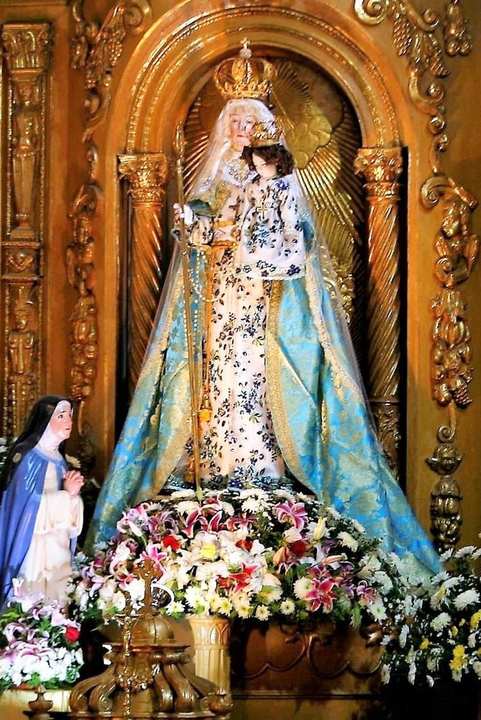
Our Lady of Good Success
Quito1594–1634
Mother Mariana de Jesús Torres, a Conceptionist nun, reports lengthy apparitions of Mary as “Good Success,” with prophecies about a later, corrupted age. A statue still stands in the choir. The diocese has permitted the cult of the image; the prophecies are more contested in popular retellings than in the archives.
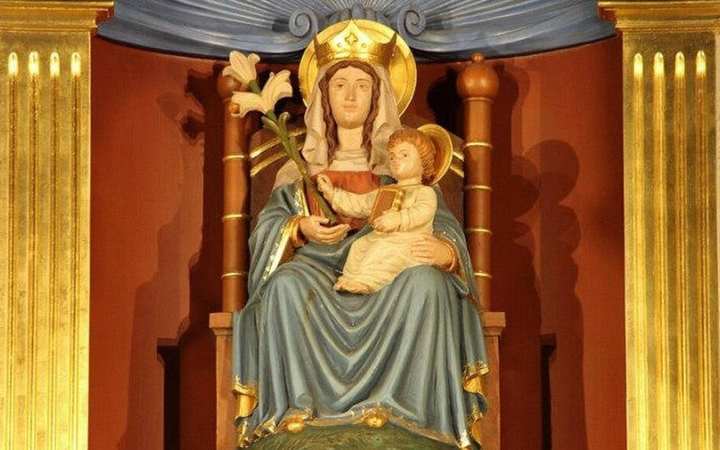
Our Lady of Walsingham
Walsingham, NorfolkTradition: 1061
Richeldis de Faverches is said to have been asked, in a vision, to build a replica of the Holy House. Medieval England made it one of Europe’s great pilgrimages. Henry VIII wrecked it. The twentieth century quietly put it back.
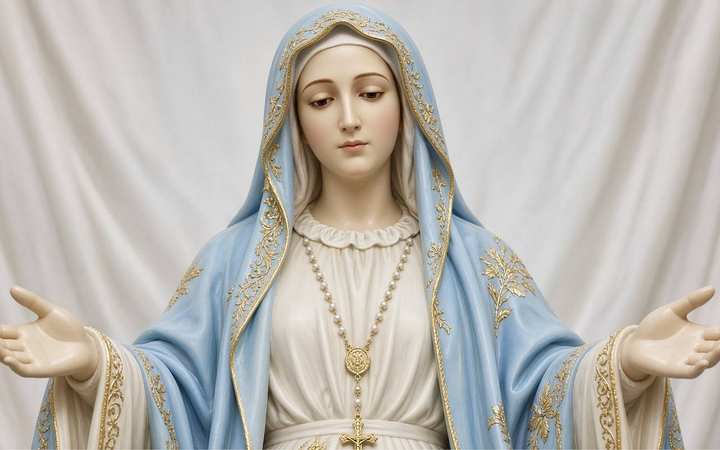
Our Lady of Betania
Betania, near Cúa1976–1990
María Esperanza de Bianchini reports apparitions of Mary as Reconciler of all Peoples and Nations. In 1984 many visitors claim to see Mary. Bishop Pío Bello Ricardo declared the apparitions authentic in 1987.
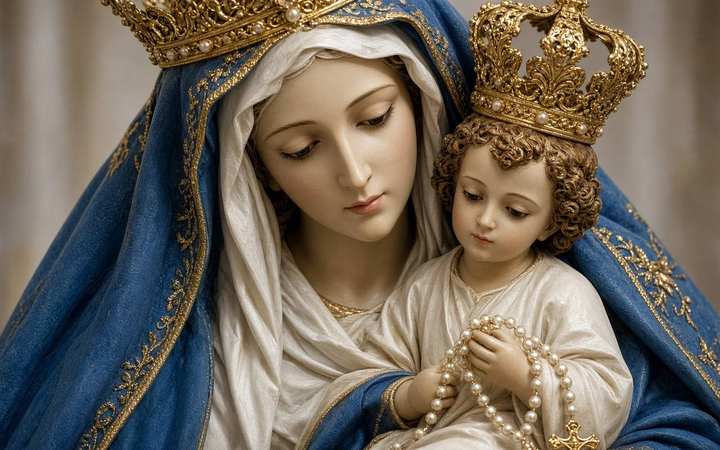
Our Lady of the Rosary of San Nicolás
San Nicolás de los Arroyos1983–1990
A housewife, Gladys Quiroga de Motta, reports apparitions and 1,800 messages centered on the rosary, Scripture, and a church to be built. In 2016 the Bishop of San Nicolás declared the apparitions worthy of belief.
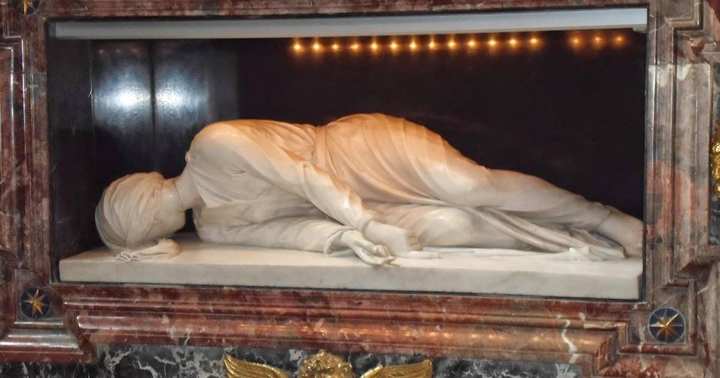
The Body of St. Cecilia
Santa Cecilia in Trastevere, RomeMartyr c. 230; tomb opened 1599
The patroness of music, found in her tomb in 1599 lying as if asleep. Stefano Maderno carved the marble you still see — the cut in the neck, the turned face — swearing it was how the body lay.
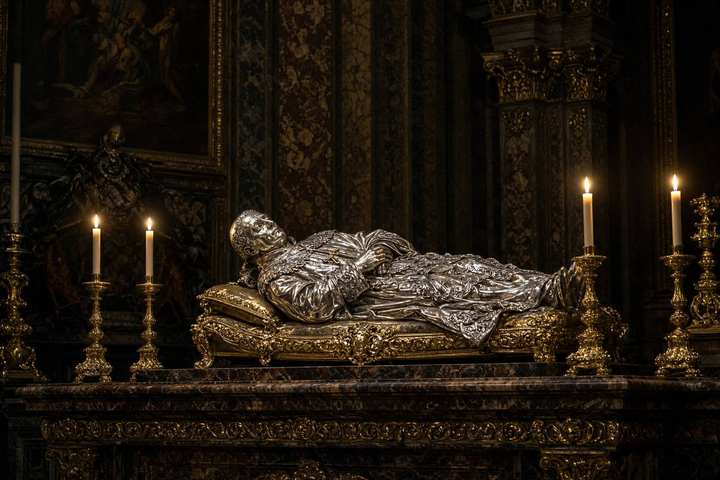
The Heart of St. Vincent de Paul
Chapel of the Vincentians, Rue de Sèvres, ParisDied 1660; relics in Paris
The apostle of charity. His bones rest in a silver effigy above the altar; his heart is kept apart, long described as unusually preserved. Pilgrims come for the man who invented the parish poor as a vocation.
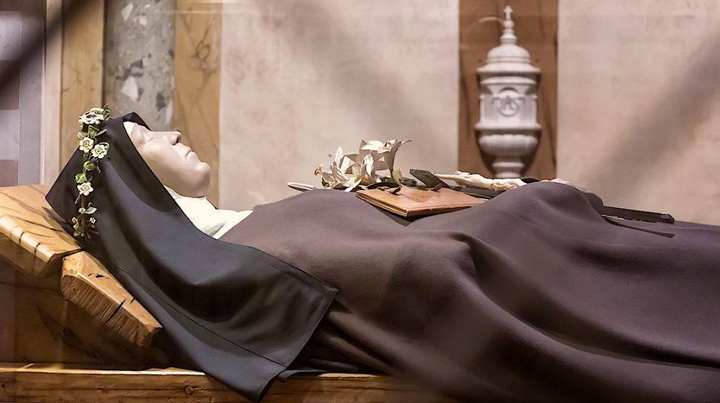
The Body of St. Clare of Assisi
Basilica of St. Clare, AssisiDied 1253; found 1850
Francis’s first sister. In 1850 her tomb under the high altar was opened and the body found entire. She lies in the crypt at San Giorgio, dressed, the face later given a wax covering for dignity.
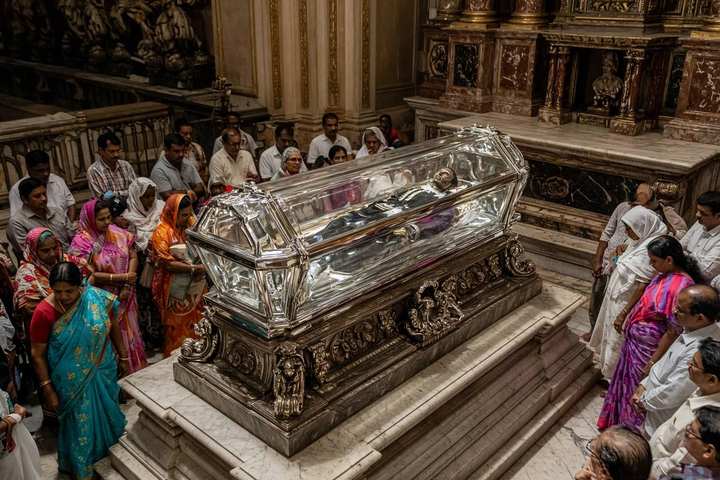
The Body of St. Francis Xavier
Basilica of Bom Jesus, Old GoaDied 1552; body in Goa
The Jesuit missionary dies on Shangchuan Island. Lime is poured in the coffin to speed decay for a later transfer. Months later the body is found fresh. It has lain in Goa for centuries, reduced by relic-taking, still exposed on feast days.
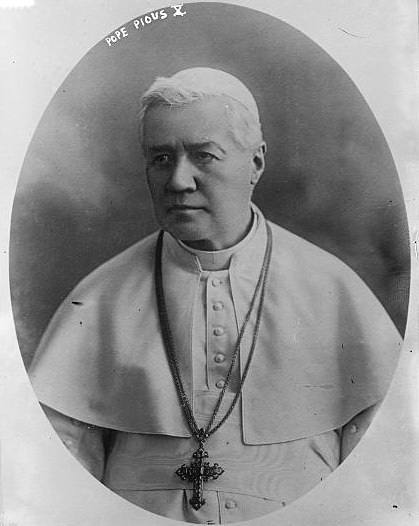
The Body of St. Pius X
St. Peter’s Basilica, VaticanDied 1914; exhumed 1944
The pope of frequent Communion and of Pascendi. Exhumed in 1944, the body was found in a remarkable state of preservation. He lies under an altar in the Presentation chapel, the face a silver mask.
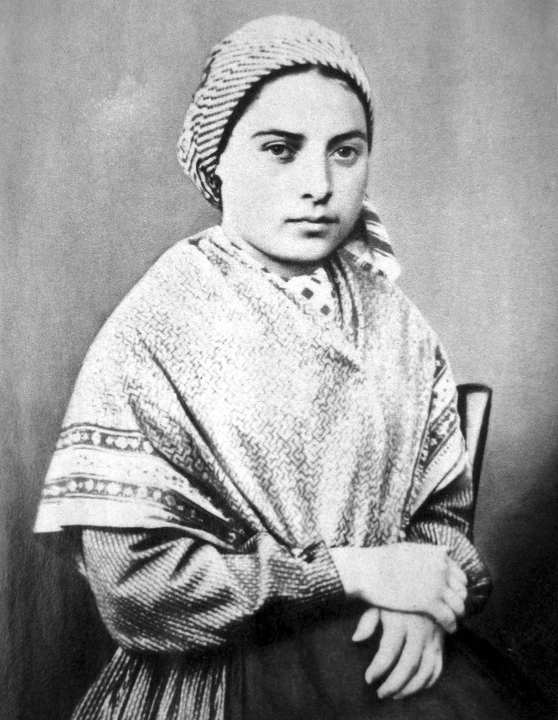
St. Zita of Lucca
San Frediano, LuccaDied 1278; still shown in Lucca
A servant. That is the whole vocation. Bread for the poor from a household that was not hers; a life of kitchens and early Mass. Her body has been shown in Lucca for centuries, naturally mummified, dressed as a maid.
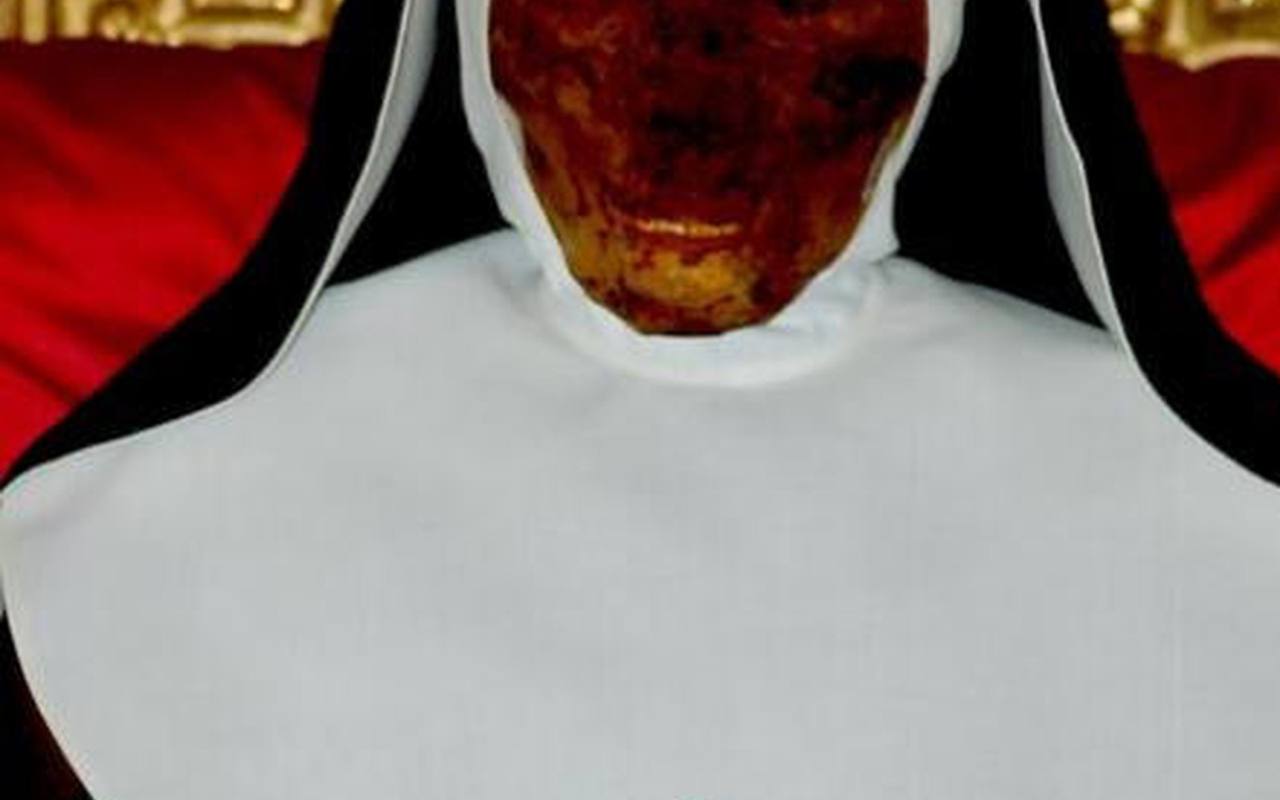
St. Catherine of Bologna
Corpus Domini, BolognaDied 1463; enthroned 1500s
Poor Clare, painter, mystic, writer of the Seven Spiritual Weapons. Her body, found flexible and intact, has sat upright in a golden chair for five centuries. You meet her face to face.
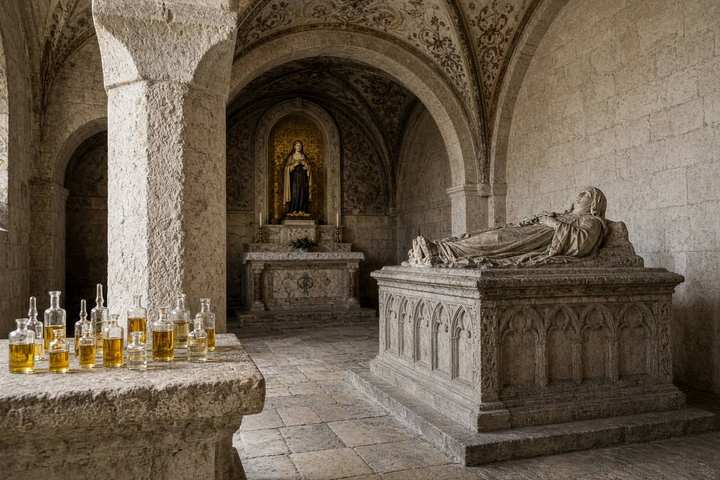
The Oil of St. Walburga
EichstättDied 779; oil still collected
An English abbess in Germany. From the rock around her relics a liquid has been collected for centuries — Walburgisöl — used as a sacramental of healing. The body itself was found intact in the ninth century.
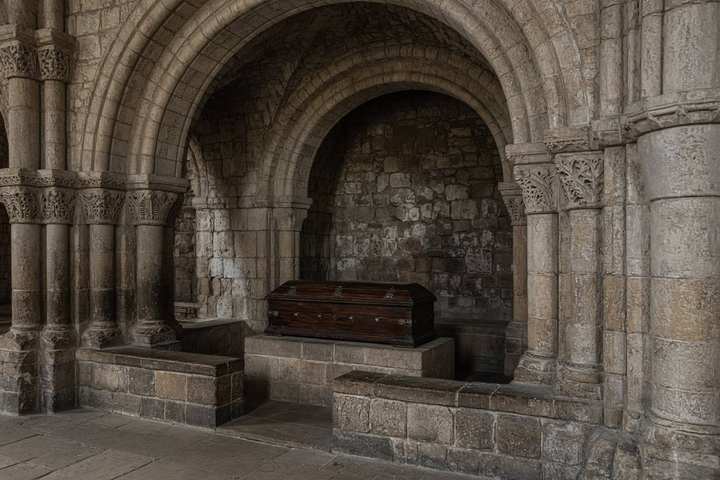
The Body of St. Cuthbert
Durham CathedralDied 687; found intact 698 and 1104
The bishop of Lindisfarne, buried on his island, found incorrupt eleven years later, carried across Northumbria from the Vikings, opened again at Durham in 1104 still described as entire. The coffin, the stole, the pectoral cross remain.
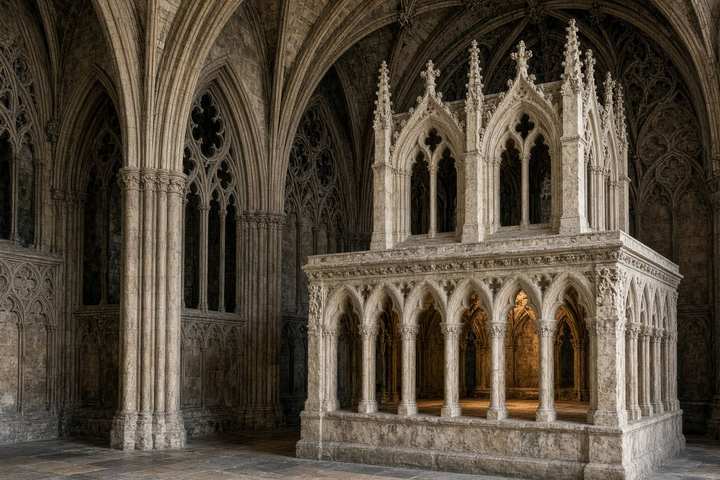
St. Etheldreda of Ely
Ely CathedralDied 679; found intact 695
A queen who walked away from a throne to be a nun. Sixteen years after her death the abbess-sister Sexburga raises the body and finds it uncorrupted, the surgical wound of her last illness closed. Bede records it.
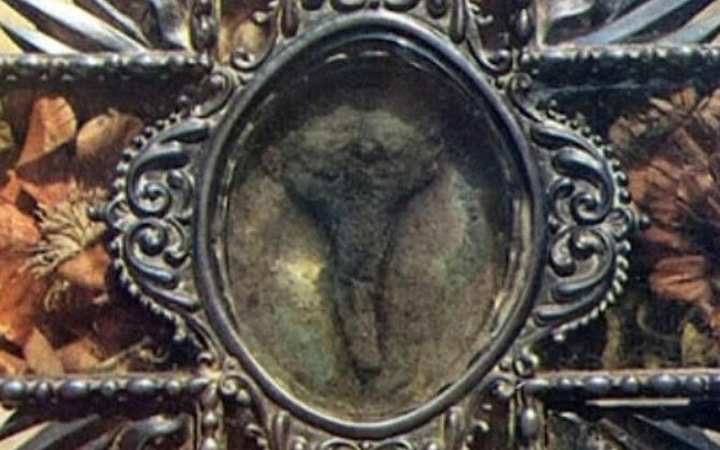
The Heart of St. Clare of Montefalco
Montefalco, UmbriaDied 1308
An Augustinian abbess who said Christ had planted his cross in her heart. At death the sisters, by her permission, open the heart and find — they swear — a crucifix and the instruments of the Passion formed in the cardiac tissue. The heart is still kept.
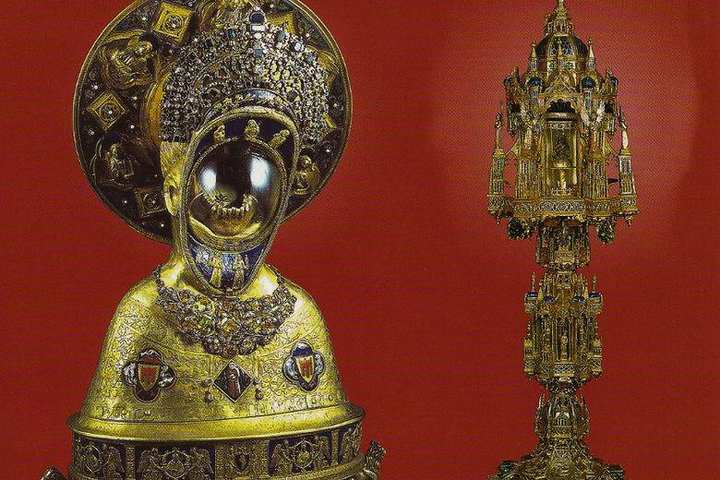
The Tongue of St. Anthony of Padua
Basilica of St. Anthony, PaduaDied 1231; tomb opened 1263
Thirty-two years after Anthony’s death, St. Bonaventure opens the tomb. The body is dust. The tongue is intact, red, as if still speaking. It is kept in a reliquary in the basilica, with the jaw and vocal apparatus.
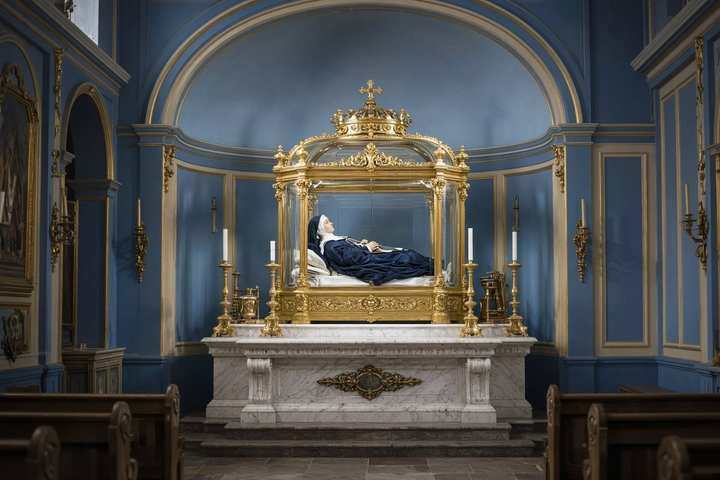
The Body of St. Louise de Marillac
Rue du Bac, ParisDied 1660
Co-founder of the Daughters of Charity with Vincent. Her body, found well preserved, lies in the chapel of Rue du Bac, across from Catherine Labouré and the chair of the apparitions.
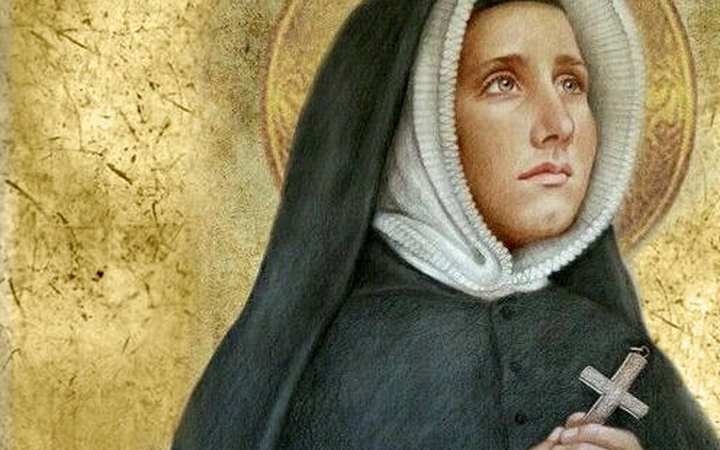
St. Madeleine Sophie Barat
Sacred Heart, Jette (Brussels)Died 1865; found intact 1893
Foundress of the Society of the Sacred Heart. Exhumed twenty-eight years after death, the body was flexible, the eyes intact. She is still shown in the chapel at Jette.
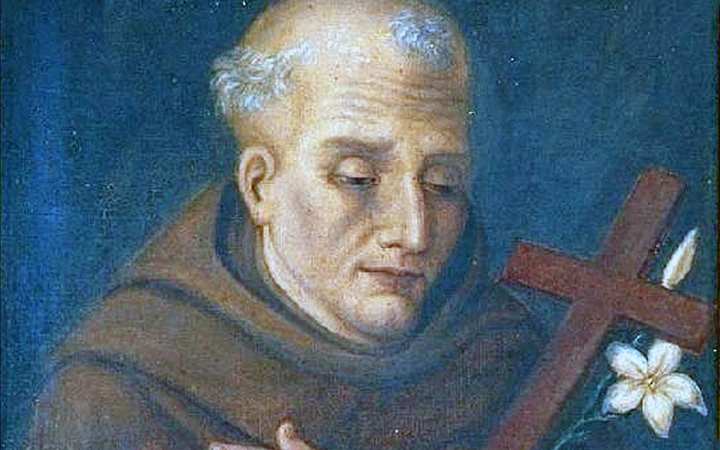
St. Pacifico of San Severino
San Severino MarcheDied 1721
A Franciscan, deaf, blind, and lame in his last years. After the beatification the relics were covered with a wax figure and laid in a glass coffin in San Severino. Healings at the tomb began at once. What you see is the wax over the relics.
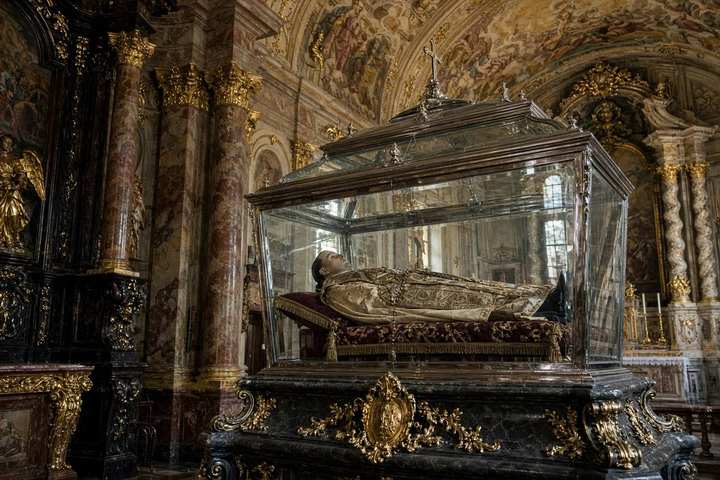
The Body of St. Andrew Bobola
Jesuit church, WarsawMartyred 1657; found intact 1730
A Jesuit missionary, tortured and killed in Janów. Seventy-three years later the body is found incorrupt, the wounds still visible. The relic has been kidnapped by history — Pinsk, Polotsk, Moscow, Rome, Warsaw — and is home again.
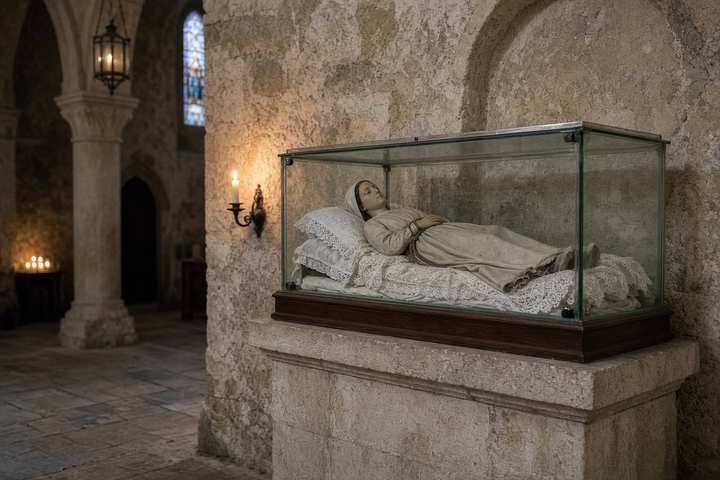
St. Germaine Cousin
Pibrac, near ToulouseDied 1601; found intact 1644
A shepherd girl, scrofulous, neglected, sleeping in the barn. Forty-three years after her death, a workman opens the church floor and finds her intact, a young body in a poor dress. She is the Zita of the fields.
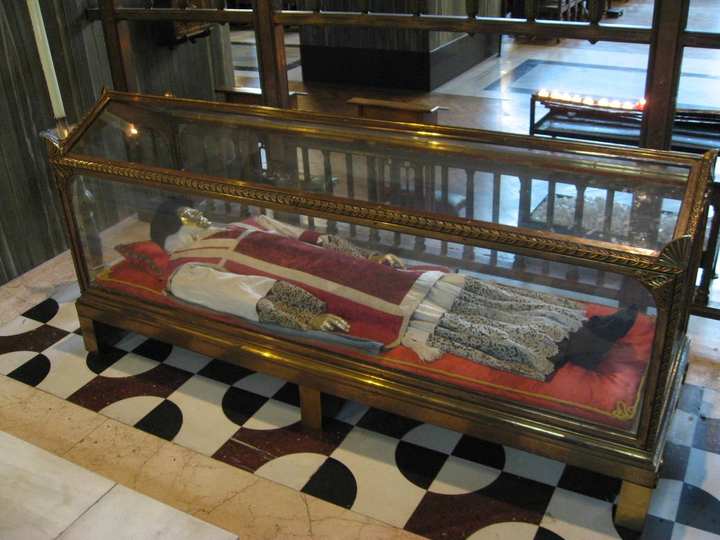
St. John Southworth
Westminster Cathedral, LondonMartyred 1654
A secular priest, hanged at Tyburn for his office. The body was bought from the executioner, smuggled to Douai, found remarkably preserved, and in 1930 brought to Westminster Cathedral, where he lies in a glass coffin in the north aisle.
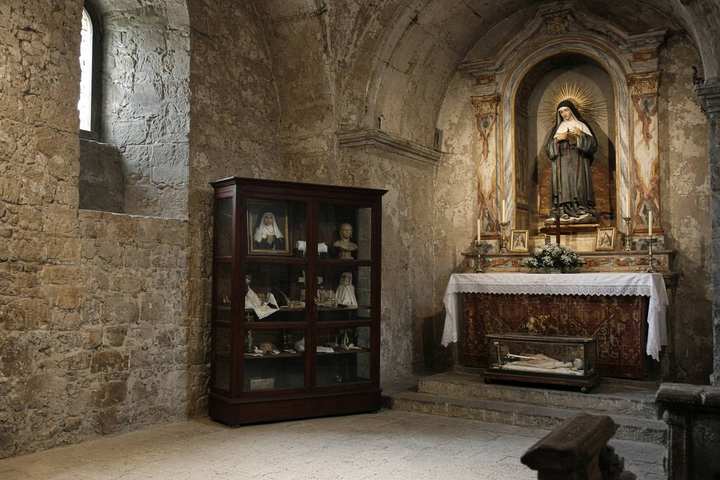
St. Veronica Giuliani
Città di CastelloDied 1727; heart examined
Capuchin Poor Clare and stigmatic. After death the bishop had the heart opened and the sisters reported the instruments of the Passion in the tissue, matching notes sealed while she lived. A flood later destroyed the body. The monastery now shows a lifelike figure holding the relics.
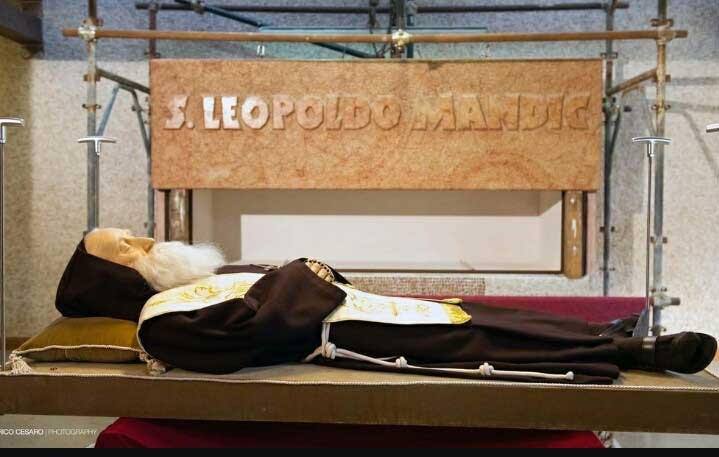
St. Leopold Mandić
PaduaDied 1942; body shown in Padua
A tiny Croatian Capuchin, hunched, who sat in a confessional in Padua for thirty years. The body, exhumed for beatification, was found intact and is now in a glass shrine in his church — a confessor who did not leave his box.
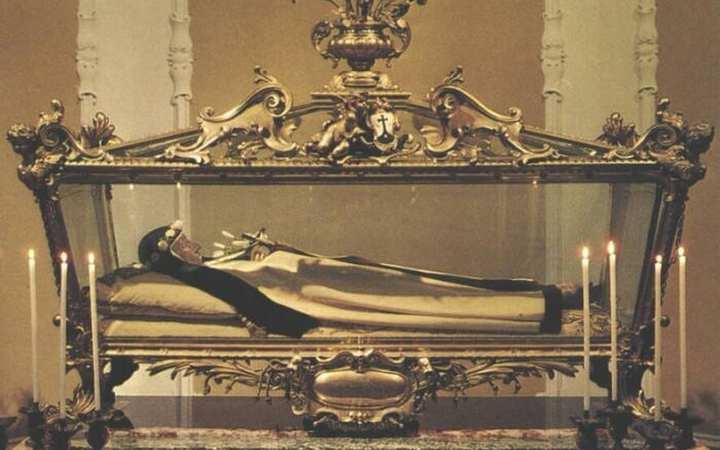
St. Teresa Margaret of the Sacred Heart
Florence, Discalced CarmelDied 1770; found intact
A Florentine Carmelite who died at twenty-two. The body remained flexible and incorrupt, the face beautiful in death, and has been shown in the Carmel of Florence.
St. Eustochia Calafato
Montevergine, MessinaDied 1485
A Poor Clare of Messina, of great austerity, whose body remains seated in the choir of her monastery — another of the sitting saints of the Italian south, intact, vested, at her place.
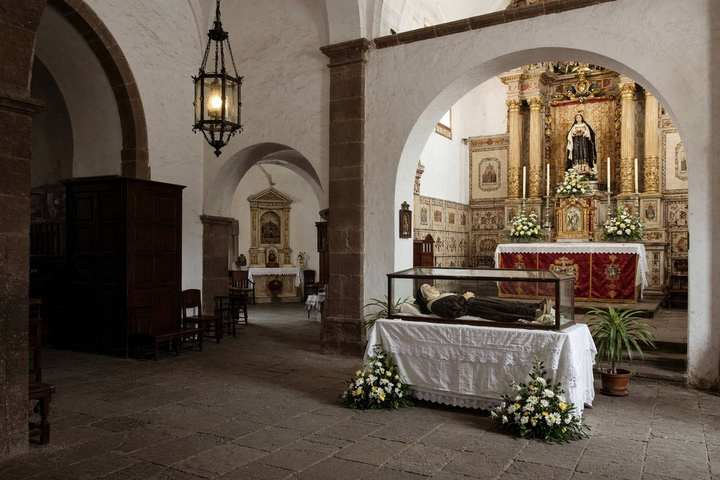
St. María de León Bello y Delgado
San Cristóbal de La Laguna, TenerifeDied 1731; still shown in La Laguna
A Dominican sister of the Canary Islands, famous for levitation, bilocation, and prophecy. Her body remains intact in the convent of Santa Catalina, one of the best-preserved in Spain, exposed every 15 February.
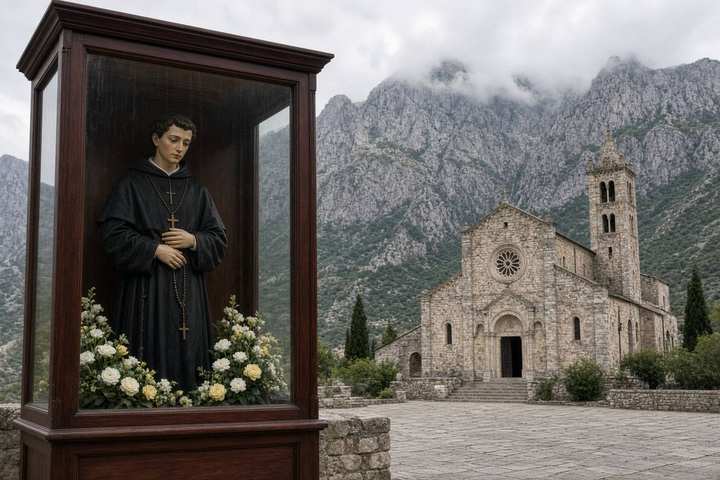
St. Gabriel of Our Lady of Sorrows
Isola del Gran SassoDied 1862; body at Isola del Gran Sasso
A Passionist student, dead at twenty-four of tuberculosis, whose body was found preserved and is kept in the sanctuary at Isola. Patron of youth, of students, of Abruzzo.
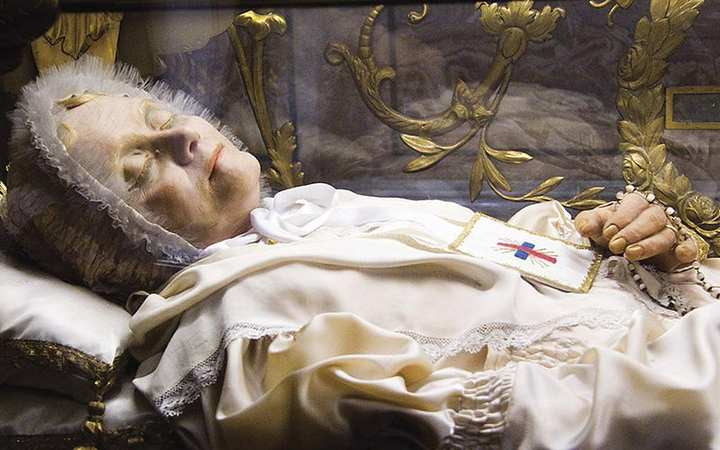
Blessed Anna Maria Taigi
San Crisogono, Trastevere, RomeDied 1837; body in San Crisogono
A housewife, mother of seven, tertiary, whose mystical sun — a luminous globe in which she saw the world — was examined by popes. The body, found intact, lies in a glass coffin in Trastevere.
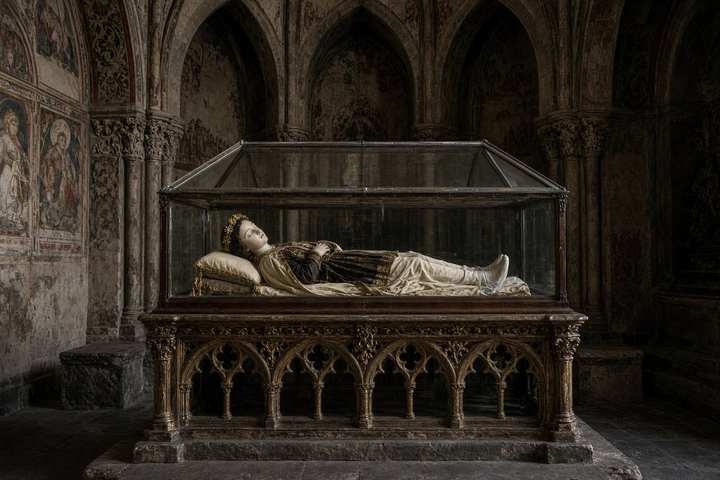
St. Rose of Viterbo
Santa Rosa, ViterboDied 1251; still intact in Viterbo
A girl preacher of the thirteenth century, dead at eighteen, whose body remains in Viterbo and is carried through the city on her feast — the Macchina di Santa Rosa — a tower of lights on the shoulders of a hundred men.
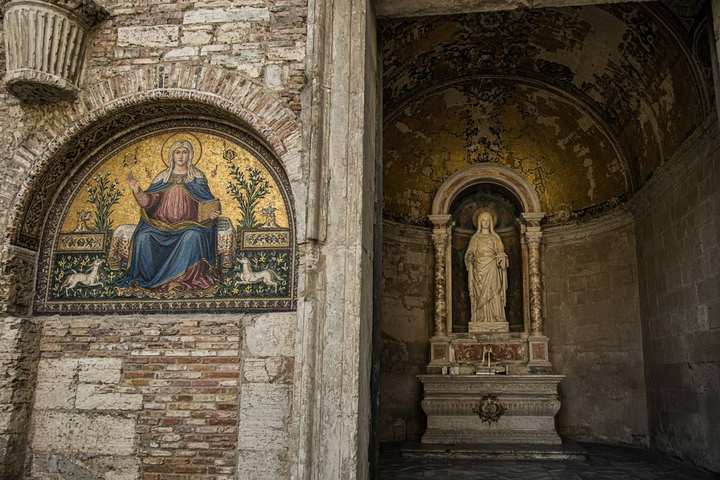
St. Frances of Rome
Santa Francesca Romana, Roman ForumDied 1440
A noblewoman, wife, foundress of the Oblates of Tor de’ Specchi. Her body is under the altar in the church that looks onto the Forum — a Roman matron who would not leave the city to become holy.
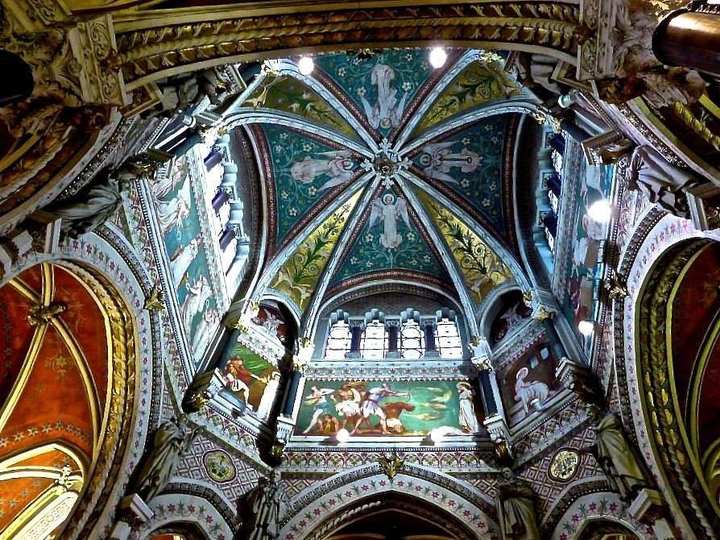
The Body of St. Alphonsus Liguori
Pagani, CampaniaDied 1787; shrine at Pagani
Doctor of the Church, founder of the Redemptorists, moral theologian of mercy. His remains are in the basilica at Pagani, a founder’s body in the house of his congregation.
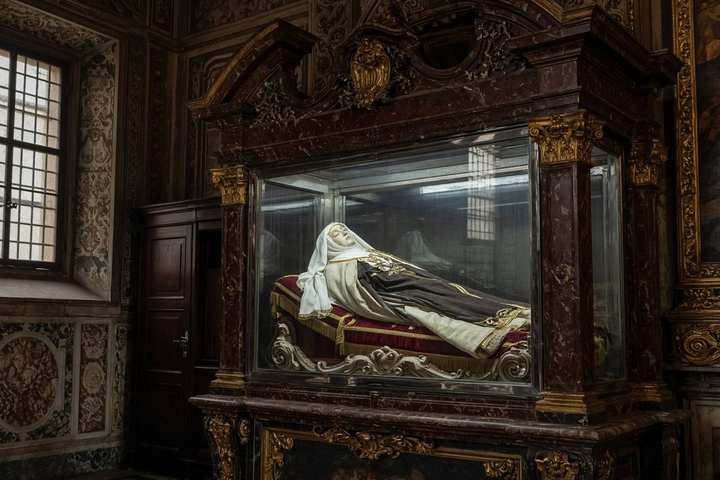
St. Angela Merici
BresciaDied 1540; found intact
Foundress of the Ursulines, the first great teaching sisterhood of the modern West. The body was found preserved and is kept in Brescia, in the church of St. Angela.
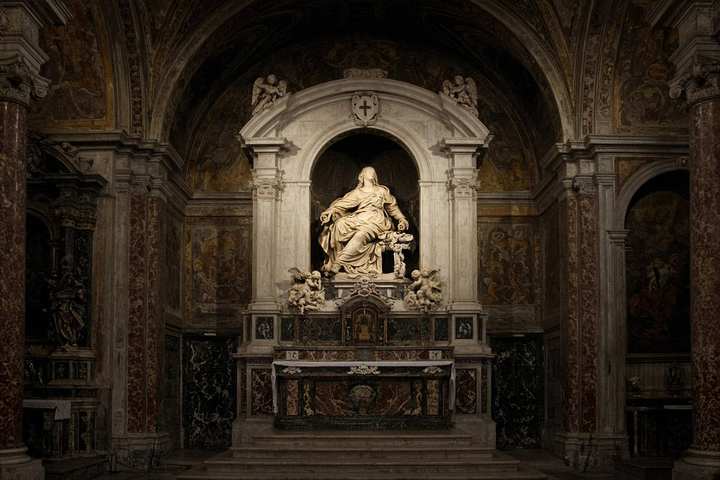
St. Margaret of Cortona
Basilica of St. Margaret, CortonaDied 1297
A penitent: a noble’s mistress who lost him to murder, then took the Franciscan habit of the Third Order. Her body remains in Cortona, above the high altar, a woman who changed her life and was not allowed to disappear.
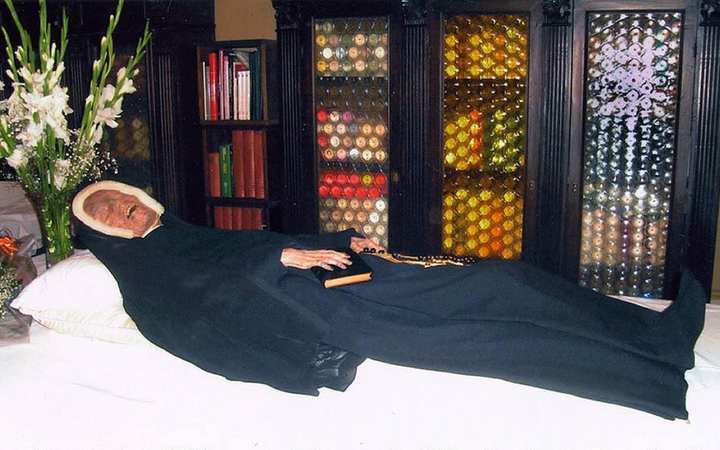
St. Paula Frassinetti
St. Onofrio, RomeDied 1882; found intact 1906
Foundress of the Sisters of St. Dorothy. Exhumed in 1906, the body was intact, the habit fresh. She lies in the chapel of St. Onofrio on the Janiculum.
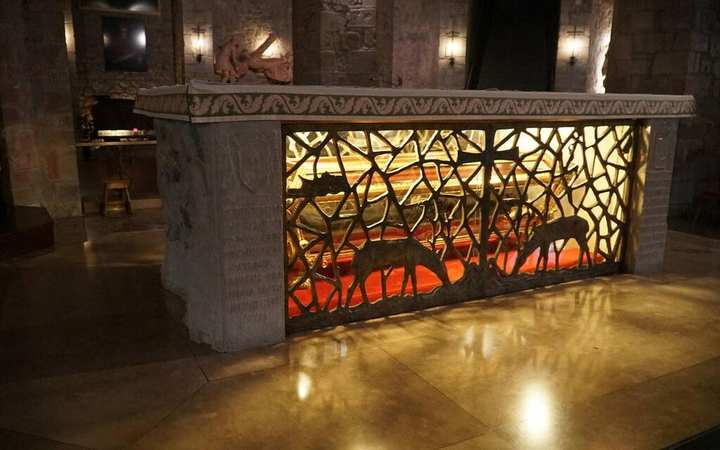
St. Lucy Filippini
Montefiascone CathedralDied 1732; body at Montefiascone
Foundress, with Cardinal Barbarigo, of the Religious Teachers Filippini. The body, preserved, is in the cathedral of Montefiascone — a woman of schools for the poor of the Papal States.
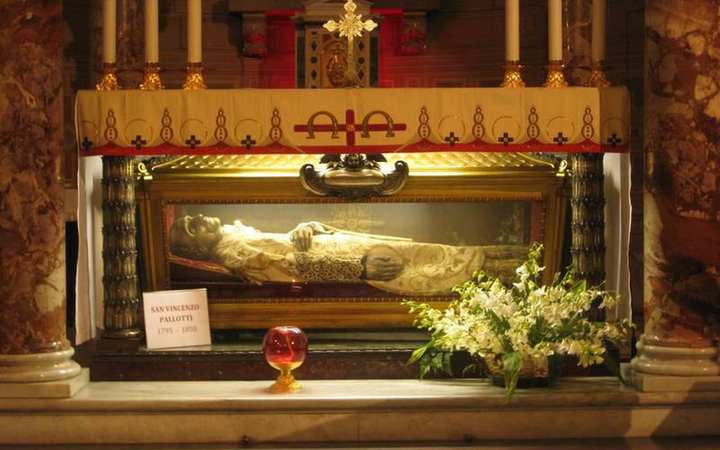
St. Vincent Pallotti
San Salvatore in Onda, RomeDied 1850; body in San Salvatore in Onda
Roman priest, founder of the Pallottines, apostle of the idea that every Catholic is an apostle. The body is under the altar in his church in the Regola, a short walk from the Campo de’ Fiori.
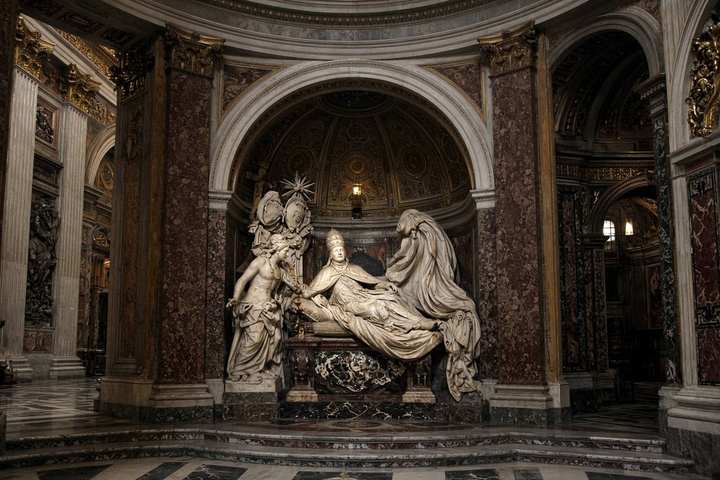
Blessed Innocent XI
St. Peter’s Basilica, VaticanDied 1689; body in St. Peter’s
The pope of the relief of Vienna, an ascetic in a baroque court. When the tomb was opened the body was found unusually preserved. He is beatified, and rests in St. Peter’s.
St. Michael in the Korean snow
A frozen ridge in Korea1950
In the winter of 1950 a wounded Marine named Michael writes to his mother. She had taught him a short prayer. On a ridge he met another Marine of the same name, who already knew the words. Seven rifles fired. He was hit. The other man became, in his telling, a figure of light with a sword. The officer who found him said there was no second Michael in the outfit, and that the seven dead had been cut down by a blade.
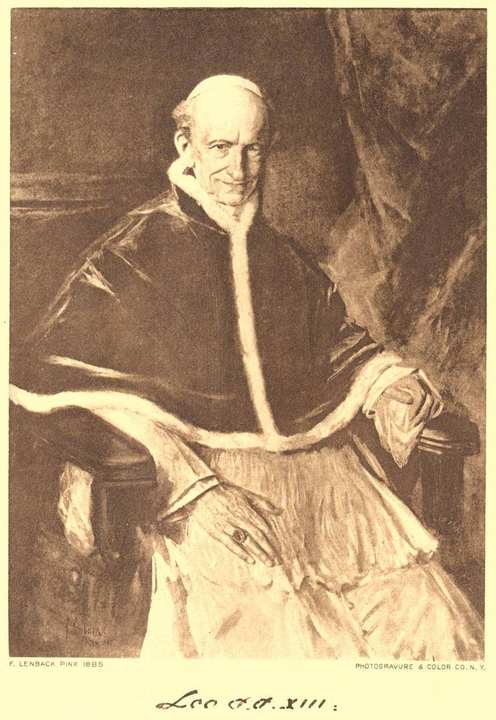
The vision of Pope Leo XIII
The Vatican1884–1886
Pope Leo XIII ordered the Church to say the Prayer to Saint Michael after Low Mass. Catholics also tell of a vision in which he heard God and the devil, and of a century of license given to Satan. The prayer is certain. The conversation, in the form people now quote, is not.
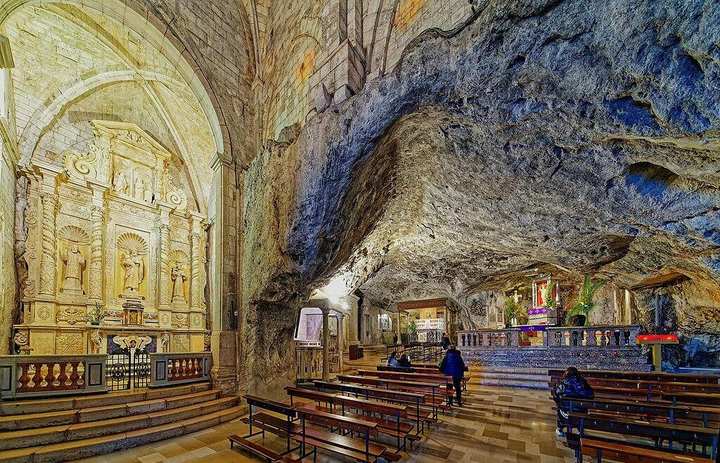
The cave of Saint Michael
Monte Sant’Angelo, Gargano, Apulialate 5th century; the written legend is medieval
On the Gargano promontory, above the Adriatic, the town of Monte Sant’Angelo keeps a cave the Latin West has treated as Saint Michael’s own church since late antiquity. The medieval Liber de apparitione tells of a bull, an arrow that returned, a bishop of Siponto named Laurence, a battle dated to 8 May, and a consecration the Archangel is said to have performed himself. The cave, the stair, the bronze doors, and the pilgrimage are not a legend. They are still there. The bull and the arrow are the shrine’s founding story, written down centuries after the date it claims, and the Church has kept them as venerated tradition rather than as an article of the Creed.
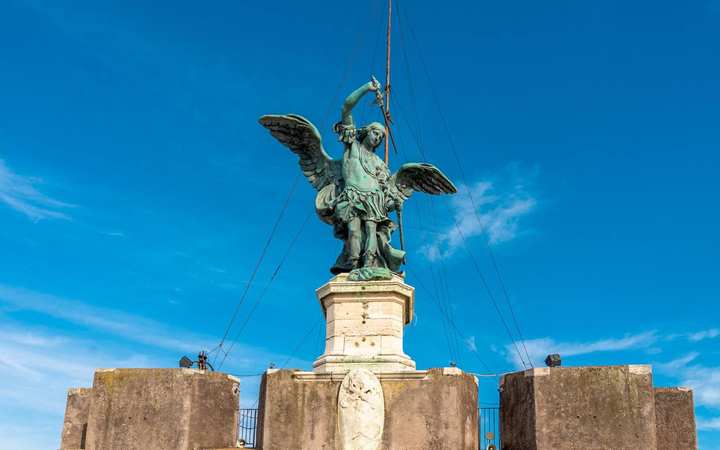
Michael over the plague
Hadrian’s Mausoleum, RomeEaster 590
In 590 Rome was burying its dead from plague after the Tiber flood. Gregory, just elected Pope, ordered a penitential procession through the city. That procession is in a contemporary history. The vision of Saint Michael on Hadrian’s mausoleum, putting a bloody sword back into its sheath, is how Rome later explained why the dying stopped — and why an emperor’s tomb has been called the Castle of the Holy Angel ever since. The bronze on the roof is eighteenth-century. The name is medieval. The plague of 590 is not a fable.
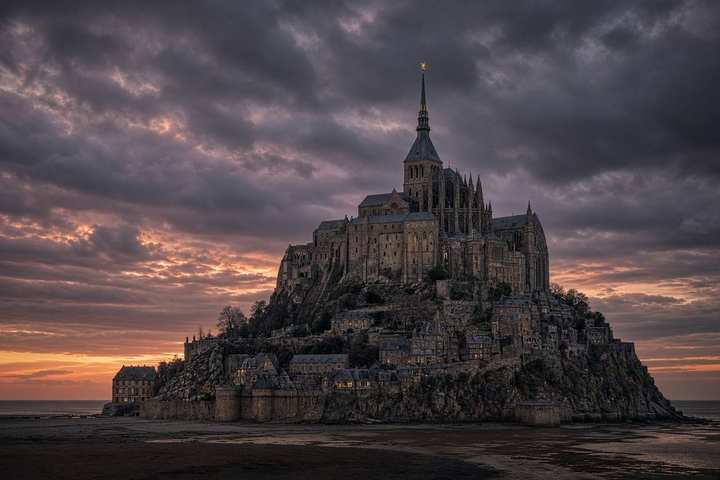
The rock Michael asked for
Mont-Saint-Michel, Normandyc. 708
In the early eighth century Aubert, bishop of Avranches, is said to have been told in sleep, three times, to build a church for Saint Michael on the granite islet in the bay — in imitation of the cave at Monte Sant’Angelo. He delayed. The third time, the legend says, the Archangel’s finger left a hole in his skull. A pierced cranium has long been shown at Avranches. The abbey on the rock is not a legend. It has been a Benedictine house, a prison, a national monument, and, since 2001, a house of the Monastic Fraternities of Jerusalem. The gold Michael on the spire is the work of Emmanuel Frémiet, 1897.
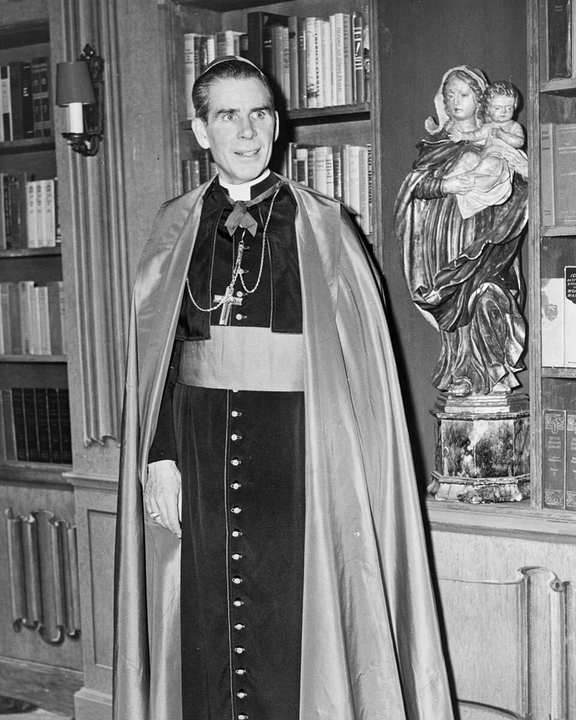
The child who was born without a pulse
Washington, Illinois16 September 2010 · approved 2019 · beatification 24 September 2026
James Fulton Engstrom was born without a pulse and remained without one for sixty-one minutes. His parents had asked the intercession of Archbishop Fulton Sheen. The Church later accepted the recovery as the miracle for Sheen’s beatification.
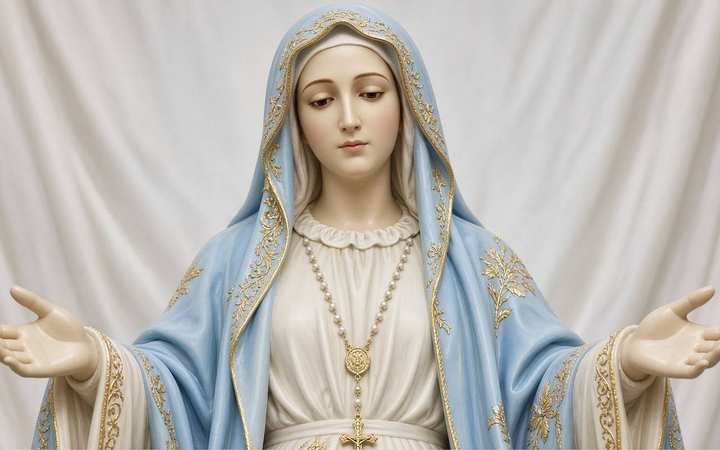
The Host of Betania
Finca Betania, near Cúa8 December 1991
At midnight Mass on the Immaculate Conception, Father Luis Otty Ossa Aristizábal saw a piece of the Host bleed on the paten. The bishop is reported to have accepted the bleeding. A published Roman decree is not the same thing, and this page does not invent one.
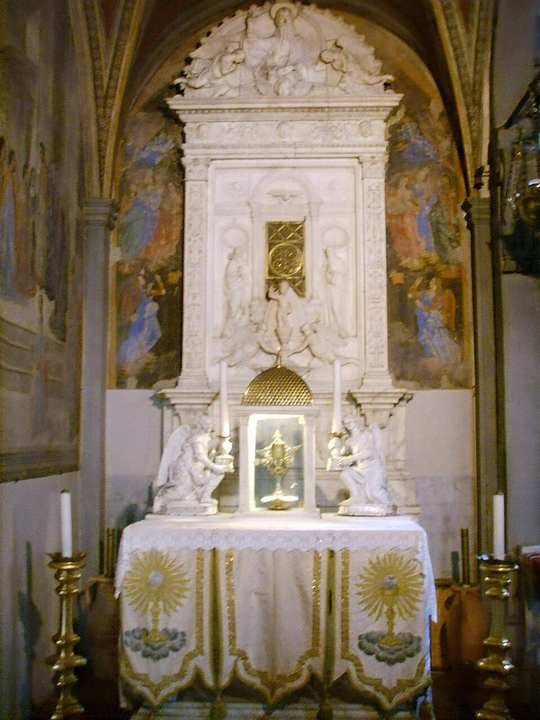
Florence, Sant’Ambrogio
Sant’Ambrogio, Florencec. 1230
An old priest at the Benedictine convent is said to have left the chalice undried. In the morning a residue like blood was there. Florence has kept a chapel of the miracle, and a later Good Friday fire is a second story, not the same hour.
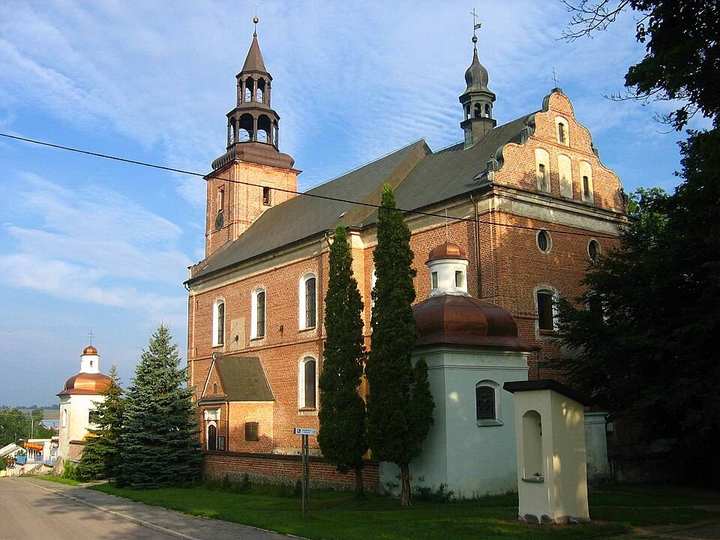
Głotowo
Głotowo, WarmiaMedieval; sanctuary later
A Host hidden for safety is said to have been found when oxen knelt at the plough. The archdiocese keeps a real sanctuary of the Blessed Sacrament and of the Passion. The kneeling oxen are a medieval motif, and the page says so.
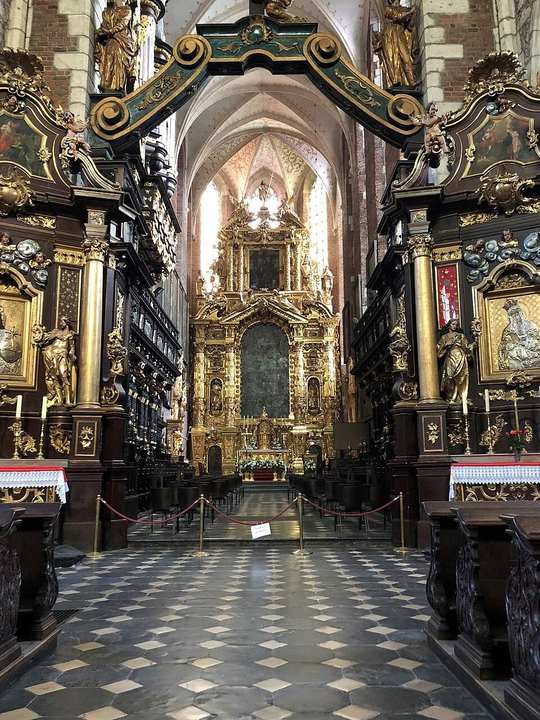
Kraków, Corpus Christi
Kazimierz, KrakówParish older than the legend of 1345
A popular tale says a Host found in 1345 caused Casimir the Great to found the Corpus Christi church. The building’s own dates begin before 1341. The parish is real. The founding miracle, told that way, cannot be.
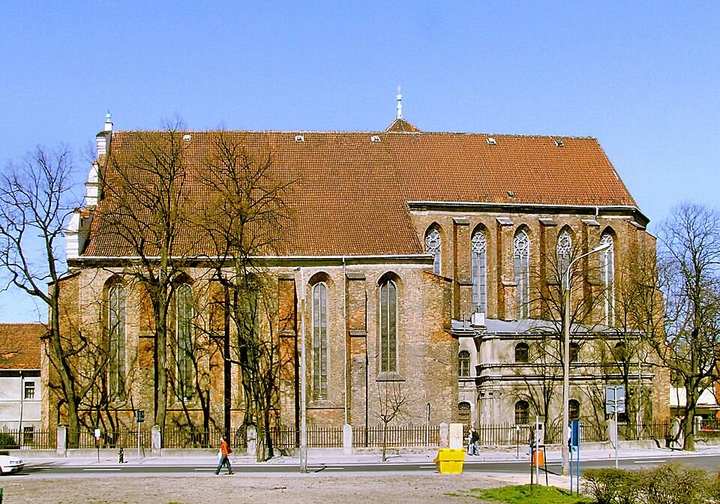
Poznań
PoznańMedieval shrine; the accusation withdrawn
Poznań has a church of Corpus Christi and an old story of Hosts found. The archdiocese says the tale that blamed Jews was never confirmed, and that the medieval sources support a found Host and a shrine — not a charge against a people.
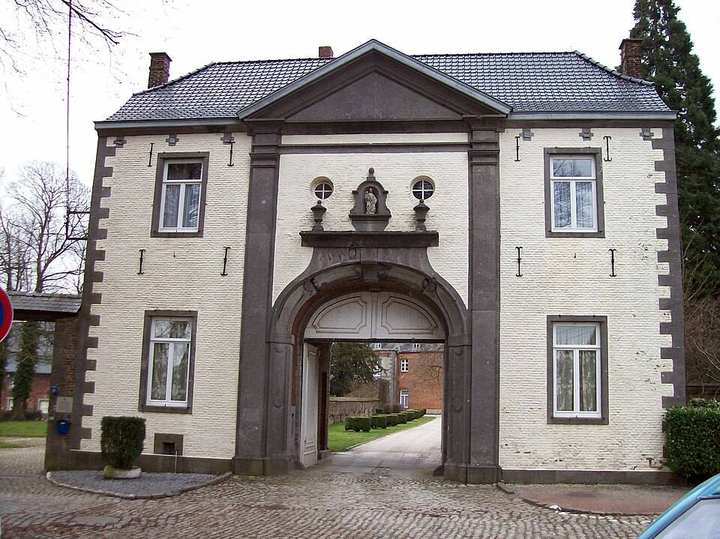
Bois-Seigneur-Isaac
Bois-Seigneur-Isaac, Brabant1405; cult noted 1413
A corporal associated with a Eucharistic event in 1405 is still shown in a reliquary. An act of 1413 is said to have authorised the devotion. The cloth, the reliquary, and the event are three different things.
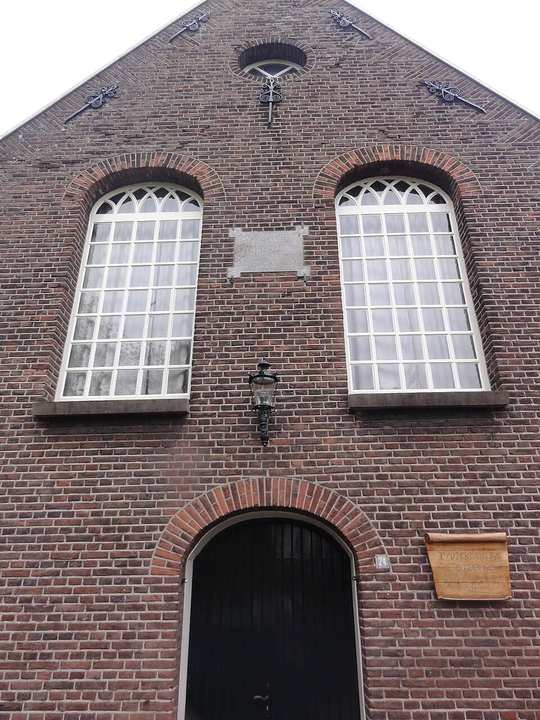
Boxmeer
Boxmeer, North Brabantabout 1400
A priest who doubted is said to have seen the wine rise in the chalice until he took back the doubt, leaving a red mark on the corporal. Boxmeer still walks in memory of that cloth. The mark is not a modern blood study.
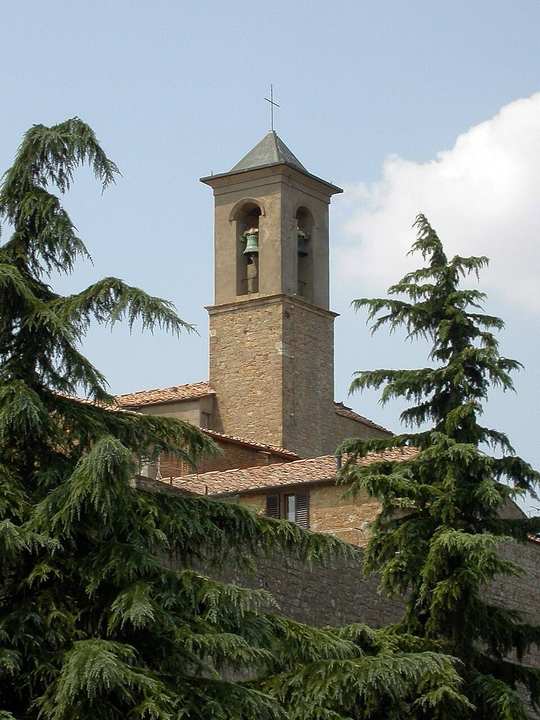
Volterra
Volterra1472
During Volterra’s war with Florence in 1472, a soldier is said to have stolen a ciborium, thrown the Hosts aside, and then repented when they did not behave as bread. The diocese keeps the memory. The vessel and the Sacrament are not the same object.
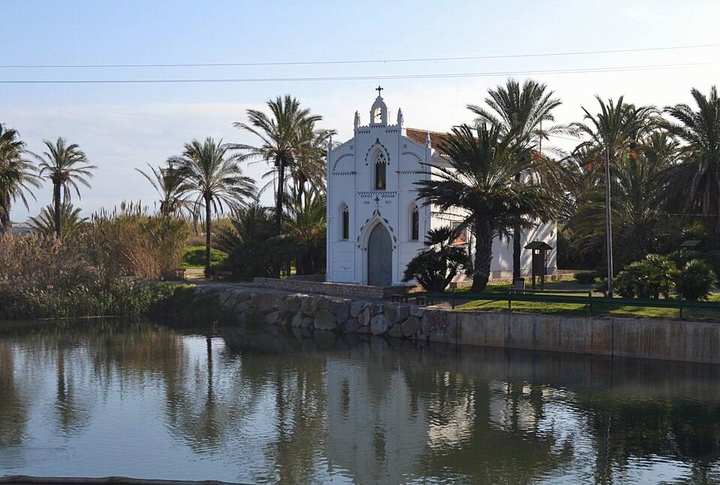
Alboraya
Alboraya, by ValenciaTold as 1348
A priest carrying Viaticum to the dying is said to have lost the Hosts in the water, and fish are said to have held them up. The hermitage of the Peixets is the memory made into a chapel. The number of fish is not the doctrine.
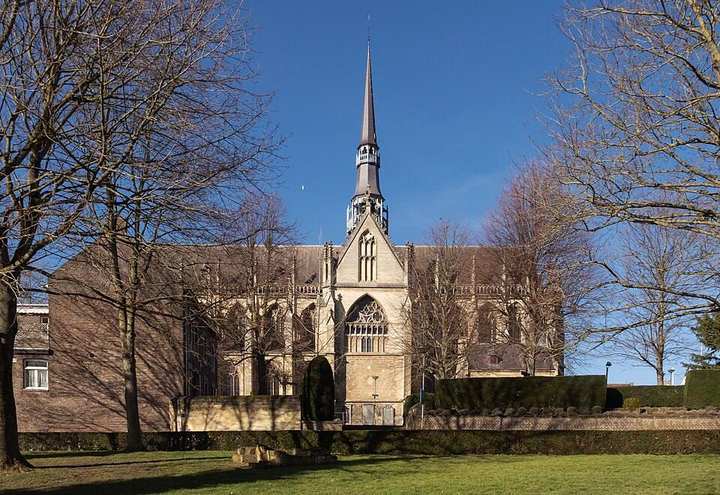
Meerssen
Meerssen, LimburgThirteenth-century telling; the Host later lost
A thirteenth-century account says the chalice at Mass lacked the water, and that a sign followed. A later tale adds a farmer and a fire. The medieval object is gone. The basilica of the Blessed Sacrament is not.
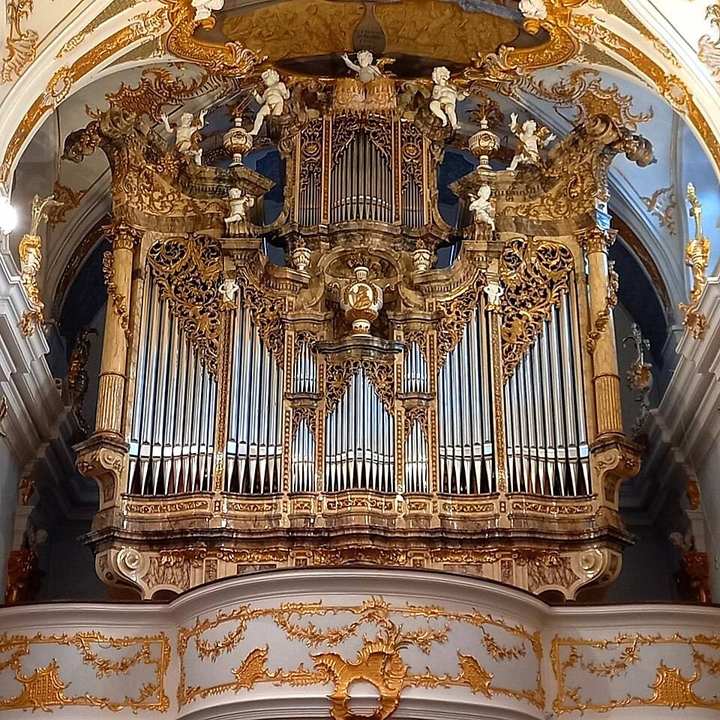
Regensburg
Regensburg1255, and later tellings
Bavarian history places a 1255 pilgrimage among cases of Hosts lost or mishandled. A second, hostile telling turned the loss into an attack on Jewish neighbours. This page keeps the reverence and refuses the libel.
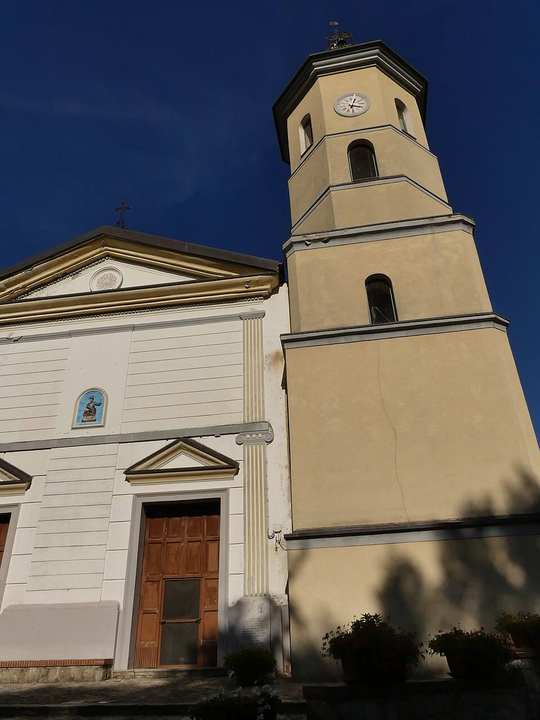
San Mauro La Bruca
San Mauro La Bruca1969; adoration decreed 1970
After a theft, a child is said to have found discarded Hosts. The diocese records their recovery and, in 1970, a decree of perpetual adoration. That decree is about worship. It is not a laboratory result.
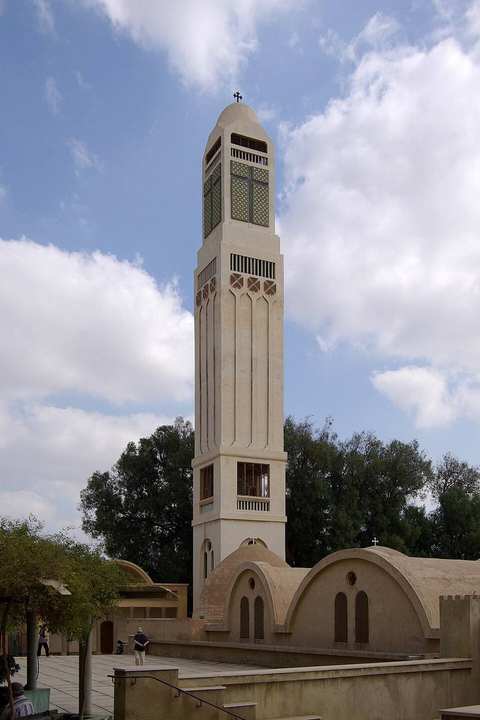
The monk of Scetis
Scetis, Wadi El NatrunThe desert fathers, about the fourth century
An old monastic story tells of a good monk who could not see that the bread of the Eucharist was more than bread. The elders prayed. He was shown a child, and then the bread again. The point of the story is the return to bread.
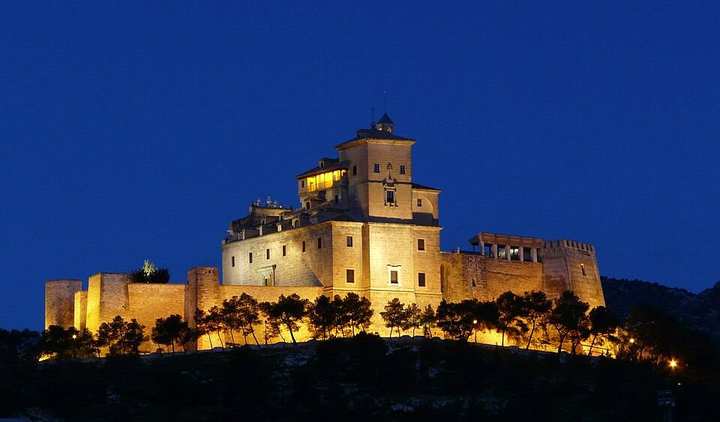
The Cross of Caravaca
Caravaca de la CruzTradition of 1232
A double-armed cross is venerated at Caravaca. The brotherhood’s story says angels brought it so a captive priest could finish Mass before a Muslim ruler. The pilgrimage is ancient. The angels are the tradition, not a document one can subpoena.
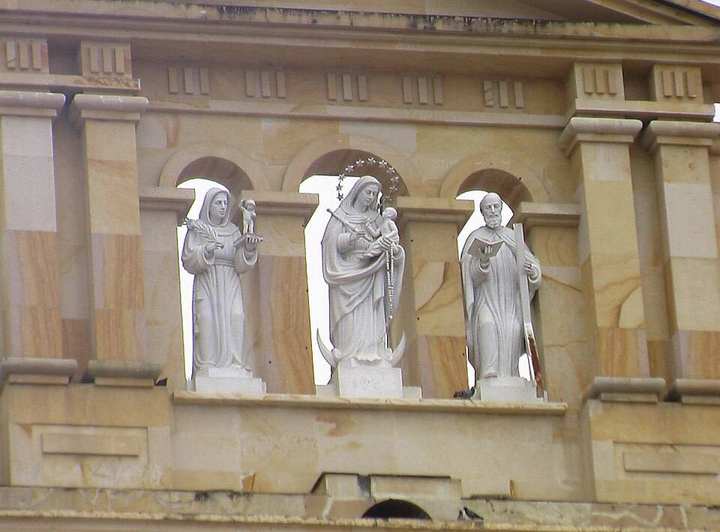
Our Lady of Chiquinquirá
Chiquinquirá, BoyacáPainting renewed 26 December 1586
A painting of Our Lady, ruined by damp in a poor chapel, is said to have cleared and shone on 26 December 1586 while a woman prayed. Colombia’s national shrine stands on that hour. The renewal is a local tradition the Church has crowned, not a laboratory of pigment.
The healing of Matheus Vianna
Campo GrandeReported 2013; decree for the beatification of Carlo Acutis
A Brazilian child, Matheus Vianna, was healed of a grave disease of the pancreas after his family asked the intercession of Carlo Acutis. The Holy See accepted that cure as the miracle for Carlo’s beatification. The page is about the healing. Carlo remains the intercessor, not a Eucharistic specimen.

The calming of the storm
The Sea of GalileeThe Gospel
The boat is filling. The disciples wake Jesus. He rebukes the wind, and there is a dead calm. They ask who this is, that wind and water obey him.

The daughter of Jairus
CapernaumThe Gospel
A synagogue ruler asks Jesus to come to his dying child. On the way a woman touches his cloak and is healed. In the house, where they are already weeping, he takes the girl by the hand and tells her to get up.

The woman with a haemorrhage
On the way to the house of JairusThe Gospel
A woman who has spent everything on doctors, and grown worse, touches Jesus’ cloak and is healed. He will not let the healing stay anonymous.

The man of the Gerasenes
The country of the GerasenesThe Gospel
A man who lived among the tombs, unbound by chains, meets Jesus and is found afterwards clothed and in his right mind. The town asks Jesus to leave. The man is sent home to tell what the Lord has done.