The reading
How it began
Smaragda Calafato becomes Eustochia, reforms a house, and dies in 1485. The body is preserved and, like Catherine of Bologna, is given a seat in the church of Montevergine in Messina. She survived earthquakes that took the city. She is still there.
The day itself
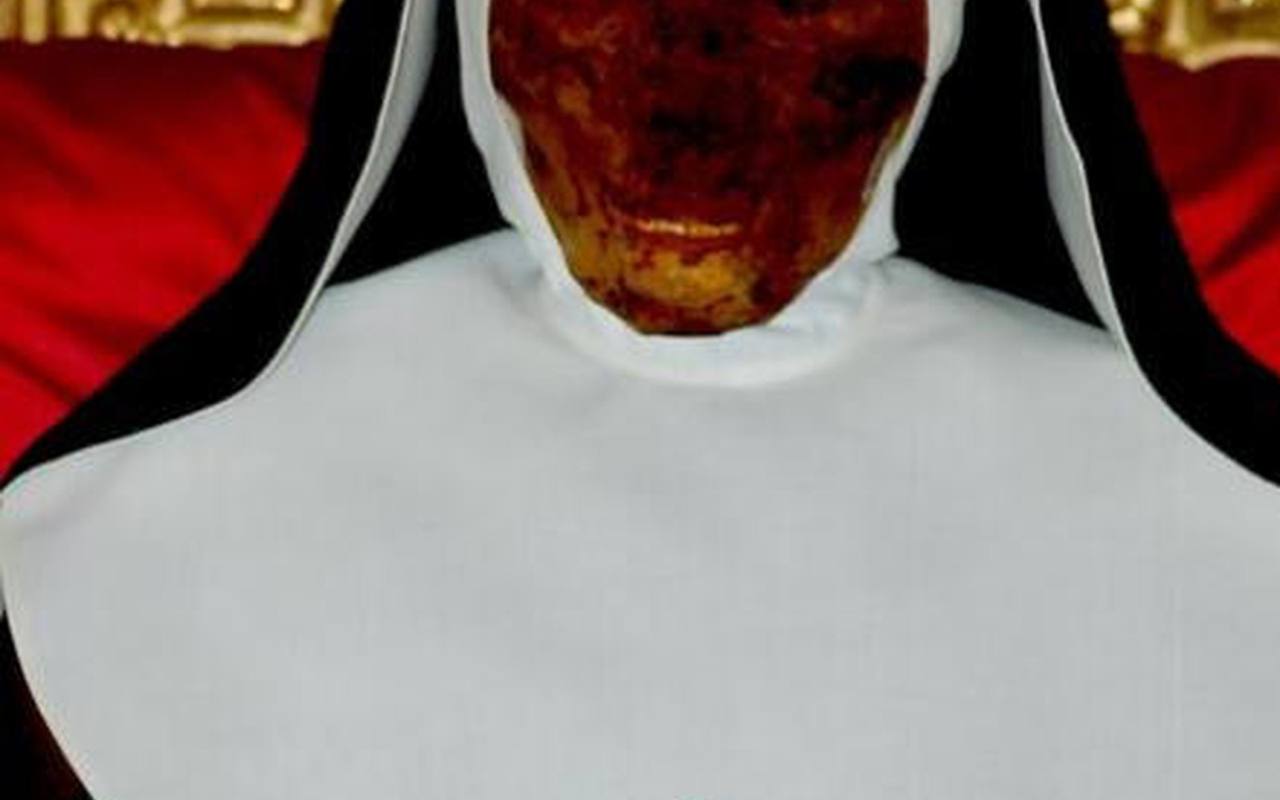
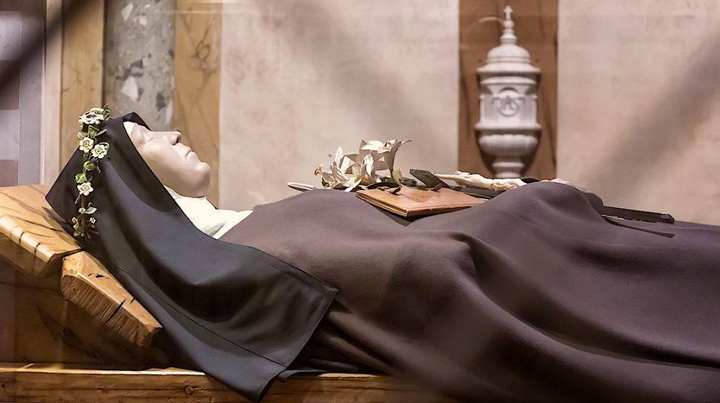
Smaragda Calafato was a nobleman’s daughter in Messina who fought her family for a Poor Clare habit and then fought a comfortable monastery for a stricter one. As Eustochia she founded Montevergine and died there on 20 January 1485. The body was found preserved and, like Catherine of Bologna’s, was placed seated — in the choir, vested, as if the office had not finished. Earthquakes have broken Messina around her, including the catastrophe of 1908. The monastery and the seated body remained among the things the city could still point to. John Paul II canonized her on 11 June 1988. The sitting posture is a decision of the community, continued for centuries, not a claim that she died sitting. What is claimed is that the body did not go to dust, and that Messina kept it in the choir.
Reading
How to read St. Eustochia Calafato
A sitting abbess in Sicily is a claim that the choir is not empty. The Poor Clares of Messina have always known that.
Church status
How this sign has been received
Church-approved
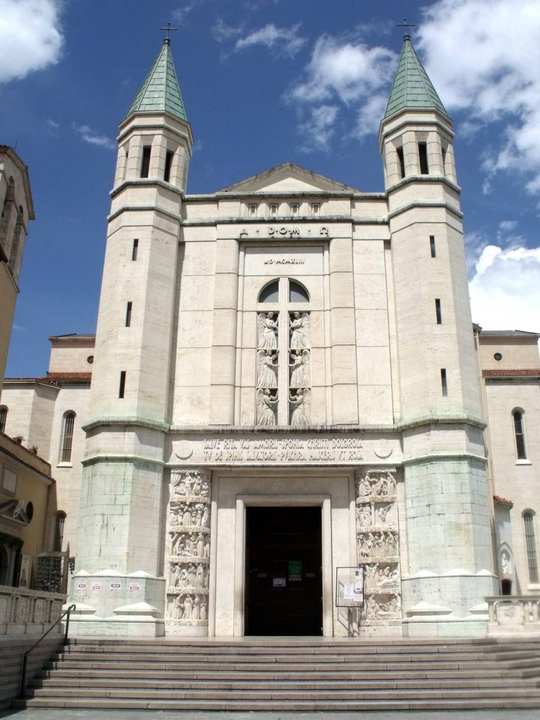
Canonized 1988 by John Paul II. Relics at Montevergine, Messina.
Sources
- Monastery of Montevergine, Messina
- John Paul II, canonization 1988
For the classroom
St. Eustochia Calafato (Died 1485, Montevergine, Messina). Grade in this encyclopedia: Church-approved. A Poor Clare of Messina, of great austerity, whose body remains seated in the choir of her monastery — another of the sitting saints of the Italian south, intact, vested, at her place.