The road
Why pilgrims still go
Lourdes, Fátima, Guadalupe, Akita, Knock, the Holy Land, Rome — not a catalogue of journeys for sale. The reasons people still walk: to pray, to ask, to thank, to stand where heaven leaned in.
51 shrines
Pilgrimages
Fifteen roads, from the Holy Land to Old Goa. The Journey of Jesus is the study before this one. A pilgrimage ends at the Mass.
France
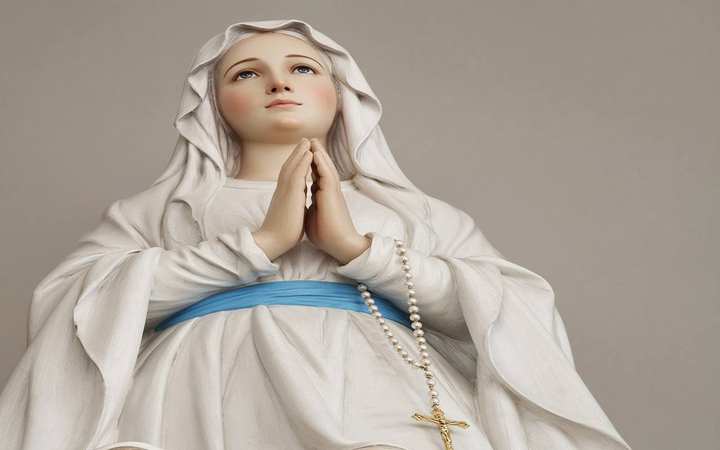
Lourdes
Between 11 February and 16 July 1858, at a limestone cave the town of Lourdes used as a dump, a miller’s daughter named Bernadette Soubirous saw a young woman in white eighteen times. The woman asked for prayer, penance, a spring, a chapel, and a procession. On the feast of the Annunciation she gave a name the child did not know: I am the Immaculate Conception. The spring still runs. The sick still come. That is why this road exists.
Portugal
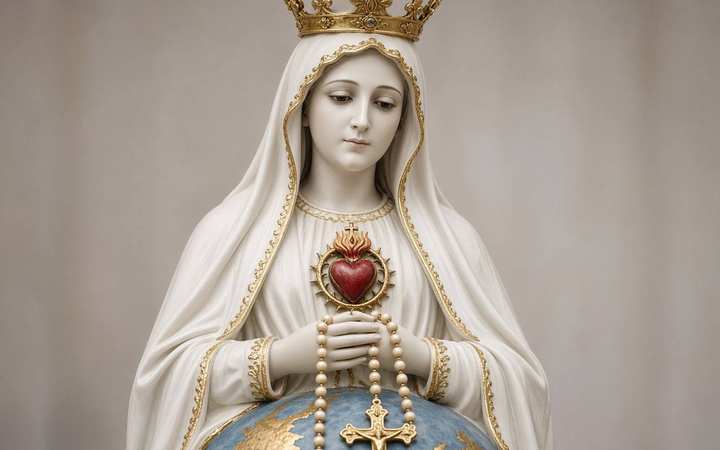
Fátima
In 1917, in a hollow of pasture called the Cova da Iria, near the village of Fátima in Portugal, three shepherd children — Lúcia dos Santos, ten, and her cousins Francisco Marto, nine, and Jacinta Marto, seven — saw a lady brighter than the sun, six times, on the 13th of the month from May to October. She asked for the rosary every day, for the conversion of sinners, for devotion to her Immaculate Heart, and that a chapel be built. On 13 July she showed them hell and spoke of war and of Russia. On 13 October, before a crowd of tens of thousands standing in the rain, including reporters who had come to mock, the sun appeared to dance. Francisco and Jacinta died in the influenza. Lúcia lived until 2005 as a nun. The bishop of Leiria declared the apparitions worthy of belief on 13 October 1930.
Mexico
Guadalupe
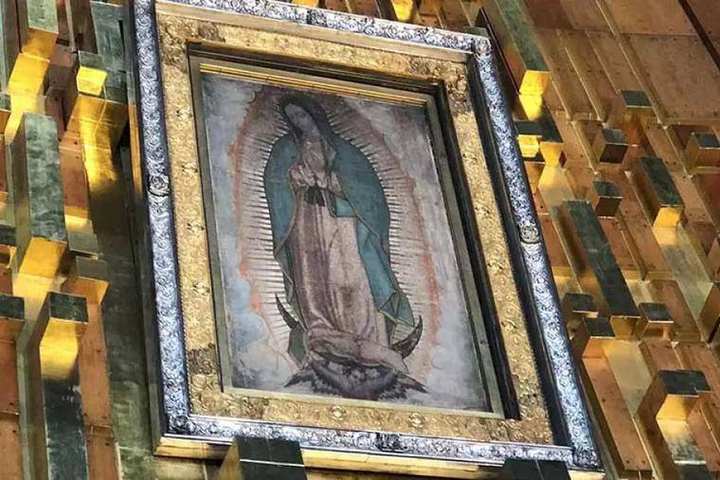
The tilma of St. Juan Diego still hangs above the altar. Nearly five centuries of candles, a bomb in 1921, and ten million pilgrims a year have not taken her face away. Empress of the Americas is not a courtesy title.
Holy Land
The Holy Land
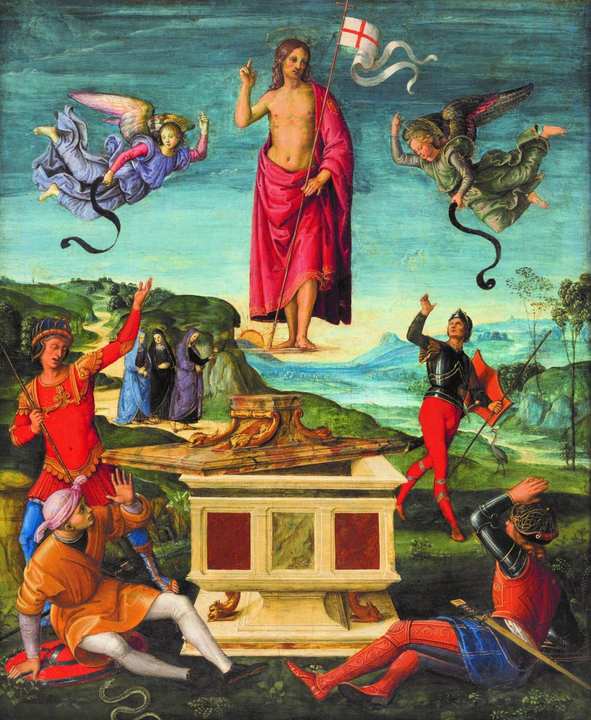
This is not a later shrine. This is the map of the Gospel. The empty tomb, the lake, the cave at Bethlehem, the stone of the agony. Every other Catholic pilgrimage is an echo of having been here — or of wishing you had.
Italy
Rome & the Vatican
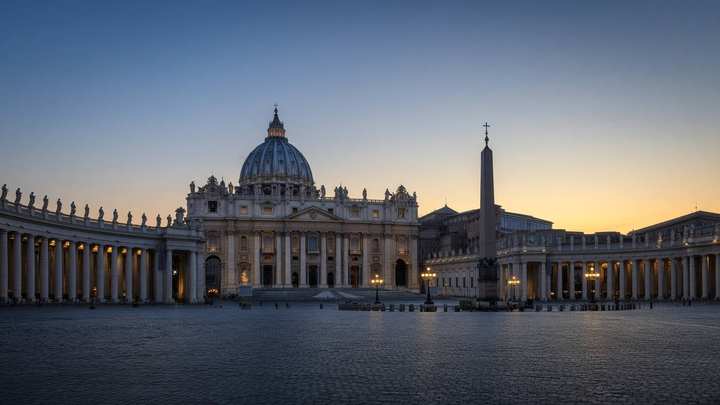
You go to Rome because the apostles died here, the popes still live here, and the bones of the Church are under the floor. It is not a theme park of the baroque. It is the parish of the whole world.
Ireland
Knock
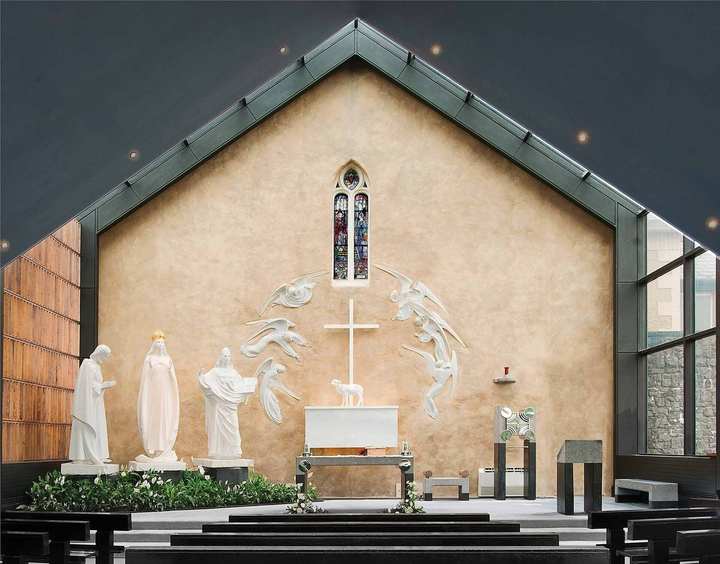
On a wet evening in 1879, fifteen people saw Mary, Joseph, St. John, the Lamb, and an altar on the gable of the parish church. No words. Knock is the apparition that does not give messages. It gives a Mass, in silence, in the rain.
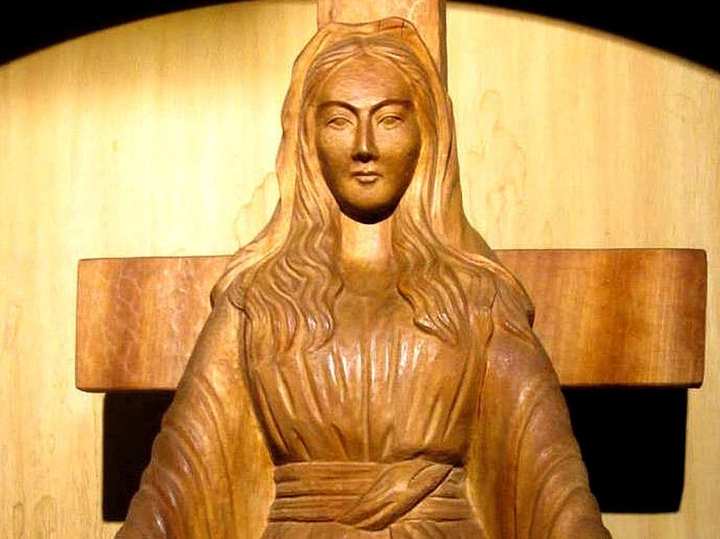
Japan
Akita
A wooden statue of Mary, in a convent of the Handmaids of the Eucharist, wept 101 times. A deaf sister heard, and was healed. Bishop Ito declared the events supernatural in 1984. Akita is Fátima’s cousin in the Far East: prayer, penance, the Eucharist, a warning not to grow cold.
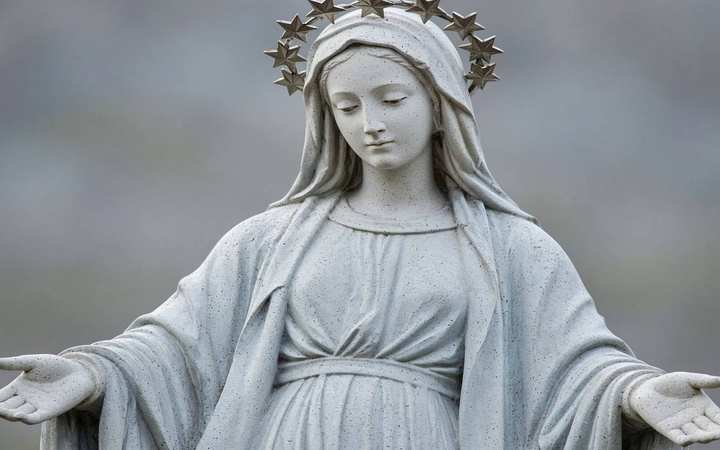
Bosnia and Herzegovina
Medjugorje
Since 1981, six children — now adults — have reported the Gospa. In 2024 Rome gave a nihil obstat: go, pray, the fruits are noted. Confession is the most boring and most serious harvest of the place. The square still fills.
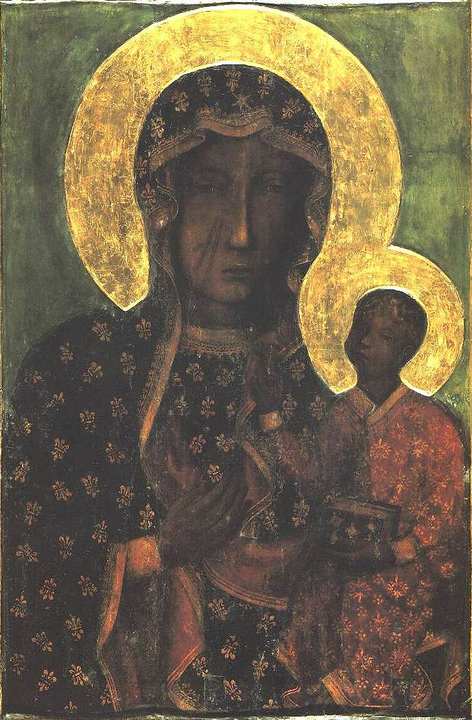
Poland
Częstochowa
The icon of the Mother of God, scarred on the cheek, kept by Pauline monks on a bright hill. Poland has gone to her for centuries — kings, workers, Solidarnośc, John Paul II as a son coming home.
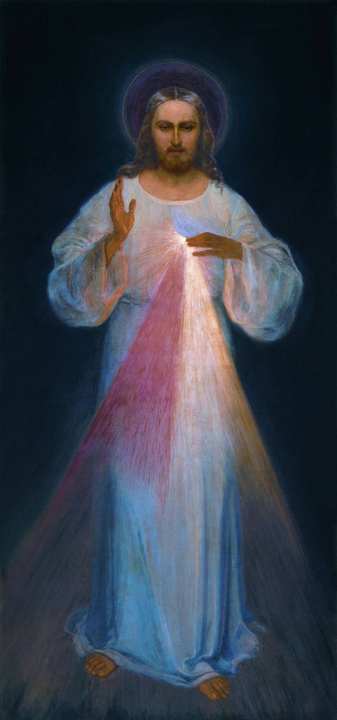
Poland
Kraków — Divine Mercy
St. Faustina’s convent, the image of Mercy, the tomb of the apostle of Mercy, and the city of the pope who put her on the universal calendar. Kraków is where the twentieth century’s wounds and the chaplet meet.
Italy
San Giovanni Rotondo
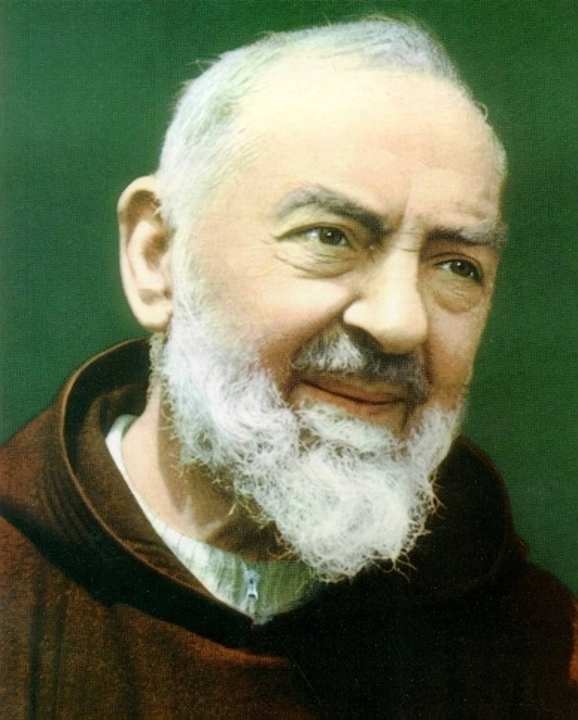
The stigmatic friar, the confessional that lasted hours, the hospital he built for the poor (the Casa Sollievo della Sofferenza). People come for Padre Pio the wonder-worker and stay because he was a priest who suffered, and who told them to pray, hope, and not worry.
Italy
Lanciano & Orvieto
A doubting monk, flesh and five globules of blood still reserved. A doubting priest, a bleeding corporal that gave the Church Corpus Christi. You go not to collect proofs, but to look at what a priest once could not believe, and to believe it more simply.
Italy
Loreto
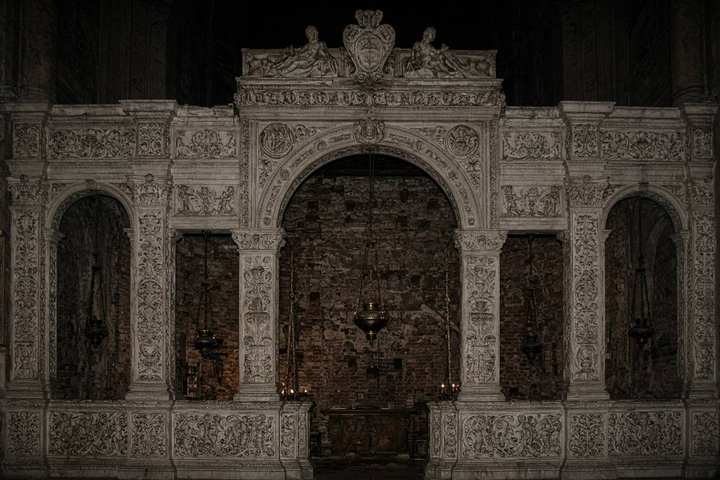
A small house of brick, sheathed in marble, which tradition says is the house of Nazareth — brought by angels, or by a medieval rescue, depending on which historian you ask. Popes have gone. The Litany of Loreto was born here. You go because the Incarnation had an address.
Italy
Assisi & Siena
The man who was marked with the wounds, the woman who received the hidden stigmata, the town that still looks like a fresco. Assisi is not a Franciscan souvenir shop, though it contains several. It is the place poverty became a love affair.
Spain
Santiago de Compostela
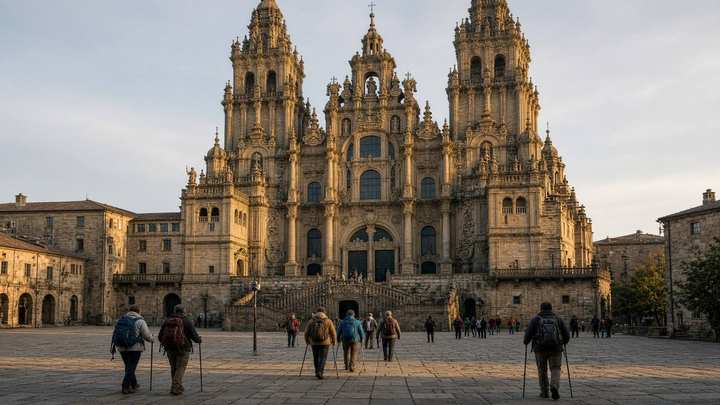
Europe’s old walking prayer. You go because an apostle’s tomb is at the end of a road, and because the road itself — the blisters, the strangers, the Mass in village after village — does the preaching.
United States
Champion, Wisconsin
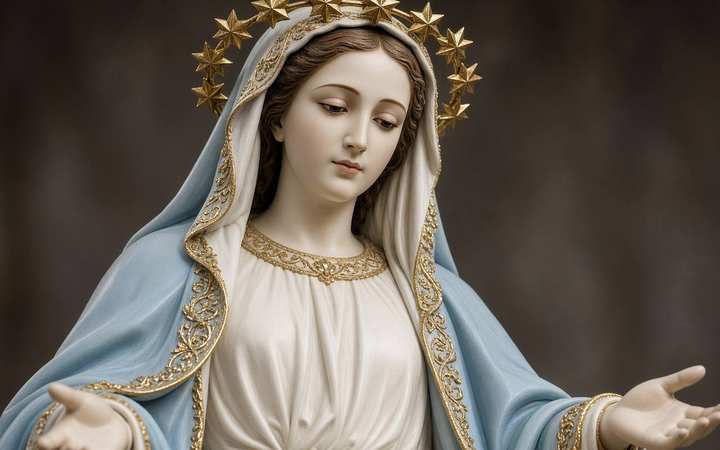
The first and only approved Marian apparition in the United States. In 1859 Adele Brise, a Belgian immigrant, was told: ‘Gather the children, and teach them what they should know for salvation.’ A chapel in a field. A diocese that, in 2010, said yes.
United States
Chimayó
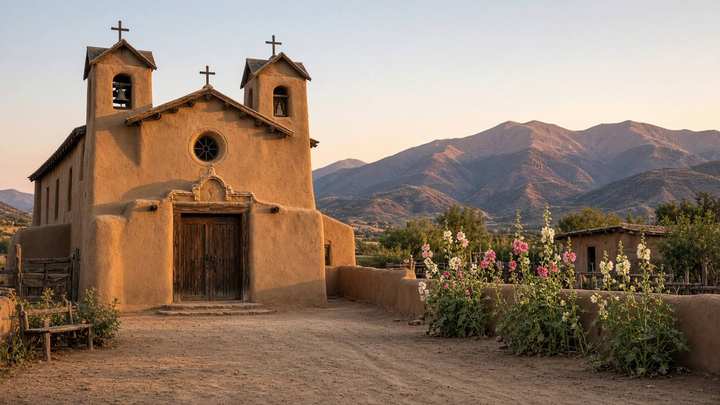
The most visited Catholic pilgrimage site in the United States. Holy dirt from a small room, crutches left at the altar, an adobe church that looks like it grew out of the valley. People come for healing, and for a Catholicism that still smells like woodsmoke.
Canada
Sainte-Anne-de-Beaupré
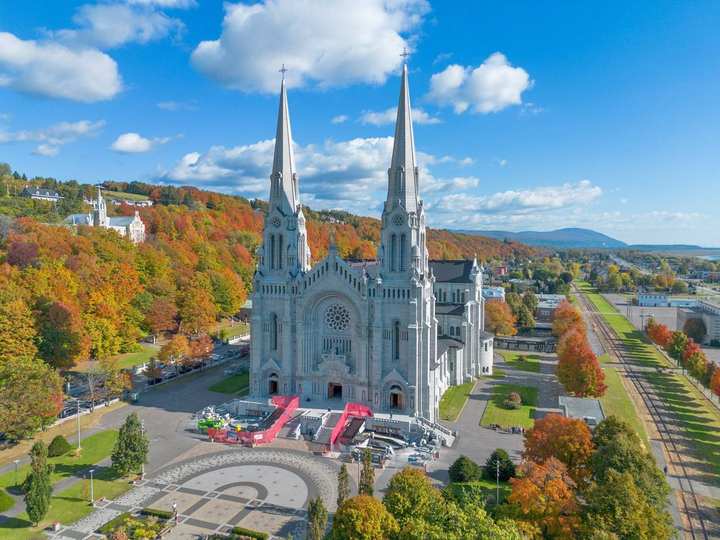
The grandmother of the Lord, loved by French Canada for 350 years. A basilica of crutches and healings, on the river, where sailors and farmers asked the same woman for the same help.
France
Paris — Rue du Bac
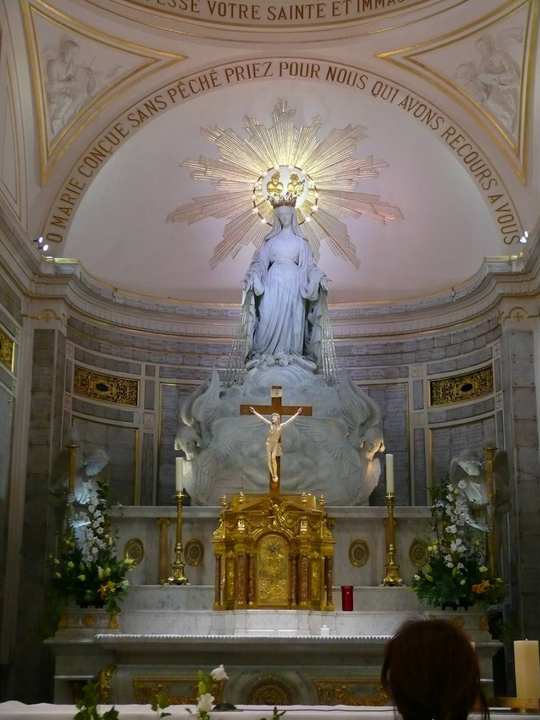
In 1830 the Virgin showed St. Catherine Labouré the medal that would go around the world: O Mary, conceived without sin, pray for us who have recourse to thee. The chapel is still a working convent chapel. Catherine’s body is under the altar, incorrupt.
France
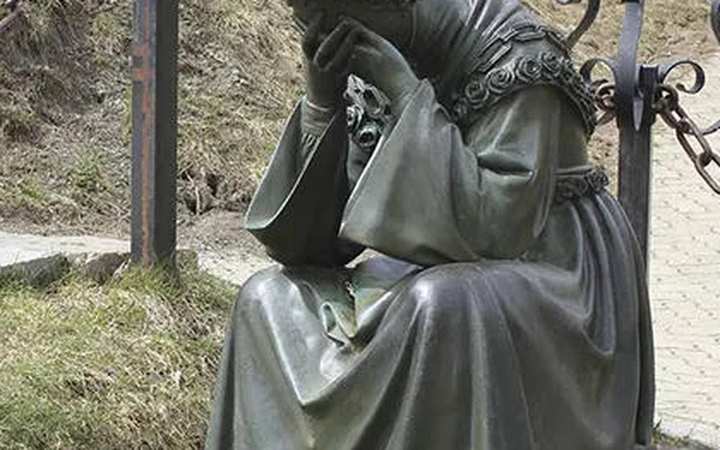
La Salette
1846. Two children, a weeping Madonna in the high Alps, a call to conversion that was also a warning. Approved, loved, sometimes argued over. You go because she was in tears, and because mountain silence is a good place to ask why.
Brazil
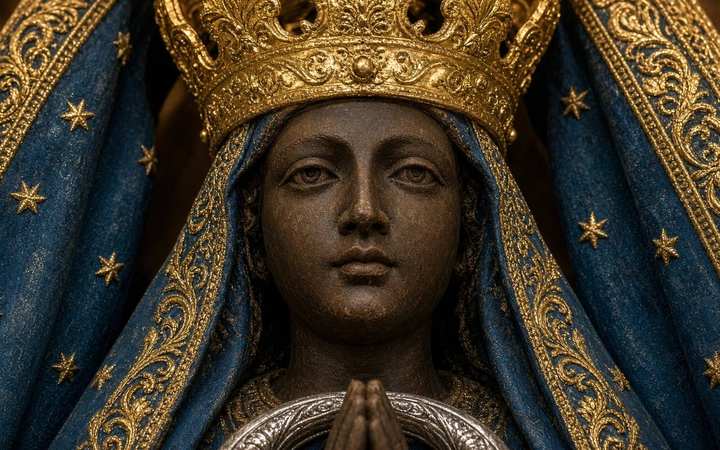
Aparecida
A small dark statue of the Immaculate Conception, pulled from a river by fishermen in 1717, now the heart of the largest Marian basilica in the world. Brazil comes here the way Mexico goes to Tepeyac.
Rwanda
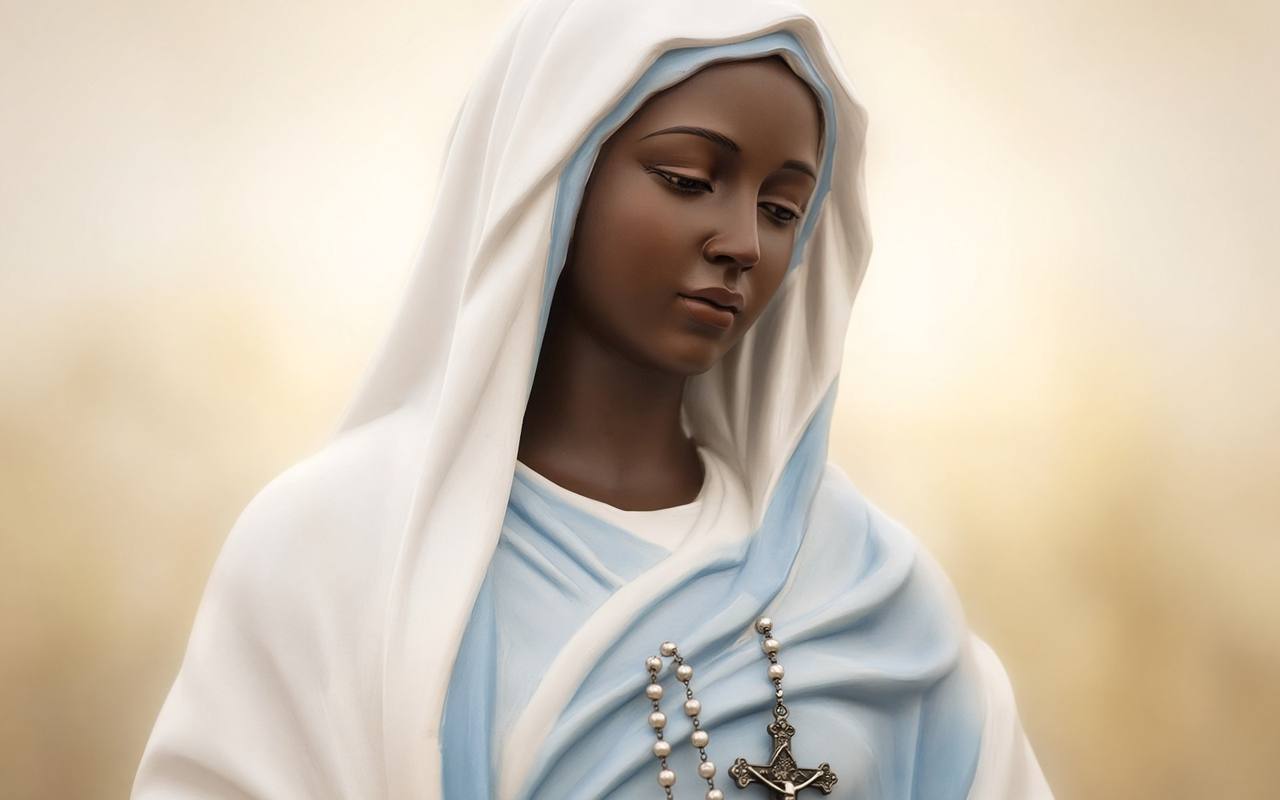
Kibeho
The approved African apparition. In the 1980s a school saw the Mother of the Word; she spoke of prayer, of conversion, of a tree that would be filled with death. The genocide came. The shrine remains. You go with bare feet, historically and spiritually.
Czech Republic
The Infant of Prague
A small crowned Child in a glass case, dressed by Carmelites, loved from Bohemia to every parish that ever put a copy on a side altar. ‘The more you honor me, the more I will bless you.’ People still come to ask for children, for families, for the next month’s rent.
Italy
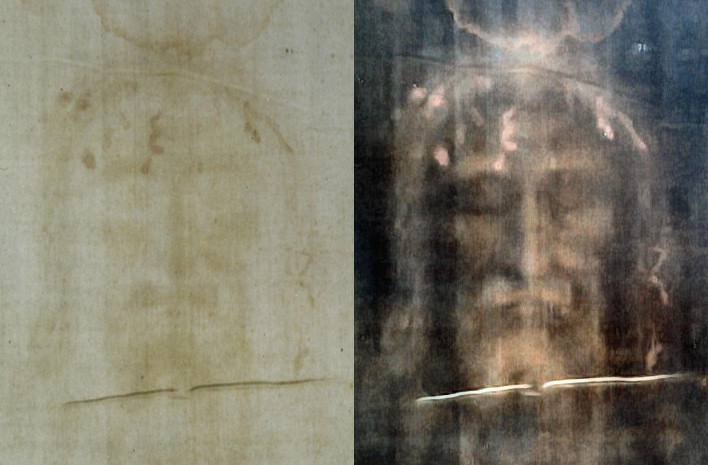
Turin — the Shroud
The cloth that has the image of a crucified man, which the popes have knelt before, which carbon-14 has dated medieval, which blood and pollen and a hundred arguments have not finished. You go as a pilgrim, not as a lab assistant.
Lebanon
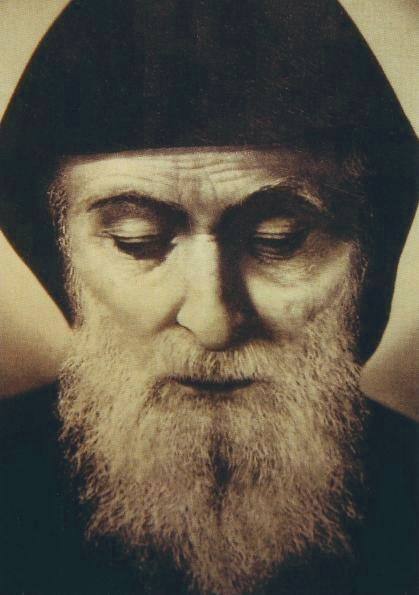
Annaya — St. Charbel
The hermit whose body exuded light and moisture, whose intercession is asked from Mexico to Australia, on a mountain above the sea. You go because the Maronite Church is not a footnote, and because Charbel still has the smell of a man who prayed in secret.
England
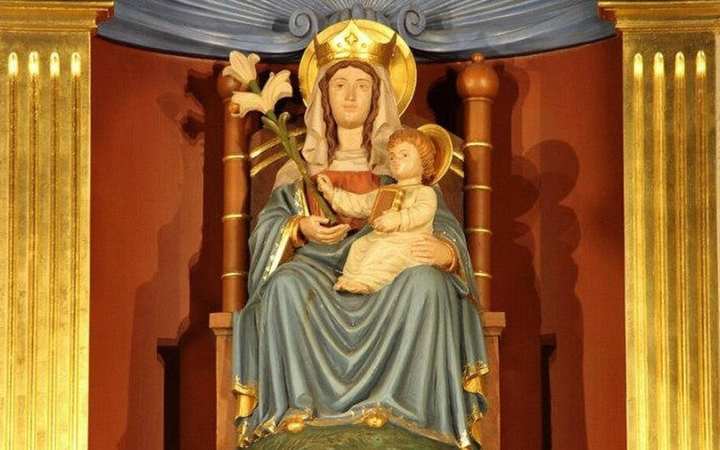
Walsingham
England’s Nazareth. A noblewoman’s vision in 1061, a holy house, destruction under Henry VIII, and a return. The slipper chapel, the mile, the Anglican and Catholic shrines living in a Norfolk village. You go because Mary had a home in England before the fracture, and still does.
Spain
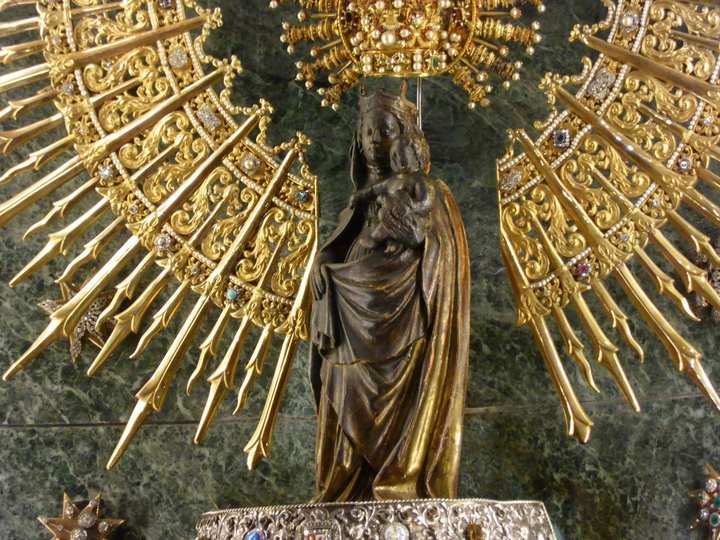
Zaragoza — the Pillar
Tradition says Mary appeared to the apostle James on a pillar, while she was still alive in Jerusalem — the first Marian apparition. Whether you take the chronology as history or as Spain’s oldest love-story, the basilica on the Ebro is a working heart.
Bolivia
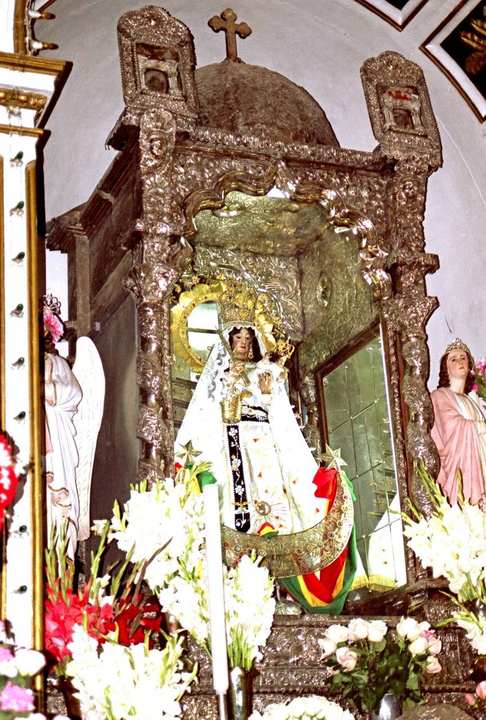
Copacabana, Bolivia
The Bolivian fishermen’s Madonna, carved by a grandson of Inca blood, on the shore of Titicaca. Dark-faced, dressed, taken out on the lake. You go because the Andes have a mother, and because altitude and water make prayer simpler.
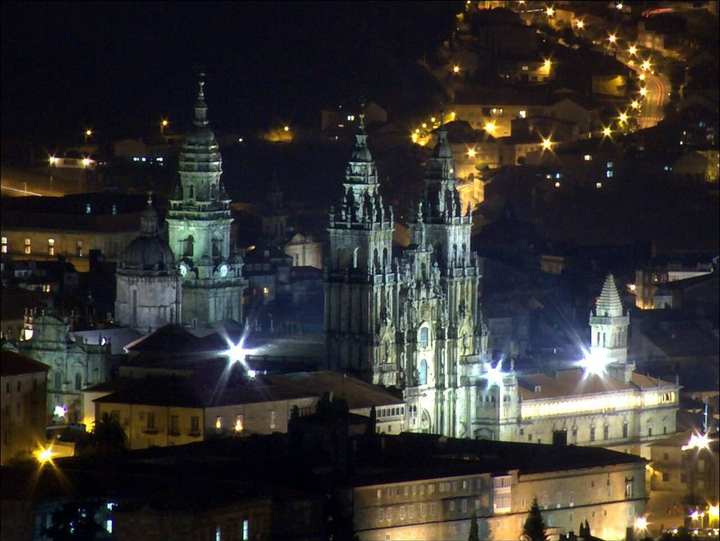
Spain
Camino de Santiago
The tomb of the Apostle James the Greater, at the end of the roads that cross the north of Spain. People have walked them for a thousand years to pray at that tomb, and to let the walk itself become a confession.
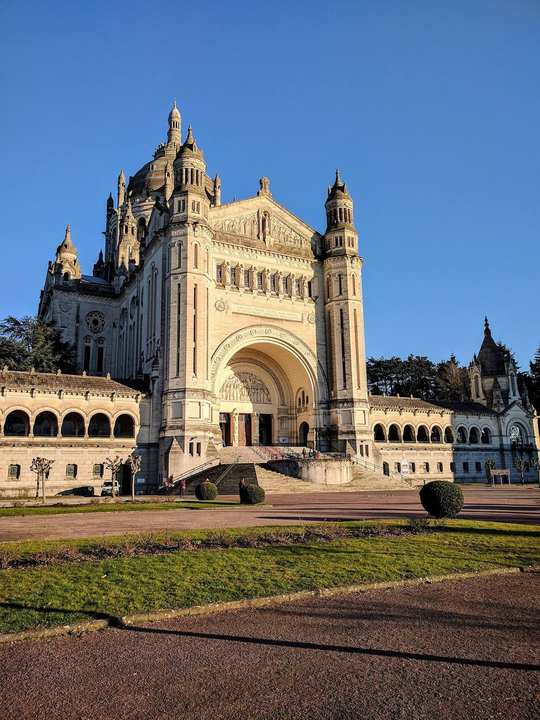
France
Lisieux
The little way has an address. A Norman Carmelite who promised a shower of roses, a basilica on a hill, the relics of a Doctor of the Church who died at twenty-four. People still come to ask her for ordinary holiness, which is the hardest kind.
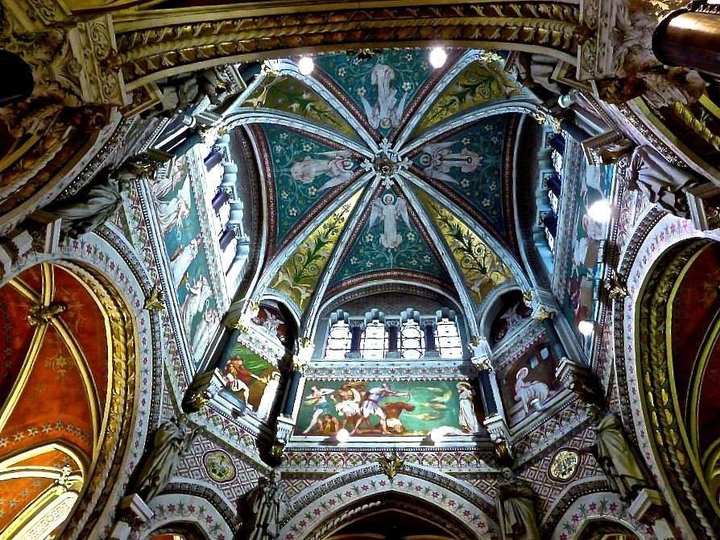
France
Ars
The Curé of Ars, patron of parish priests, whose confessional was a national event. A tiny village, a painted basilica, the heart of a man who slept almost not at all because sinners kept coming. You go to remember what a priest is for.
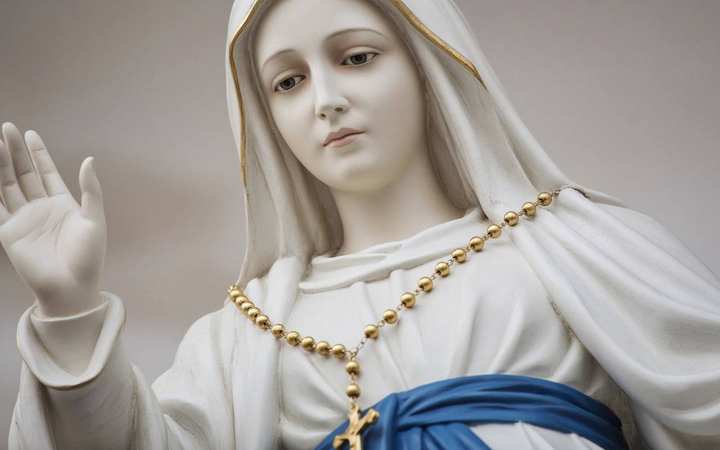
Belgium
Banneux
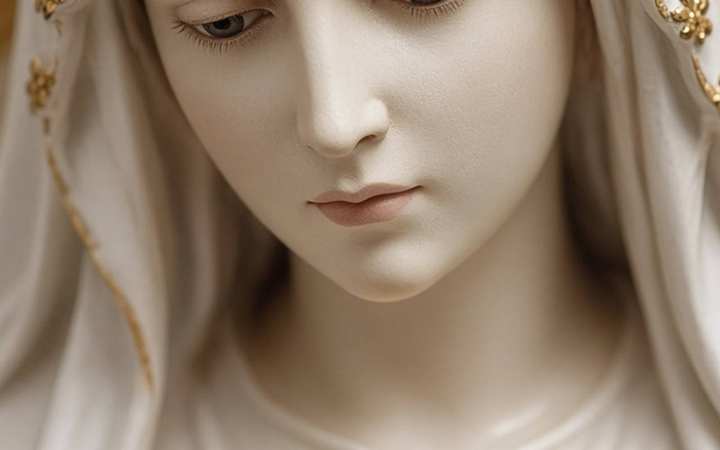
1933. A poor girl, a spring, a sentence: I am the Virgin of the Poor. Approved. Quiet. People still come for the sick, as she asked, and for a Belgium that has not forgotten how to kneel.
Belgium
Beauraing
1932–33. Five children, a golden heart, a lady who asked for a chapel and for people to be good. Approved. The hawthorn is still there. So is the request.
France
Pontmain
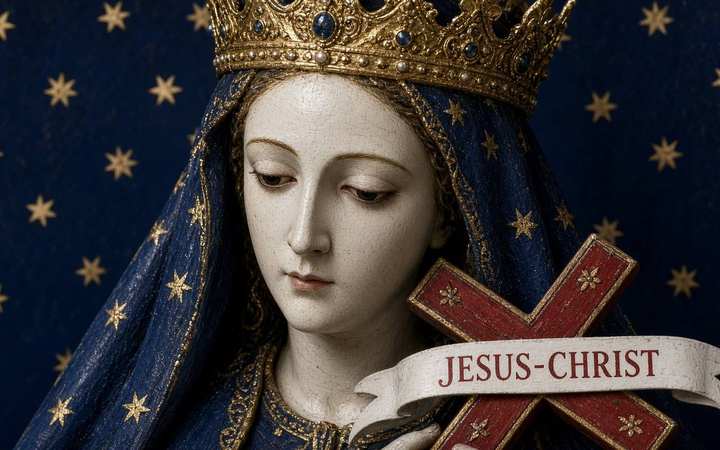
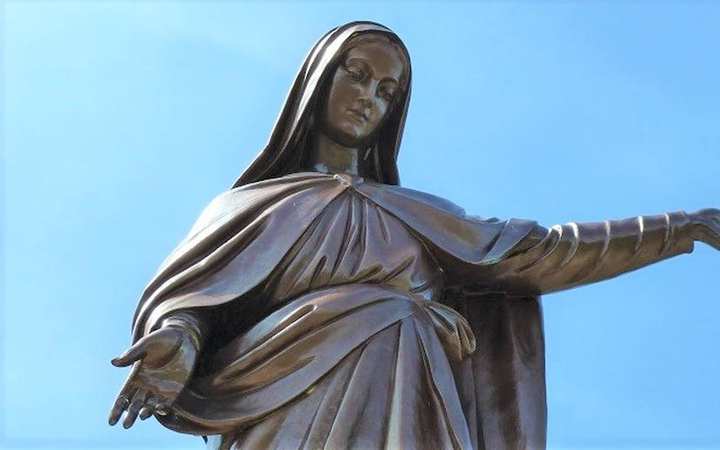
January 1871, a Prussian army in the next valley, children looking up. A lady in the sky, a message that unrolled like a banner: But pray, my children. God will hear you in a short time. The advance stopped. Approved. A village still looking up.
France
Le Laus
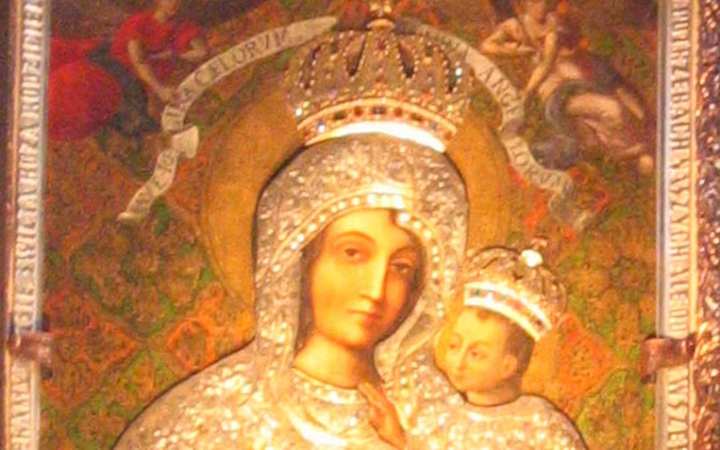
A shepherdess, Benoîte Rencurel, met Mary in the high Alps in 1664 and for decades after. A refuge for sinners, a smell of perfume the place is still known for, a sanctuary of reconciliation. Approved in 2008 — one of the rare modern yeses to an old French apparition.
Poland
Gietrzwałd
1877. Poland’s approved apparition — two girls, a lady who spoke Polish under Prussian rule, a spring, a rosary. The brick shrine still stands in the fields of Warmia. You go because Mary spoke the language of a people who were not supposed to keep it.
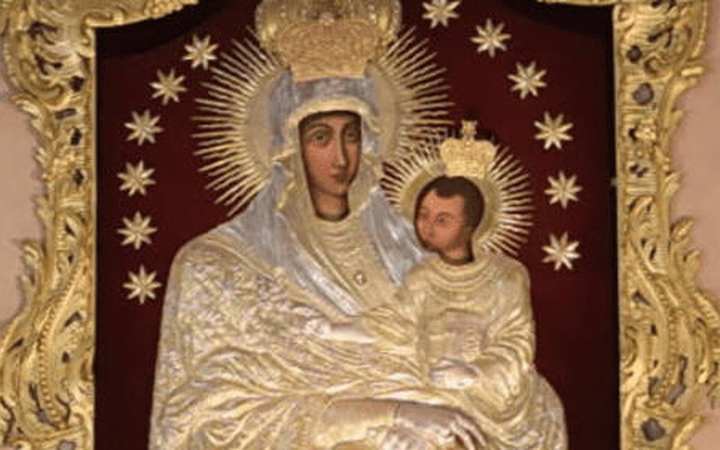
Lithuania
Šiluva
1608. Europe’s first widely received Marian apparition of the modern era: a lady holding the Child, weeping, on a rock, in a land where Calvinists had taken the church. The buried Catholic articles were found. Lithuania still comes. You go because a small nation kept the faith, and she met them in a field.
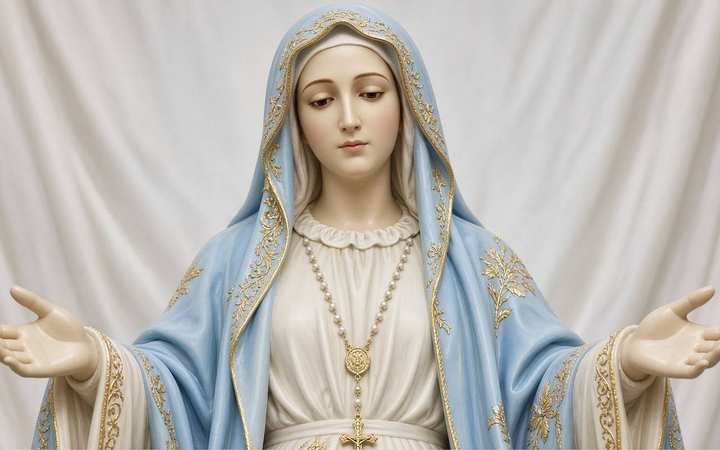
Venezuela
Betania
1976 onward. María Esperanza, a farm, a lady who called herself Reconciler of Peoples, an apparition a bishop approved in 1987. The land is still a farm. People still come for healing and for a Venezuela that needs reconciliation as much as any country on earth.
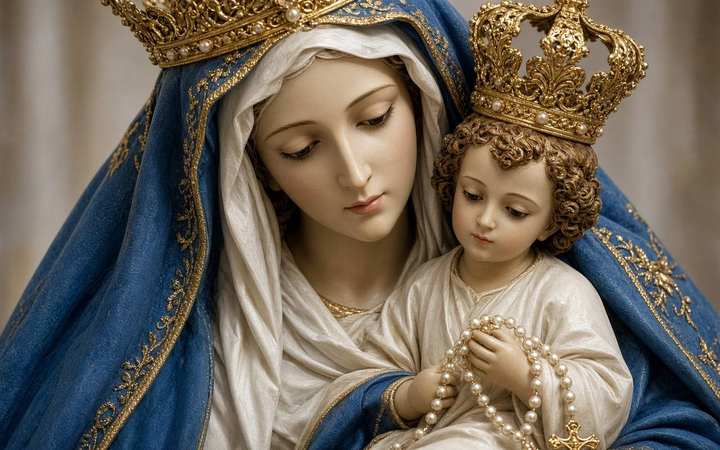
Argentina
San Nicolás
A housewife, Gladys Quiroga de Motta, a statue that moved, thousands of messages, a church the size of a country’s prayer. In 2016 the bishop declared the apparitions supernatural. Argentina comes here as Mexico goes to Tepeyac.
Egypt
Zeitoun
1968. A luminous woman on the dome of a Coptic church, seen by crowds of Muslims and Christians, photographed, reported in the papers, never giving a message. The Coptic pope received it. Catholics have gone ever since. You go because Mary appeared over a city that still holds the Holy Family’s memory.
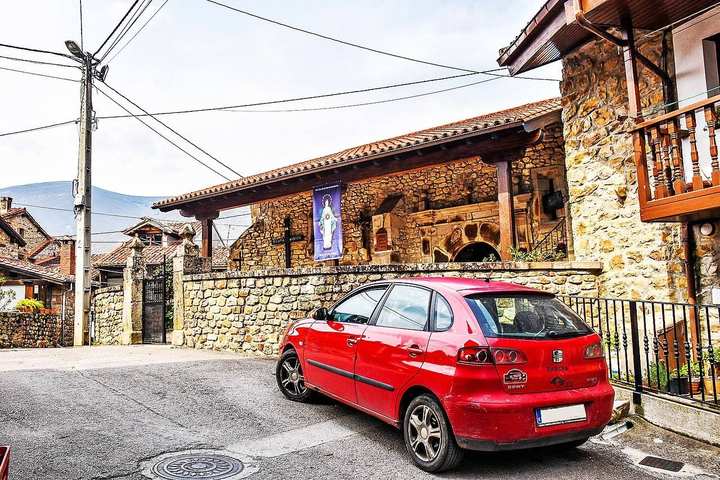
Spain
Garabandal
Four girls, the pines, ecstatic walks backward, a warning and a promise. The Church has not approved the apparitions. She has not condemned the village’s prayer either. People still climb to the pines. Go as a pilgrim of the rosary, not as a collector of dates.
Poland
Sokółka
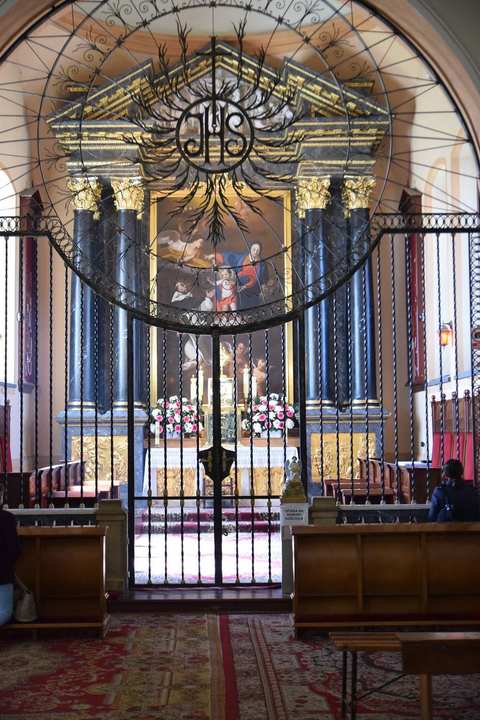
A dropped Host, a red stain, two pathologists reporting heart muscle fused with the bread. The Archbishop of Białystok authorized veneration. You go to look at a twenty-first-century Lanciano in a Polish parish, and to go to Mass afterward in the ordinary way.
India
Vilakkannur
During Mass on 15 November 2013, a face appeared on the consecrated Host — bearded, wounded, the Holy Face as the Church has always painted him. In 2025 the Holy See allowed the diocese to present the event as a Eucharistic miracle. You go to look at him who looks at you from the altar.
Italy
Manoppello
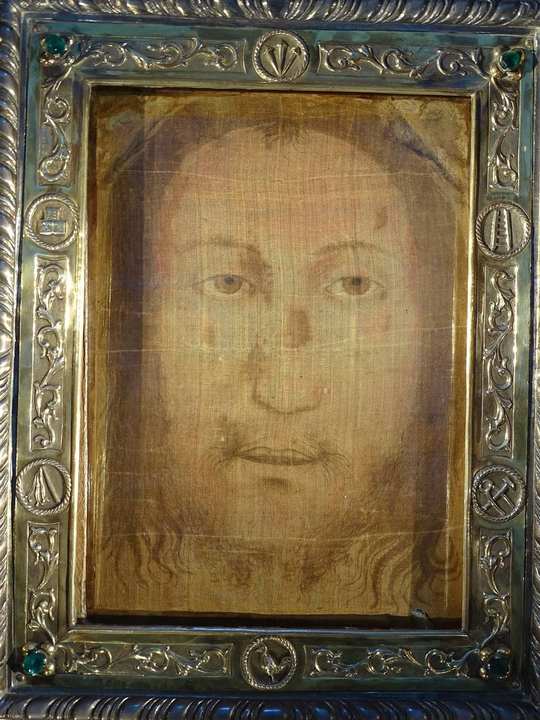
A thin veil, transparent as silk, with the face of a man who has been beaten — visible from both sides, said by its keepers to be the Veronica, or the cloth of the empty tomb. Benedict XVI went. You go because a Face is being shown in a small Abruzzo town, a short drive from Lanciano’s Host.
Italy
Orvieto & Bolsena
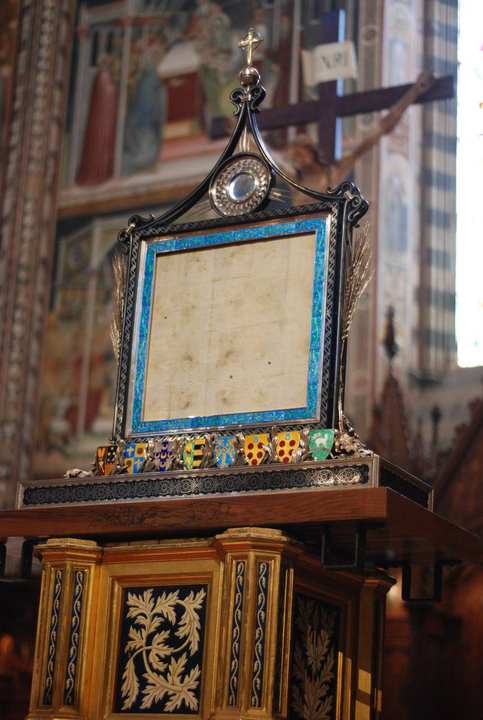
A doubting priest, a bleeding Host, a pope in the next town, and Corpus Christi given to the whole Church. Aquinas wrote the hymns in this air. You go to kneel before the linen, and to hear Tantum ergo in the cathedral that exists because of it.
Portugal
Santarém
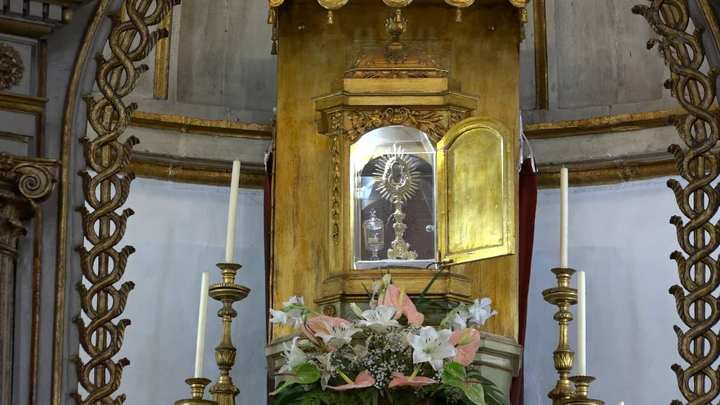
A stolen Host, a chest that shone, blood on the corporal — still reserved, still shown. Santarém is Fátima’s Eucharistic sister, an hour away. You go because the same country that saw the sun dance also kept a bleeding Host for eight centuries.
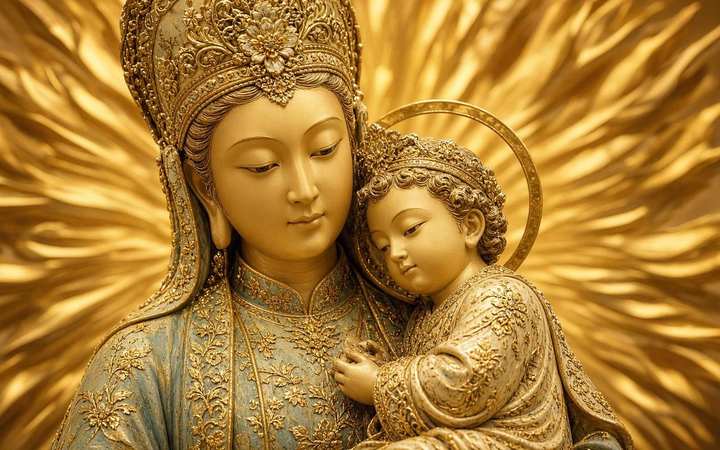
Vietnam
La Vang
A lady in áo dài, in a jungle, telling hiding Christians to boil the leaves for medicine. You go because a persecuted Church was given a mother in its own clothes, and because the basilica still fills the clearing.
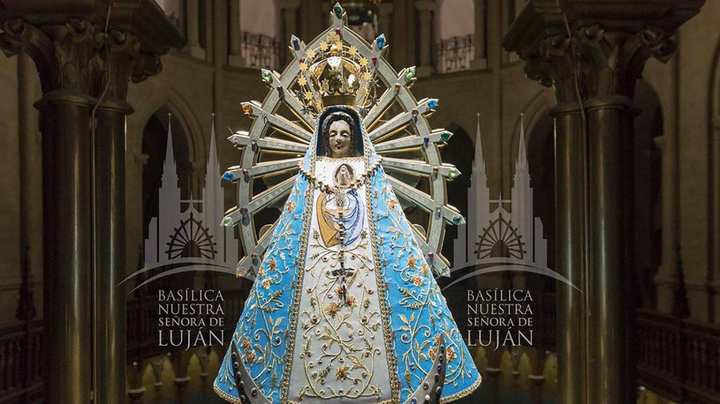
Argentina
Luján
A terracotta Immaculate who would not be moved from a river crossing. Argentina’s mother. You go because a nation still walks to her, and because the image is small enough to break your idea of how a patroness should look.
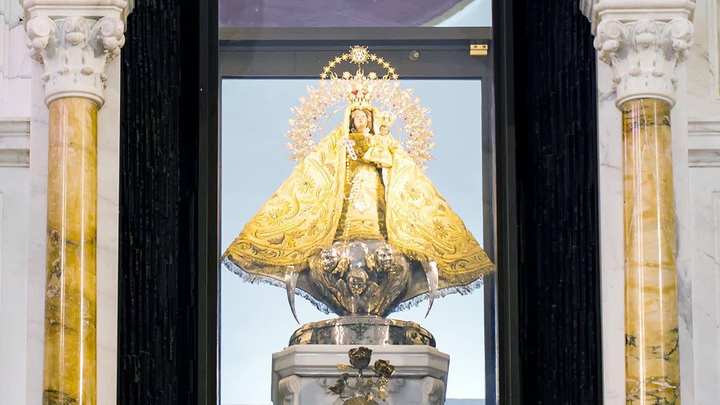
Cuba
El Cobre
Found on the water by two indigenous men and an African child: I am the Virgin of Charity. Cuba’s patroness, in a copper-mining town. You go because the island’s whole wound is in the boat, and she has never left it.
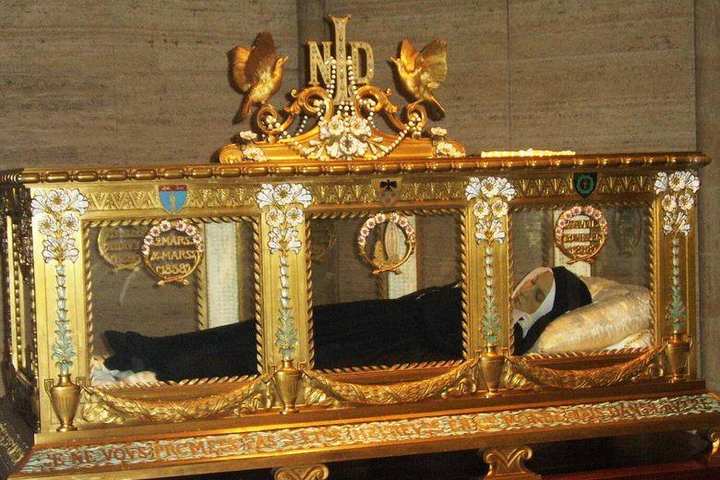
France
Nevers
The seer of Lourdes lies in a glass casket in the convent where she hid. You go to look at the girl who did not want to be looked at — and to finish the Lourdes story in the silence she chose.
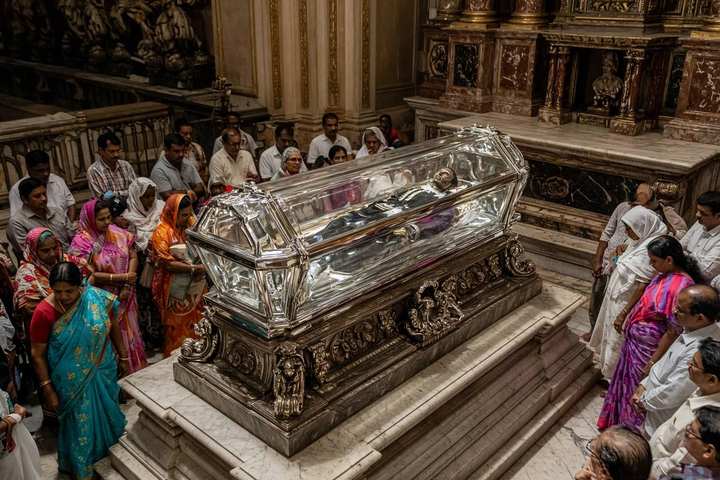
India
Old Goa
The missionary who died waiting for China, packed in lime, found fresh months later. You go to the baroque basilica where Asia still files past his coffin, and to remember that the missions had a body, not only a map.