Pilgrimage 1
The Holy Land
Why people go
Christians go to the Holy Land because Our Lord lived, died, and rose there. Every later pilgrimage learns its shape from that one. A person leaves home. A person walks. A person comes to a place that is named in the Gospel, and prays. The shepherds did it on the night of the birth. Mary and Joseph did it when they brought the child to the Temple. The disciples did it on the road to Emmaus, and then turned back to the city. The Church has kept those places ever since, above all the Basilica of the Nativity at Bethlehem and the Church of the Holy Sepulchre in Jerusalem, where the crucifixion and the empty tomb are venerated.
What is there
The seven stops, and what a pilgrim finds at each of them now, are studied in The Journey of Jesus. They should be read there, in that order, and not repeated here as if a second account could improve on the Gospel. Bethlehem is the birth. Nazareth is the hidden life and the day the Word was made flesh. The Jordan is the baptism. Cana is the first sign. Capernaum is the town of the public ministry by the lake. Jerusalem is the Supper, the cross, and the tomb. Emmaus is the risen Lord known in the breaking of the bread. The distances, the churches, the Custody of the Holy Land, and the photographs of those shrines belong to that study.
A pilgrim who can go should go to the altar, not only to the view. At the Holy Sepulchre the Church gathers the memory of the death and the resurrection in one building. The other great shrines in this file, Lourdes and Fátima and Walsingham and Loreto among them, send the pilgrim back to him. They do not replace the places where he walked.
The Saint
The Holy Land is the pilgrimage of Our Lord himself. Our Lady is there with him, from Nazareth to the cross. The Apostles are there. The Saints of the later roads are his friends. They are not a second centre.
The feast
The feasts that govern this pilgrimage are the feasts of the Lord: Christmas, the Epiphany, the Baptism of the Lord, the Annunciation on 25 March, the Passion, Easter, and the Ascension. The Church also keeps the dedication of the great shrines in their own days. Those days are named in the Journey, at the places they belong to.
Photographs
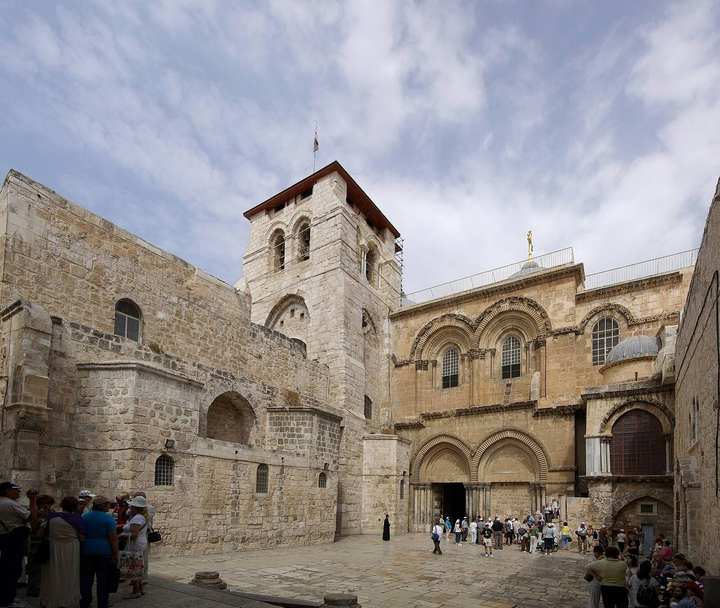
The entrance front of the Church of the Holy Sepulchre in Jerusalem, the church of the crucifixion and the empty tomb.
Wikimedia Commons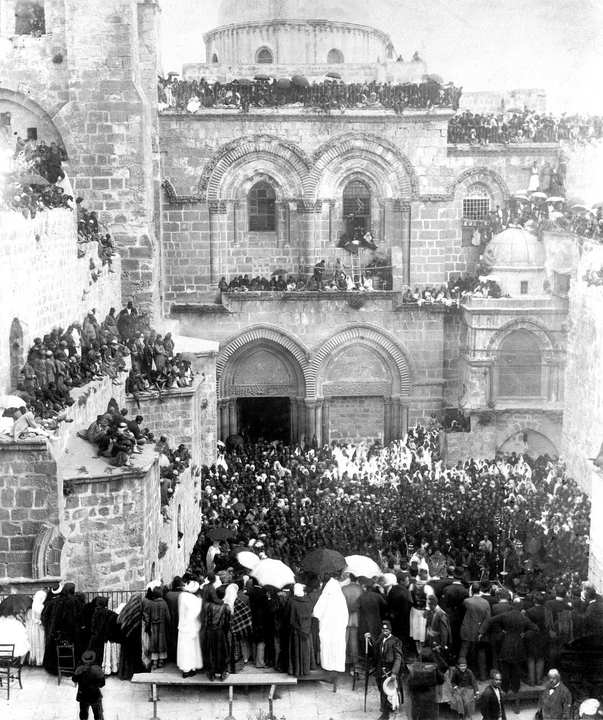
The same church in a nineteenth-century photograph, before the modern square was opened out.
Wikimedia Commons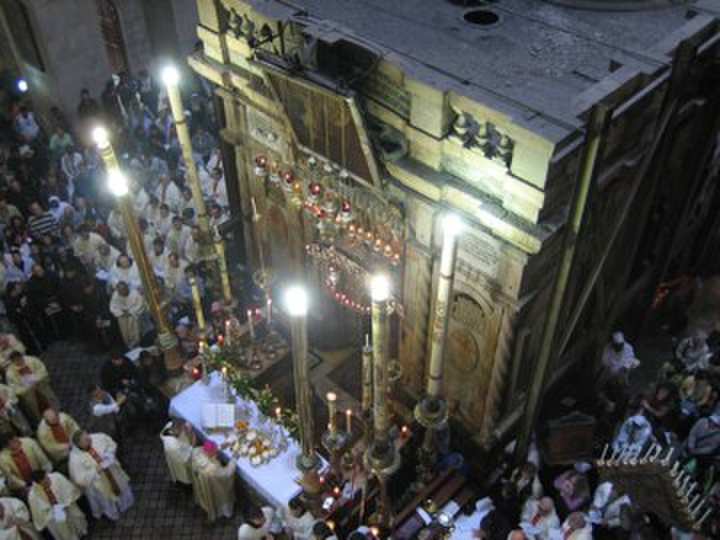
The interior of the Holy Sepulchre during the liturgy, which is what the pilgrimage is for.
Wikimedia Commons
On the road
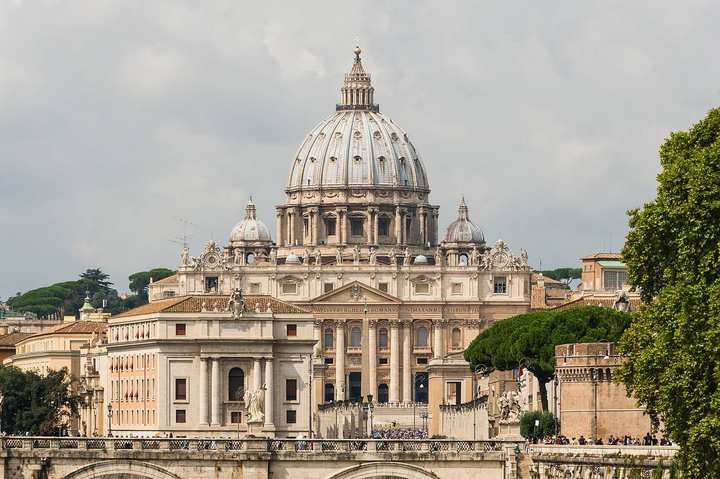
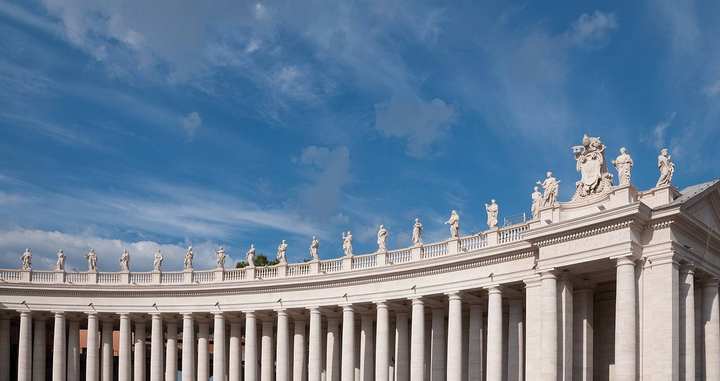
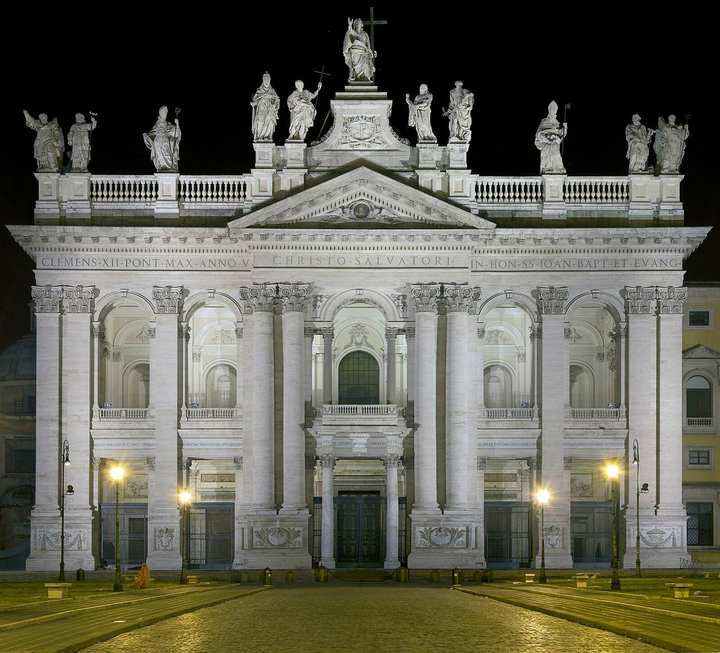
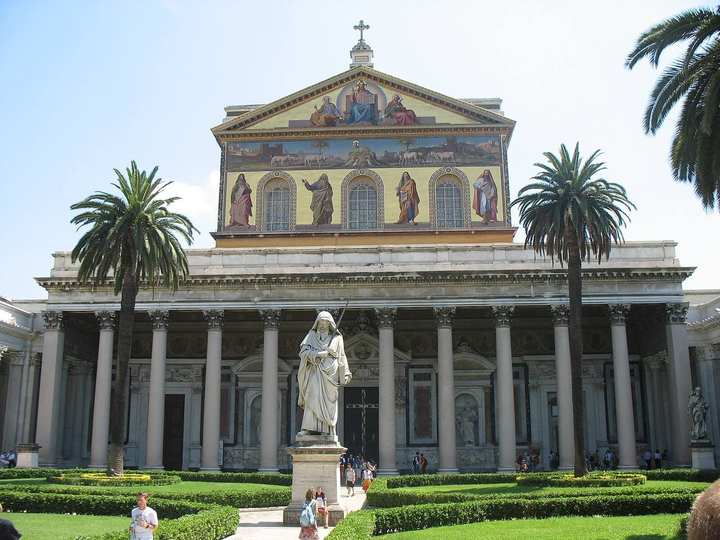
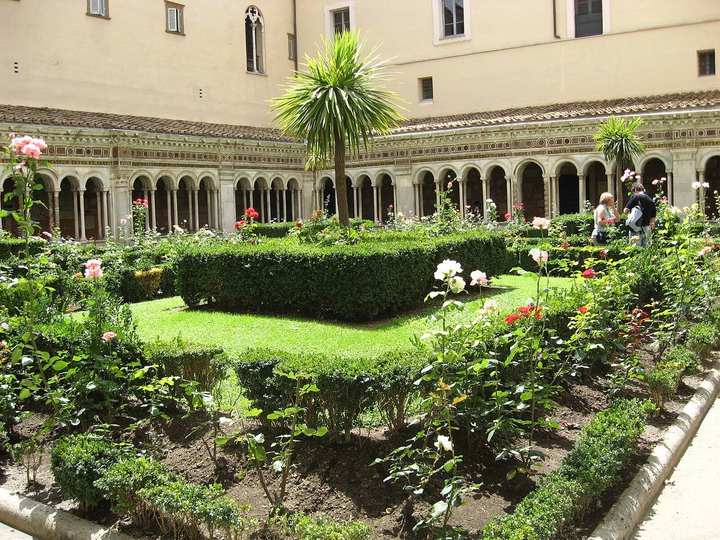
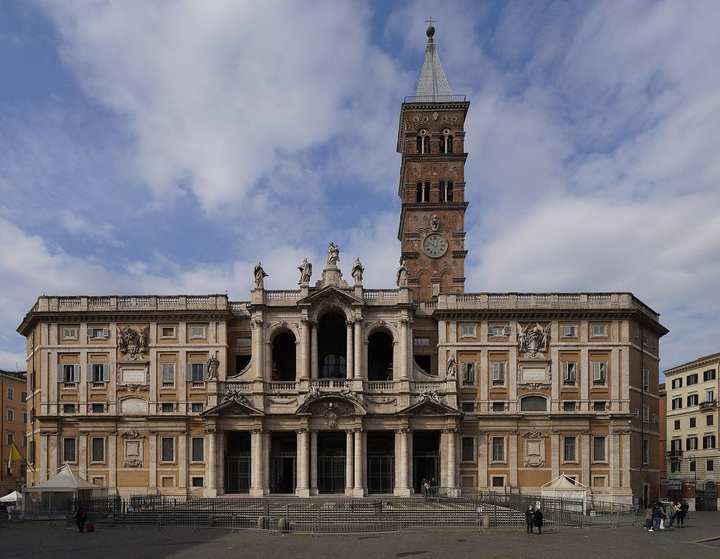
From Jerusalem the old pilgrim roads led on to Rome. Peter and Paul died there. The Pope teaches there. The four great basilicas are the next study, and they are one pilgrimage, not four separate outings.

_1880s.jpg)


_-_2025-09-21_00-39-01_001.jpg)
.jpg)
.JPG)


.jpg)
_Basilique_de_l%27Immacul%C3%A9e-Conception_01.jpg)


_4.jpg)

.jpg)
.jpg)


01.jpg)


.jpg)
