Skip to content

St. John of the Cross

Feast 14 December

Carmelite reformer. Doctor of mystical theology. The Dark Night.

St. John of the Cross

Sacred art

Statues and images

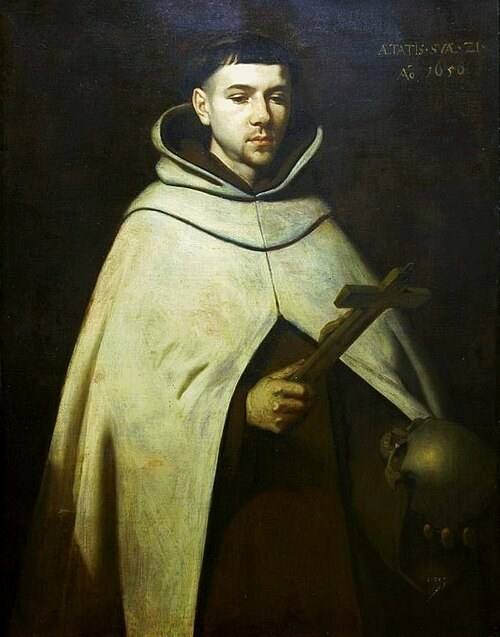
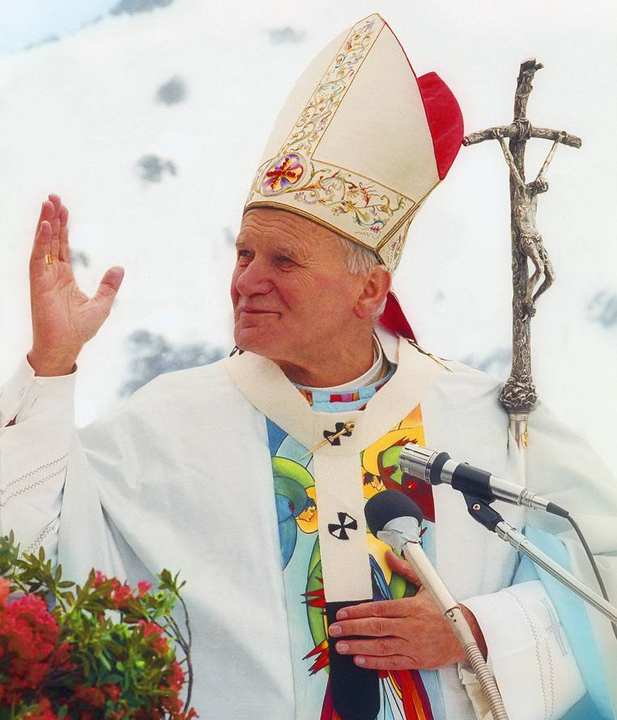
The portrait kept with St. John of the Cross is the image this library has of John. The honour goes to the person, and through the person to God. It is not a machine, and it is not a substitute for the life written below.

The whole treasury

Friend of Teresa of Ávila. Jailed by his own. Died 1591. The Ascent of Mount Carmel. A man who wrote that God is found when the lights go out.

Signs that name John

If it belongs to John, it is here, with a door back into the story.

The Incarnation — Nazareth & Bethlehem
GospelSacred Scripture

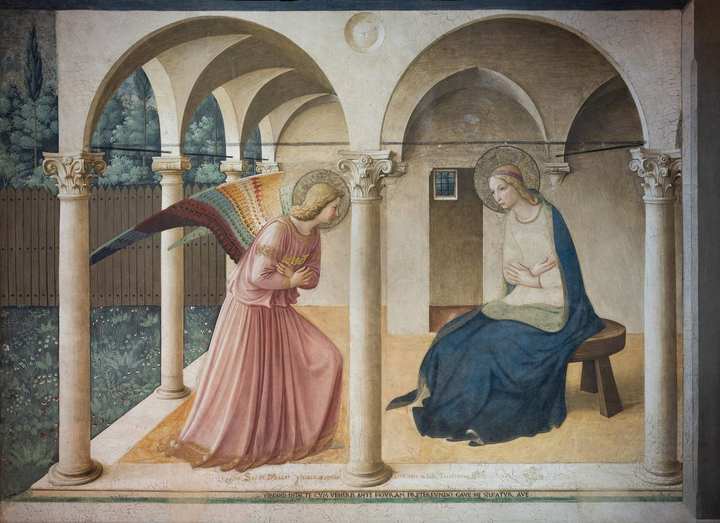
The Incarnation

Nazareth & Bethlehemc. 1 BC – AD 1

The central Catholic claim: the eternal Son of God took a human nature in the womb of Mary. Every later miracle is a footnote to this one.

Water into Wine — Cana of Galilee
GospelSacred Scripture

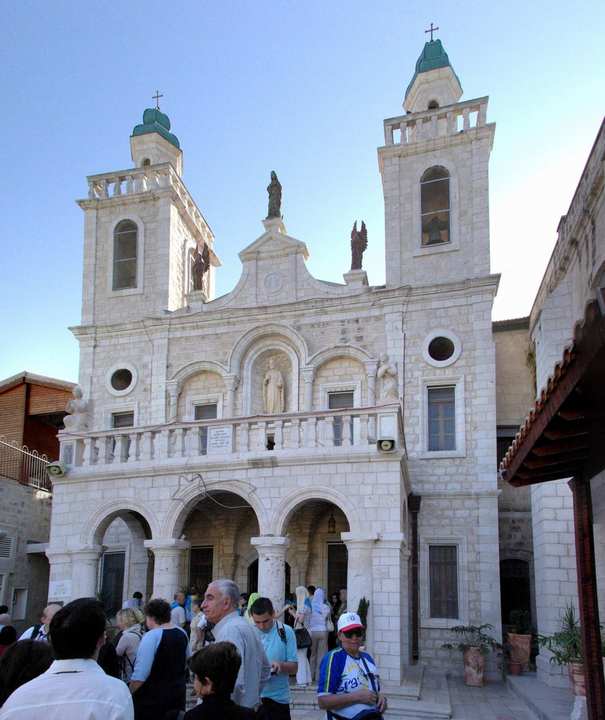
Water into Wine

Cana of Galileec. AD 30

Jesus’ first public sign in John’s Gospel: at a village wedding, at Mary’s request, water becomes wine — good wine, and a great deal of it.

The Feeding of the Five Thousand — Near the Sea of Galilee
GospelSacred Scripture

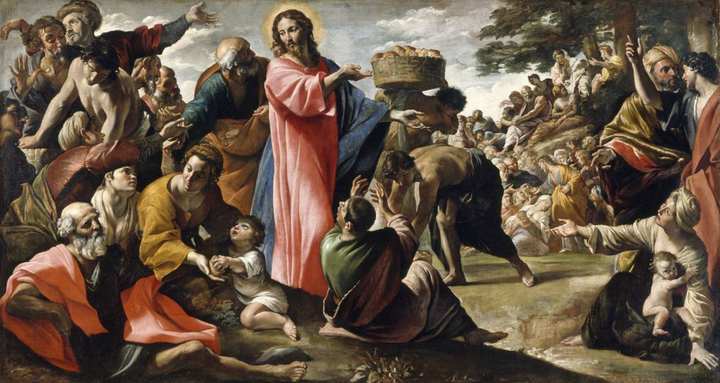
The Feeding of the Five Thousand

Near the Sea of Galileec. AD 31

With five barley loaves and two fish, Jesus feeds a crowd of thousands. It is the only wonder told in all four Gospels — and John uses it to teach the Eucharist.

The Transfiguration — A high mountain (traditionally Tabor)
GospelSacred Scripture

The Transfiguration

A high mountain (traditionally Tabor)c. AD 32

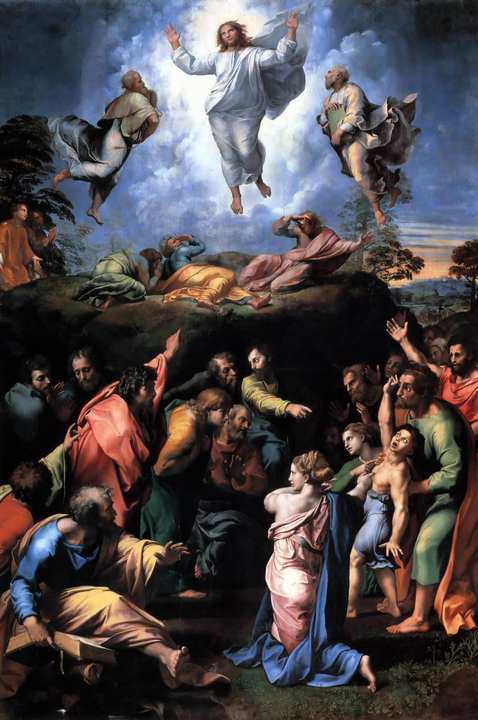
Peter, James, and John see Jesus’ face shine like the sun, Moses and Elijah speaking with him, a bright cloud, and the Father’s voice. A glimpse of glory before the cross.

The Raising of Lazarus — Bethany
GospelSacred Scripture

The Raising of Lazarus

Bethanyc. AD 33

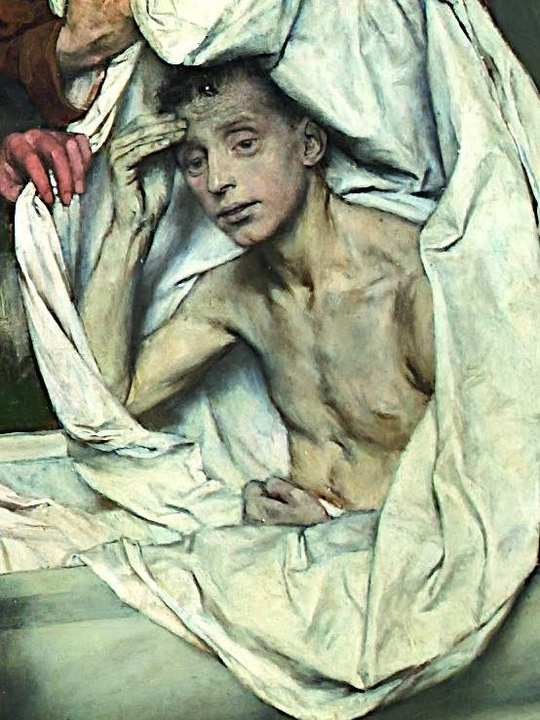
Four days in the tomb, already a stench: Jesus calls Lazarus out. It is the last great sign in John before the Passion — and it helps to cause it.

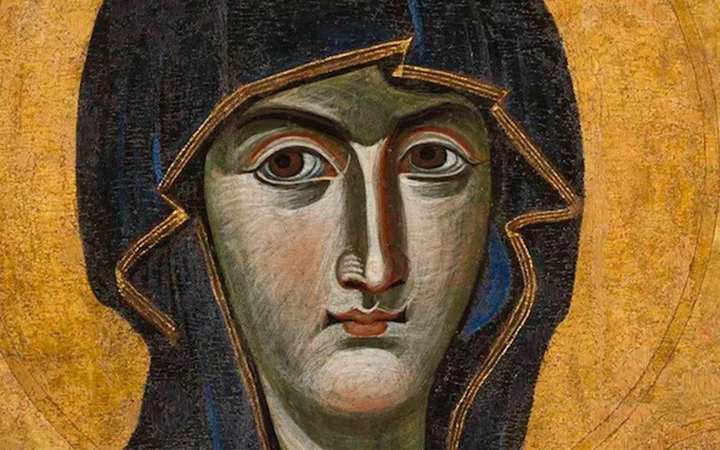
Our Lady of the Snows — Esquiline Hill, Rome. The face of the Salus Populi Romani icon: Mary’s dark eyes, a gold halo, the Child against her cheek.
NatureLong veneration

Our Lady of the Snows

Esquiline Hill, RomeTradition: 5 August 358

A childless Roman couple vow their fortune to Mary. On a hot August night, snow falls on the Esquiline in the shape of a church. The basilica of St. Mary Major stands there.

The Body of St. Cuthbert — Durham Cathedral
RelicLong veneration

The Body of St. Cuthbert

Durham CathedralDied 687; found intact 698 and 1104

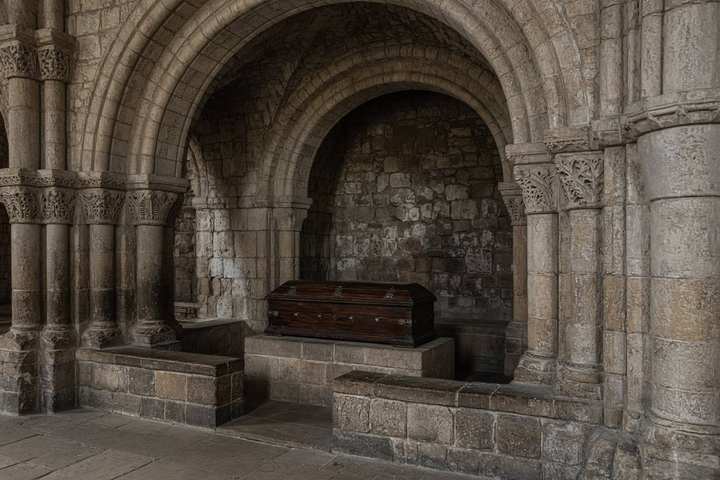
The bishop of Lindisfarne, buried on his island, found incorrupt eleven years later, carried across Northumbria from the Vikings, opened again at Durham in 1104 still described as entire. The coffin, the stole, the pectoral cross remain.

The Holy House of Loreto — Loreto
RelicLong veneration

The Holy House of Loreto

LoretoTradition: arrived 1294

A small stone house, now inside a basilica, claimed to be the house of the Holy Family, carried from Nazareth by angels — or, as later historians prefer, by the princely family of Angeli. Popes have piled privileges on it. Archaeologists argue.

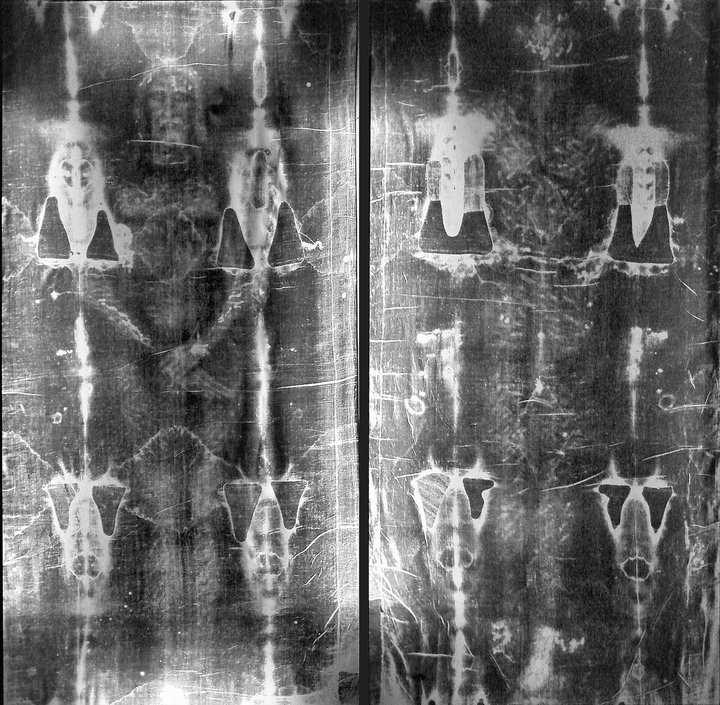
The Shroud of Turin — Turin (earlier Lirey, Chambéry). The full length of the Shroud, front and back, as the photographic negative shows the body: head, scourged back, crossed hands, and the wounds. Not the face alone.
ImageOpen / under study

The Shroud of Turin

Turin (earlier Lirey, Chambéry)First documented 1354; claimed as 1st century

The Shroud of Turin is a linen cloth bearing the faint image of a crucified man. Many Catholics believe it may be the burial cloth of Jesus Christ. The Church has not formally declared it authentic.

6 studied signs on this image

St. Eustochia Calafato — Montevergine, Messina
RelicChurch-approved

St. Eustochia Calafato

Montevergine, MessinaDied 1485

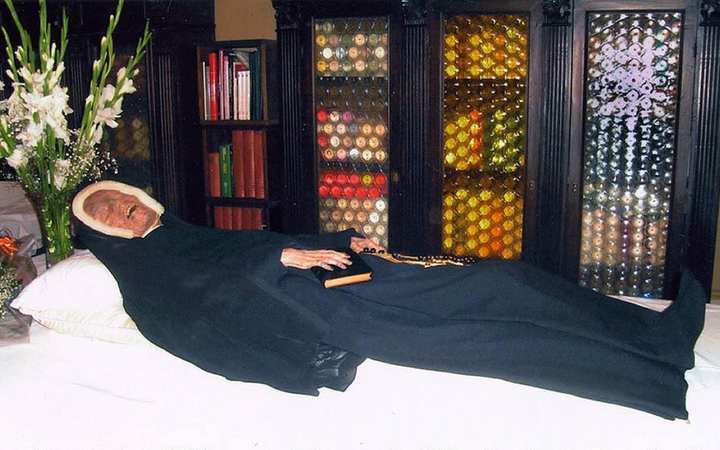
A Poor Clare of Messina, of great austerity, whose body remains seated in the choir of her monastery — another of the sitting saints of the Italian south, intact, vested, at her place.

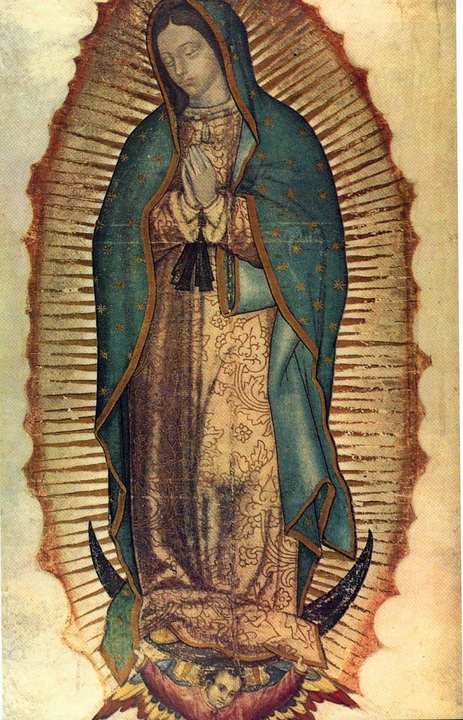
Our Lady of Guadalupe — Tepeyac, Mexico City. The tilma of Juan Diego: Mary as a mestiza woman, hands in prayer, standing on a crescent, stars on her mantle, the image that still hangs in Mexico City.
MarianChurch-approved

Our Lady of Guadalupe

Tepeyac, Mexico City1531

Mary appears to St. Juan Diego, asks for a church, and leaves her image on his cactus-fiber tilma — an image still visible, and still drawing millions, nearly five centuries later.

6 studied signs on this image

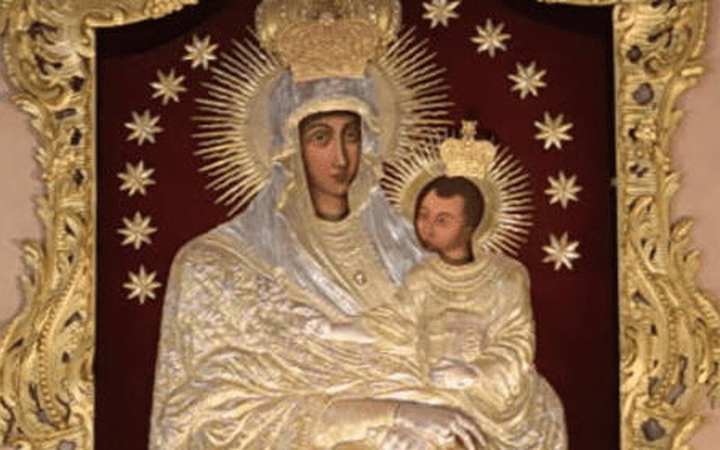
Our Lady of Šiluva — Šiluva. An icon of Mary holding the Child, covered in a silver riza, candles at the edge of the frame.
MarianChurch-approved

Our Lady of Šiluva

Šiluva1608

In a village that had lost its Catholic church to the Reformation, children see a woman holding the Child and weeping. A buried chest of liturgical treasures is found. Lithuania’s great Marian shrine begins.

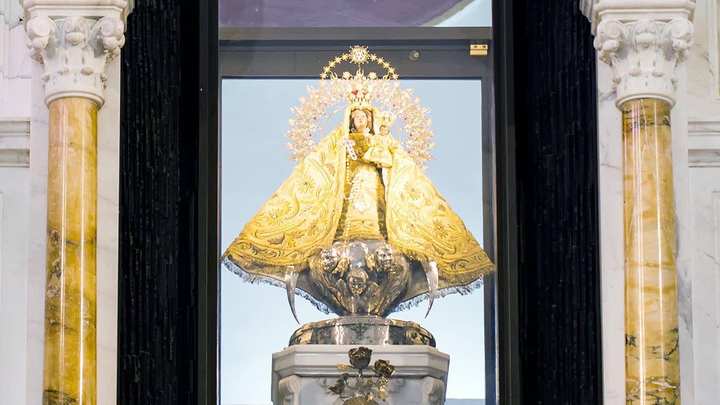
Our Lady of Charity of El Cobre — El Cobre, Santiago de Cuba
MarianLong veneration

Our Lady of Charity of El Cobre

El Cobre, Santiago de Cubac. 1612–1613

Three men in a boat — two Indians, one African child — find a small statue on the water after a storm: “I am the Virgin of Charity.” She is Cuba’s patroness, the lady of a copper-mining town, of exiles, of a people who have had to carry her.

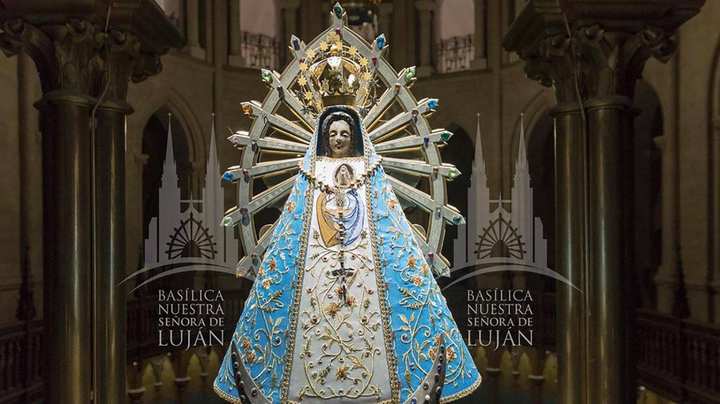
Our Lady of Luján — Luján, Buenos Aires Province
MarianLong veneration

Our Lady of Luján

Luján, Buenos Aires Province1630

A small terracotta image of the Immaculate, being carried from Brazil, will not move from a spot on the Luján river until it is set down. A shrine grows. She is patroness of Argentina, Uruguay, and Paraguay.

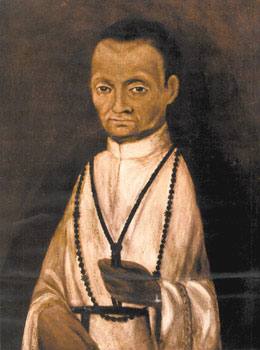
St. Martin de Porres — Lima
SaintChurch-approved

St. Martin de Porres

LimaDied 1639

A Dominican brother, son of a Spanish noble and a freed Black woman, barred from full priesthood by race, whose life in Lima was a cascade of healings, bilocation, and a rapport with animals that hagiography cannot quite make ordinary.

St. John Southworth — Westminster Cathedral, London
RelicChurch-approved

St. John Southworth

Westminster Cathedral, LondonMartyred 1654

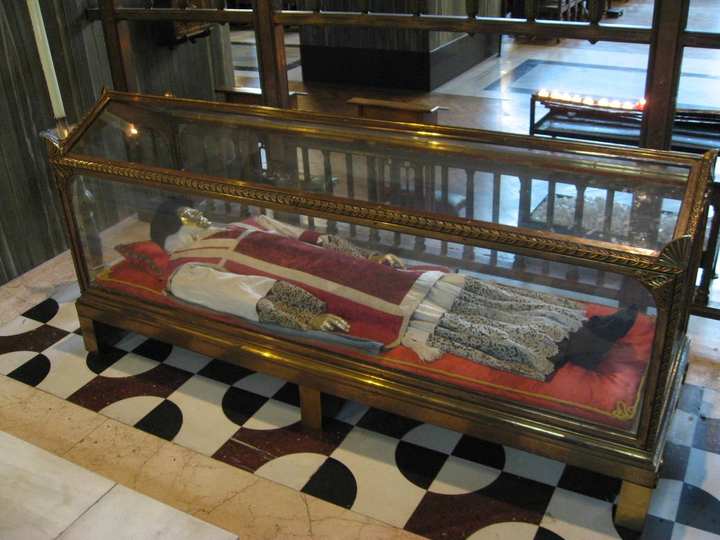
A secular priest, hanged at Tyburn for his office. The body was bought from the executioner, smuggled to Douai, found remarkably preserved, and in 1930 brought to Westminster Cathedral, where he lies in a glass coffin in the north aisle.

The Body of St. Andrew Bobola — Jesuit church, Warsaw
RelicChurch-approved

The Body of St. Andrew Bobola

Jesuit church, WarsawMartyred 1657; found intact 1730

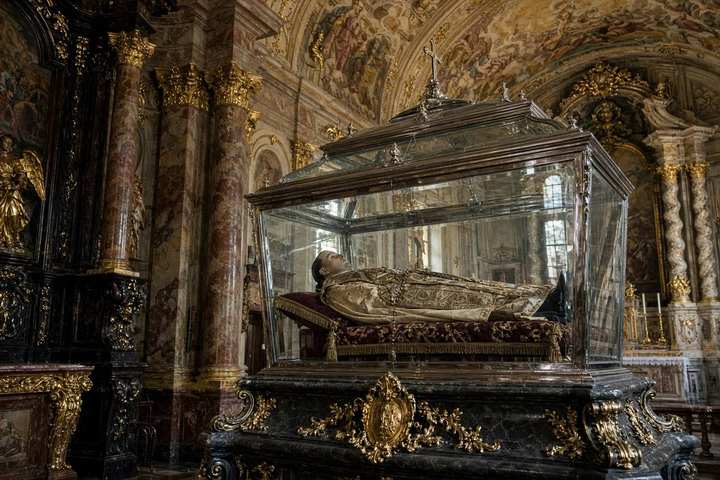
A Jesuit missionary, tortured and killed in Janów. Seventy-three years later the body is found incorrupt, the wounds still visible. The relic has been kidnapped by history — Pinsk, Polotsk, Moscow, Rome, Warsaw — and is home again.

The Body of St. Louise de Marillac — Rue du Bac, Paris
RelicChurch-approved

The Body of St. Louise de Marillac

Rue du Bac, ParisDied 1660

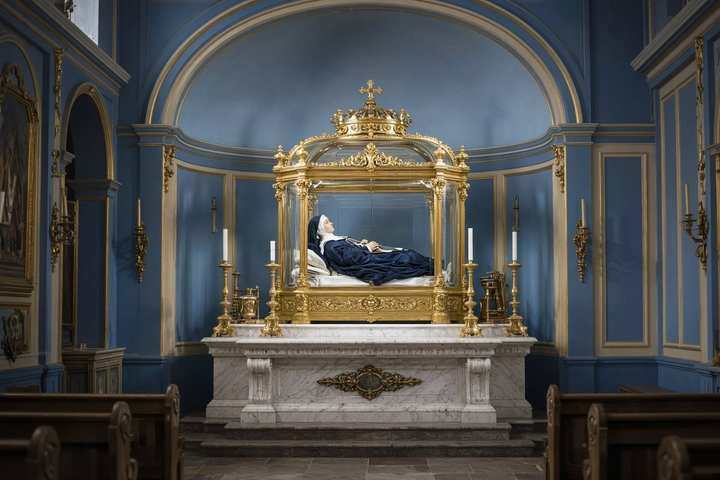
Co-founder of the Daughters of Charity with Vincent. Her body, found well preserved, lies in the chapel of Rue du Bac, across from Catherine Labouré and the chair of the apparitions.

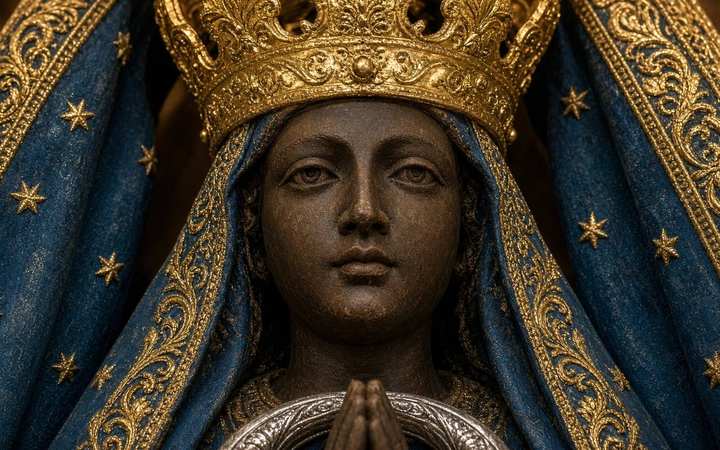
Our Lady of Aparecida — Paraíba River, then Aparecida. Close view of a dark terracotta statue of the Immaculate Conception: a serene face, hands joined, a tall golden crown, a blue mantle with gold stars. No basilica — the statue herself.
StatueLong veneration

Our Lady of Aparecida

Paraíba River, then Aparecida1717

Three fishermen, catching nothing, net a small, mud-dark broken statue of the Immaculate Conception — first the body, then the head — and then a haul of fish. She is the patroness of Brazil.

Our Lady of La Vang — La Vang, Quảng Trị
MarianLong veneration

Our Lady of La Vang

La Vang, Quảng Trịc. 1798

Christians hiding in the jungle from the Cảnh Thịnh persecution see a lady in áo dài, holding the Child, under a great tree. She tells them to boil the leaves for medicine. La Vang becomes the national Marian shrine of Vietnam.

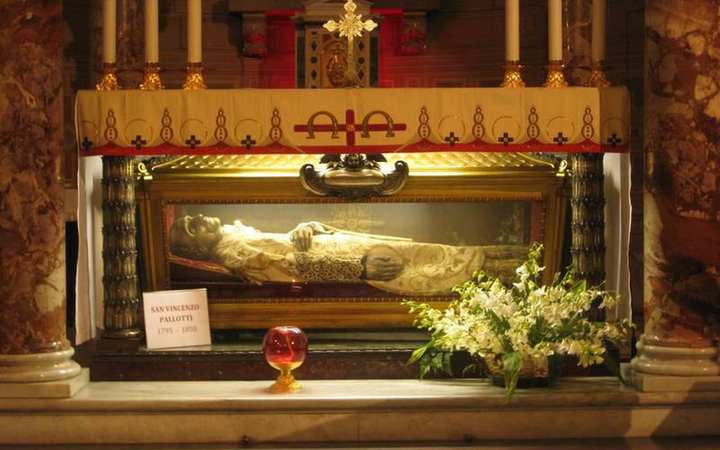
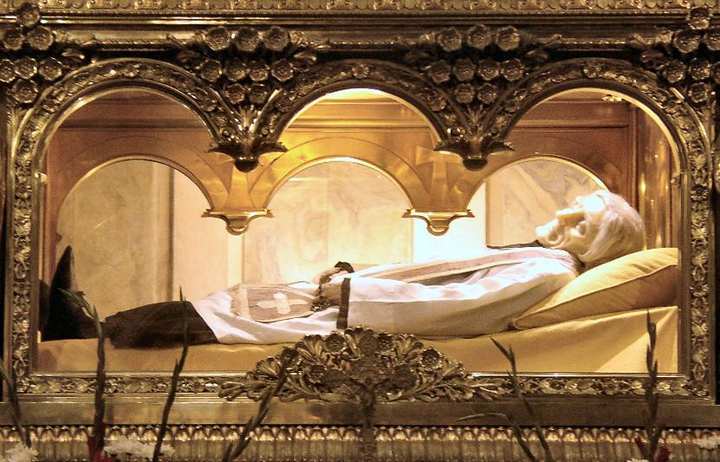
St. Vincent Pallotti — San Salvatore in Onda, Rome
RelicChurch-approved

St. Vincent Pallotti

San Salvatore in Onda, RomeDied 1850; body in San Salvatore in Onda

Roman priest, founder of the Pallottines, apostle of the idea that every Catholic is an apostle. The body is under the altar in his church in the Regola, a short walk from the Campo de’ Fiori.

St. John Vianney — Ars-sur-Formans
SaintChurch-approved

St. John Vianney

Ars-sur-FormansDied 1859

A poorly educated parish priest who turned a forgotten village into the confessional of France. Nights of diabolic harassment, a multiplying of food, knowledge of consciences, and a body still shown at Ars.

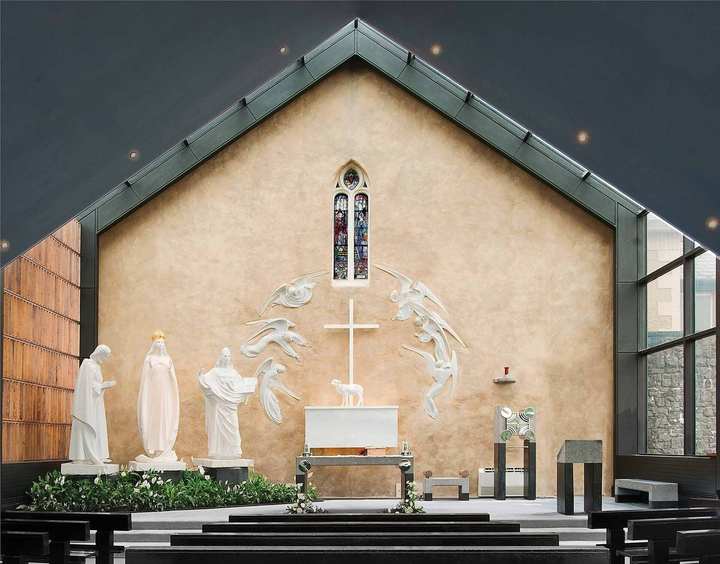
Our Lady of Knock — Knock, County Mayo. The Apparition Chapel at Knock: the white figures of Our Lady, Saint Joseph, and Saint John, the Lamb on the altar, angels on the gable wall.
MarianChurch-approved

Our Lady of Knock

Knock, County Mayo1879

On a wet evening, fifteen villagers see Mary, St. Joseph, St. John the Evangelist, and a Lamb on an altar against the parish gable. No word is spoken. The rain does not touch the vision.

St. Paula Frassinetti — St. Onofrio, Rome
RelicChurch-approved

St. Paula Frassinetti

St. Onofrio, RomeDied 1882; found intact 1906

Foundress of the Sisters of St. Dorothy. Exhumed in 1906, the body was intact, the habit fresh. She lies in the chapel of St. Onofrio on the Janiculum.

St. John Bosco — Turin
SaintChurch-approved

St. John Bosco

TurinDied 1888

Priest of street boys, founder of the Salesians, whose dreams — the two columns, the wolves turned lambs — guided an order, and whose life accumulated healings, multiplying chestnuts, and a reputation for reading the future of his boys.

St. Thérèse of Lisieux — Lisieux, Normandy
SaintChurch-approved

St. Thérèse of Lisieux

Lisieux, Normandydied 1897; canonized 1925

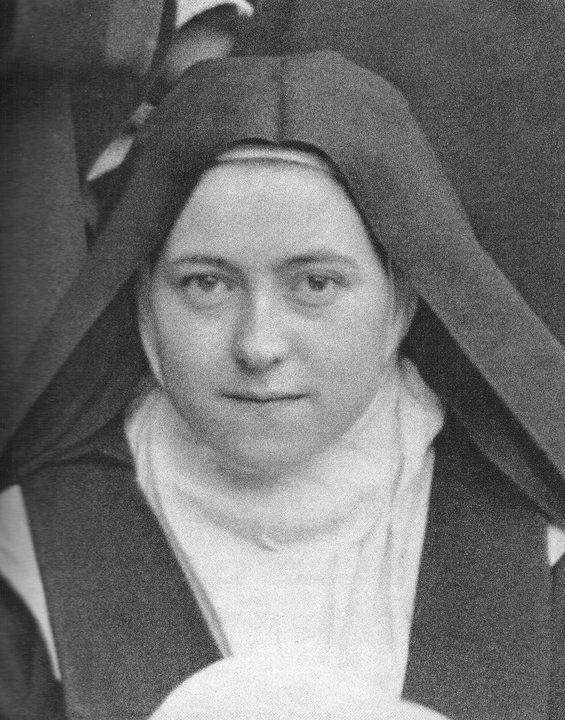
A Carmelite who died at twenty-four, promised a shower of roses, and was named a Doctor of the Church for a little way of trust that has sent more people to holiness — and to Lisieux — than any treatise.

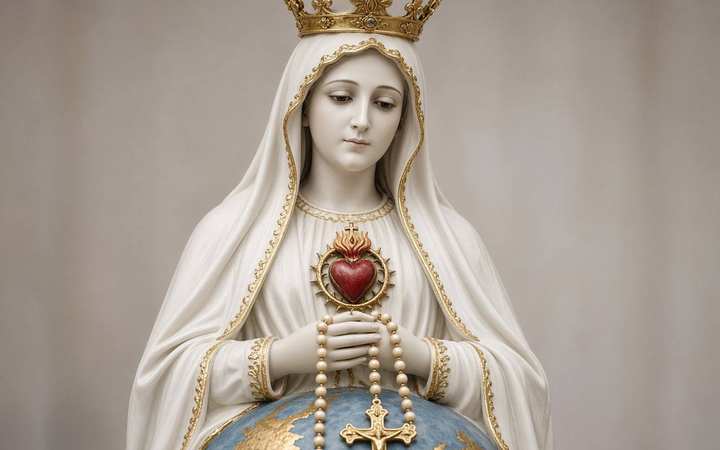
Our Lady of Fátima — Cova da Iria, Fátima. The statue of Our Lady of Fátima: white, crowned, the rosary, the Immaculate Heart.
MarianChurch-approved

Our Lady of Fátima

Cova da Iria, Fátima1917

In 1917, in a hollow of pasture called the Cova da Iria, near the village of Fátima in Portugal, three shepherd children — Lúcia dos Santos, ten, and her cousins Francisco Marto, nine, and Jacinta Marto, seven — saw a lady brighter than the sun, six times, on the 13th of the month from May to October. She asked for the rosary every day, for the conversion of sinners, for devotion to her Immaculate Heart, and that a chapel be built. On 13 July she showed them hell and spoke of war and of Russia. On 13 October, before a crowd of tens of thousands standing in the rain, including reporters who had come to mock, the sun appeared to dance. Francisco and Jacinta died in the influenza. Lúcia lived until 2005 as a nun. The bishop of Leiria declared the apparitions worthy of belief on 13 October 1930.
St. Pio of Pietrelcina — San Giovanni Rotondo
SaintChurch-approved

St. Pio of Pietrelcina

San Giovanni RotondoStigmata 1918; died 1968

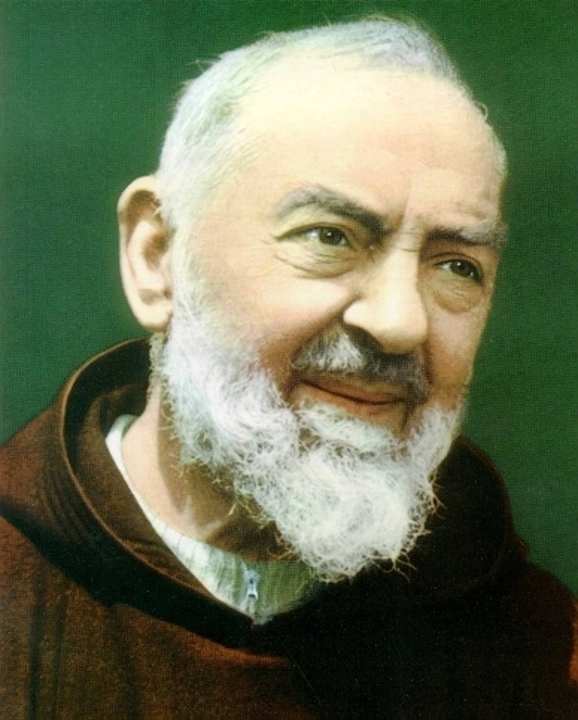
A Capuchin friar who bore the five wounds of Christ for fifty years, heard confessions for ten hours a day, and was accused, banned, filmed, loved, and finally canonized. The most investigated mystic of modern times.

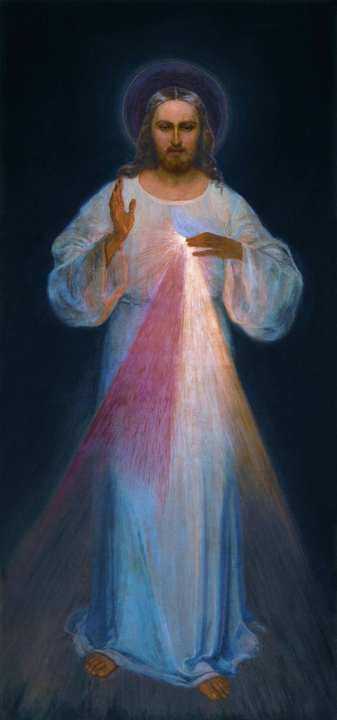
The Divine Mercy Image — Płock, then Vilnius
ImageChurch-approved

The Divine Mercy Image

Płock, then Vilnius1931 (vision) · 1934 (first painting)

Jesus appears to St. Faustina Kowalska and asks for an image: one hand raised in blessing, the other touching the heart, two rays — pale and red — and the signature “Jesus, I trust in You.” The devotion was once suppressed, then became a universal feast.

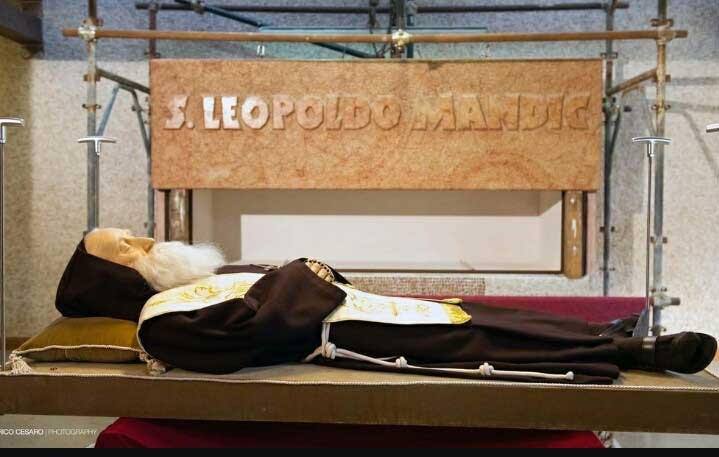
St. Leopold Mandić — Padua
RelicChurch-approved

St. Leopold Mandić

PaduaDied 1942; body shown in Padua

A tiny Croatian Capuchin, hunched, who sat in a confessional in Padua for thirty years. The body, exhumed for beatification, was found intact and is now in a glass shrine in his church — a confessor who did not leave his box.

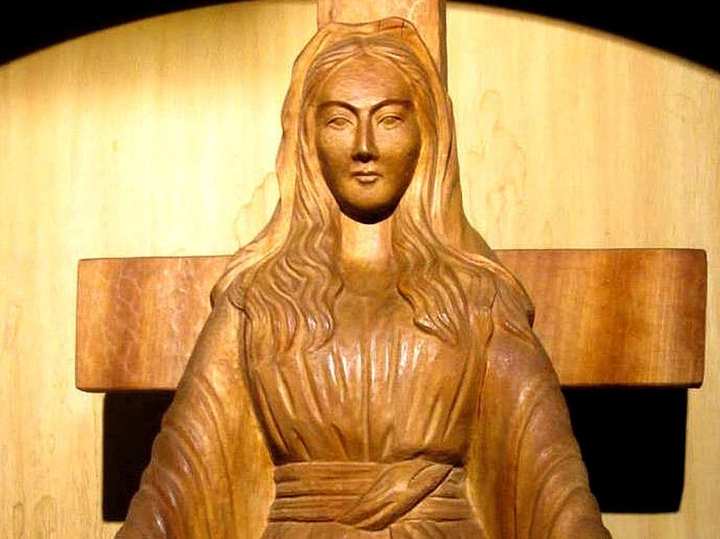
Our Lady of Akita — Akita
MarianLocally approved

Our Lady of Akita

Akita1973–1981

Sr. Agnes Sasagawa hears a voice from a wooden statue; the statue weeps 101 times; a cross-shaped wound appears on the sister’s hand. Bishop Ito declared the events supernatural in 1984. Rome has been more reserved in later comments.

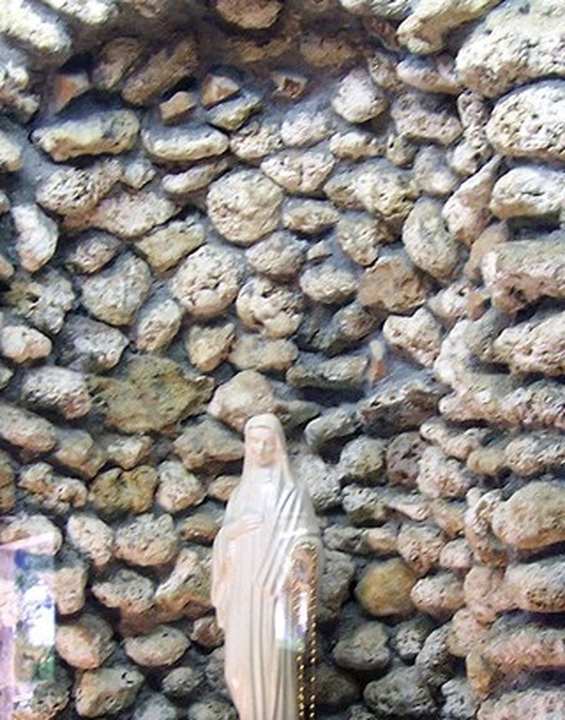
The Madonna of Civitavecchia — Pantano, Civitavecchia. The Madonnina of Civitavecchia as she is reserved at Sant’Agostino: a small white plaster Queen of Peace, head bowed, eyes down, hands crossed, a gold crown, a rosary hanging, inside a glass case. This is the statue of February 1995.
StatueOpen / under study

The Madonna of Civitavecchia

Pantano, Civitavecchia2 February 1995

On 2 February 1995, at about 16:20, in a garden at Pantano on the edge of Civitavecchia, a five-year-old girl named Jessica Gregori stopped in front of a plaster statue forty-two centimetres high and called to her father. Blood, she said, was coming from its eyes. Over the next six weeks the same object was reported to weep fourteen times — in the garden, in the house, and at last in a bishop’s hands. A CAT scan at the Gemelli hospital found no device inside the plaster. Two forensic professors named the first stains as human blood, male. John Paul II later blessed a gold crown and a rosary for the figure. Rome has never declared a miracle. The statue is still in a glass case at Sant’Agostino.

The Canonization Miracles of St. John Paul II — Costa Rica / Italy
HealingChurch-approved

The Canonization Miracles of St. John Paul II

Costa Rica / Italy2011 and 2013 (recognized healings)

A pope who died in public is raised to the altars on the back of two classical medical miracles: Floribeth Mora Díaz’s otherwise hopeless brain aneurysm, and a French nun’s Parkinson’s disease — the illness that had been his own.