The reading
How it began
Catholics do not first believe that God does unusual things. They first believe that God became man. The Gospel of John says it without ornament: the Word was with God, the Word was God, and the Word became flesh and dwelt among us.
The day itself
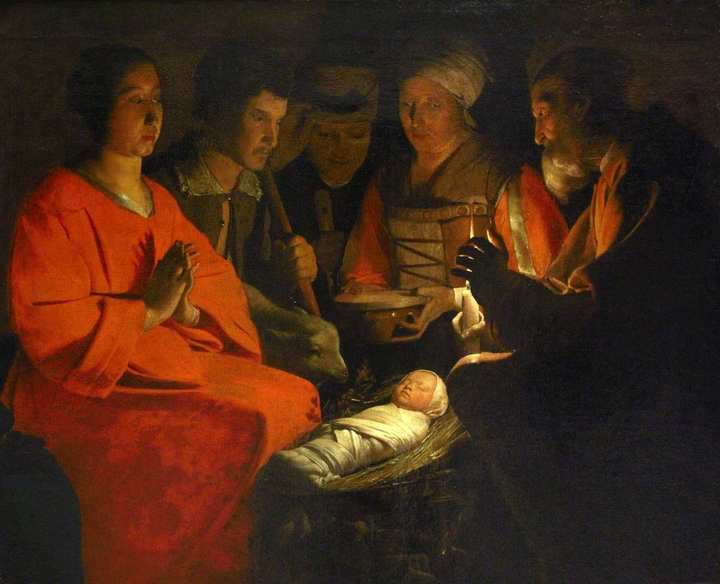
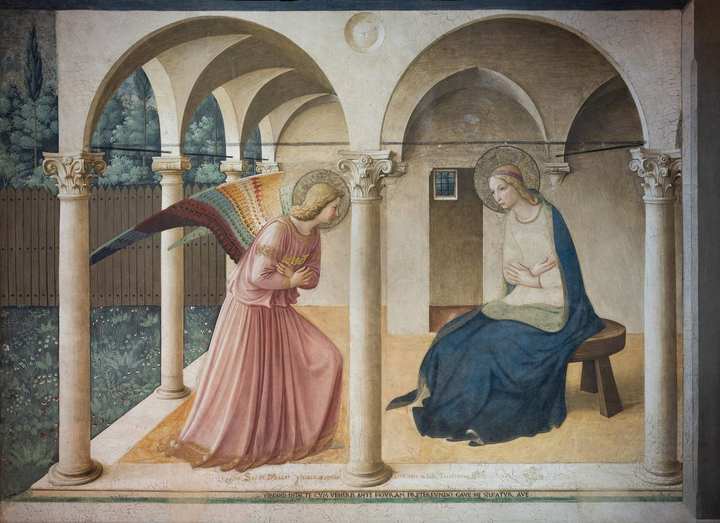
The event is hidden. There is no public spectacle in Nazareth. A young Jewish woman consents — “let it be done to me” — and the eternal Son takes a human body and a human soul from her. Nine months later he is born in Bethlehem, not in a palace, under an emperor’s census.
What was kept
This is not a later “apparition of God.” It is God himself, personally, living a human life from the inside: hunger, friendship, fatigue, a particular language, a particular face.
Reading
How to read The Incarnation
If the Incarnation is true, the rest of the Catholic map of miracles becomes thinkable. God is not a distant clockmaker. Matter is not the enemy of spirit. A human body can bear the presence of God without being destroyed — which is already the logic of the Eucharist, of relics, of the resurrection of the flesh.
If it is not true, Catholic miracles are at best curiosities. The Church would have no reason to care whether a Host bled in Lanciano. The Church cares because this man’s body is already believed to be the body of the Son.
The chair of Peter
Popes who belong with this sign
Pray this
Prayers that sit with the story
Church status
How this sign has been received
Sacred Scripture
The Incarnation is not a “private revelation.” It is the heart of the Creed: “for us men and for our salvation he came down from heaven… and became man.” To deny it is to leave Catholic faith, not to take a different view of wonders.
The later Church spent centuries finding words that would not shrink the mystery: true God and true man, two natures, one person. The councils of Nicaea, Ephesus, and Chalcedon are the Church refusing to make Jesus only a prophet or only a spirit.
The shrine today
Why pilgrims still go
This is not a later shrine. This is the map of the Gospel. The empty tomb, the lake, the cave at Bethlehem, the stone of the agony. Every other Catholic pilgrimage is an echo of having been here — or of wishing you had.
The Holy Land — the reasonsSources
- John 1; Luke 1–2; Matthew 1–2
- Nicene-Constantinopolitan Creed
- Catechism of the Catholic Church 456–483
For the classroom
The Incarnation (c. 1 BC – AD 1, Nazareth & Bethlehem). Grade in this encyclopedia: Sacred Scripture. The central Catholic claim: the eternal Son of God took a human nature in the womb of Mary. Every later miracle is a footnote to this one.