Gospel Signs
Before later shrines, before weeping plaster, before a carbon date, there is a set of events the Church does not treat as rumours. They are in the four Gospels. Water becomes wine. A storm stops. A dead man walks out of a tomb. This section is that first layer — the signs by which Jesus of Nazareth was recognised, and without which nothing later is Catholic at all.
The file
How this section is read
A documentary about Catholic miracles that began in 1858, or 1917, or 1995, would be starting in the wrong century. The Church’s first file is older, shorter, and public. Four men — Matthew, Mark, Luke, and John — wrote accounts of a Jewish preacher from Nazareth who was crucified under Pontius Pilate and who, they said, did not stay dead. Inside those accounts are signs: not rumours collected by a bishop after the fact, but scenes the evangelists placed in the middle of a life. A wedding at Cana. A catch of fish. Bread for a crowd. A walking on the lake. A friend named Lazarus, four days in the tomb. An empty tomb of his own.
Catholics do not believe these because a laboratory confirmed them. They believe them because they received the Gospels as Scripture — as the Church’s memory of what God did in the flesh. Later wonders, if they are Catholic at all, are read against that memory. A Host that bleeds is not a new crucifixion. It is a sign that the one crucifixion is present. A lady in a cave is not a fourth person of the Trinity. She is the mother from the same story. When this archive puts the Gospel signs first, it is not being pious. It is being accurate about which file is the original.
Each entry in this section stays with the scene as the evangelists wrote it: the place, the names, the words, what the crowd saw, what the disciples did not understand until afterward. It does not add medieval legends to the text and call them the Gospel. Where later devotion built a shrine on a Gospel site — Cana, the Holy Sepulchre, the lake — that is noted as devotion, not as a fifth evangelist.
15 signs
Holy Land
14 signs, in the order of their years
The Incarnation
Nazareth & Bethlehemc. 1 BC – AD 1
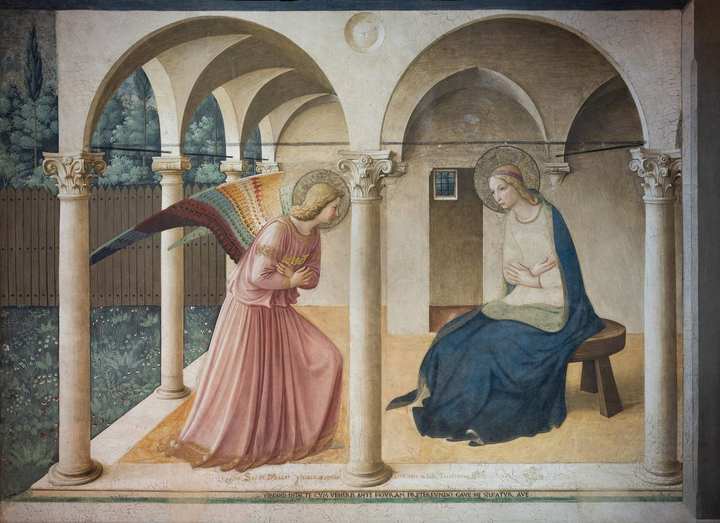
The central Catholic claim: the eternal Son of God took a human nature in the womb of Mary. Every later miracle is a footnote to this one.
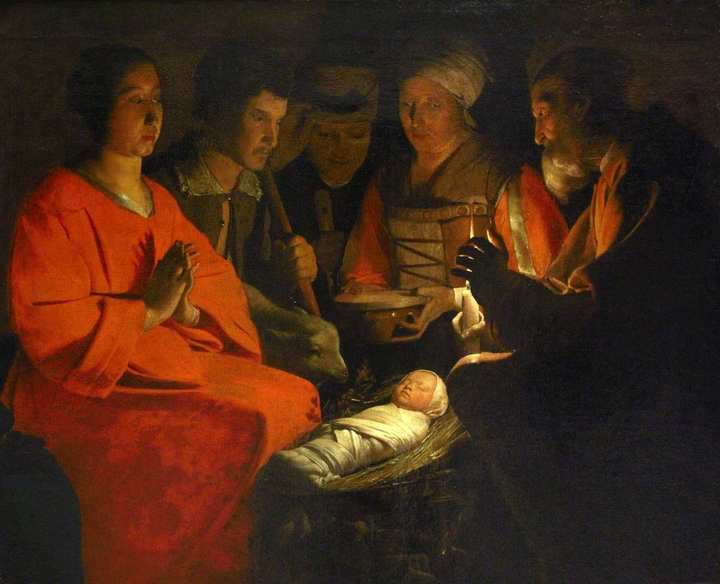
The Virgin Birth
Nazarethc. 1 BC
Jesus is conceived in Mary without a human father. The Church holds this as history, not as a metaphor for a spiritually impressive child.
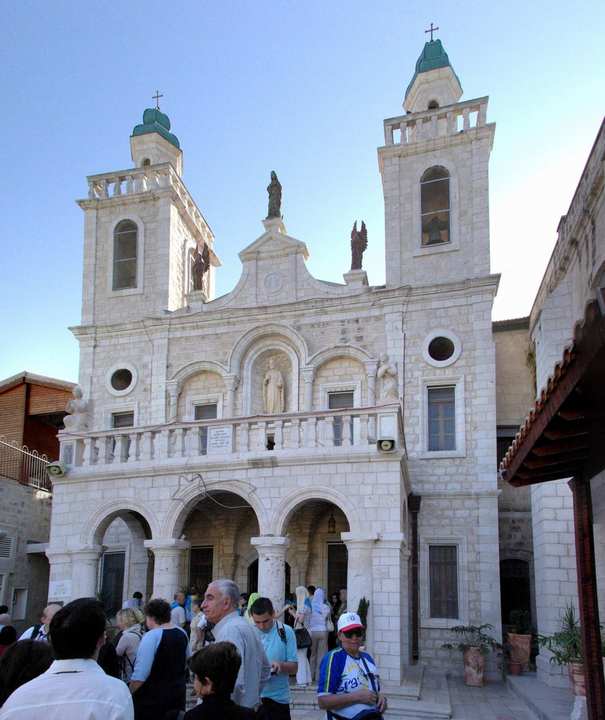
Water into Wine
Cana of Galileec. AD 30
Jesus’ first public sign in John’s Gospel: at a village wedding, at Mary’s request, water becomes wine — good wine, and a great deal of it.

The calming of the storm
The Sea of GalileeThe Gospel
The boat is filling. The disciples wake Jesus. He rebukes the wind, and there is a dead calm. They ask who this is, that wind and water obey him.

The daughter of Jairus
CapernaumThe Gospel
A synagogue ruler asks Jesus to come to his dying child. On the way a woman touches his cloak and is healed. In the house, where they are already weeping, he takes the girl by the hand and tells her to get up.

The woman with a haemorrhage
On the way to the house of JairusThe Gospel
A woman who has spent everything on doctors, and grown worse, touches Jesus’ cloak and is healed. He will not let the healing stay anonymous.

The man of the Gerasenes
The country of the GerasenesThe Gospel
A man who lived among the tombs, unbound by chains, meets Jesus and is found afterwards clothed and in his right mind. The town asks Jesus to leave. The man is sent home to tell what the Lord has done.
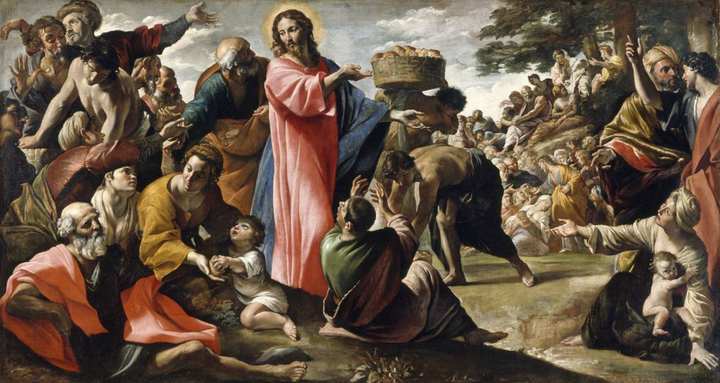
The Feeding of the Five Thousand
Near the Sea of Galileec. AD 31
With five barley loaves and two fish, Jesus feeds a crowd of thousands. It is the only wonder told in all four Gospels — and John uses it to teach the Eucharist.
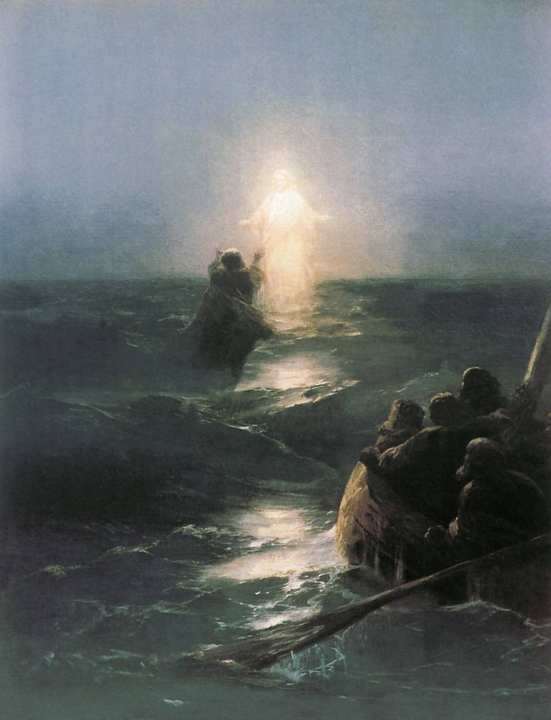
Walking on the Sea
Sea of Galileec. AD 31
At night, in a contrary wind, Jesus comes to the boat walking on the sea. It is a theophany: the one who treads the waves is the Lord of creation.
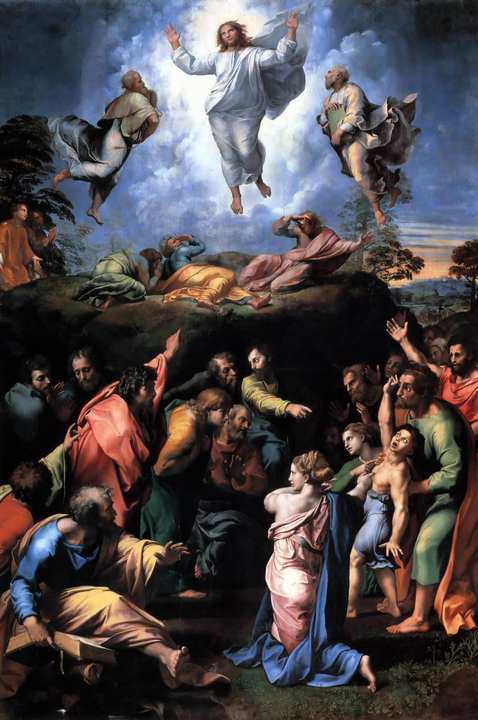
The Transfiguration
A high mountain (traditionally Tabor)c. AD 32
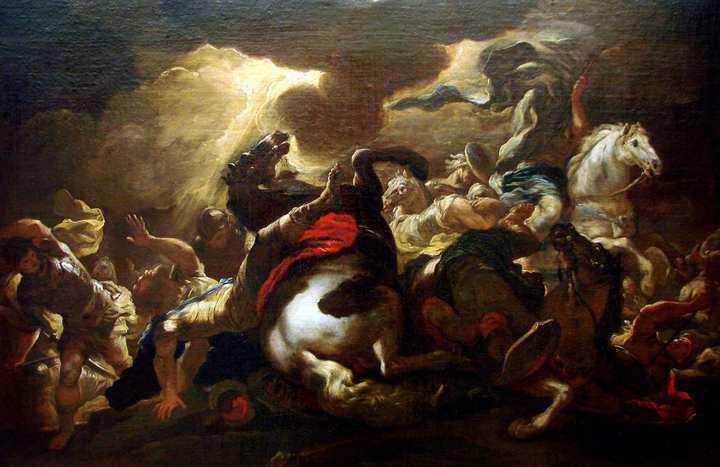
Peter, James, and John see Jesus’ face shine like the sun, Moses and Elijah speaking with him, a bright cloud, and the Father’s voice. A glimpse of glory before the cross.
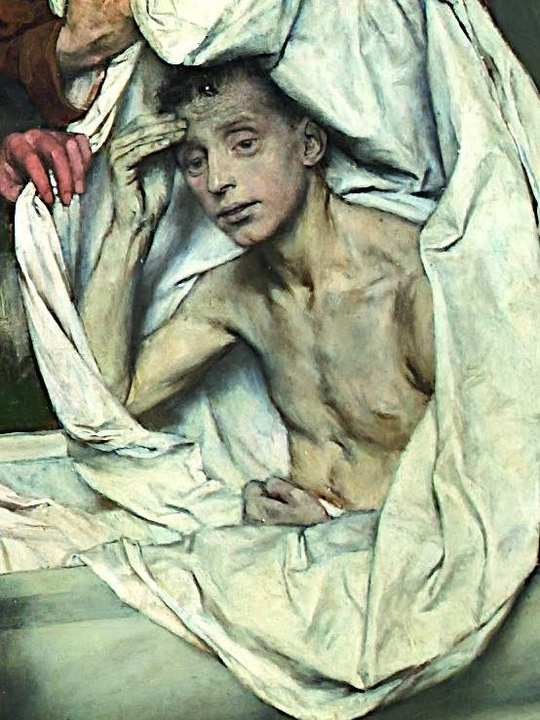
The Raising of Lazarus
Bethanyc. AD 33
Four days in the tomb, already a stench: Jesus calls Lazarus out. It is the last great sign in John before the Passion — and it helps to cause it.
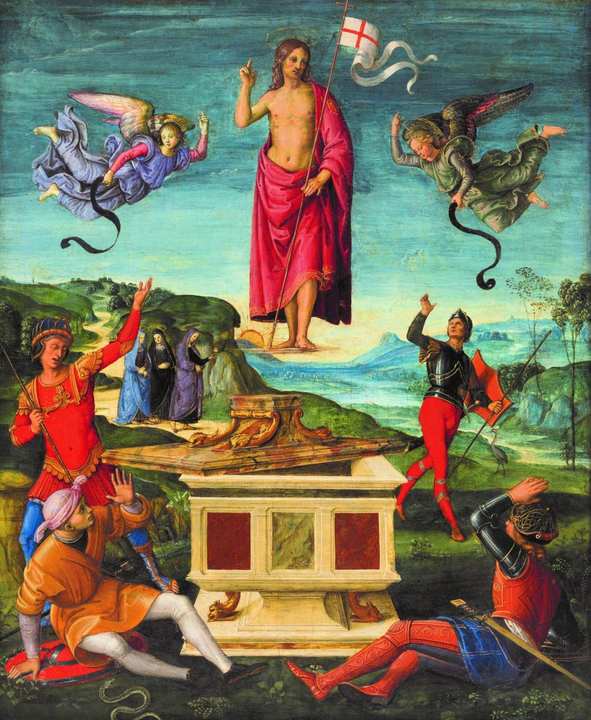
The Resurrection
Jerusalemc. AD 33
On the third day Jesus rose from the dead. This is not one Catholic miracle among others. It is the reason there is a Church, a Gospel, or any later sign worth hearing.
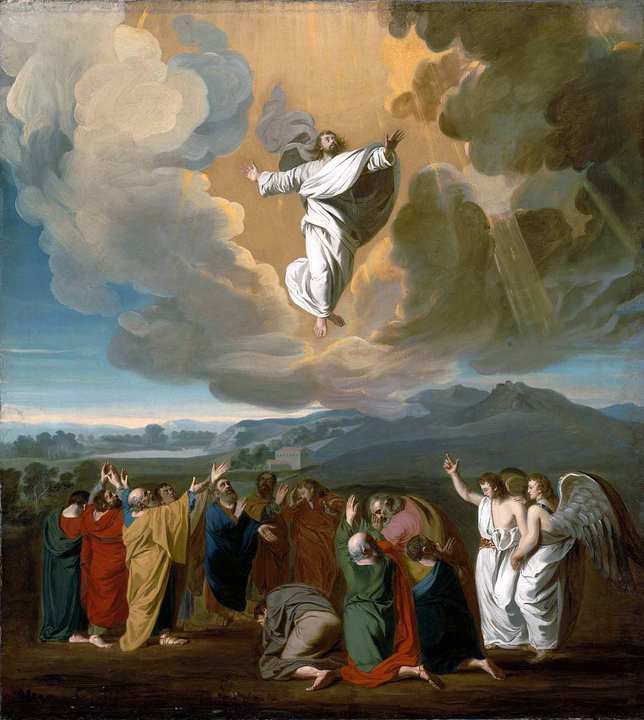
The Ascension
Mount of Olives, near Jerusalemc. AD 33
Forty days after Easter, the risen Jesus is taken up into heaven. He does not vanish like a ghost. He is exalted as Lord, still wearing our humanity.
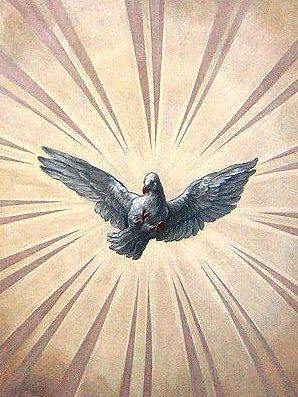
Pentecost
Jerusalemc. AD 33
Fifty days after Easter, the Spirit falls on the gathered disciples with wind and fire. They preach, and a divided world hears the one Gospel in many tongues.
Syria
1 sign, in the order of their years