The reading
How it began
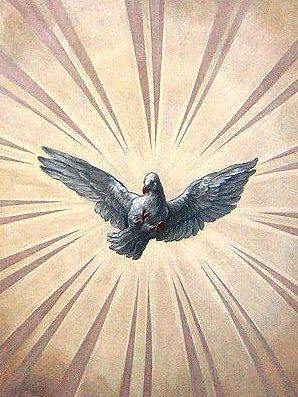
They are together in one place. A sound like a mighty wind. Tongues as of fire rest on each of them. They are filled with the Holy Spirit and begin to speak in other languages, as the Spirit gives them.
The day itself
Jerusalem is full of pilgrims from the nations. Each hears in his own tongue the mighty works of God. Some sneer: they are drunk. Peter, who had denied Jesus weeks before, stands up and preaches the Resurrection. About three thousand are baptized.
Reading
How to read Pentecost
Pentecost is the undoing of Babel: not by forcing one language, but by making many languages capable of the same news. The Catholic Church’s very name — kata holon, according to the whole — is already in this scene.
The fire is not a party trick. It is the Spirit who will animate sacraments, martyrs, obscure parish priests, and the occasional startling wonder. Charisms, including extraordinary ones, belong to this outpouring. They are judged by whether they build up the Church and confess Jesus as Lord.
The chair of Peter
Popes who belong with this sign
Church status
How this sign has been received
Sacred Scripture
Pentecost is the public birth of the Church’s mission. Later mystical phenomena (tongues, prophecy, healings) are measured against it: do they serve the Gospel already preached, or do they found a private religion alongside it?
The shrine today
Why pilgrims still go
This is not a later shrine. This is the map of the Gospel. The empty tomb, the lake, the cave at Bethlehem, the stone of the agony. Every other Catholic pilgrimage is an echo of having been here — or of wishing you had.
The Holy Land — the reasonsSources
- Acts 2
- Catechism of the Catholic Church 731–741, 1287
For the classroom
Pentecost (c. AD 33, Jerusalem). Grade in this encyclopedia: Sacred Scripture. Fifty days after Easter, the Spirit falls on the gathered disciples with wind and fire. They preach, and a divided world hears the one Gospel in many tongues.