The reading
How it began
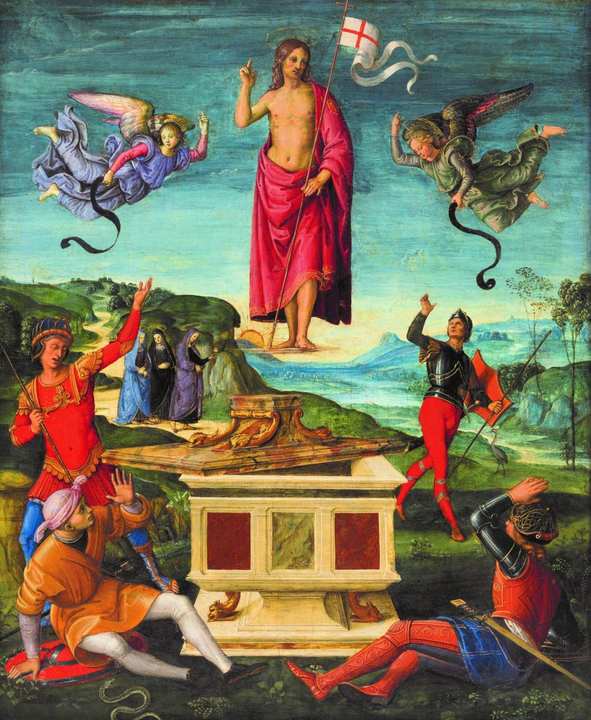
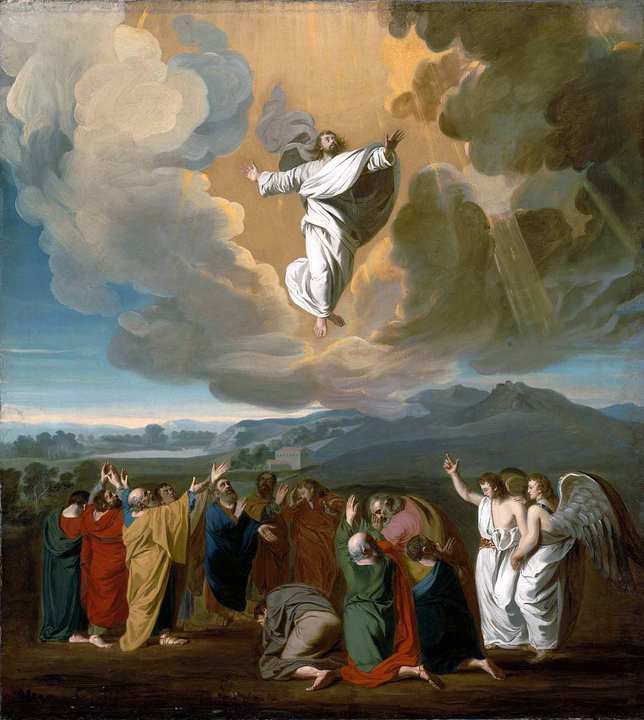
Acts says that after his suffering Jesus presented himself alive by many proofs, appearing for forty days and speaking of the kingdom. Then, at the Mount of Olives, as they watched, he was lifted up, and a cloud took him from their sight — the cloud of the divine presence, not weather.
The day itself
Two men in white ask why they stand looking into heaven. This Jesus will come in the same way. The disciples return to Jerusalem to pray and wait for the Spirit.
Reading
How to read The Ascension
The Ascension is not Jesus abandoning the world. It is his humanity being taken into the life of God, which is why Catholics can say a man’s body is at the right hand of the Father. Prayer to Christ is not shouting at a memory.
It also explains the shape of later miracles. They are local, partial, given and then withdrawn. The Church does not expect Jesus to be a standing attraction in Jerusalem. She expects him in the Spirit, in the sacraments, and at the end of time.
Church status
How this sign has been received
Sacred Scripture
The Creed confesses that he ascended into heaven and is seated at the right hand of the Father. The feast, forty days after Easter (or the following Sunday in some places), is public revelation, not a private vision of one mystic.
The shrine today
Why pilgrims still go
This is not a later shrine. This is the map of the Gospel. The empty tomb, the lake, the cave at Bethlehem, the stone of the agony. Every other Catholic pilgrimage is an echo of having been here — or of wishing you had.
The Holy Land — the reasonsSources
- Luke 24:50–53; Acts 1:6–11
- Catechism of the Catholic Church 659–667
For the classroom
The Ascension (c. AD 33, Mount of Olives, near Jerusalem). Grade in this encyclopedia: Sacred Scripture. Forty days after Easter, the risen Jesus is taken up into heaven. He does not vanish like a ghost. He is exalted as Lord, still wearing our humanity.