Skip to content
GospelSacred Scripture

Water into Wine

The wedding at Cana

Cana of Galilee·Holy Land·c. AD 30·Feast 2nd Sunday in Ordinary Time

Jesus’ first public sign in John’s Gospel: at a village wedding, at Mary’s request, water becomes wine — good wine, and a great deal of it.
Listen

Woman

The photographs

Water into Wine

Water into Wine — Cana of Galilee

Water into Wine

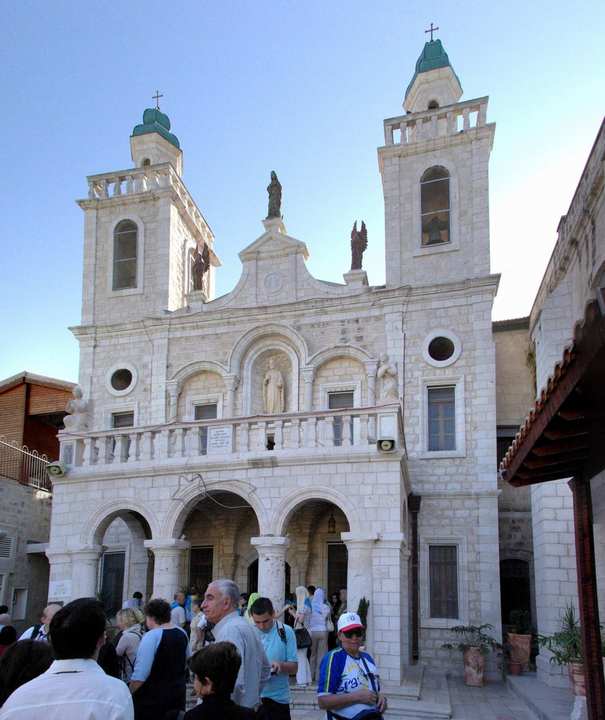
The object or shrine of this sign.

Persons

The reading

How it began

A wedding runs out of wine. In that world this is not a small embarrassment; it is a wound to the feast. Mary notices. She does not instruct Jesus how to fix it. She tells him the fact, and then tells the servants: “Do whatever he tells you.”

The day itself

Six stone jars stand there, the kind used for Jewish purification, holding perhaps twenty to thirty gallons each. Jesus has them filled with water. When the steward tastes it, it is wine. He does not know where it came from. He only knows it is better than what was served first.

What was kept

John calls this the first of the signs, and says that Jesus revealed his glory, and his disciples believed in him.

Reading

How to read Water into Wine

Cana is not a magic trick for thirsty guests. John wants you to see a wedding, water-jars of the old purification, and a superabundance of new wine. The old rites are filled up; something better is poured out.

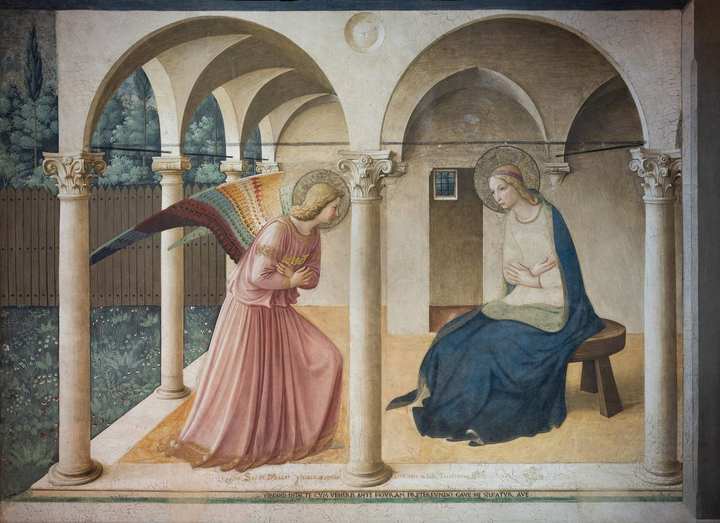
Mary’s role is the pattern for every later apparition: she notices human need, she intercedes, she points away from herself — “do whatever he tells you.” Catholic Marian devotion, at its best, is Cana repeated.

The setting is a marriage. Catholics will later say that the covenant itself is being transfigured: human joy is not abolished by holiness. It is filled past the brim.

Church status

How this sign has been received

Sacred Scripture

Cana is Scripture. It is also the Gospel the Church reads to understand Mary’s intercession and the dignity of marriage. Later Eucharistic wonders are sometimes compared to Cana: the Lord changing what is held out to him. The comparison is a sermon, not a proof.

The shrine today

Why pilgrims still go

This is not a later shrine. This is the map of the Gospel. The empty tomb, the lake, the cave at Bethlehem, the stone of the agony. Every other Catholic pilgrimage is an echo of having been here — or of wishing you had.

The Holy Land — the reasons

Sources

  • John 2:1–11
  • Catechism of the Catholic Church 1613, 2618

For the classroom

Water into Wine (c. AD 30, Cana of Galilee). Grade in this encyclopedia: Sacred Scripture. Jesus’ first public sign in John’s Gospel: at a village wedding, at Mary’s request, water becomes wine — good wine, and a great deal of it.
Related signs

The Incarnation — Nazareth & Bethlehem
GospelSacred Scripture

The Incarnation

Nazareth & Bethlehemc. 1 BC – AD 1

The central Catholic claim: the eternal Son of God took a human nature in the womb of Mary. Every later miracle is a footnote to this one.

EucharisticLong veneration

Lanciano

Lanciano, Abruzzo8th century (c. 750)

The most famous Eucharistic miracle in the West: a doubting monk sees the Host become Flesh and the wine Blood. The relics are still reserved — and were studied in the twentieth century. They are not the reason the Church believes in the Eucharist.

2 studied signs on this image

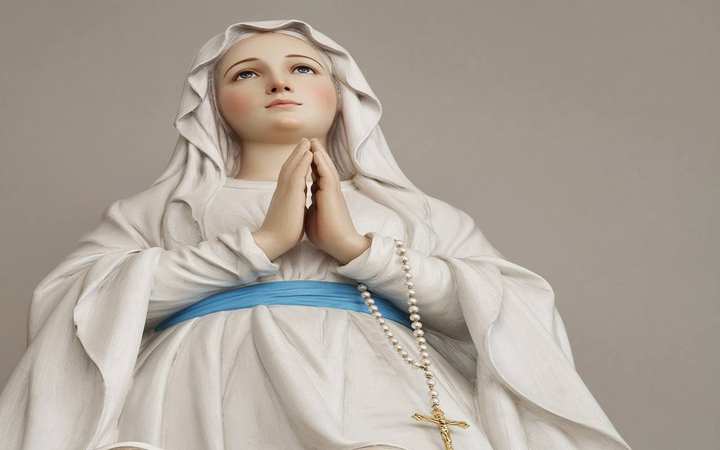
Our Lady of Lourdes — Massabielle, Lourdes. The statue of Our Lady of Lourdes: white veil, blue sash, a golden rose on each foot.
MarianChurch-approved

Our Lady of Lourdes

Massabielle, Lourdes1858

Between 11 February and 16 July 1858, in a limestone cave on the edge of Lourdes that the town used as a rubbish dump, a fourteen-year-old miller’s daughter named Bernadette Soubirous saw a young woman in white eighteen times. The woman spoke the dialect of the valley. She asked for prayer, for penance, for a spring of water, for a chapel, and for a procession. On 25 March, the feast of the Annunciation, she gave a name the child had never been taught: “I am the Immaculate Conception.” The bishop of Tarbes judged the apparitions worthy of belief in 1862. The spring still runs. The sick still come. Bernadette died at thirty-five, still ill, in a convent at Nevers.

The Miraculous Medal — Rue du Bac, Paris
MarianChurch-approved

The Miraculous Medal

Rue du Bac, Paris1830

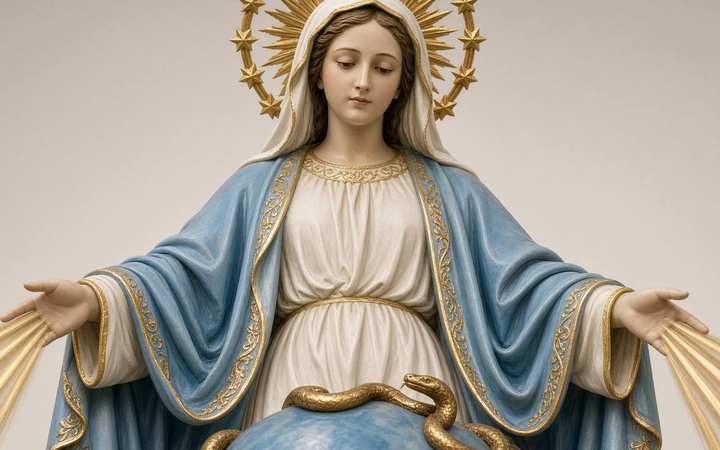
St. Catherine Labouré, a novice of the Daughters of Charity, is shown a medal: Mary crushing the serpent, rays from her hands, a ring of prayer. Struck in 1832, it becomes the most widespread Marian sacramental in the world.

Filed under Gospel Signs.