The reading
In plain speech
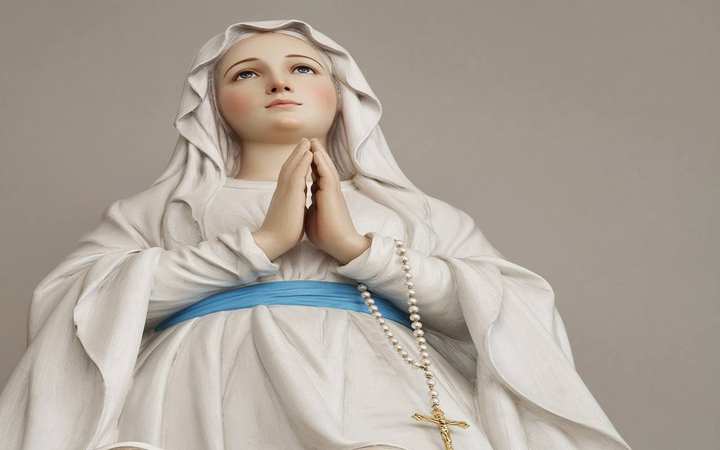
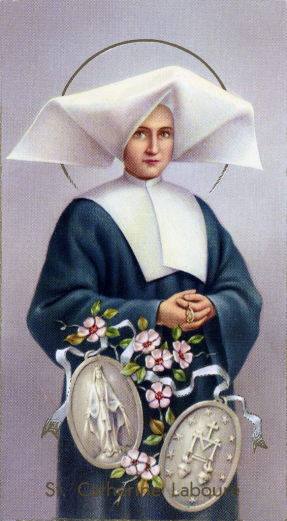
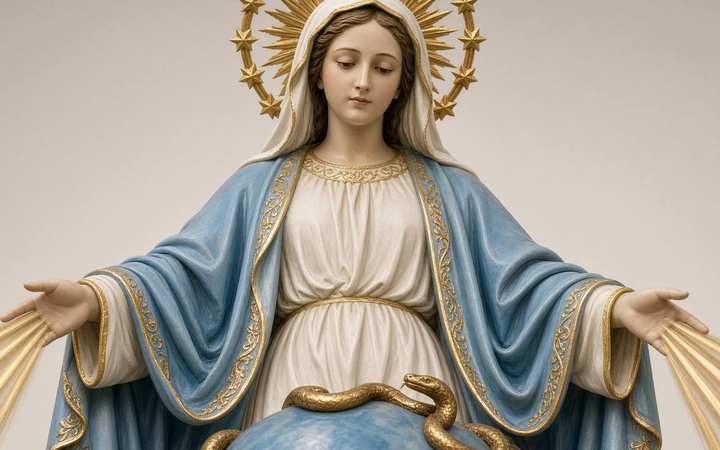
In 1830, at the motherhouse of the Daughters of Charity on the Rue du Bac in Paris, Saint Catherine Labouré said Our Lady showed her a medal: Mary crushing the serpent, rays from her hands, and on the reverse a cross and two hearts.
The archbishop authorised the striking of the medal. The Church recognised the apparitions in the course of Catherine’s canonisation. A sacramental is not a charm. It disposes a person to grace. It does not compel God.
1. What the medal is saying
The front is the Immaculate Conception. Some of the rings on her fingers have no rays, because, she said, those graces are not asked for. The reverse binds her name to her Son’s Cross. That is a tiny catechism, not a second saviour.
Catherine hid from celebrity and died as the house’s porter. The medal is famous. The saint would rather not have been.
2. What it does not prove
Wearing the medal is not a substitute for Confession, Mass, or a life of charity. Reported protections during the cholera of 1832 are why people called it miraculous. They are not a contract.
If the medal is lost, the Gospel is not.
3. The one sentence
The Miraculous Medal is a picture Our Lady asked to be struck, received by the Church, and still not the foundation. Jesus Christ is.
The older telling follows.
The record
In the chapel of the motherhouse on Rue du Bac, in July and November 1830, Catherine sees Mary — once in the sanctuary, later in an oval tableau that turns to show the reverse: a cross, two hearts, an M. Mary asks that a medal be struck. “All who wear it will receive great graces, especially if they wear it around the neck.”
The record, part 2
Catherine tells only her confessor. She refuses celebrity. The medal is struck two years later during a cholera epidemic; reported conversions and protections spread the nickname “miraculous.” Catherine lives until 1876 as a humble porter, her identity as the seer almost unknown.
Reading
How to read The Miraculous Medal
The medal is a tiny catechism. Front: the Immaculate Conception, the serpent, grace as light from open hands — some rings have no rays, Mary said, because those graces are not asked for. Reverse: the cross and the two hearts of Jesus and Mary, the M of her name bound to her Son.
A sacramental is not a talisman. The Church is clear. The medal disposes; it does not compel God. Catherine’s hidden life is the commentary: the medal is famous; the saint would rather not be.
Pray this
Prayers that sit with the story
Church status
How this sign has been received
Church-approved
The archbishop of Paris authorized the medal. The apparitions were recognized in the canonical process of Catherine’s beatification. Her body is incorrupt in the chapel on Rue du Bac. Fully received.
The shrine today
Why pilgrims still go
In 1830 the Virgin showed St. Catherine Labouré the medal that would go around the world: O Mary, conceived without sin, pray for us who have recourse to thee. The chapel is still a working convent chapel. Catherine’s body is under the altar, incorrupt.
Paris — Rue du Bac — the reasonsSources
- Process of St. Catherine Labouré
- Chapel of Our Lady of the Miraculous Medal, Paris
For the classroom
The Miraculous Medal (1830, Rue du Bac, Paris). Grade in this encyclopedia: Church-approved. St. Catherine Labouré, a novice of the Daughters of Charity, is shown a medal: Mary crushing the serpent, rays from her hands, a ring of prayer. Struck in 1832, it becomes the most widespread Marian sacramental in the world.