Skip to content

The Blessed Virgin Mary

Feast 1 January · 15 August · 8 December

Mother of God, and therefore mother of anyone the Son will not disown. She does not replace him. She points, as at Cana: Do whatever he tells you. The apparitions in this archive are her extra sentences. The Gospel is her first.

The Blessed Virgin Mary

Sacred art

Statues and images

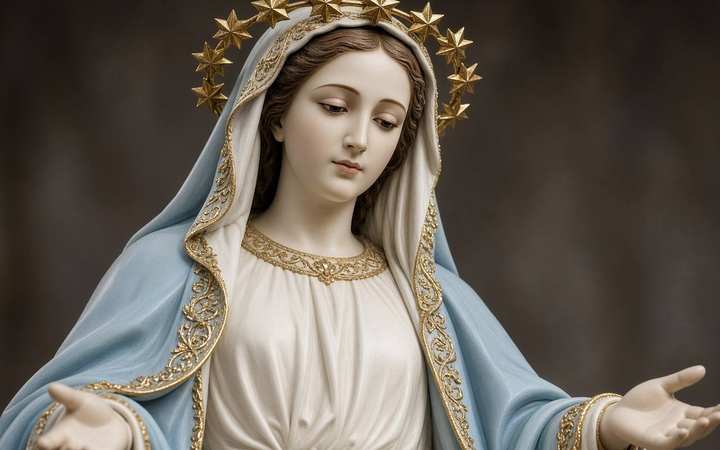
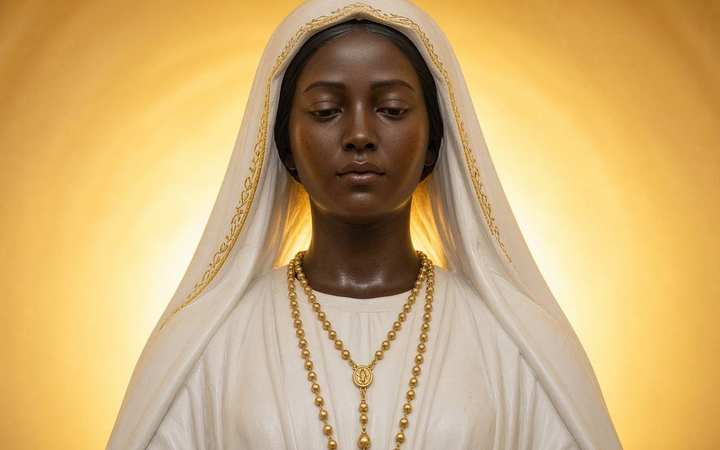
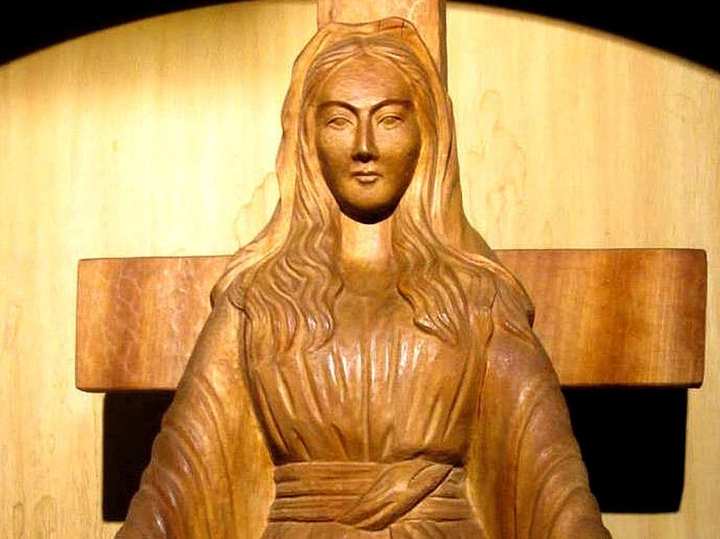
The portrait kept with The Blessed Virgin Mary is the image this library has of Mary. The honour goes to the person, and through the person to God. It is not a machine, and it is not a substitute for the life written below.

The whole treasury

The Creed names her twice: conceived of the Holy Spirit, born of the Virgin Mary. Everything after — Guadalupe, Lourdes, Fátima, Knock, Zeitoun — is private revelation. Worthy of belief when the Church says so. Never a fourth person of the Trinity.

She is in this house so often because the poor keep seeing her. A tilma. A girl who could not read. Three shepherd children. A silent gable in rain. A luminous woman over a Coptic church that Muslims also watched. The pattern is almost always the same: she comes where the proud would not have looked.

Pray with Mary

The prayers

Signs that name Mary

If it belongs to Mary, it is here, with a door back into the story.

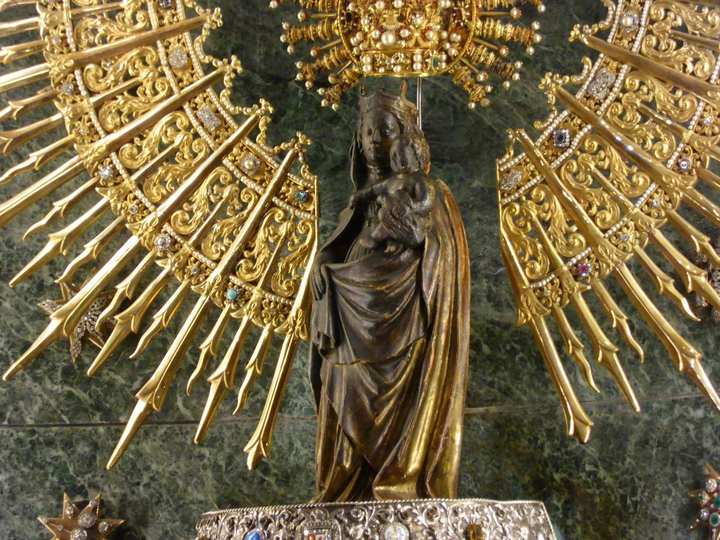
Our Lady of the Pillar — Caesaraugusta (Zaragoza). A small standing Madonna and Child on a jasper pillar, as they are venerated in the basilica at Zaragoza.
MarianLong veneration

Our Lady of the Pillar

Caesaraugusta (Zaragoza)Tradition: 12 January AD 40

Spain’s founding Marian story: the Virgin, while still living in Jerusalem, appears to the Apostle James on the Ebro and leaves a jasper pillar. A small statue of mother and child stands on that column in Zaragoza. A basilica stands around it. It is apostolic legend, loved, not historically proved. The photograph is this statue on this pillar — not any other Madonna.

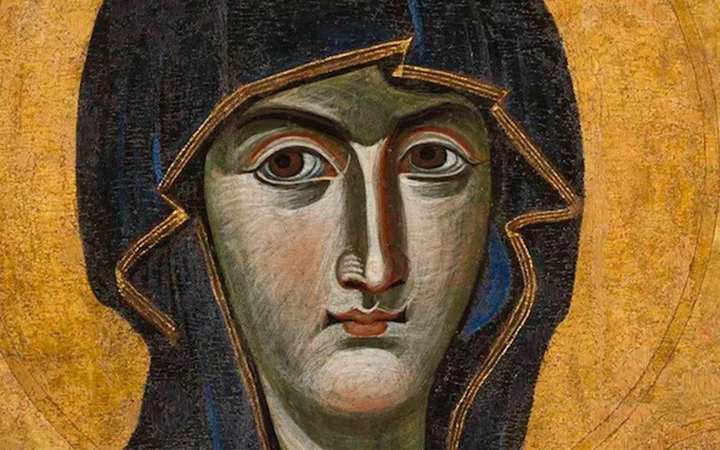
Our Lady of the Snows — Esquiline Hill, Rome. The face of the Salus Populi Romani icon: Mary’s dark eyes, a gold halo, the Child against her cheek.
NatureLong veneration

Our Lady of the Snows

Esquiline Hill, RomeTradition: 5 August 358

A childless Roman couple vow their fortune to Mary. On a hot August night, snow falls on the Esquiline in the shape of a church. The basilica of St. Mary Major stands there.

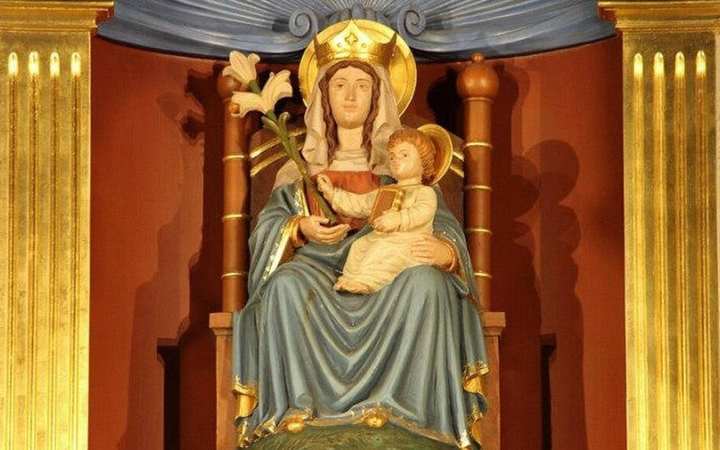
Our Lady of Walsingham — Walsingham, Norfolk. A seated wooden statue: Mary on a throne, the Child on her lap, a lily, both crowned.
MarianLong veneration

Our Lady of Walsingham

Walsingham, NorfolkTradition: 1061

Richeldis de Faverches is said to have been asked, in a vision, to build a replica of the Holy House. Medieval England made it one of Europe’s great pilgrimages. Henry VIII wrecked it. The twentieth century quietly put it back.

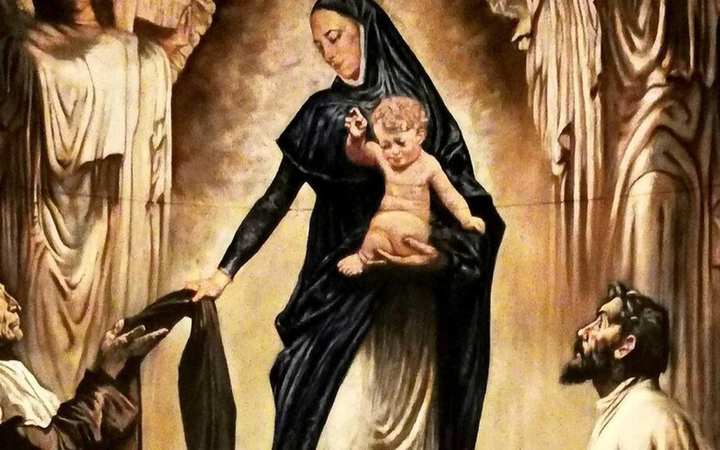
The Brown Scapular of Mount Carmel — Aylesford / Cambridge (the English Carmel). Mary, crowned, holding the Child, extending the brown scapular toward St. Simon Stock in a Carmelite habit.
MarianLong veneration

The Brown Scapular of Mount Carmel

Aylesford / Cambridge (the English Carmel)Traditionally 16 July 1251

The tradition: Mary gives St. Simon Stock a brown scapular as a pledge for the Carmelite order and for whoever dies wearing it in faith. History is tangled. The devotion is not. Popes have clothed the Church in it for centuries.

The Holy House of Loreto — Loreto
RelicLong veneration

The Holy House of Loreto

LoretoTradition: arrived 1294

A small stone house, now inside a basilica, claimed to be the house of the Holy Family, carried from Nazareth by angels — or, as later historians prefer, by the princely family of Angeli. Popes have piled privileges on it. Archaeologists argue.

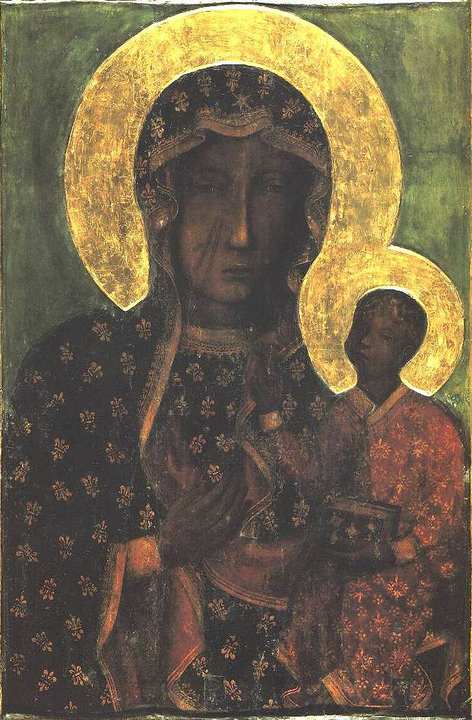
Our Lady of Częstochowa — Częstochowa
ImageLong veneration

Our Lady of Częstochowa

CzęstochowaAt Jasna Góra from 1382; tradition much older

A darkened icon of Mother and Child, slashed on the cheek, which Poland credits with the defense of the monastery in 1655 and with the nation’s soul. Not “not made by hands,” but treated as a wonder-working presence.

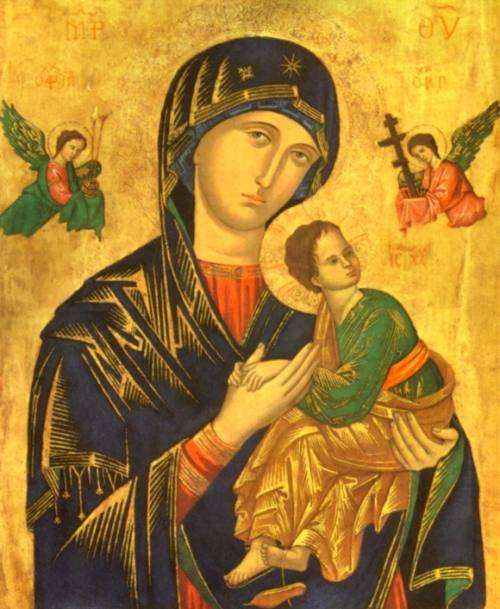
Our Lady of Perpetual Help — Church of St. Alphonsus, Rome
ImageLong veneration

Our Lady of Perpetual Help

Church of St. Alphonsus, RomeCretan icon, 15th c.; in Rome from 1499

A Cretan icon of Mother and Child, the Child’s sandal falling as he sees the instruments of the Passion. Entrusted by Pius IX to the Redemptorists to be made known everywhere.

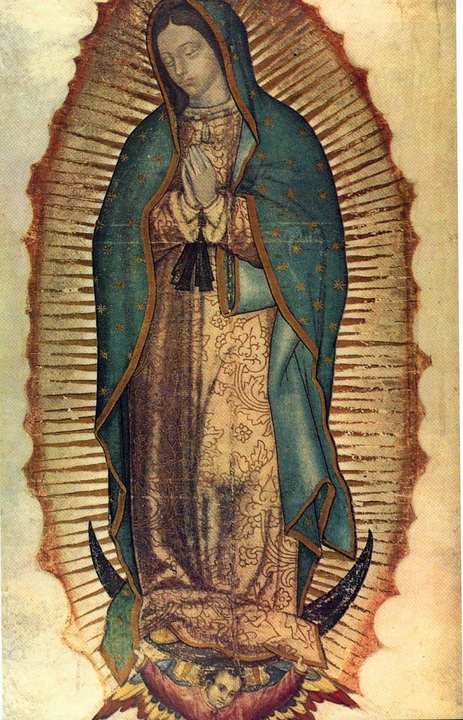
Our Lady of Guadalupe — Tepeyac, Mexico City. The tilma of Juan Diego: Mary as a mestiza woman, hands in prayer, standing on a crescent, stars on her mantle, the image that still hangs in Mexico City.
MarianChurch-approved

Our Lady of Guadalupe

Tepeyac, Mexico City1531

Mary appears to St. Juan Diego, asks for a church, and leaves her image on his cactus-fiber tilma — an image still visible, and still drawing millions, nearly five centuries later.

6 studied signs on this image

The tilma cloth — Tepeyac, Mexico City. The tilma of Juan Diego: Mary as a mestiza woman, hands in prayer, standing on a crescent, stars on her mantle, the image that still hangs in Mexico City.
MarianOpen / under study

The tilma cloth

Tepeyac, Mexico City1531; still hanging

Juan Diego’s tilma is a cloak of ayate — a coarse cactus-fiber cloth that in the Mexican sun and damp should last a few decades. It has lasted nearly five hundred years, through smoke, kisses, a bomb, and the breath of millions.

A studied sign

The stars on the mantle — Tepeyac, Mexico City. The tilma of Juan Diego: Mary as a mestiza woman, hands in prayer, standing on a crescent, stars on her mantle, the image that still hangs in Mexico City.
MarianOpen / under study

The stars on the mantle

Tepeyac, Mexico City12 December 1531, as later mapped

The mantle of the woman on the tilma is a night sky: turquoise, scattered with gold stars. Forty-six of them. In the late twentieth century, researchers began to ask whether those stars are the constellations over Mexico on the morning of the sign — seen from the other side of the sky.

A studied sign

The pregnancy sash — Tepeyac, Mexico City. The tilma of Juan Diego: Mary as a mestiza woman, hands in prayer, standing on a crescent, stars on her mantle, the image that still hangs in Mexico City.
MarianOpen / under study

The pregnancy sash

Tepeyac, Mexico City1531

Around the woman’s waist is a black sash, the cinta that a pregnant woman of the Nahua world wore. Over the womb sits a four-petaled jasmine, the nahui ollin, the centre. Guadalupe is not only Mother. She is with child.

A studied sign

Our Lady of Leżajsk — Leżajsk
MarianChurch-approved

Our Lady of Leżajsk

Leżajsk1578

A pious woodcutter, Thomas Michałek, sees Mary in the forest asking for a church. The image of Leżajsk is crowned, the basilica a Bernardine jewel of the Polish baroque, still a working pilgrimage.

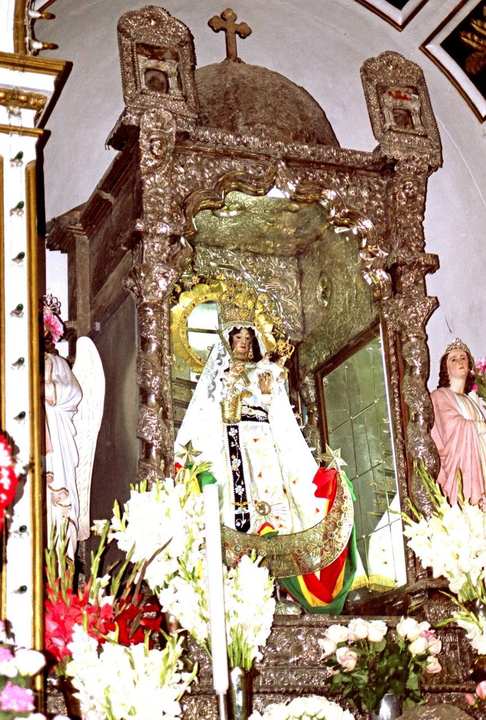
Our Lady of Copacabana — Copacabana, Lake Titicaca
StatueLong veneration

Our Lady of Copacabana

Copacabana, Lake Titicaca1583

Francisco Tito Yupanqui, an Inca descendant, carves a dark Madonna for a sanctuary on the lake that had been a place of Andean cult. Healings and a nation’s devotion follow.

Our Lady of Chiquinquirá — Chiquinquirá, Boyacá
ImageChurch-approved

Our Lady of Chiquinquirá

Chiquinquirá, BoyacáPainting renewed 26 December 1586

A painting of Our Lady, ruined by damp in a poor chapel, is said to have cleared and shone on 26 December 1586 while a woman prayed. Colombia’s national shrine stands on that hour. The renewal is a local tradition the Church has crowned, not a laboratory of pigment.

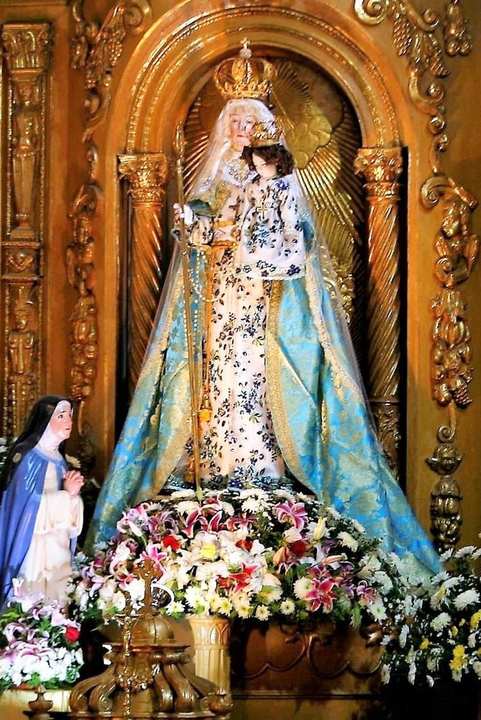
Our Lady of Good Success — Quito. The official statue of Our Lady of Good Success in Quito: a standing Madonna and Child in gold and white, a crown, a staff, the keys of the convent.
MarianLocally approved

Our Lady of Good Success

Quito1594–1634

Mother Mariana de Jesús Torres, a Conceptionist nun, reports lengthy apparitions of Mary as “Good Success,” with prophecies about a later, corrupted age. A statue still stands in the choir. The diocese has permitted the cult of the image; the prophecies are more contested in popular retellings than in the archives.

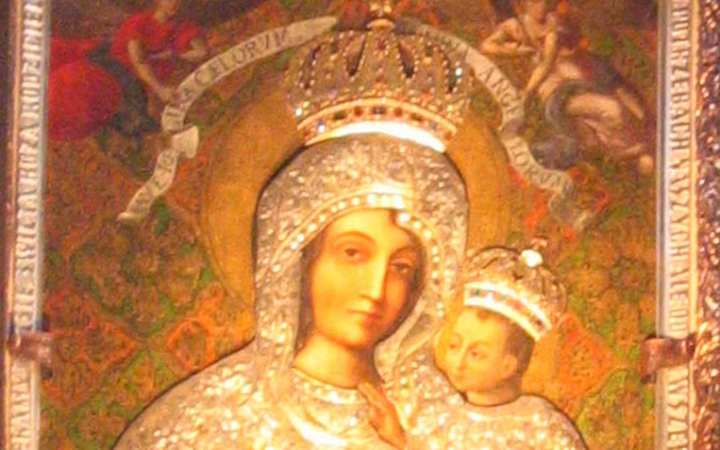
Our Lady of Šiluva — Šiluva. An icon of Mary holding the Child, covered in a silver riza, candles at the edge of the frame.
MarianChurch-approved

Our Lady of Šiluva

Šiluva1608

In a village that had lost its Catholic church to the Reformation, children see a woman holding the Child and weeping. A buried chest of liturgical treasures is found. Lithuania’s great Marian shrine begins.

Our Lady of Charity of El Cobre — El Cobre, Santiago de Cuba
MarianLong veneration

Our Lady of Charity of El Cobre

El Cobre, Santiago de Cubac. 1612–1613

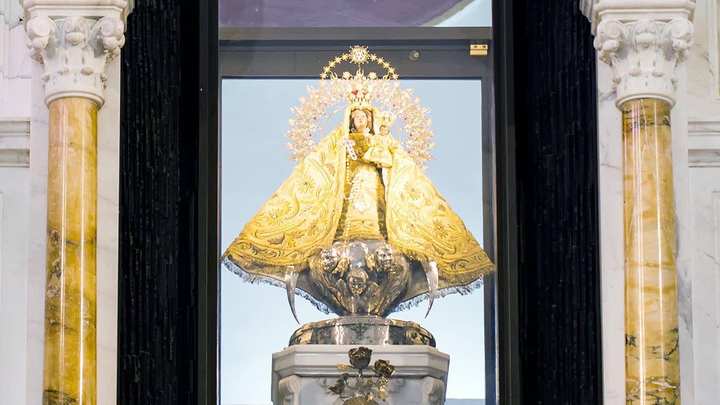
Three men in a boat — two Indians, one African child — find a small statue on the water after a storm: “I am the Virgin of Charity.” She is Cuba’s patroness, the lady of a copper-mining town, of exiles, of a people who have had to carry her.

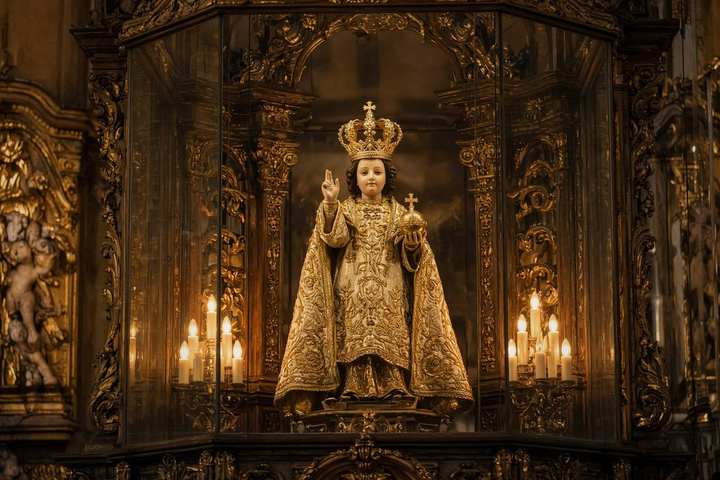
The Infant Jesus of Prague — Our Lady Victorious, Prague. The Infant of Prague in a white embroidered robe and gold crown, the globe in his left hand, two fingers raised in blessing.
StatueLong veneration

The Infant Jesus of Prague

Our Lady Victorious, PragueIn Prague from 1628

A small Spanish wax-and-wood Child, given to the Discalced Carmelites, dressed in royal robes, famous for favors to the poor and to families. Not a walking statue — a school of spiritual childhood.

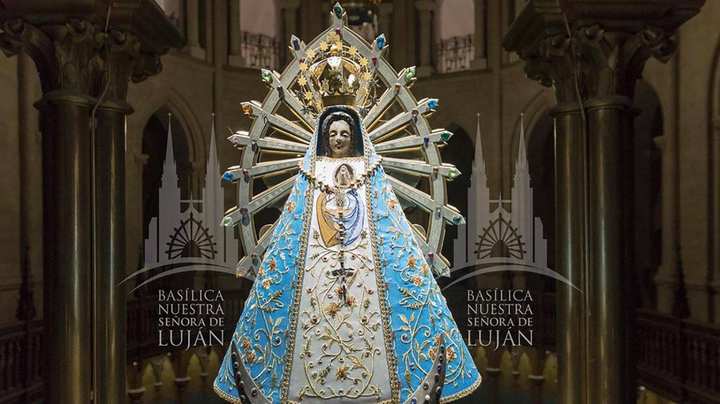
Our Lady of Luján — Luján, Buenos Aires Province
MarianLong veneration

Our Lady of Luján

Luján, Buenos Aires Province1630

A small terracotta image of the Immaculate, being carried from Brazil, will not move from a spot on the Luján river until it is set down. A shrine grows. She is patroness of Argentina, Uruguay, and Paraguay.

The Miracle of Calanda — Calanda, Aragon
HealingChurch-approved

The Miracle of Calanda

Calanda, Aragon29 March 1640

A young man’s right leg is amputated below the knee. Two and a half years later, after he anoints the stump with oil from Our Lady of the Pillar, he wakes with two legs. The hospital, the surgeon, the town, and a royal court take evidence.

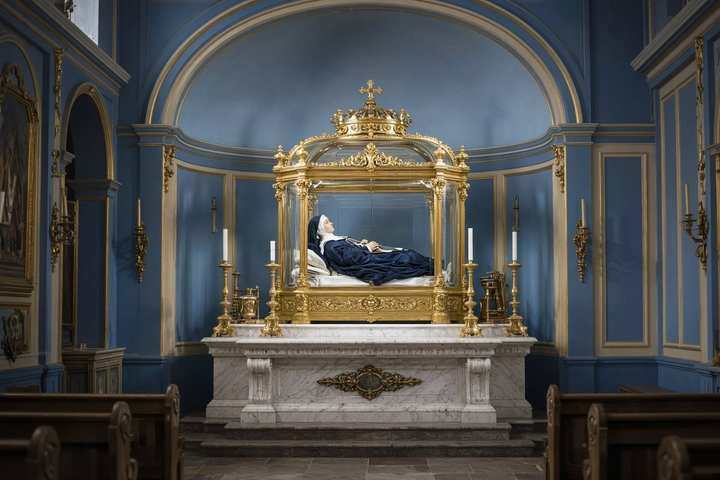
The Body of St. Louise de Marillac — Rue du Bac, Paris
RelicChurch-approved

The Body of St. Louise de Marillac

Rue du Bac, ParisDied 1660

Co-founder of the Daughters of Charity with Vincent. Her body, found well preserved, lies in the chapel of Rue du Bac, across from Catherine Labouré and the chair of the apparitions.

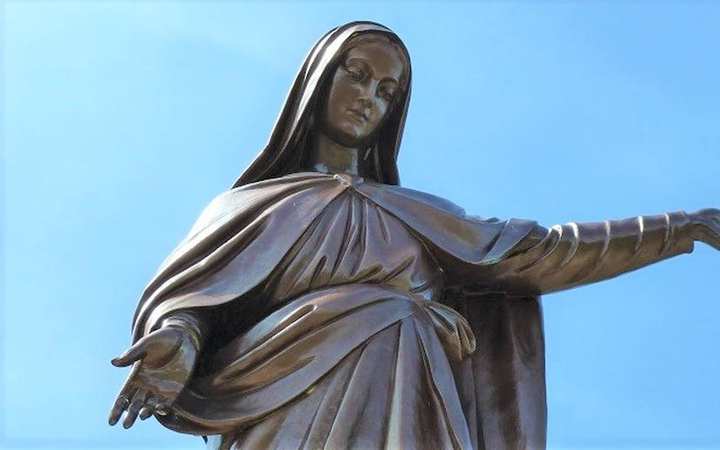
Our Lady of Laus — Saint-Étienne-le-Laus. A bronze statue of the Virgin against open sky, the face close, the hands slightly open.
MarianChurch-approved

Our Lady of Laus

Saint-Étienne-le-Laus1664–1718

For fifty-four years Benoîte Rencurel, a shepherdess, receives apparitions aimed at confession and reconciliation. In 2008 the bishop declared the events supernatural — one of the rare modern approvals of an old local cult.

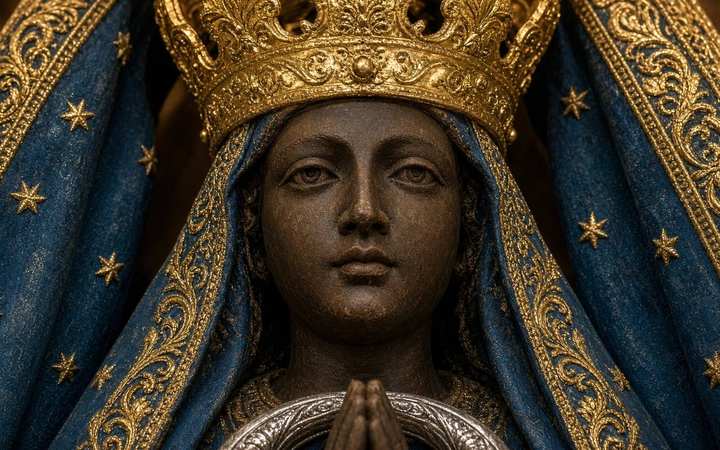
Our Lady of Aparecida — Paraíba River, then Aparecida. Close view of a dark terracotta statue of the Immaculate Conception: a serene face, hands joined, a tall golden crown, a blue mantle with gold stars. No basilica — the statue herself.
StatueLong veneration

Our Lady of Aparecida

Paraíba River, then Aparecida1717

Three fishermen, catching nothing, net a small, mud-dark broken statue of the Immaculate Conception — first the body, then the head — and then a haul of fish. She is the patroness of Brazil.

Our Lady of La Vang — La Vang, Quảng Trị
MarianLong veneration

Our Lady of La Vang

La Vang, Quảng Trịc. 1798

Christians hiding in the jungle from the Cảnh Thịnh persecution see a lady in áo dài, holding the Child, under a great tree. She tells them to boil the leaves for medicine. La Vang becomes the national Marian shrine of Vietnam.

The Miraculous Medal — Rue du Bac, Paris
MarianChurch-approved

The Miraculous Medal

Rue du Bac, Paris1830

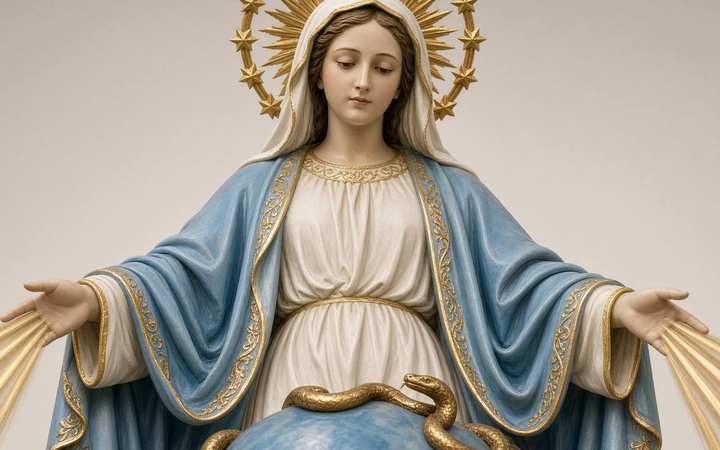
St. Catherine Labouré, a novice of the Daughters of Charity, is shown a medal: Mary crushing the serpent, rays from her hands, a ring of prayer. Struck in 1832, it becomes the most widespread Marian sacramental in the world.
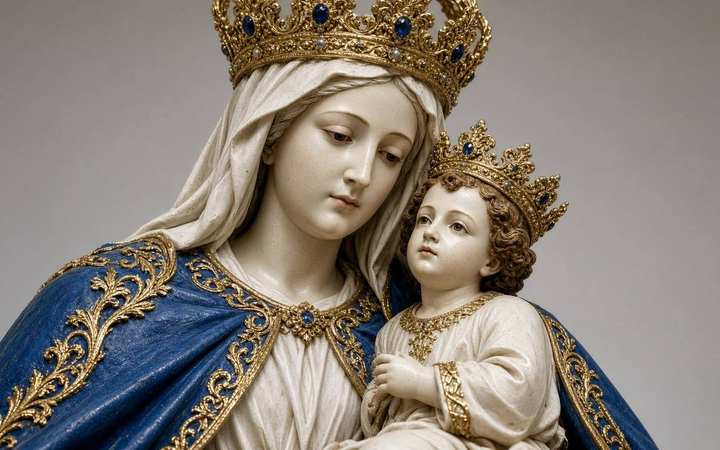
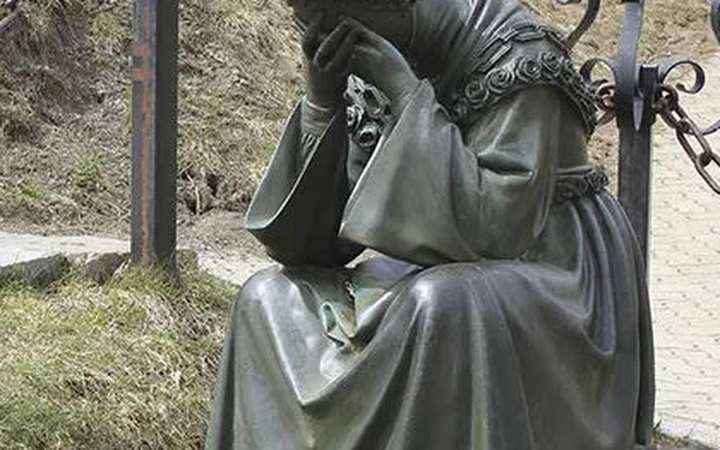
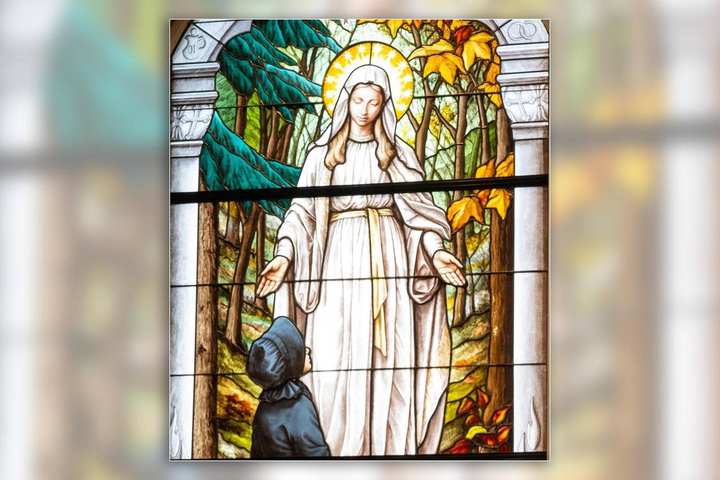
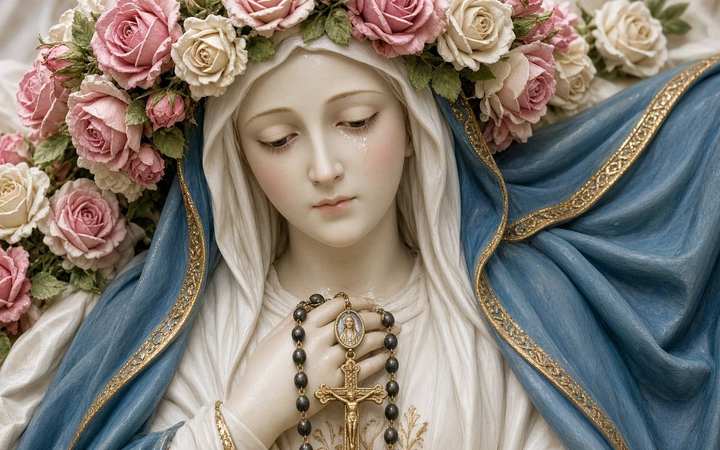
Our Lady of La Salette — La Salette-Fallavaux, Alps. The weeping Madonna of La Salette: Mary seated, face in her hands, as the two children found her.
MarianChurch-approved

Our Lady of La Salette

La Salette-Fallavaux, Alps1846

On 19 September 1846, two poor children, Maximin Giraud and Mélanie Calvat, met a woman weeping on a mountain above La Salette. She spoke of people using her Son’s name as a swear-word, and of Sunday being spent as an ordinary market day instead of at Mass. The Bishop of Grenoble approved the apparition in 1851.

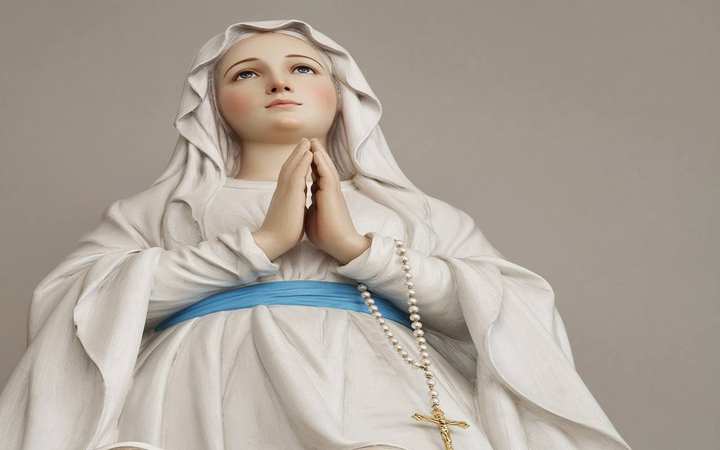
Our Lady of Lourdes — Massabielle, Lourdes. The statue of Our Lady of Lourdes: white veil, blue sash, a golden rose on each foot.
MarianChurch-approved

Our Lady of Lourdes

Massabielle, Lourdes1858

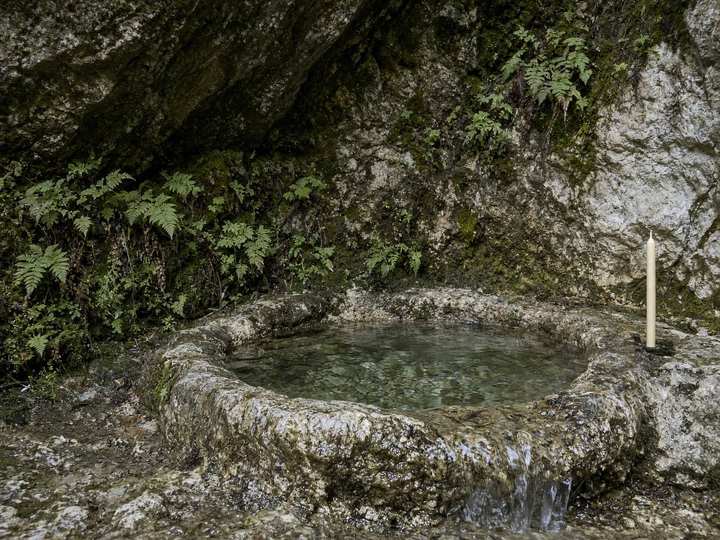
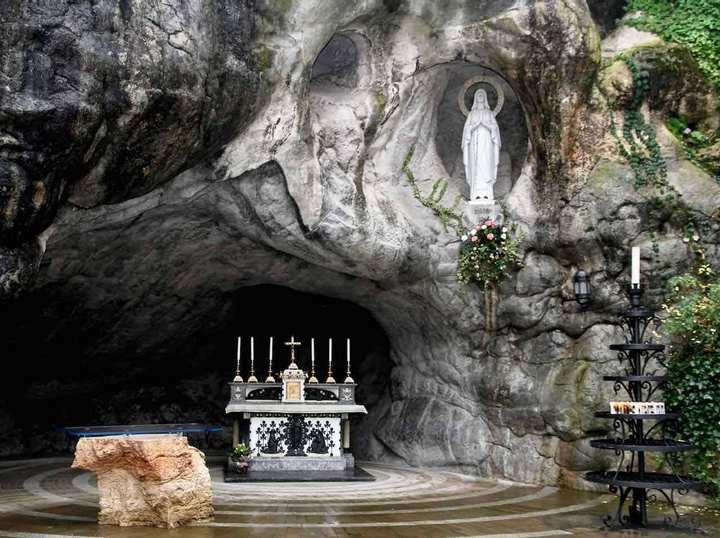
Between 11 February and 16 July 1858, in a limestone cave on the edge of Lourdes that the town used as a rubbish dump, a fourteen-year-old miller’s daughter named Bernadette Soubirous saw a young woman in white eighteen times. The woman spoke the dialect of the valley. She asked for prayer, for penance, for a spring of water, for a chapel, and for a procession. On 25 March, the feast of the Annunciation, she gave a name the child had never been taught: “I am the Immaculate Conception.” The bishop of Tarbes judged the apparitions worthy of belief in 1862. The spring still runs. The sick still come. Bernadette died at thirty-five, still ill, in a convent at Nevers.

The Healings of Lourdes — Lourdes
HealingChurch-approved

The Healings of Lourdes

Lourdes1858 – present

From the first week of the apparitions, people who came to the spring were healed. The Church did not throw a feast. The Church built a medical office. Of more than seven thousand files, seventy-two cures have been named miraculous. The latest was proclaimed in 2025. The rest of the sick go home still ill, and many of them say the journey was the gift.

Our Lady of Champion — Champion (Robinsonville), Wisconsin
MarianChurch-approved

Our Lady of Champion

Champion (Robinsonville), Wisconsin1859

The first (and so far only) Marian apparition in the United States approved by a bishop: Adele Brise, a Belgian immigrant, is told to “gather the children” and teach them the faith. A shrine stands where the Peshtigo fire later stopped.

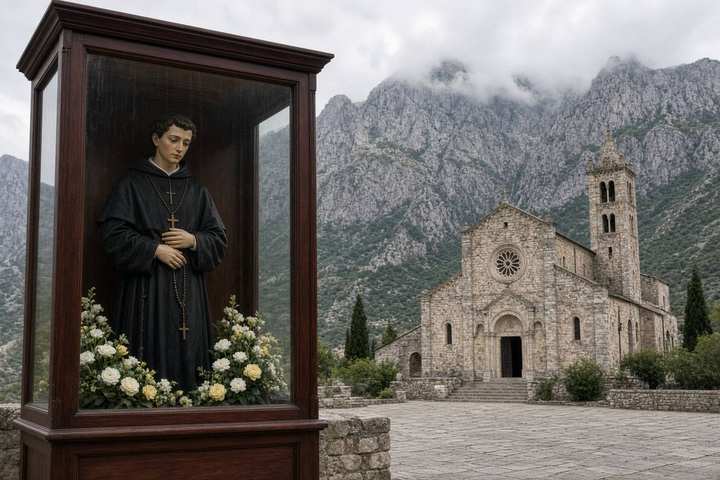
St. Gabriel of Our Lady of Sorrows — Isola del Gran Sasso
RelicChurch-approved

St. Gabriel of Our Lady of Sorrows

Isola del Gran SassoDied 1862; body at Isola del Gran Sasso

A Passionist student, dead at twenty-four of tuberculosis, whose body was found preserved and is kept in the sanctuary at Isola. Patron of youth, of students, of Abruzzo.

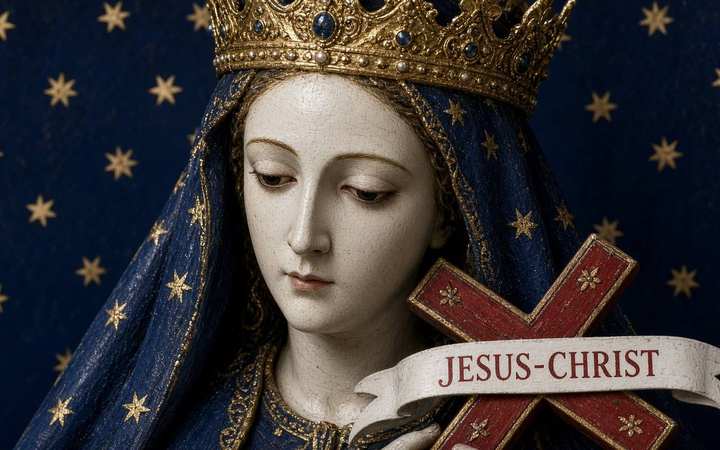
Our Lady of Pontmain — Pontmain, Mayenne. Our Lady of Hope: the Pontmain statue — gold diadem, starry robe, a red crucifix that reads JESUS-CHRIST.
MarianChurch-approved

Our Lady of Pontmain

Pontmain, Mayenne1871

In a village of the Franco-Prussian War, children see a smiling lady in the sky; adults mostly do not. A message forms letter by letter: “Pray, my children. God will hear you in a short time.” The Prussian advance stops.

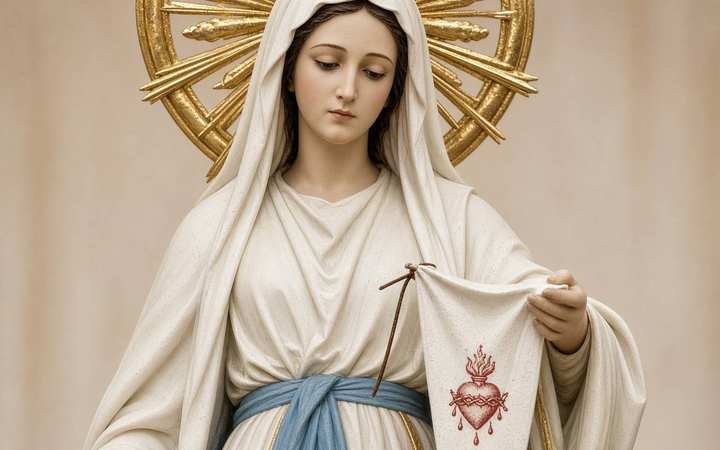
Our Lady of Pellevoisin — Pellevoisin, Indre. Our Lady of Pellevoisin, holding the scapular of the Sacred Heart.
MarianChurch-approved

Our Lady of Pellevoisin

Pellevoisin, Indre1876

Estelle Faguette, dying of tuberculosis, sees Mary fifteen times. She is healed. The lady shows a scapular of the Sacred Heart and asks for mercy to be believed. Rome approved the scapular; the archbishop approved the devotion.

Our Lady of Gietrzwałd — Gietrzwałd. A Baroque painting of the Madonna and Child, both wearing golden crowns. Mary in a red dress and blue mantle, the Child blessing, filling the frame.
MarianChurch-approved

Our Lady of Gietrzwałd

Gietrzwałd1877

Poland’s only approved Marian apparition of the modern era: two girls, during Bismarck’s Kulturkampf, hear Mary say in Polish that she wishes people to pray the rosary. A spring is blessed. The bishop approved in 1977.

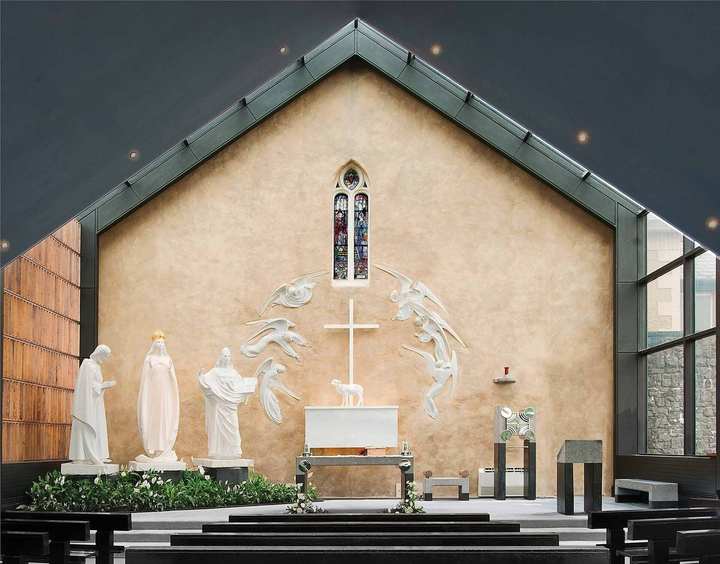
Our Lady of Knock — Knock, County Mayo. The Apparition Chapel at Knock: the white figures of Our Lady, Saint Joseph, and Saint John, the Lamb on the altar, angels on the gable wall.
MarianChurch-approved

Our Lady of Knock

Knock, County Mayo1879

On a wet evening, fifteen villagers see Mary, St. Joseph, St. John the Evangelist, and a Lamb on an altar against the parish gable. No word is spoken. The rain does not touch the vision.

The Body of St. Bernadette — Nevers
SaintChurch-approved

The Body of St. Bernadette

NeversDied 1879; exhumed 1909, 1919, 1925

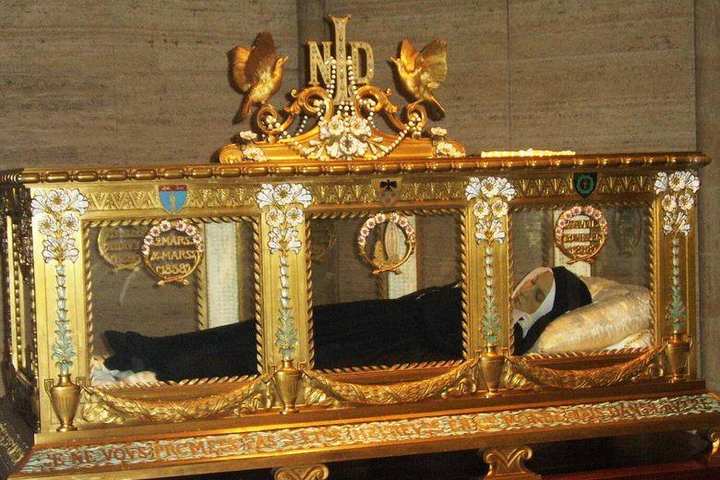
Bernadette Soubirous died at thirty-five in the convent at Nevers, still ill, hidden on purpose. For the cause of her beatification the coffin was opened in 1909, 1919 and 1925. The body was intact. A light wax covers the face and hands now, which the Church does not deny. She lies in the chapel of Saint-Gildard. The girl who asked not to be looked at is looked at by the world.

Our Lady of the Cape — Cap-de-la-Madeleine, Québec
MarianLong veneration

Our Lady of the Cape

Cap-de-la-Madeleine, Québec1879 and 1888

A poor parish, an old statue, a bridge of ice in March that lets the stone for a new church cross the river — the “Bridge of Rosaries.” In 1888 the statue’s eyes are seen to open. Canada’s national Marian shrine.

Our Lady of China — Donglü, Hebei
MarianLong veneration

Our Lady of China

Donglü, Hebei1900

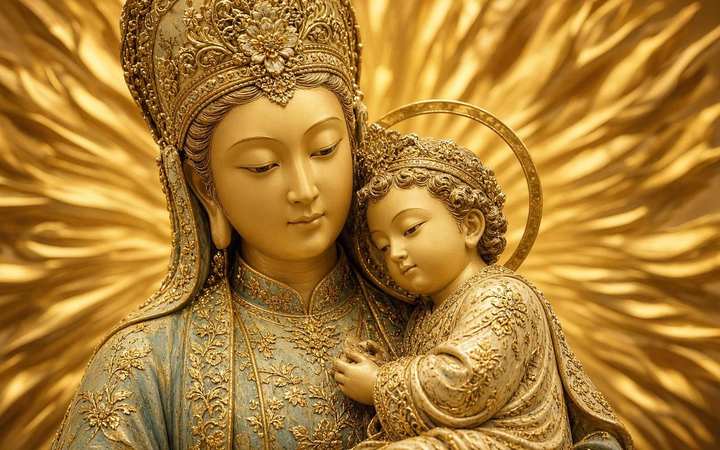
During the Boxer Rising, villagers at Donglü see a lady in the sky, and the attackers fall back. A church is built. The image — Mary as a Chinese empress, the Child in her arms — is the face under which Chinese Catholics have prayed through a long century.

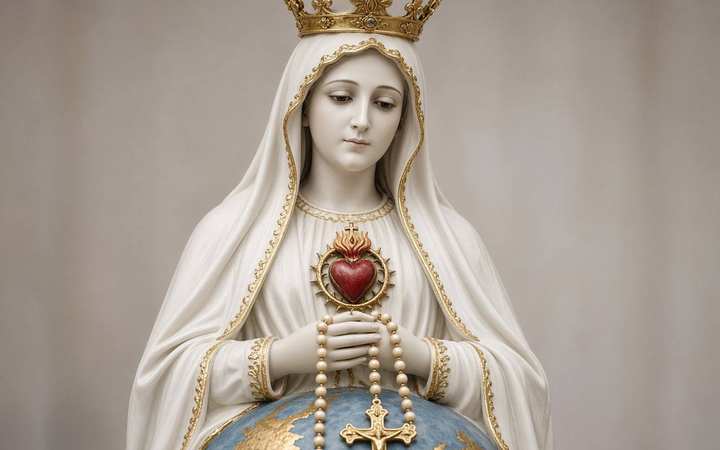
Our Lady of Fátima — Cova da Iria, Fátima. The statue of Our Lady of Fátima: white, crowned, the rosary, the Immaculate Heart.
MarianChurch-approved

Our Lady of Fátima

Cova da Iria, Fátima1917

In 1917, in a hollow of pasture called the Cova da Iria, near the village of Fátima in Portugal, three shepherd children — Lúcia dos Santos, ten, and her cousins Francisco Marto, nine, and Jacinta Marto, seven — saw a lady brighter than the sun, six times, on the 13th of the month from May to October. She asked for the rosary every day, for the conversion of sinners, for devotion to her Immaculate Heart, and that a chapel be built. On 13 July she showed them hell and spoke of war and of Russia. On 13 October, before a crowd of tens of thousands standing in the rain, including reporters who had come to mock, the sun appeared to dance. Francisco and Jacinta died in the influenza. Lúcia lived until 2005 as a nun. The bishop of Leiria declared the apparitions worthy of belief on 13 October 1930.

The bomb of 1921 — Basilica of Guadalupe, Mexico City. The tilma of Juan Diego: Mary as a mestiza woman, hands in prayer, standing on a crescent, stars on her mantle, the image that still hangs in Mexico City.
MarianOpen / under study

The bomb of 1921

Basilica of Guadalupe, Mexico City14 November 1921

A man hid a bomb in a bouquet of flowers and left it on the altar under the tilma. The blast wrecked the marble, bent a heavy crucifix, and shattered the protective glass. The image was not torn.

A studied sign

The eyes of Our Lady of Guadalupe — Tepeyac, Mexico City. The tilma of Juan Diego: Mary as a mestiza woman, hands in prayer, standing on a crescent, stars on her mantle, the image that still hangs in Mexico City.
MarianOpen / under study

The eyes of Our Lady of Guadalupe

Tepeyac, Mexico CityFirst noticed 1929; studied through the late 20th century

In the eyes of the woman on the tilma, photographers and ophthalmologists have reported reflections — as if a living cornea were catching a room. Some popular accounts go further and name thirteen figures in the enlargement. This study holds the modest claim and the strong claim apart.

A studied sign

Our Lady of Beauraing — Beauraing
MarianChurch-approved

Our Lady of Beauraing

Beauraing1932–1933

Thirty-three apparitions to five children in a Belgian railway town. Mary asks for a chapel, for prayer, and shows a golden heart. The bishop approves in 1943.

Our Lady of Banneux — Banneux
MarianChurch-approved

Our Lady of Banneux

Banneux1933

Eight apparitions to Mariette Beco, 11. Mary leads her to a spring: “This spring is reserved for all nations — to relieve the sick.” She calls herself the Virgin of the Poor.

Our Lady of Revelation — Tre Fontane, Rome
MarianLocally approved

Our Lady of Revelation

Tre Fontane, Rome1947

A Protestant, anti-Catholic tram driver, Bruno Cornacchiola, takes his children to a grove to prepare a speech against Mary. She comes. He converts. The grotto at the Three Fountains is a Roman pilgrimage with papal visits and a cautious local reception.

Our Lady, Mediatrix of All Grace (Lipa) — Lipa, Batangas
MarianOpen / under study

Our Lady, Mediatrix of All Grace (Lipa)

Lipa, Batangas1948

A Carmelite postulant, Teresita Castillo, reported apparitions and a rain of rose petals. A 1951 local declaration of “no supernatural origin” was later contested; in 2015 the Archbishop of Lipa declared them authentic, and Rome promptly voided that declaration. The case remains wounded and unfinished.

The Weeping Madonna of Syracuse — Syracuse, Sicily. A plaster plaque of the Immaculate Heart of Mary in a wooden frame, a tear on the left cheek.
StatueChurch-approved

The Weeping Madonna of Syracuse

Syracuse, Sicily29 August – 1 September 1953

A cheap plaster plaque in a worker’s apartment sheds human tears for four days. A commission, scientists, and the bishops of Sicily take depositions. Pius XII spoke of it. A vast basilica now stands over the site.

Our Lady of Ngome — Ngome, KwaZulu-Natal
MarianLocally approved

Our Lady of Ngome

Ngome, KwaZulu-Natal1955–1971

Sr. Reinolda May, a Benedictine missionary, sees Mary as Tabernacle of the Most High — a Eucharistic title — and is told a shrine will rise at a deserted spring. The bishop of Eshowe has permitted the sanctuary.

Our Lady of America — Rome City, Indiana / Fostoria, Ohio
MarianNot affirmed as supernatural

Our Lady of America

Rome City, Indiana / Fostoria, Ohio1956–1959

Sr. Mary Ephrem Neuzil reports a lady calling herself Our Lady of America, asking for purity in the American Church and a statue in the National Shrine. In 2020 the bishops of the relevant dioceses, with the CDF, judged there was no evidence of a supernatural origin.

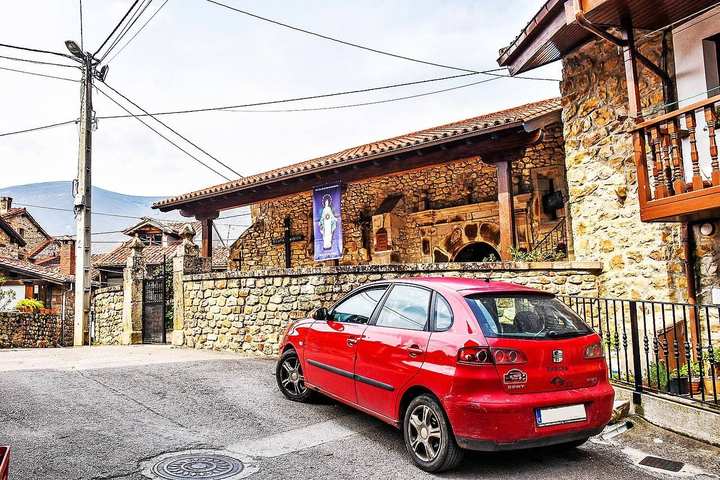
Garabandal — San Sebastián de Garabandal, Cantabria
MarianNot affirmed as supernatural

Garabandal

San Sebastián de Garabandal, Cantabria1961–1965

Four girls report visions of an angel and of Mary, ecstatic walks, a promised great miracle, a warning, and a permanent sign. No Spanish bishop has approved the apparitions. Rome has allowed private devotion without authenticating the events.

MarianOpen / under study

Our Lady of Zeitoun

Zeitoun, Cairo1968–1971

For three years a luminous woman — Mary, the crowds said — stood on the roof of a Coptic church in a Muslim city. Mechanics saw her first. Then tens of thousands. Muslims and Christians. Cameras. Silence. Blessing. Then she faded.

Bayside / “Our Lady of the Roses” — Bayside, Queens, then Flushing Meadows
MarianRejected or condemned

Bayside / “Our Lady of the Roses”

Bayside, Queens, then Flushing Meadows1970–1995

Veronica Lueken claimed messages from Mary and Jesus for decades, often accusing the hierarchy of error. The Diocese of Brooklyn declared in 1986 that no credibility should be given to the events.

Our Lady of Akita — Akita
MarianLocally approved

Our Lady of Akita

Akita1973–1981

Sr. Agnes Sasagawa hears a voice from a wooden statue; the statue weeps 101 times; a cross-shaped wound appears on the sister’s hand. Bishop Ito declared the events supernatural in 1984. Rome has been more reserved in later comments.

Our Lady of Betania — Betania, near Cúa
MarianLocally approved

Our Lady of Betania

Betania, near Cúa1976–1990

María Esperanza de Bianchini reports apparitions of Mary as Reconciler of all Peoples and Nations. In 1984 many visitors claim to see Mary. Bishop Pío Bello Ricardo declared the apparitions authentic in 1987.

The pigments on the tilma — Tepeyac, Mexico City. The tilma of Juan Diego: Mary as a mestiza woman, hands in prayer, standing on a crescent, stars on her mantle, the image that still hangs in Mexico City.
MarianOpen / under study

The pigments on the tilma

Tepeyac, Mexico CityCallahan 1979 and later imaging

Infrared and microscopy have been pointed at the tilma. The face and hands do not behave like a simple 16th-century painting. Some parts of the image do look added. This study keeps those two facts together.

A studied sign

Our Lady of Cuapa — San Francisco de Cuapa, Chontales
MarianLocally approved

Our Lady of Cuapa

San Francisco de Cuapa, Chontales1980

A sacristan, Bernardo Martínez, sees Mary by an old tree in a war-torn Nicaragua. She asks for the rosary prayed well, for peace, for the first Saturdays. The bishop of Juigalpa approved the apparitions in 1994.

Our Lady of Kibeho — Kibeho
MarianChurch-approved

Our Lady of Kibeho

Kibeho1981–1989 (approved visions)

The only Vatican-approved Marian apparition in Africa. Schoolgirls see Mary and, later, Jesus. They are shown a river of blood — years before the 1994 genocide. The message is conversion, prayer, and the rosary of the Seven Sorrows.

Medjugorje — Medjugorje
MarianOpen / under study

Medjugorje

Medjugorje1981 – ongoing claims

The most visited unapproved apparition site in the world. Six young people claimed daily visions from 1981. In 2024 Rome issued a “nihil obstat”: the Holy See finds no contradiction of faith and morals in the spiritual fruits, but does not declare the apparitions supernatural.

Our Lady of the Rosary of San Nicolás — San Nicolás de los Arroyos
MarianChurch-approved

Our Lady of the Rosary of San Nicolás

San Nicolás de los Arroyos1983–1990

A housewife, Gladys Quiroga de Motta, reports apparitions and 1,800 messages centered on the rosary, Scripture, and a church to be built. In 2016 the Bishop of San Nicolás declared the apparitions worthy of belief.

Our Lady of Litmanová — Zvir mountain, Litmanová
MarianOpen / under study

Our Lady of Litmanová

Zvir mountain, Litmanová1990–1995

Two girls, Katka and Ivetka, report Mary on a mountain in the newly free Slovakia. A spring, crowds, a call to prayer. The bishop has allowed the pilgrimage and has not issued a final decree on the origin.
Tixtla — Tixtla, Guerrero
EucharisticLocally approved

Tixtla

Tixtla, Guerrero2006

During a retreat Mass, a Host in a ciborium is seen to bleed. Studies commissioned by the bishop reported living blood and heart tissue. The relic is reserved in the parish.