The reading
How it began
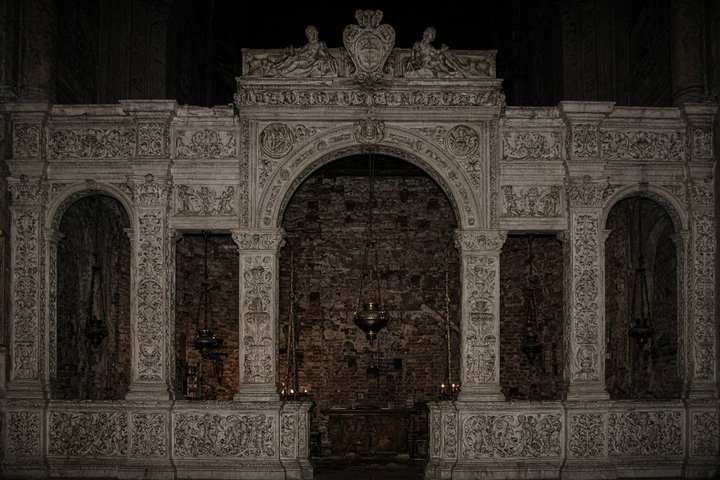
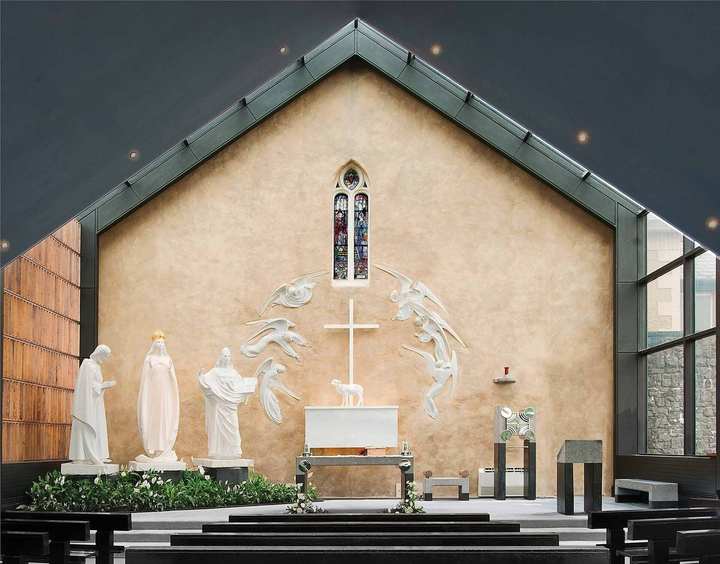
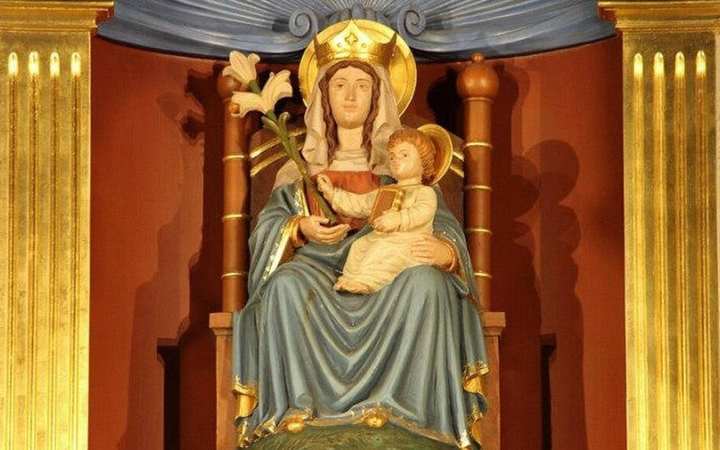
The slipper chapel, the ruined priory arch, the Anglican shrine and the Catholic shrine in one village — Walsingham is a parable of English Christianity’s wound and its remaining courtesy. The original Holy House was destroyed in 1538. In 1897 papal restoration of the pilgrimage begins. In 1934 the Slipper Chapel becomes the national Catholic shrine.
The day itself
There is no modern apparition to approve. There is a medieval founding vision, a destruction, and a return.
Reading
How to read Our Lady of Walsingham
Walsingham’s miracle, if the word is allowed, is survival. A nation that had been called Mary’s dowry forgot her in law and remembered her in the names of ships and pubs and ruined choirs. The return of the pilgrims is a historical sign in its own right.
Pray this
Prayers that sit with the story
Church status
How this sign has been received
Long veneration
National shrine of England, with a feast on the English Catholic calendar. The 1061 vision is tradition. Status: venerated, restored.
The shrine today
Why pilgrims still go
England’s Nazareth. A noblewoman’s vision in 1061, a holy house, destruction under Henry VIII, and a return. The slipper chapel, the mile, the Anglican and Catholic shrines living in a Norfolk village. You go because Mary had a home in England before the fracture, and still does.
Walsingham — the reasonsSources
- Catholic National Shrine of Our Lady, Walsingham
- Pynson Ballad (medieval verse-history of the shrine)
For the classroom
Our Lady of Walsingham (Tradition: 1061, Walsingham, Norfolk). Grade in this encyclopedia: Long veneration. Richeldis de Faverches is said to have been asked, in a vision, to build a replica of the Holy House. Medieval England made it one of Europe’s great pilgrimages. Henry VIII wrecked it. The twentieth century quietly put it back.