The reading
How it began
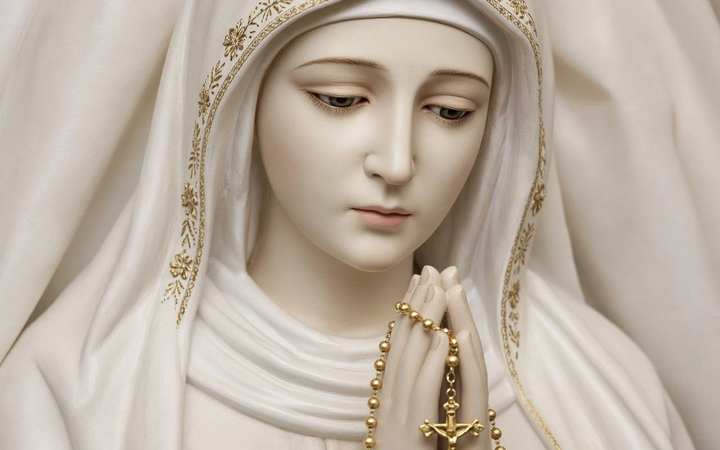
In April and May 1980, as the revolution hardens, Bernardo — a shy, unlettered sacristan — sees a luminous woman who calls herself the Virgin of the Rosary. She wants the rosary not rattled but prayed; she wants peace in families and in the country; she weeps for a people already bleeding.
The day itself
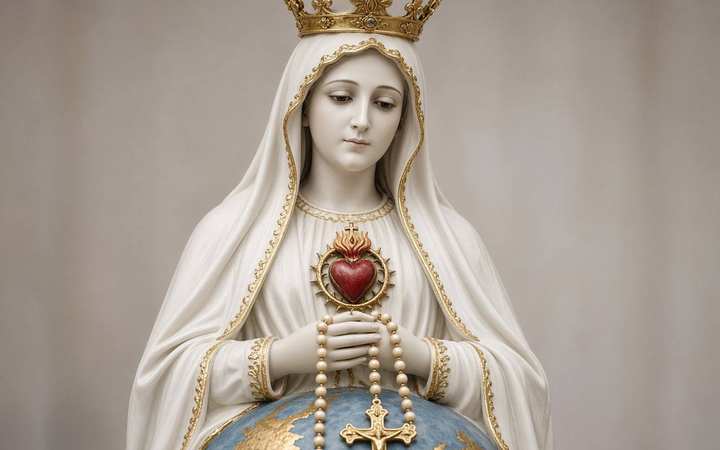
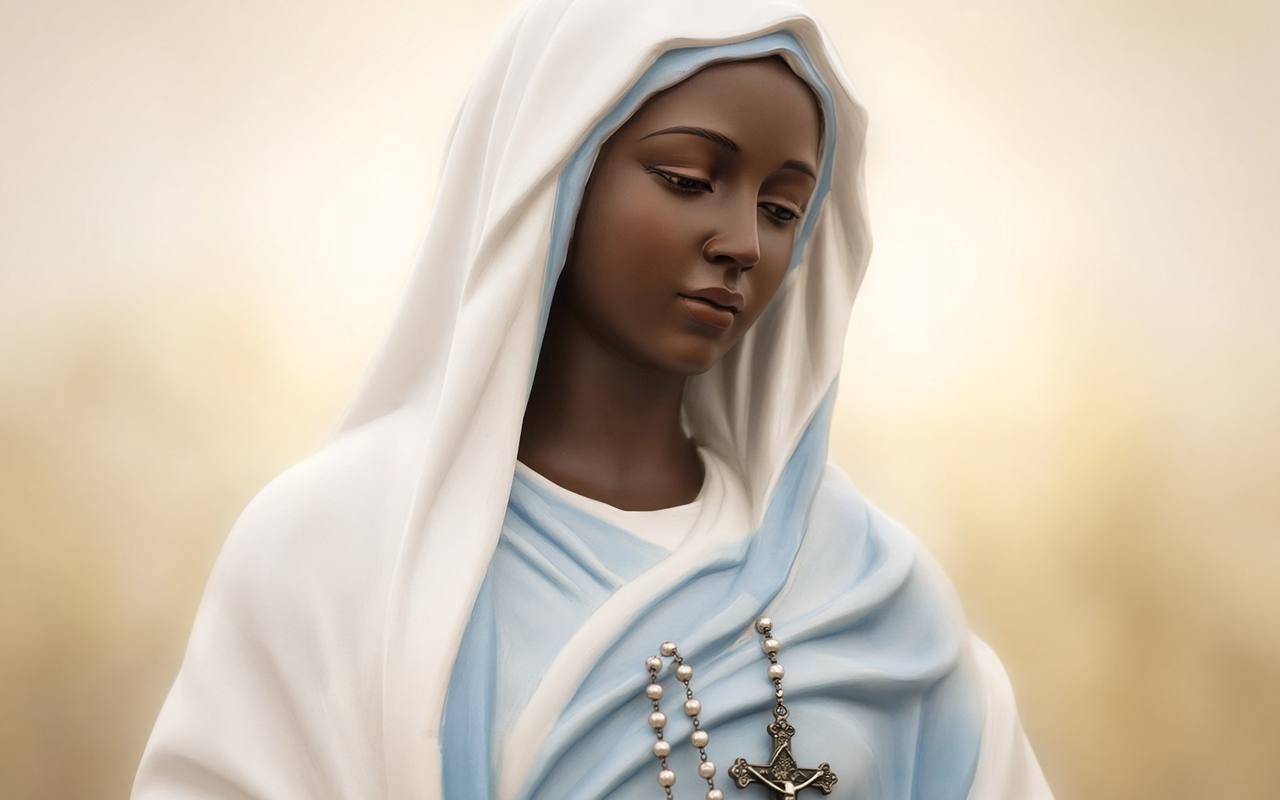
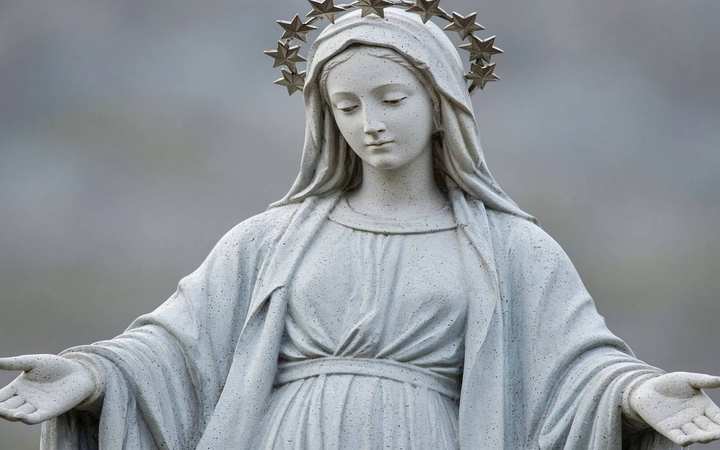
A statue is commissioned from his description. Pilgrims come to the little town. In 1994 Bishop Bosco Vivas Robelo of Juigalpa declares the apparitions worthy of belief. Bernardo becomes a priest of the diocese and dies in 2000.
Reading
How to read Our Lady of Cuapa
Cuapa is Fátima in a Central American key: the rosary, peace, a warning against a Christianity of slogans. Mary does not take a side in a civil war. She takes the side of prayer that is actually prayer.
Pray this
Prayers that sit with the story
Church status
How this sign has been received
Locally approved
Diocesan approval, 1994. A national shrine. Not a universal feast, but a fully received local apparition of the kind the 2024 Vatican norms call a nihil obstat in all but the new paperwork.
Sources
- Bishop Bosco Vivas Robelo, declaration of 1994
- Shrine of Our Lady of Cuapa
For the classroom
Our Lady of Cuapa (1980, San Francisco de Cuapa, Chontales). Grade in this encyclopedia: Locally approved. A sacristan, Bernardo Martínez, sees Mary by an old tree in a war-torn Nicaragua. She asks for the rosary prayed well, for peace, for the first Saturdays. The bishop of Juigalpa approved the apparitions in 1994.