Skip to content

St. Maria Goretti

Feast 6 July

Child martyr of purity. She forgave her murderer, who later took a religious name.

St. Maria Goretti

Sacred art

Statues and images

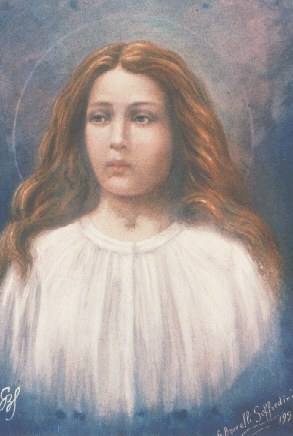
The portrait kept with St. Maria Goretti is the image this library has of Maria. The honour goes to the person, and through the person to God. It is not a machine, and it is not a substitute for the life written below.

The whole treasury

Died 1902 at eleven. Canonized 1950 with her mother present. Not a slogan. A girl, a field, a refusal, a pardon.

Signs that name Maria

If it belongs to Maria, it is here, with a door back into the story.

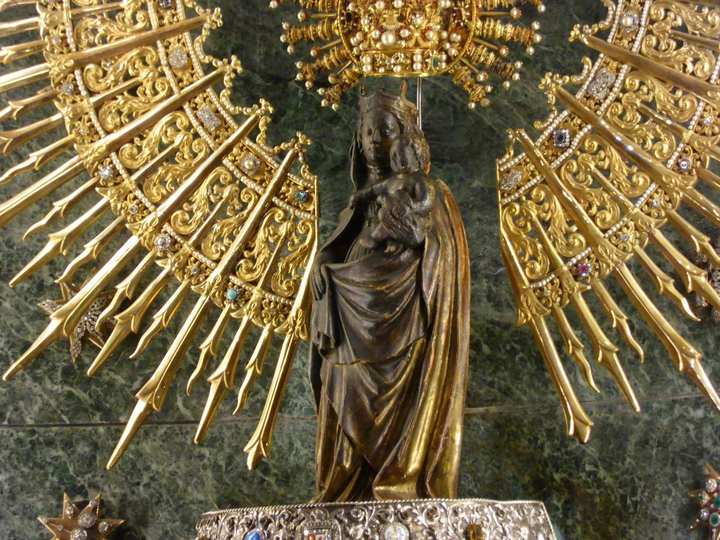
Our Lady of the Pillar — Caesaraugusta (Zaragoza). A small standing Madonna and Child on a jasper pillar, as they are venerated in the basilica at Zaragoza.
MarianLong veneration

Our Lady of the Pillar

Caesaraugusta (Zaragoza)Tradition: 12 January AD 40

Spain’s founding Marian story: the Virgin, while still living in Jerusalem, appears to the Apostle James on the Ebro and leaves a jasper pillar. A small statue of mother and child stands on that column in Zaragoza. A basilica stands around it. It is apostolic legend, loved, not historically proved. The photograph is this statue on this pillar — not any other Madonna.

Ferrara — Ferrara
EucharisticLong veneration

Ferrara

Ferrara1171

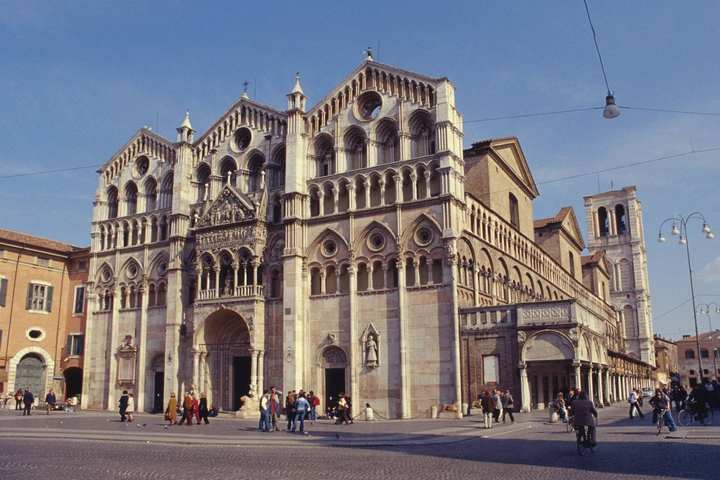
On Easter Sunday 1171, at the breaking of the Host, blood spurts onto the vault above the altar of Santa Maria in Vado. The stains were long shown; the church became a shrine.

St. Rose of Viterbo — Santa Rosa, Viterbo
RelicChurch-approved

St. Rose of Viterbo

Santa Rosa, ViterboDied 1251; still intact in Viterbo

A girl preacher of the thirteenth century, dead at eighteen, whose body remains in Viterbo and is carried through the city on her feast — the Macchina di Santa Rosa — a tower of lights on the shoulders of a hundred men.

The Tongue of St. Anthony of Padua — Basilica of St. Anthony, Padua
RelicLong veneration

The Tongue of St. Anthony of Padua

Basilica of St. Anthony, PaduaDied 1231; tomb opened 1263

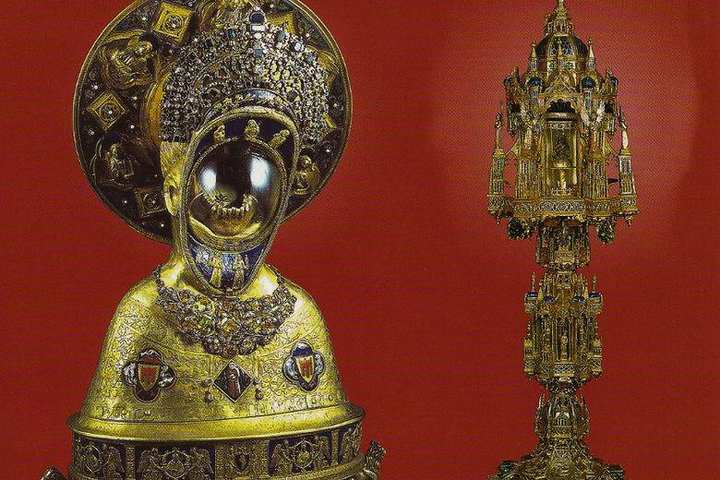
Thirty-two years after Anthony’s death, St. Bonaventure opens the tomb. The body is dust. The tongue is intact, red, as if still speaking. It is kept in a reliquary in the basilica, with the jaw and vocal apparatus.

St. Frances of Rome — Santa Francesca Romana, Roman Forum
RelicChurch-approved

St. Frances of Rome

Santa Francesca Romana, Roman ForumDied 1440

A noblewoman, wife, foundress of the Oblates of Tor de’ Specchi. Her body is under the altar in the church that looks onto the Forum — a Roman matron who would not leave the city to become holy.

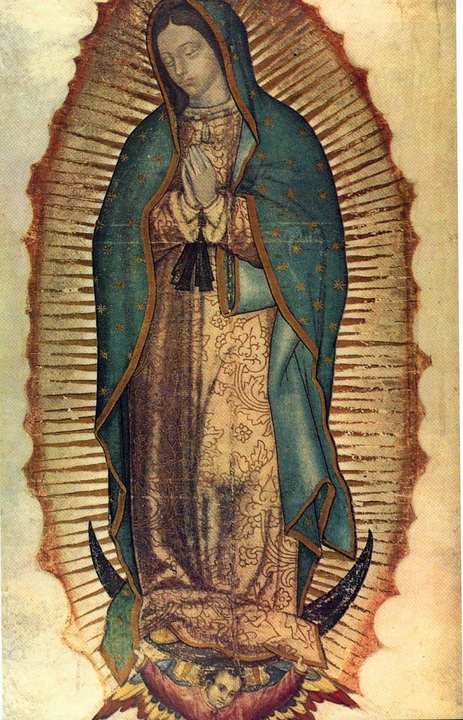
Our Lady of Guadalupe — Tepeyac, Mexico City. The tilma of Juan Diego: Mary as a mestiza woman, hands in prayer, standing on a crescent, stars on her mantle, the image that still hangs in Mexico City.
MarianChurch-approved

Our Lady of Guadalupe

Tepeyac, Mexico City1531

Mary appears to St. Juan Diego, asks for a church, and leaves her image on his cactus-fiber tilma — an image still visible, and still drawing millions, nearly five centuries later.

6 studied signs on this image

Our Lady of Copacabana — Copacabana, Lake Titicaca
StatueLong veneration

Our Lady of Copacabana

Copacabana, Lake Titicaca1583

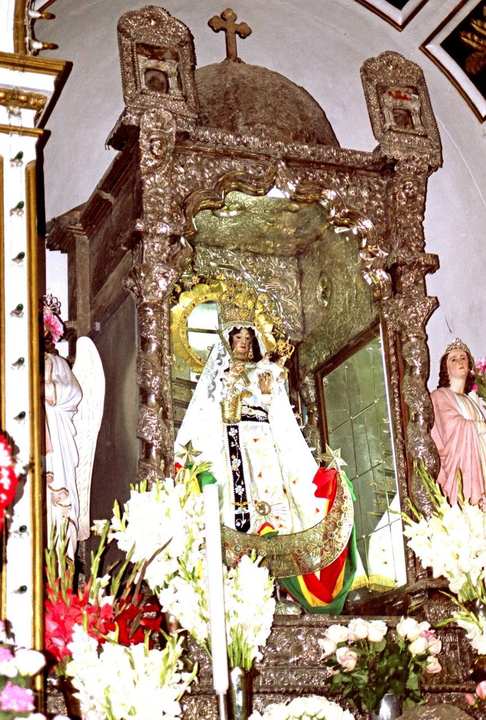
Francisco Tito Yupanqui, an Inca descendant, carves a dark Madonna for a sanctuary on the lake that had been a place of Andean cult. Healings and a nation’s devotion follow.

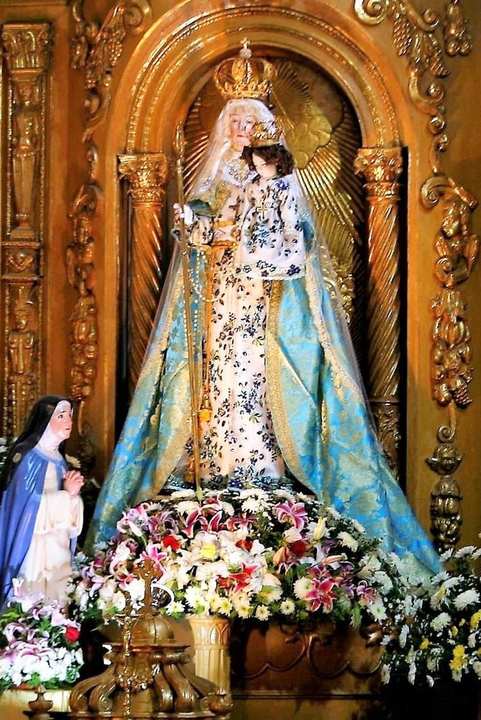
Our Lady of Good Success — Quito. The official statue of Our Lady of Good Success in Quito: a standing Madonna and Child in gold and white, a crown, a staff, the keys of the convent.
MarianLocally approved

Our Lady of Good Success

Quito1594–1634

Mother Mariana de Jesús Torres, a Conceptionist nun, reports lengthy apparitions of Mary as “Good Success,” with prophecies about a later, corrupted age. A statue still stands in the choir. The diocese has permitted the cult of the image; the prophecies are more contested in popular retellings than in the archives.

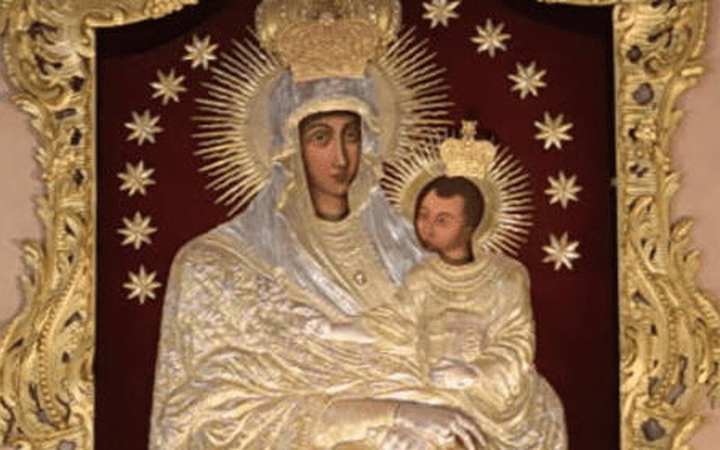
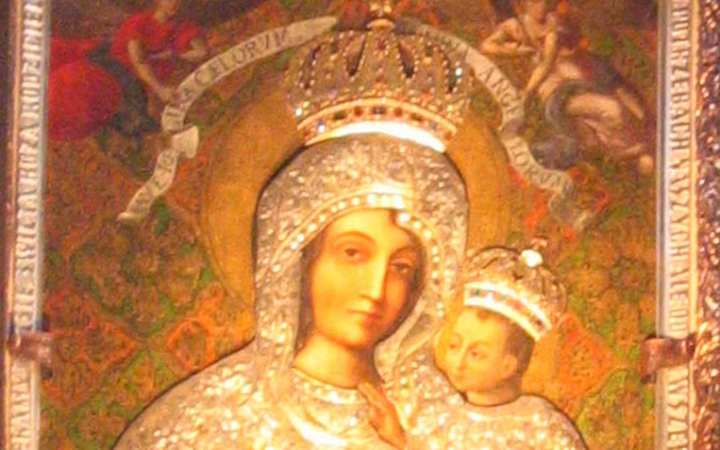
Our Lady of Šiluva — Šiluva. An icon of Mary holding the Child, covered in a silver riza, candles at the edge of the frame.
MarianChurch-approved

Our Lady of Šiluva

Šiluva1608

In a village that had lost its Catholic church to the Reformation, children see a woman holding the Child and weeping. A buried chest of liturgical treasures is found. Lithuania’s great Marian shrine begins.

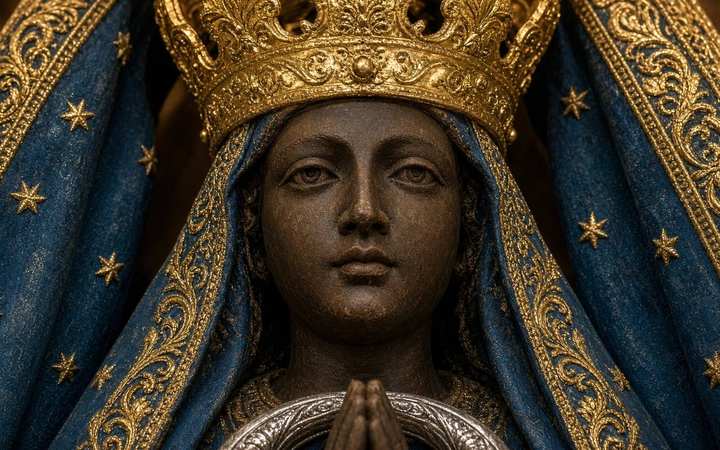
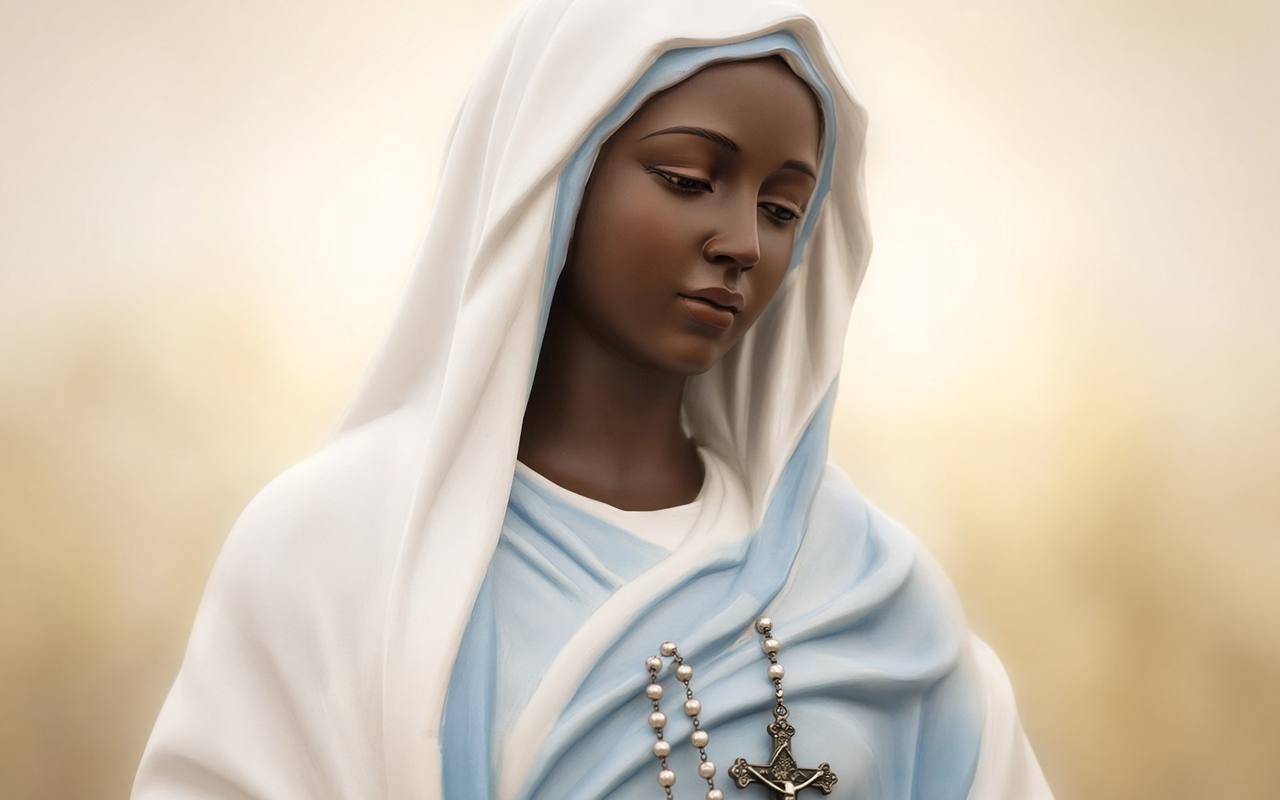
Our Lady of Aparecida — Paraíba River, then Aparecida. Close view of a dark terracotta statue of the Immaculate Conception: a serene face, hands joined, a tall golden crown, a blue mantle with gold stars. No basilica — the statue herself.
StatueLong veneration

Our Lady of Aparecida

Paraíba River, then Aparecida1717

Three fishermen, catching nothing, net a small, mud-dark broken statue of the Immaculate Conception — first the body, then the head — and then a haul of fish. She is the patroness of Brazil.

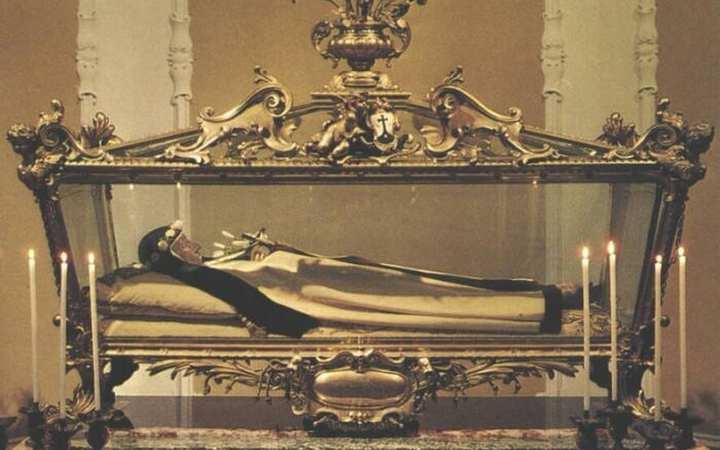
St. Teresa Margaret of the Sacred Heart — Florence, Discalced Carmel
RelicChurch-approved

St. Teresa Margaret of the Sacred Heart

Florence, Discalced CarmelDied 1770; found intact

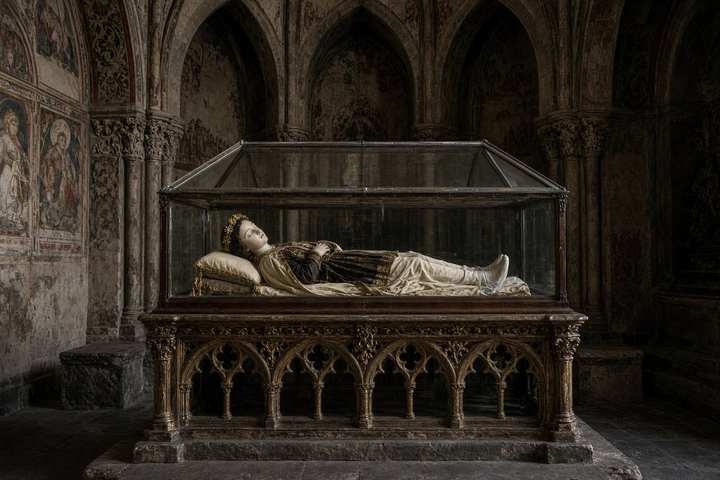
A Florentine Carmelite who died at twenty-two. The body remained flexible and incorrupt, the face beautiful in death, and has been shown in the Carmel of Florence.

Our Lady of La Vang — La Vang, Quảng Trị
MarianLong veneration

Our Lady of La Vang

La Vang, Quảng Trịc. 1798

Christians hiding in the jungle from the Cảnh Thịnh persecution see a lady in áo dài, holding the Child, under a great tree. She tells them to boil the leaves for medicine. La Vang becomes the national Marian shrine of Vietnam.

The Miraculous Medal — Rue du Bac, Paris
MarianChurch-approved

The Miraculous Medal

Rue du Bac, Paris1830

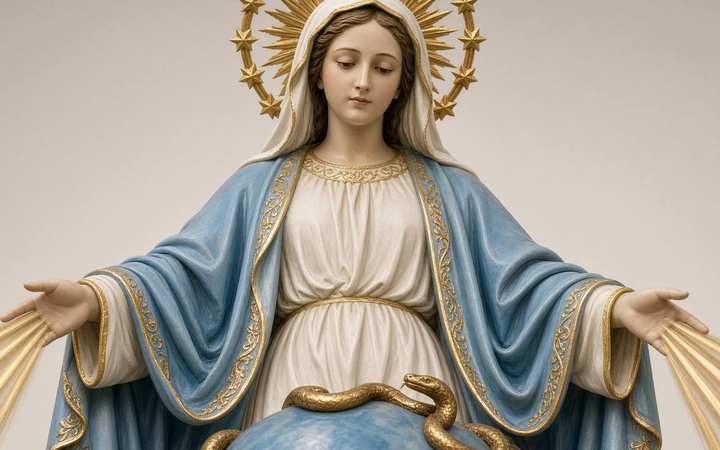
St. Catherine Labouré, a novice of the Daughters of Charity, is shown a medal: Mary crushing the serpent, rays from her hands, a ring of prayer. Struck in 1832, it becomes the most widespread Marian sacramental in the world.

Blessed Anna Maria Taigi — San Crisogono, Trastevere, Rome
RelicChurch-approved

Blessed Anna Maria Taigi

San Crisogono, Trastevere, RomeDied 1837; body in San Crisogono

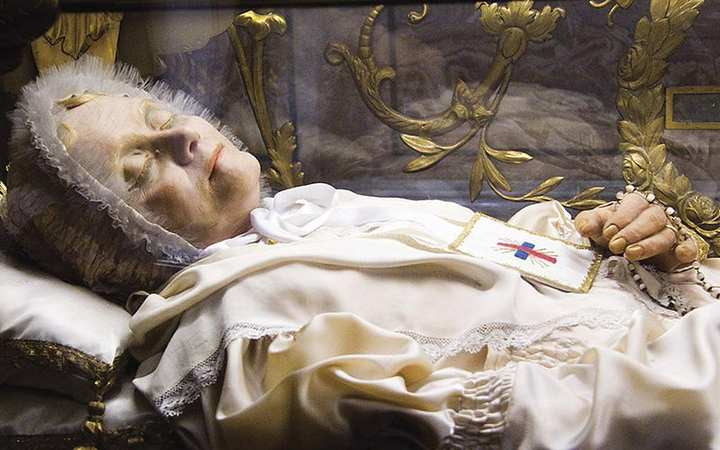
A housewife, mother of seven, tertiary, whose mystical sun — a luminous globe in which she saw the world — was examined by popes. The body, found intact, lies in a glass coffin in Trastevere.

Our Lady of Champion — Champion (Robinsonville), Wisconsin
MarianChurch-approved

Our Lady of Champion

Champion (Robinsonville), Wisconsin1859

The first (and so far only) Marian apparition in the United States approved by a bishop: Adele Brise, a Belgian immigrant, is told to “gather the children” and teach them the faith. A shrine stands where the Peshtigo fire later stopped.

Our Lady of Gietrzwałd — Gietrzwałd. A Baroque painting of the Madonna and Child, both wearing golden crowns. Mary in a red dress and blue mantle, the Child blessing, filling the frame.
MarianChurch-approved

Our Lady of Gietrzwałd

Gietrzwałd1877

Poland’s only approved Marian apparition of the modern era: two girls, during Bismarck’s Kulturkampf, hear Mary say in Polish that she wishes people to pray the rosary. A spring is blessed. The bishop approved in 1977.

Our Lady of the Cape — Cap-de-la-Madeleine, Québec
MarianLong veneration

Our Lady of the Cape

Cap-de-la-Madeleine, Québec1879 and 1888

A poor parish, an old statue, a bridge of ice in March that lets the stone for a new church cross the river — the “Bridge of Rosaries.” In 1888 the statue’s eyes are seen to open. Canada’s national Marian shrine.

Our Lady of China — Donglü, Hebei
MarianLong veneration

Our Lady of China

Donglü, Hebei1900

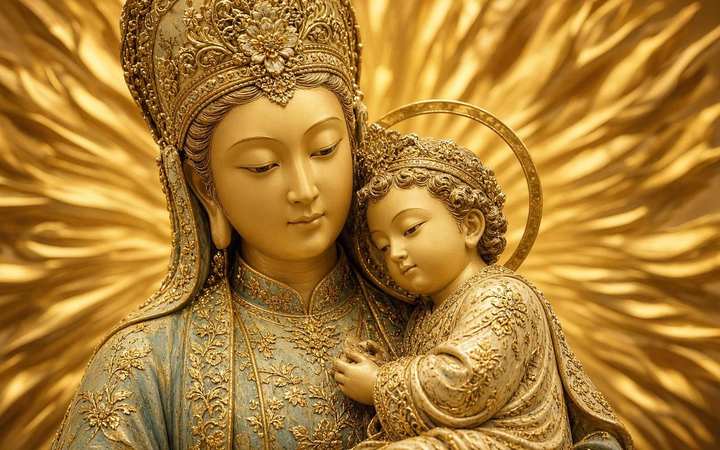
During the Boxer Rising, villagers at Donglü see a lady in the sky, and the attackers fall back. A church is built. The image — Mary as a Chinese empress, the Child in her arms — is the face under which Chinese Catholics have prayed through a long century.

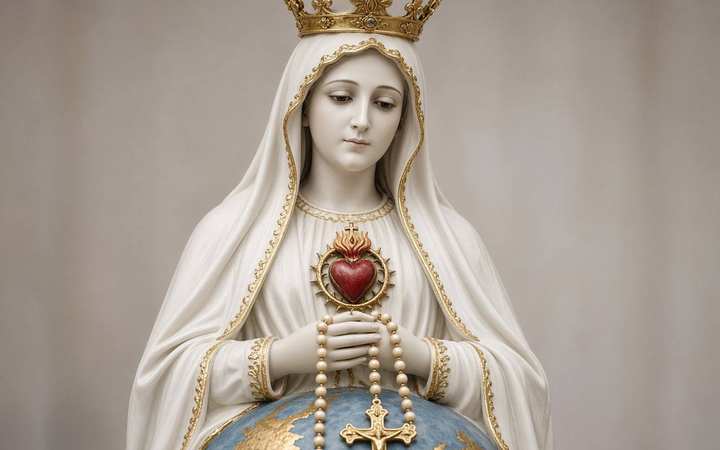
Our Lady of Fátima — Cova da Iria, Fátima. The statue of Our Lady of Fátima: white, crowned, the rosary, the Immaculate Heart.
MarianChurch-approved

Our Lady of Fátima

Cova da Iria, Fátima1917

In 1917, in a hollow of pasture called the Cova da Iria, near the village of Fátima in Portugal, three shepherd children — Lúcia dos Santos, ten, and her cousins Francisco Marto, nine, and Jacinta Marto, seven — saw a lady brighter than the sun, six times, on the 13th of the month from May to October. She asked for the rosary every day, for the conversion of sinners, for devotion to her Immaculate Heart, and that a chapel be built. On 13 July she showed them hell and spoke of war and of Russia. On 13 October, before a crowd of tens of thousands standing in the rain, including reporters who had come to mock, the sun appeared to dance. Francisco and Jacinta died in the influenza. Lúcia lived until 2005 as a nun. The bishop of Leiria declared the apparitions worthy of belief on 13 October 1930.
The Lady of All Nations — Amsterdam
MarianNot affirmed as supernatural

The Lady of All Nations

Amsterdam1945–1959

Ida Peerdeman reported 56 visions and a prayer naming Mary as “Coredemptrix, Mediatrix, and Advocate.” Amsterdam’s bishop once showed favor; the CDF has repeatedly refused the title and, under the 2024 norms, the apparitions are not recognized as supernatural.

Rosano — Rosano, Tuscany
EucharisticLocally approved

Rosano

Rosano, Tuscany1948

In the Benedictine monastery of Rosano a Host was seen to change during adoration. The nuns and the diocese kept a file. It is a modern case, and it is not Lanciano.

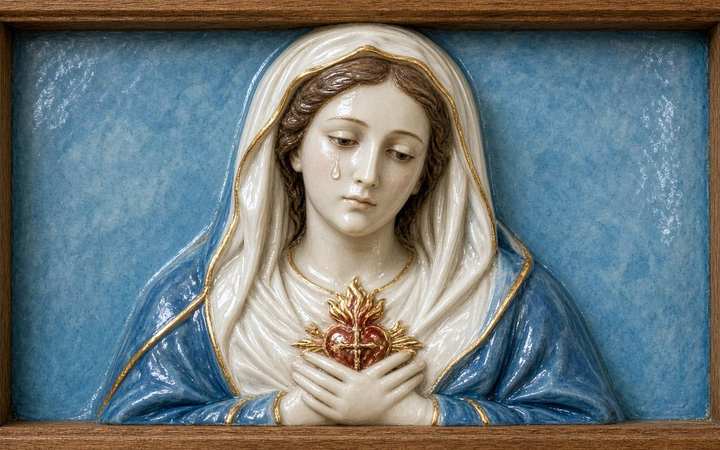
The Weeping Madonna of Syracuse — Syracuse, Sicily. A plaster plaque of the Immaculate Heart of Mary in a wooden frame, a tear on the left cheek.
StatueChurch-approved

The Weeping Madonna of Syracuse

Syracuse, Sicily29 August – 1 September 1953

A cheap plaster plaque in a worker’s apartment sheds human tears for four days. A commission, scientists, and the bishops of Sicily take depositions. Pius XII spoke of it. A vast basilica now stands over the site.

Our Lady of Kibeho — Kibeho
MarianChurch-approved

Our Lady of Kibeho

Kibeho1981–1989 (approved visions)

The only Vatican-approved Marian apparition in Africa. Schoolgirls see Mary and, later, Jesus. They are shown a river of blood — years before the 1994 genocide. The message is conversion, prayer, and the rosary of the Seven Sorrows.

The Host of Betania — Finca Betania, near Cúa
EucharisticLocally approved

The Host of Betania

Finca Betania, near Cúa8 December 1991

At midnight Mass on the Immaculate Conception, Father Luis Otty Ossa Aristizábal saw a piece of the Host bleed on the paten. The bishop is reported to have accepted the bleeding. A published Roman decree is not the same thing, and this page does not invent one.

The Madonna of Civitavecchia — Pantano, Civitavecchia. The Madonnina of Civitavecchia as she is reserved at Sant’Agostino: a small white plaster Queen of Peace, head bowed, eyes down, hands crossed, a gold crown, a rosary hanging, inside a glass case. This is the statue of February 1995.
StatueOpen / under study

The Madonna of Civitavecchia

Pantano, Civitavecchia2 February 1995

On 2 February 1995, at about 16:20, in a garden at Pantano on the edge of Civitavecchia, a five-year-old girl named Jessica Gregori stopped in front of a plaster statue forty-two centimetres high and called to her father. Blood, she said, was coming from its eyes. Over the next six weeks the same object was reported to weep fourteen times — in the garden, in the house, and at last in a bishop’s hands. A CAT scan at the Gemelli hospital found no device inside the plaster. Two forensic professors named the first stains as human blood, male. John Paul II later blessed a gold crown and a rosary for the figure. Rome has never declared a miracle. The statue is still in a glass case at Sant’Agostino.

St. Carlo Acutis — Milan; buried at Assisi
SaintChurch-approved

St. Carlo Acutis

Milan; buried at AssisiDied 2006; canonized 2025

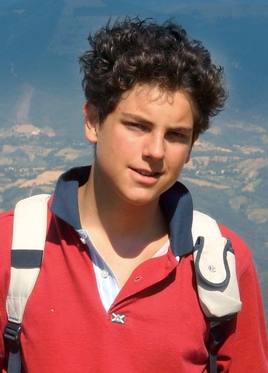
A teenager who coded a website of Eucharistic miracles, went to Mass daily, and died of leukemia at fifteen. The first millennial saint — and the reason many people first learned that Lanciano and Bolsena exist.

EucharisticLocally approved

Sokółka

Sokółka2008

A dropped Host, placed in water, develops a red stain. Independent pathologists report that the stain is heart muscle fused with the bread in a way they cannot explain. The Archbishop of Białystok authorized veneration.