
The reading
How it began
Anna Maria Giannetti Taigi keeps a Roman household, suffers a difficult marriage, and becomes the counselor of cardinals who came to the kitchen. She sees, she said, a sun in which the states of souls were shown. Gregory XVI took an interest. She dies in 1837. The body is preserved and later placed in San Crisogono. Pius X beatifies her in 1920.
The day itself
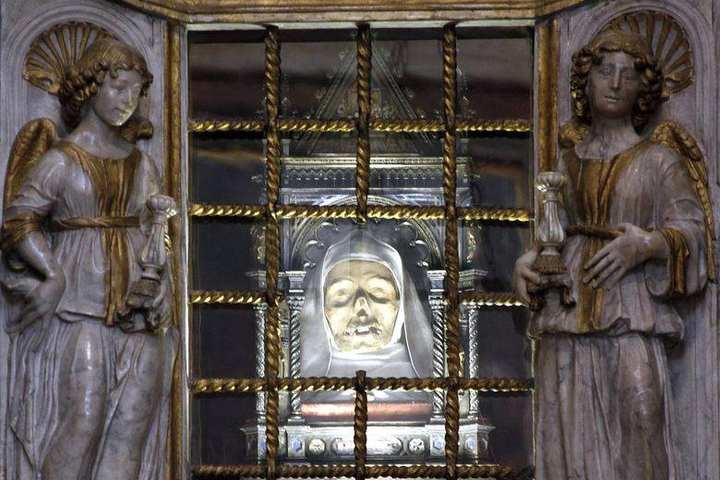
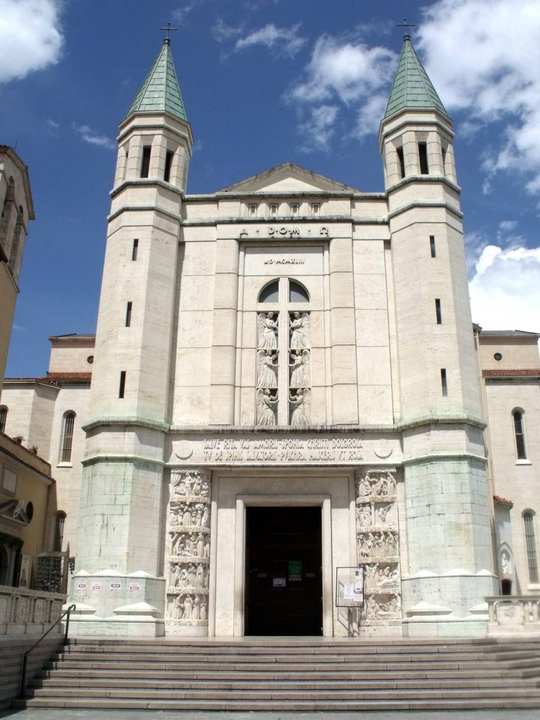
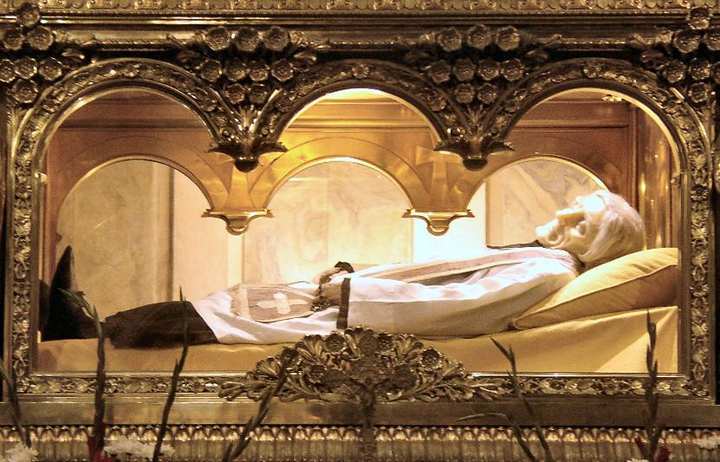
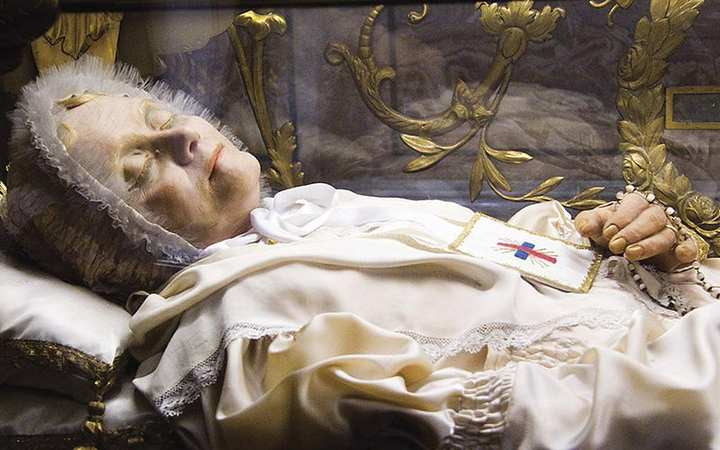
Anna Maria Taigi died in Rome on 9 June 1837, a Trinitarian tertiary, a married woman with children, a mystic whose confessor recorded a “sun” in which she was shown consciences and events. She was buried at Santa Maria della Scala and later moved. The body rests in the basilica of San Crisogono in Trastevere, in a glass shrine in a side chapel, clothed as a Roman matron rather than as a nun — which is the right clothing, because she was not a nun. Benedict XV beatified her on 30 May 1920. She is not canonized. The preservation is part of the Roman cult; the beatification rested on virtues lived in a crowded apartment and on healings, including the cure that closed the process. Her husband’s deposition in the cause is unusually frank about her temper and her housework. That deposition is worth more than the sun. The body in Trastevere is a wife’s body, and the shrine says so by the way she is dressed.
Reading
How to read Blessed Anna Maria Taigi
The incorrupt housewife is a theological joke against the idea that mystics must be nuns. The Church put her in glass in a parish, which is where she had been.
Church status
How this sign has been received
Church-approved
Beatified 1920. Relics in the basilica of San Crisogono, Rome. The mystical sun is in the acts, not in the Creed.
Sources
- Basilica of San Crisogono, Rome
- Process of Blessed Anna Maria Taigi
For the classroom
Blessed Anna Maria Taigi (Died 1837; body in San Crisogono, San Crisogono, Trastevere, Rome). Grade in this encyclopedia: Church-approved. A housewife, mother of seven, tertiary, whose mystical sun — a luminous globe in which she saw the world — was examined by popes. The body, found intact, lies in a glass coffin in Trastevere.