The reading
How it began
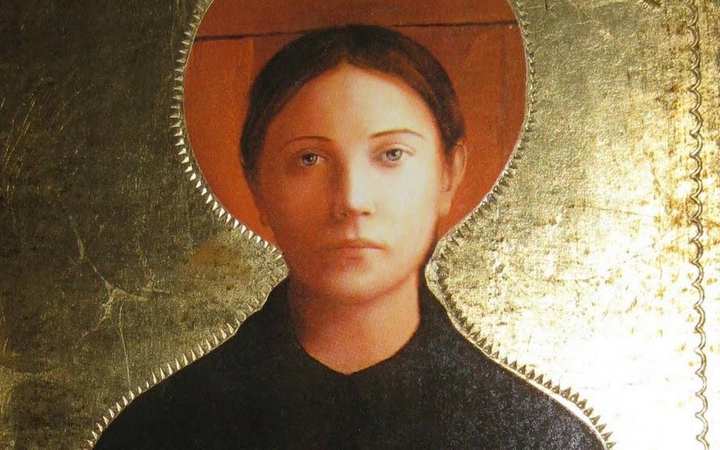
Rita’s marriage is brutal; her husband is murdered; she keeps her sons from a blood-feud; they die; she is at last admitted to the convent that had refused her. In prayer before a crucifix she asks to share Christ’s thorn; a wound opens in her brow that will not heal and that smells, the sisters say, of something worse than illness — except when it doesn’t, and then it smells of roses.
The day itself
In January, dying, she asks a cousin for a rose from the garden at Roccaporena. Snow is on the ground. The cousin finds a rose, and two figs. The body remains at Cascia, near the bleeding page of the Eucharistic miracle.
Reading
How to read St. Rita of Cascia
Impossible cases are usually not roses in snow. They are marriages that cannot be repaired, sons who will not be turned, convents that will not open. Rita’s miracles are sized to her life. The thorn is not decoration. It is a middle-aged woman’s share of a violence she did not start.
Pray this
Prayers that sit with the story
Church status
How this sign has been received
Church-approved
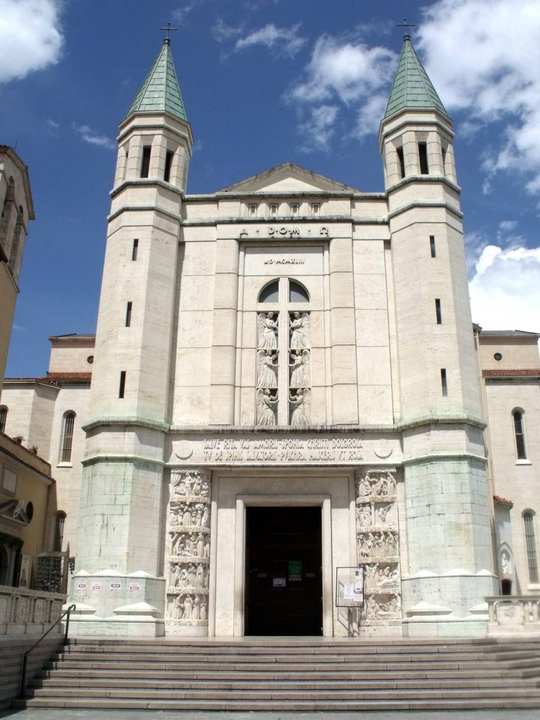
Canonized 1900. The roses of St. Rita remain a popular devotion. The body is venerated at the basilica. Status: saint of the universal calendar.
Sources
- Basilica of St. Rita, Cascia
- Early Augustinian lives of Rita
For the classroom
St. Rita of Cascia (Died 1457, Cascia). Grade in this encyclopedia: Church-approved. Wife, mother, widow, Augustinian nun. A thorn-wound in her forehead for fifteen years; roses and figs in January at her death; a body still shown. Patron of impossible cases.