
The reading
How it began
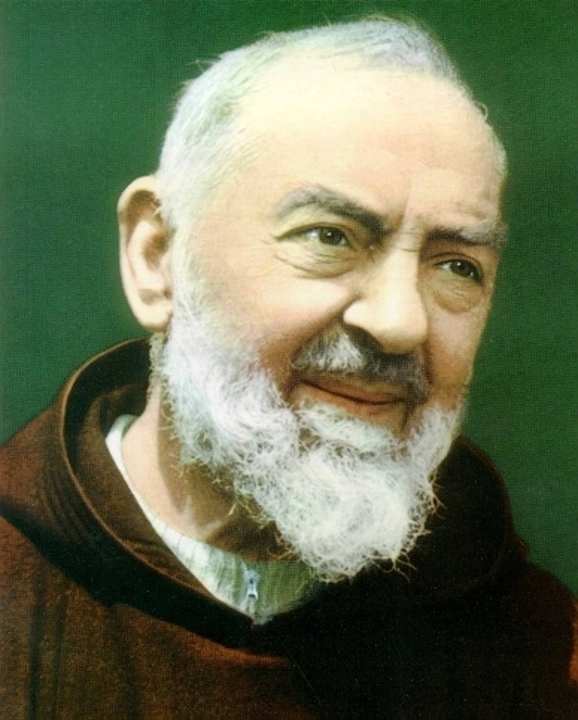
Jean-Marie Vianney barely makes it through seminary. In 1818 he is sent to Ars, a village of 230 with a well-used tavern and a little-used church. He preaches, fasts, lives on rotten potatoes, and sits in the confessional until he becomes a national inconvenience. Toward the end, tens of thousands a year come. The railroad has to open a stop.
The day itself
He reports that the devil — “the grappin” — shakes his bed, sets fires, jeers. His helpers hear the noises. A granary is said to fill. He knows, penitents say, sins they had not got to yet. He weeps more than he thunders.
Reading
How to read St. John Vianney
The miracle of Ars is the conversion of a parish. The rest is accompaniment. A Church that loves wonders more than confession has not understood this saint. He is the patron of parish priests because he did the job that every theology textbook assumes and many rectories quietly flee.
Pray this
Prayers that sit with the story
Church status
How this sign has been received
Church-approved
Canonized 1925; patron of parish priests. The phenomena were examined. The fruit — a village and a country going to confession — is the argument the Church found irresistible.
The shrine today
Why pilgrims still go
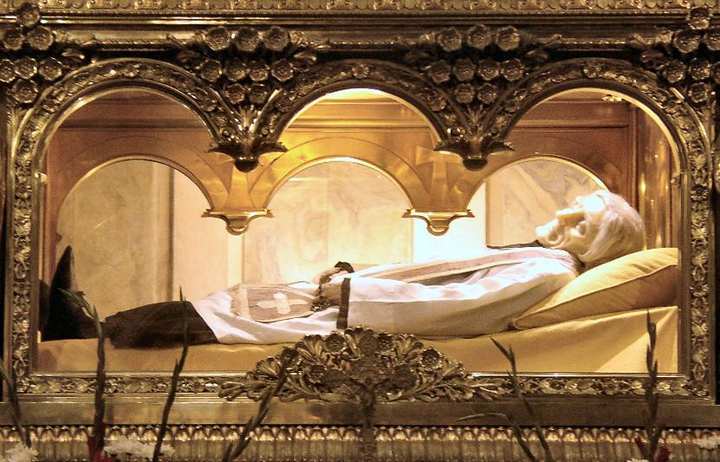
The Curé of Ars, patron of parish priests, whose confessional was a national event. A tiny village, a painted basilica, the heart of a man who slept almost not at all because sinners kept coming. You go to remember what a priest is for.
Ars — the reasonsSources
- Trochu, The Curé d’Ars
- Process of canonization; shrine of Ars
For the classroom
St. John Vianney (Died 1859, Ars-sur-Formans). Grade in this encyclopedia: Church-approved. A poorly educated parish priest who turned a forgotten village into the confessional of France. Nights of diabolic harassment, a multiplying of food, knowledge of consciences, and a body still shown at Ars.