The reading
How it began
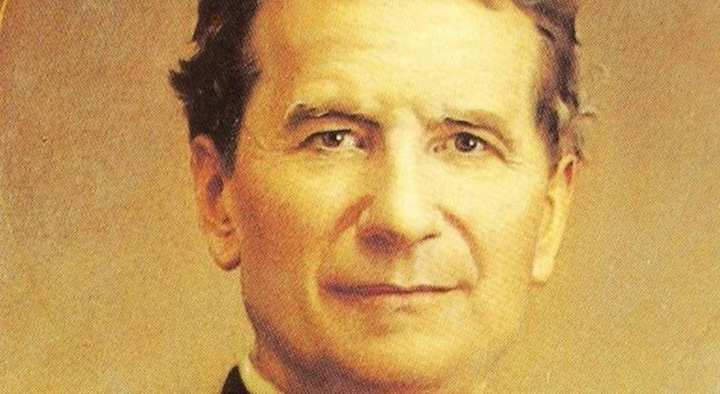
A farm boy with a circus-trick memory becomes a priest of the industrial poor. He houses boys nobody wants, teaches them a trade, and refuses the grimness that was the 19th-century default for “charity.” His “preventive system” is play, confession, the Eucharist, and a priest who is present.
The day itself
The dreams are famous because he told them as educational parables, not as a franchise of secrets. Some came true in ways his companions found uncomfortable. Healings and a multiplication of bread appear in the Biographical Memoirs — a vast, loving, not always critical record by his secretary Fr. Lemoyne.
Reading
How to read St. John Bosco
Don Bosco’s miracle, if one must pick, is the invention of a Catholic way to raise poor boys without crushing them. The rest is God, perhaps, keeping the lights on in a house that should have gone bankrupt.
Church status
How this sign has been received
Church-approved
Canonized 1934. Patron of apprentices and of editors. The dreams are not private revelations imposed on the Church; they are part of a saint’s toolbox.
The shrine today
Why pilgrims still go
The cloth that has the image of a crucified man, which the popes have knelt before, which carbon-14 has dated medieval, which blood and pollen and a hundred arguments have not finished. You go as a pilgrim, not as a lab assistant.
Turin — the Shroud — the reasonsSources
- Biographical Memoirs of St. John Bosco
- Salesian constitutions and early chronicles
For the classroom
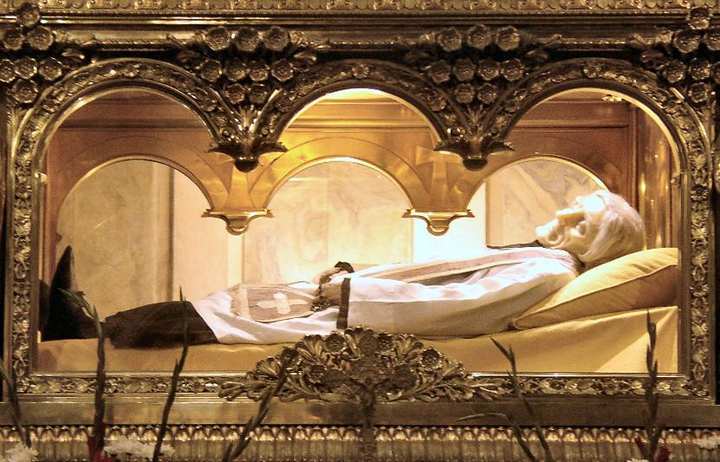
St. John Bosco (Died 1888, Turin). Grade in this encyclopedia: Church-approved. Priest of street boys, founder of the Salesians, whose dreams — the two columns, the wolves turned lambs — guided an order, and whose life accumulated healings, multiplying chestnuts, and a reputation for reading the future of his boys.