The reading
How it began
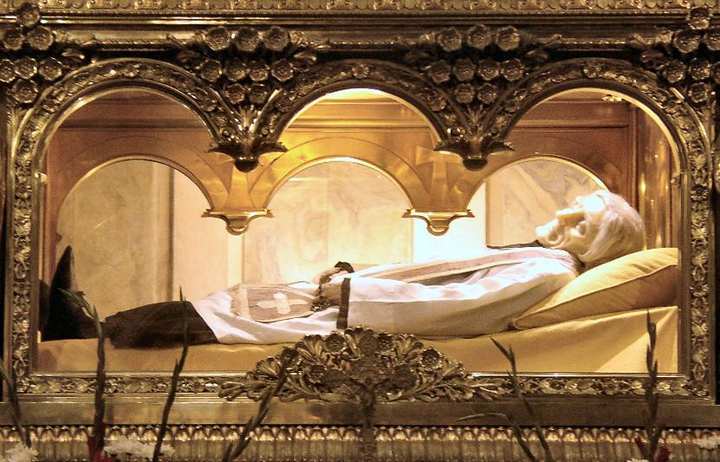
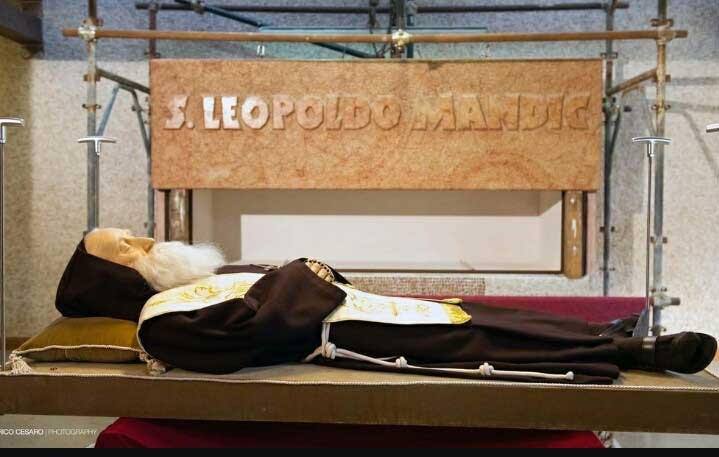
Bogdan Mandić, about four foot five, chronically ill, becomes the most sought confessor in the Veneto. He wants to go east to serve the reunion of the Churches; the East comes to his confessional instead. He dies of cancer on 30 July 1942, collapsing as he prepares for Mass. In 1944 bombs level the church and the friary. The cell and the confessional stand, which he had said would happen. Paul VI beatifies him in 1976. John Paul II canonizes him in 1983. The body is in a glass shrine in the rebuilt church.
The day itself
Bogdan Mandić was born at Herceg Novi on 12 May 1866, took the name Leopold as a Capuchin, and from 1906 sat in a small confessional at the friary of Santa Croce in Padua, often for twelve hours a day. He was about 1.35 metres tall, chronically ill, and sure that his real work was the Christian East; the East came to the grille instead. He died of cancer of the oesophagus on 30 July 1942, collapsing as he prepared for Mass. The friars at the bed sang the Salve Regina. In 1944 bombs destroyed the church and much of the friary. His cell and his confessional were left standing, which he had told the brothers would happen. The body, exhumed for the cause, is shown in a glass shrine in the rebuilt sanctuary, vested, the small hands visible. Paul VI beatified him on 2 May 1976. John Paul II canonized him on 16 October 1983. The confessional is the monument. The body is the other one.
Reading
How to read St. Leopold Mandić
The miracle is the confessional hours. Incorruption is a postscript, as if the body had learned, from the soul, not to go anywhere.
Church status
How this sign has been received
Church-approved
Canonized 1983. Patron of confessors with St. Alphonsus. Relics at the Capuchin church in Padua.
Sources
- Capuchin friary, Padua
- John Paul II, canonization homily, 16 October 1983
For the classroom
St. Leopold Mandić (Died 1942; body shown in Padua, Padua). Grade in this encyclopedia: Church-approved. A tiny Croatian Capuchin, hunched, who sat in a confessional in Padua for thirty years. The body, exhumed for beatification, was found intact and is now in a glass shrine in his church — a confessor who did not leave his box.