The reading
How it began
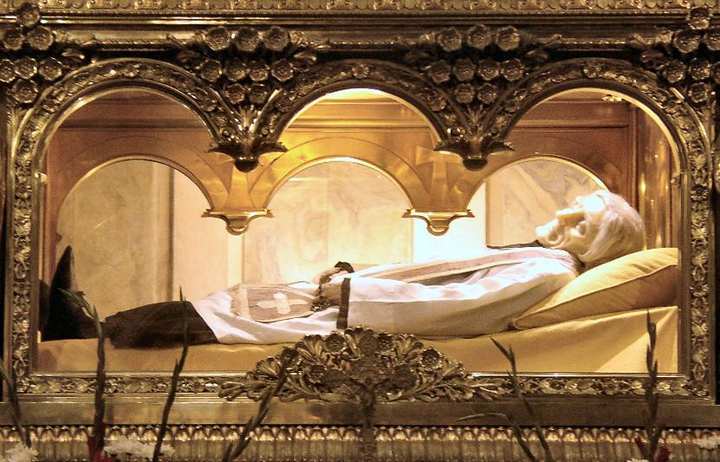
Alphonsus dies at Nocera in 1787, old, deaf, having been tricked out of his own congregation for a time and having suffered it. The relics are at Pagani. The body is that of a founder: vested, honored, not a sleeping maiden, but the man of the Moral Theology still in the church where his sons sing.
The day itself
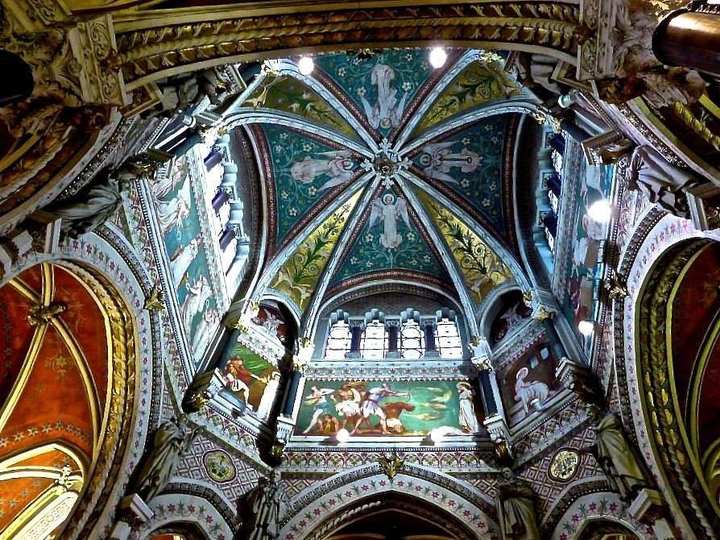
Alphonsus Liguori died at Pagani, near Nocera, on 1 August 1787. He was ninety, deaf, arthritic, and legally tangled in a split he had not wanted between the Redemptorists of the Papal States and the house in the Kingdom of Naples. The body is in the basilica at Pagani, in a glass shrine beneath a marble figure, vested as a bishop — he had been bishop of Sant’Agata de’ Goti. Gregory XVI canonized him in 1839. Pius IX declared him a Doctor of the Church in 1871, the doctor of moral theology who pulled confessors back from a rigorism that kept people out of Communion. The shrine is a founder in his own town, not a maiden under wax. Pilgrims who want the bilocation stories — the claim that he was seen in Rome while he was in Arienzo — are dealing with a different file from the body. The body is at Pagani. The bilocation is a report in the lives, argued over, and not what the glass contains.
Reading
How to read The Body of St. Alphonsus Liguori
His greater incorruption is the book: a moral theology that preferred a sacrament given to a rigor that starved. The shrine is a pilgrimage for confessors.
Church status
How this sign has been received
Church-approved
Doctor of the Church, patron of confessors and of moralists. Basilica of St. Alphonsus, Pagani.
Sources
- Redemptorist basilica, Pagani
- Tannoia, Life of Alphonsus
For the classroom
The Body of St. Alphonsus Liguori (Died 1787; shrine at Pagani, Pagani, Campania). Grade in this encyclopedia: Church-approved. Doctor of the Church, founder of the Redemptorists, moral theologian of mercy. His remains are in the basilica at Pagani, a founder’s body in the house of his congregation.