The reading
How it began
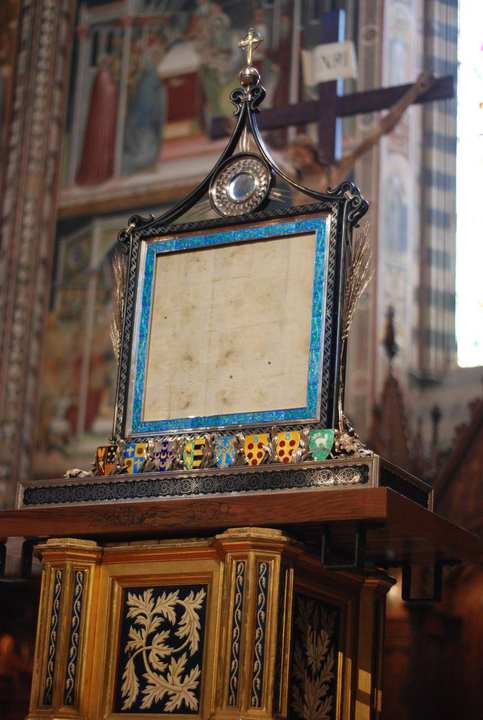
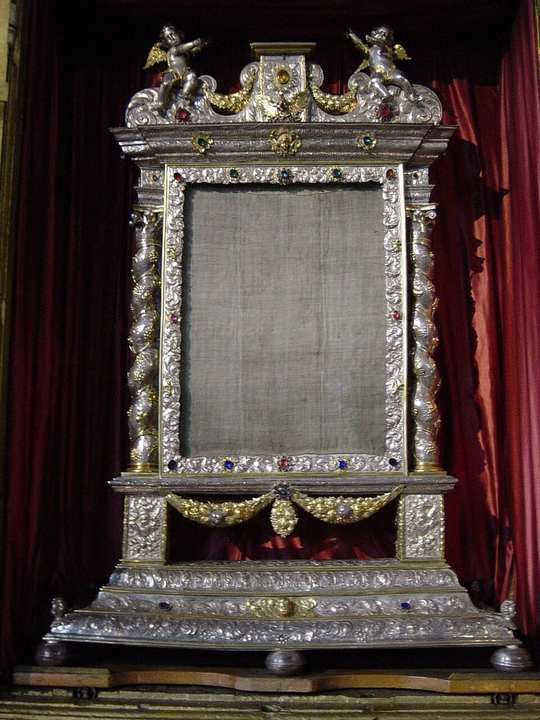
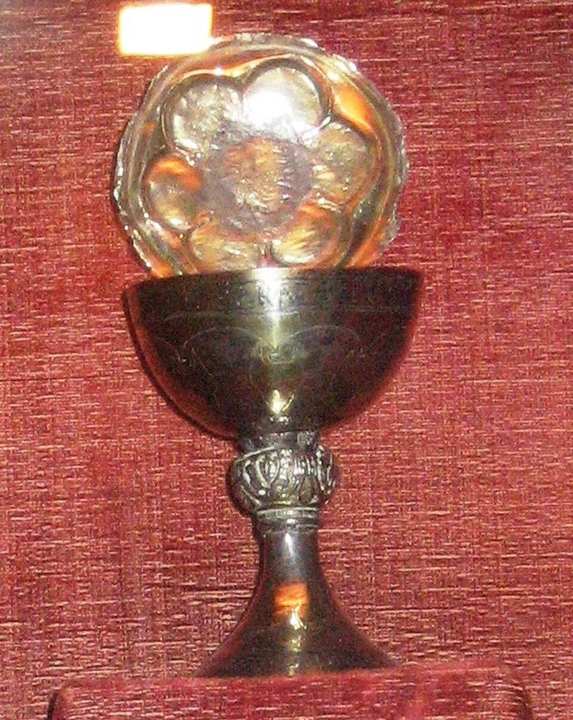
At the Benedictine monastery above the Inn, in 1310, a priest celebrating Mass was troubled by the thought that Christ could not be present under so small a cup. The wine, the abbey’s account says, turned to blood and boiled over the chalice onto the corporal. The cloth was kept. Pilgrims climbed to it.
The day itself
The monastery of St. Georgenberg-Fiecht still treats the corporal as its relic of the Precious Blood. There is no modern forensic paper. There is a house that has shown the same cloth for seven hundred years and a path up the mountain that was built because of it.
Reading
How to read Fiecht
The doubt is the same doubt as O Cebreiro and as the priest of Bolsena. The answer the houses kept was not an argument. It was a cloth they were afraid to wash.
Church status
How this sign has been received
Long veneration
Abbey cult from 1310, uninterrupted at Fiecht.
Sources
- Benedictine abbey of St. Georgenberg-Fiecht
For the classroom
Fiecht (1310, St. Georgenberg-Fiecht, Tyrol). Grade in this encyclopedia: Long veneration. A priest doubted during Mass at the mountain monastery. The wine became blood and overflowed the chalice onto the corporal. The cloth is still the treasure of the abbey.