The reading
How it began
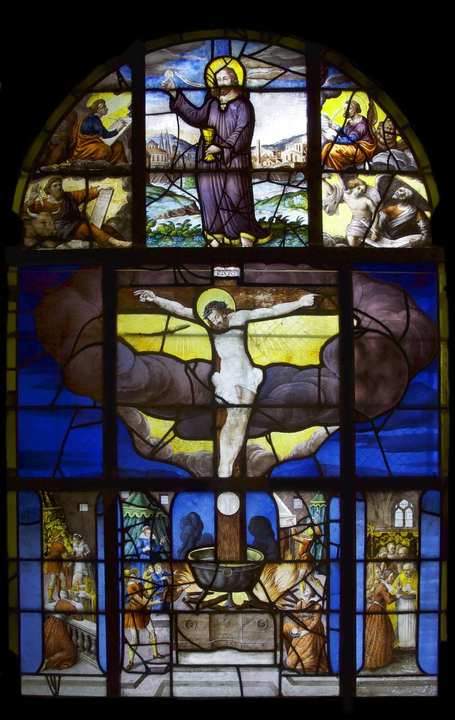
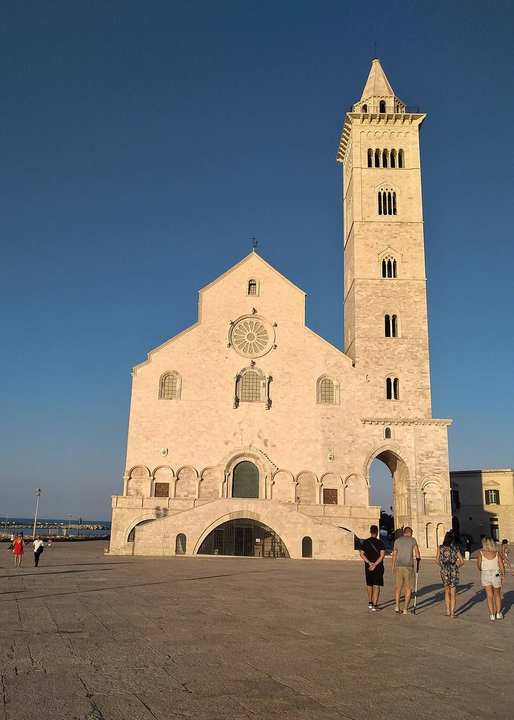
The tradition of Trani, set in the eleventh century, says a woman who did not believe took a consecrated Host and put it in a frying pan. Blood ran from it. She was terrified and carried it to the church. The city received the story as its own Eucharistic sign, distinct from the cathedral’s other relics.
The day itself
The details of the woman’s name and the exact year are not a court file. The cathedral’s claim is old, local, and repeated in the classical catalogues. This page does not invent a laboratory. It records a coastal city that has told this as its hour.
Reading
How to read Trani
A test by fire or by a pan is the shape of several of these stories, including Santarém. The repetition does not make them one story. It means the same insult was tried in more than one kitchen, and more than one town says the bread answered.
Church status
How this sign has been received
Long veneration
Ancient local cult at Trani. The particulars are traditional, not a modern acta.
Sources
- Cathedral of Trani
- Classical catalogues of Eucharistic miracles
For the classroom
Trani (11th century, Trani, Apulia). Grade in this encyclopedia: Long veneration. A woman, a non-Christian in the local telling, took a Host to test it in a pan. It bled. She brought it back. The cathedral of Trani kept the memory.