
The reading
1. The first tradition
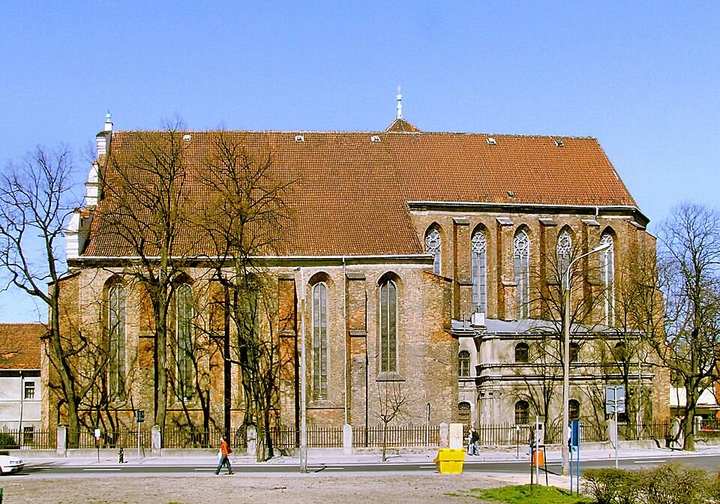
The historical lexicon of Bavaria puts the affair of 1255 among pilgrimages that began when consecrated Hosts were lost or badly handled, not among autopsies. A place of prayer grew. The Alte Kapelle is a great church. It cannot be asked to prove a miracle it did not stage.
2. The second tradition
Later stories added theft and a charge against Jews, and some versions added a crucifix and a chalice as spectacle. Those additions belong to a cruel medieval habit of making the Sacrament a weapon against a people. They are not Catholic doctrine. They are not repeated here as fact. A lost Host is a reason for grief and for reparation. It is not a reason for a pogrom, and this archive will not dress a pogrom as a miracle.
Reading
How to read Regensburg
The Eucharist is the Body of a Jew of Nazareth. A Eucharistic legend that needs to hate Jews has already forgotten whose body it claims to honour.
Church status
How this sign has been received
Long veneration
Medieval pilgrimage memory of mishandled Hosts. The antisemitic elaboration is rejected on this page and is not a teaching of the Church.
Sources
- Bavarian historical lexicon, on the 1255 case
- Alte Kapelle, Regensburg — the church, not a proof of the later legend
For the classroom
Regensburg (1255, and later tellings, Regensburg). Grade in this encyclopedia: Long veneration. Bavarian history places a 1255 pilgrimage among cases of Hosts lost or mishandled. A second, hostile telling turned the loss into an attack on Jewish neighbours. This page keeps the reverence and refuses the libel.