The reading
How it began
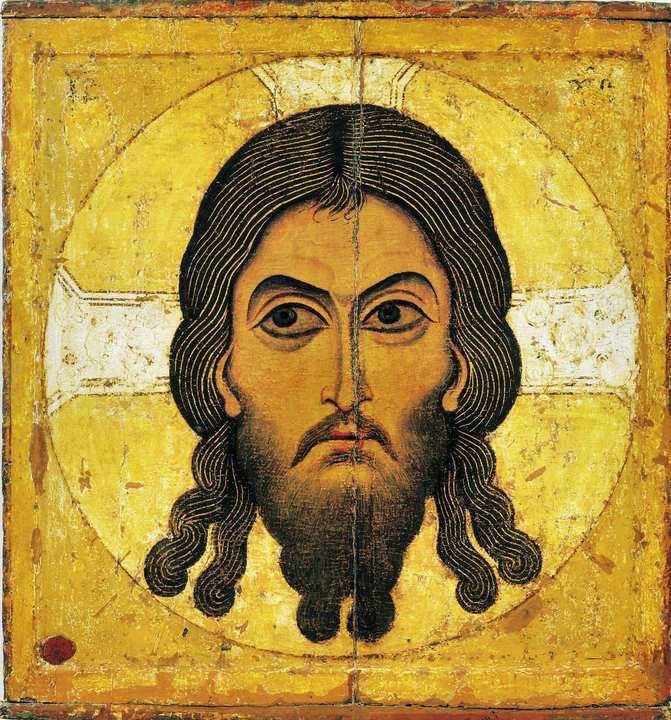
Eusebius already knows a legend of Abgar of Edessa writing to Jesus. Later versions add that Christ presses his face to a cloth and sends it, and that the cloth heals the king and protects the city. In 544, during a Persian siege, a cloth-image is reported found in the walls and the city is saved.
The day itself
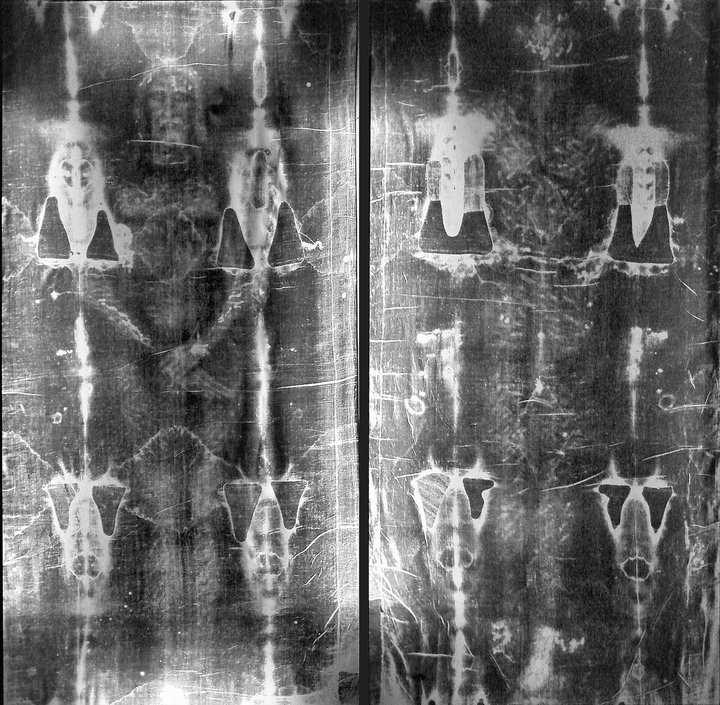
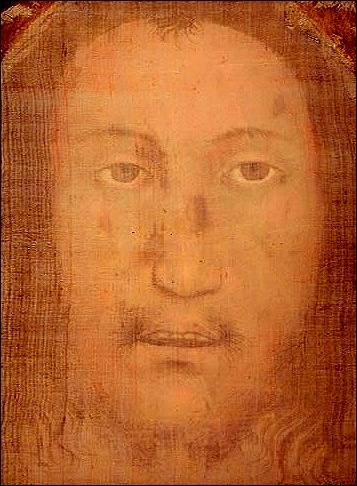
In 944 it is carried to Constantinople with imperial ceremony. After the Fourth Crusade it is lost — or scattered into Western claimants (the Shroud, Manoppello, various Veronicas). What remains is the theological type: acheiropoietos, not made by human hands.
Reading
How to read The Mandylion of Edessa
The Mandylion is why Catholics and Orthodox kiss images without (when they are thinking) becoming idolaters. The first icon is a contact, not an artist’s idea — a claim that the Face itself consented to be seen. All later arguments about statues and paintings go back to this permission.
Church status
How this sign has been received
Long veneration
The Eastern Church’s feast of the Holy Face (16 August) remembers the transfer to Constantinople. The West absorbed the story into Veronica. No original to carbon-date. Status: venerated as founding legend of Christian images.
Sources
- Eusebius, Church History I.13
- Narratio de imagine Edessena (10th c.)
For the classroom
The Mandylion of Edessa (Reported in Edessa by 544; tradition of King Abgar, Edessa (Şanlıurfa), then Constantinople). Grade in this encyclopedia: Long veneration. The prototype of every “image not made by hands”: Christ’s face on a cloth, sent to King Abgar of Edessa. The original disappears in the sack of 1204. The idea of it built the Christian icon.