Images & Paintings
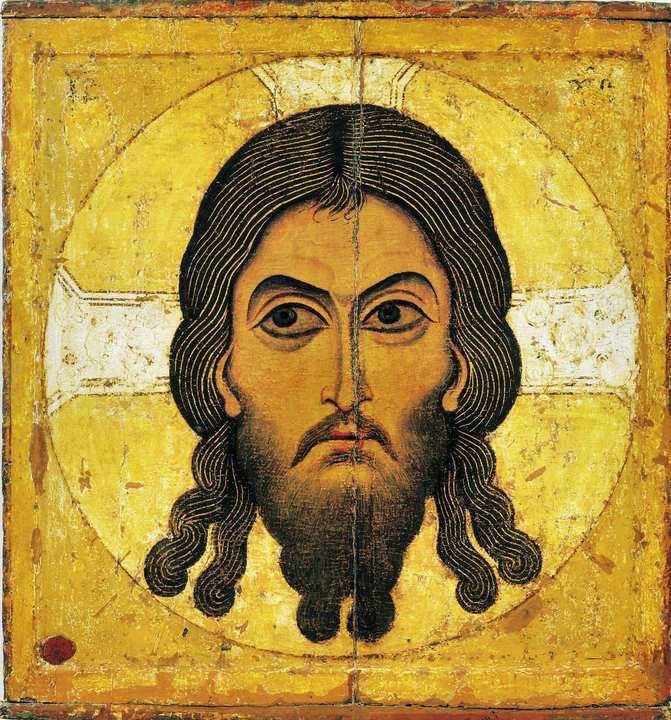
Some images are claimed to have appeared without a painter — acheiropoieta, “not made by hands.” The tilma. The Shroud. A Host that shows a face. This section is those objects, photographed as they are. If a case has a tilma, you will see the tilma. If it has a shroud, the shroud.
The file
How this section is read
Christianity is a religion of a face. The Gospels end with people looking at a man they had seen die. Later centuries kept looking. Some of the looking produced art: icons, altarpieces, a copy of a copy. Some of it produced a rarer claim — that an image had appeared without a human hand, or that a hand had been used so strangely that the result still has no agreed workshop method. The Greek word is acheiropoieton. The Shroud of Turin. The tilma of Guadalupe. The Mandylion. Manoppello. A Host at Vilakkannur with a face in the bread.
A documentary camera loves these objects because they can be lit, magnified, dated, and argued over. The 1978 STURP team spent days on the Shroud with tape and spectrometers. Photographers have gone into the eyes of the Guadalupe tilma looking for reflections the size of a pin. Carbon-14 has given the Shroud a medieval date that a large Catholic public does not accept. None of that is the same as the Resurrection. It is the after-echo: a piece of cloth that will not sit quietly in a museum label.
This section shows the official picture of each object when that picture is the relic itself: the cloth, the tilma, the icon. A church that merely houses the object is not put in its place.
9 signs
Colombia
1 sign, in the order of their years
Italy
4 signs, in the order of their years
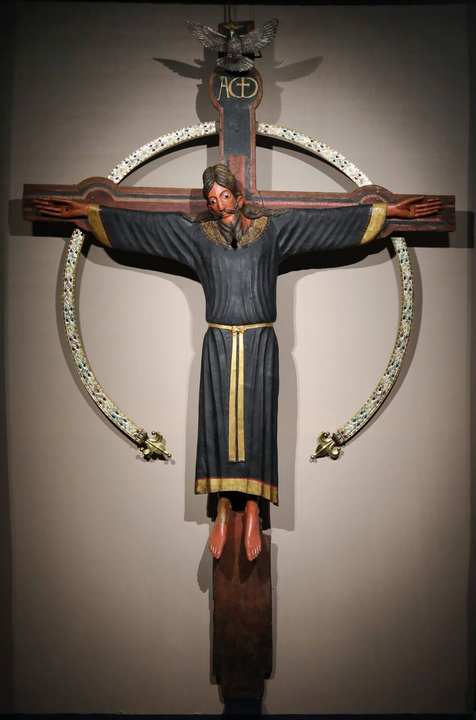
The Volto Santo of Lucca
LuccaIn Lucca by the 8th century
A monumental wooden crucifix with a clothed, living Christ, said to have been carved by Nicodemus and to have arrived by riderless ship. For medieval Europe, this was the Holy Face.
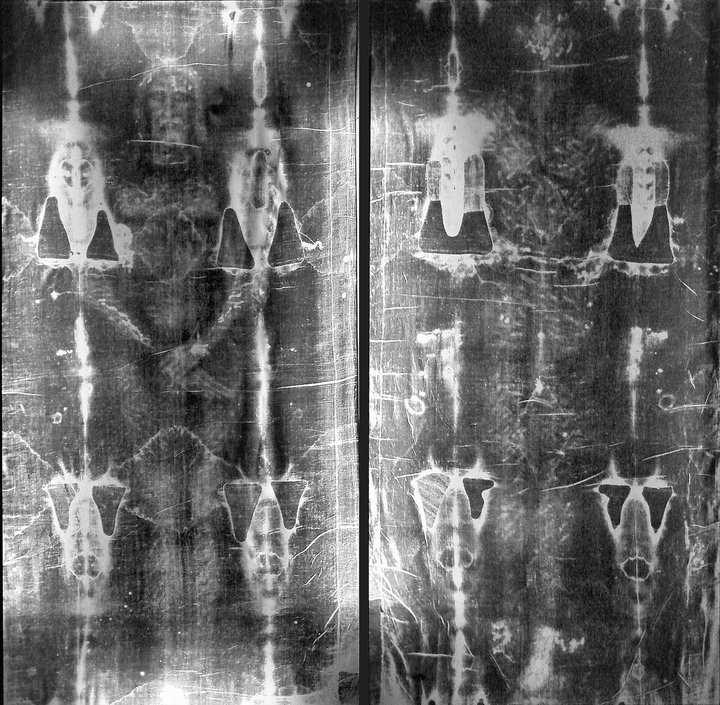
The Shroud of Turin
Turin (earlier Lirey, Chambéry)First documented 1354; claimed as 1st century
The Shroud of Turin is a linen cloth bearing the faint image of a crucified man. Many Catholics believe it may be the burial cloth of Jesus Christ. The Church has not formally declared it authentic.
6 studied signs on this image
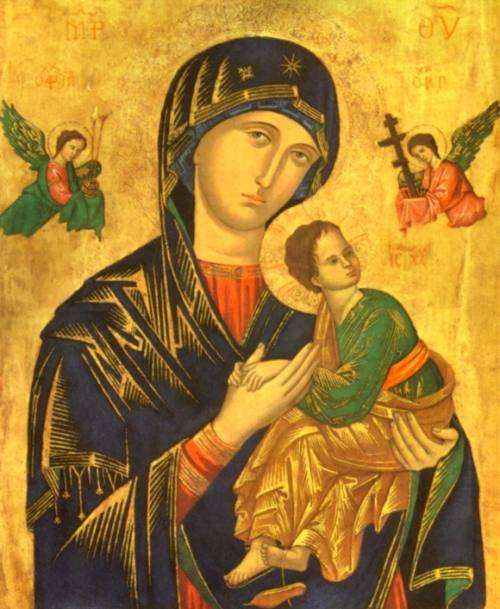
Our Lady of Perpetual Help
Church of St. Alphonsus, RomeCretan icon, 15th c.; in Rome from 1499
A Cretan icon of Mother and Child, the Child’s sandal falling as he sees the instruments of the Passion. Entrusted by Pius IX to the Redemptorists to be made known everywhere.
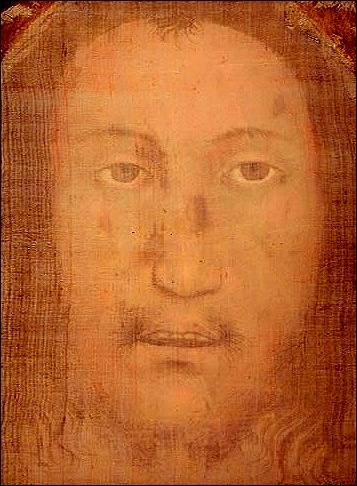
The Holy Face of Manoppello
Manoppello, AbruzzoDocumented in Manoppello from 1506; claimed older
A translucent cloth in a Capuchin church, visible from both sides, bearing a living face that some identify with the Veil of Veronica or the burial face-cloth (sudarium). Benedict XVI visited it in 2006. No decree of authenticity.
Peru
1 sign, in the order of their years
Poland
1 sign, in the order of their years
Poland / Lithuania
1 sign, in the order of their years
Turkey
1 sign, in the order of their years