The reading
How it began
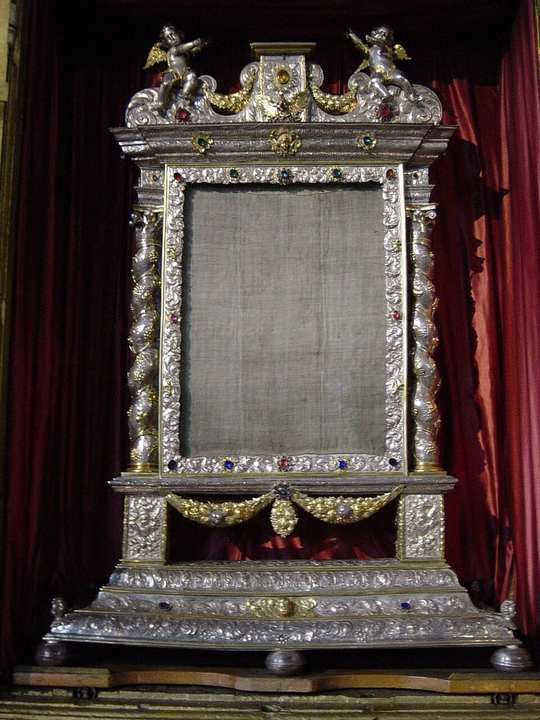
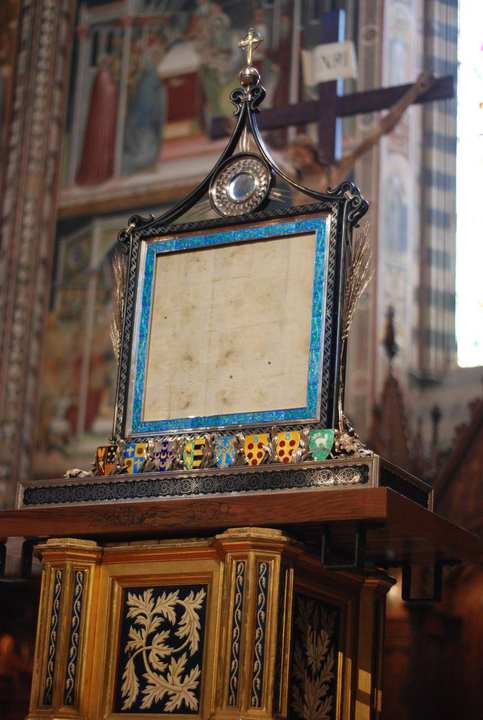
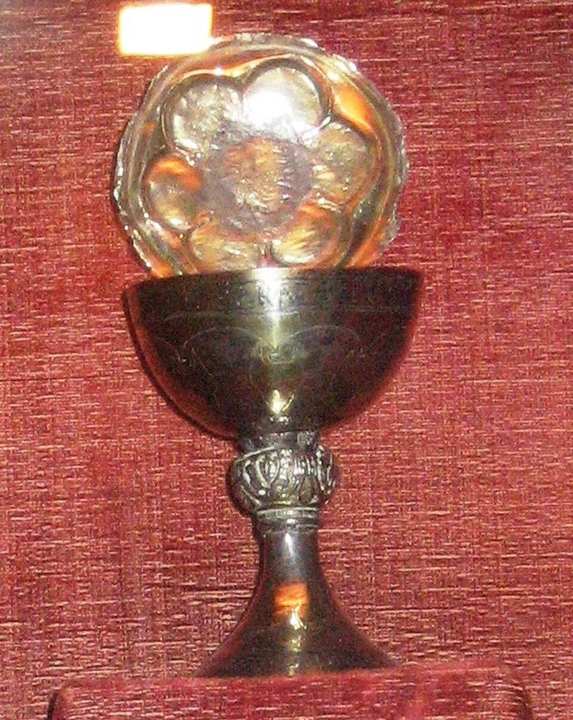
In 1239 the town was fighting the forces of the Muslim south at the walls. Several priests had begun Mass so that the men could receive. The fighting interrupted the Masses. The Hosts, the account says, were found to have left blood on the corporals. The cloths were gathered. A dispute followed about which church should keep them. The story the town tells is that a mule was left to choose the road, and it walked to Daroca.
The day itself
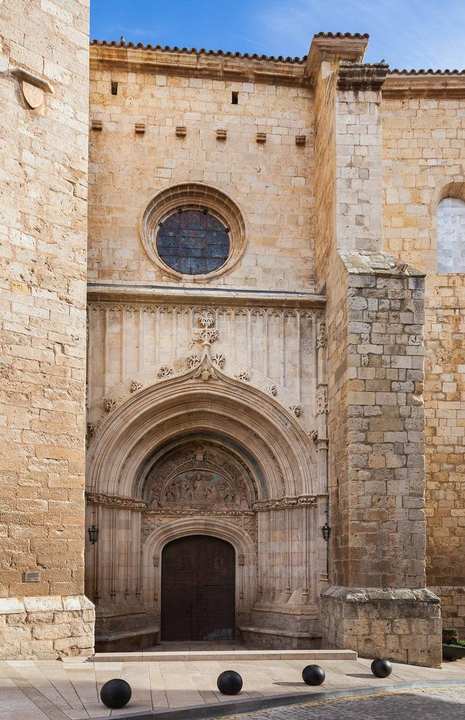
The corporals are still the treasure of the collegiate church of Santa María. They are carried under a canopy on the feast. The bloodstains are what the guides show. No laboratory of the Lanciano kind has published on them. The cult is seven centuries of a town walking behind a cloth.
Reading
How to read Daroca
Daroca’s sign is a corporal, not a speech. The Church’s point in keeping it is the same point as Bolsena: what left the cup was treated as the Blood, and a city ordered its year around that fact.
Church status
How this sign has been received
Long veneration
Continuous cult at the collegiate church of Daroca. Medieval reception, not a twentieth-century decree.
Sources
- Colegiata de Santa María de los Sagrados Corporales, Daroca
For the classroom
Daroca (1239, Daroca, Aragon). Grade in this encyclopedia: Long veneration. In a battle near the walls, priests had consecrated. The Hosts bled onto the corporals. Daroca has carried those cloths in procession ever since.