
The reading
1. Two stories, one town
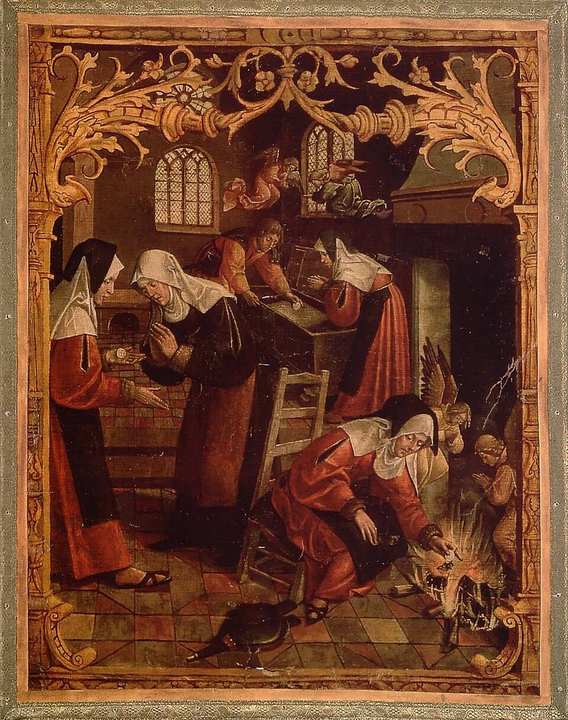
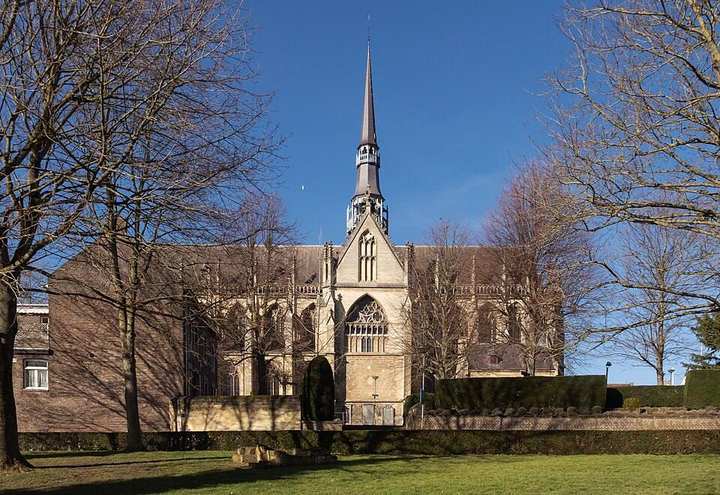
Pilgrimage inventories summarise an early account in which the water was missing from the chalice and something extraordinary was seen. A further story, of a farmer and a fire and work left unfinished, attached itself to the same devotion. They should not be welded into one afternoon. Meerssen’s basilica is titled for the Blessed Sacrament because the town decided the Eucharist was the centre of its pilgrimage, whatever the first author exactly saw.
2. The object and the building
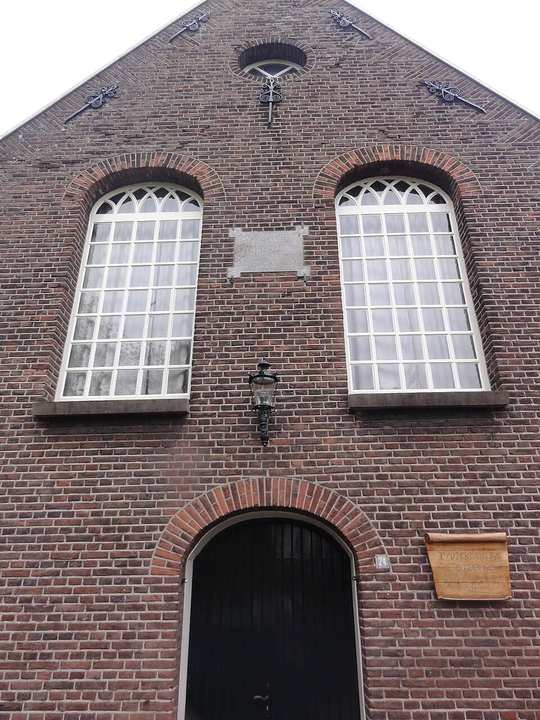
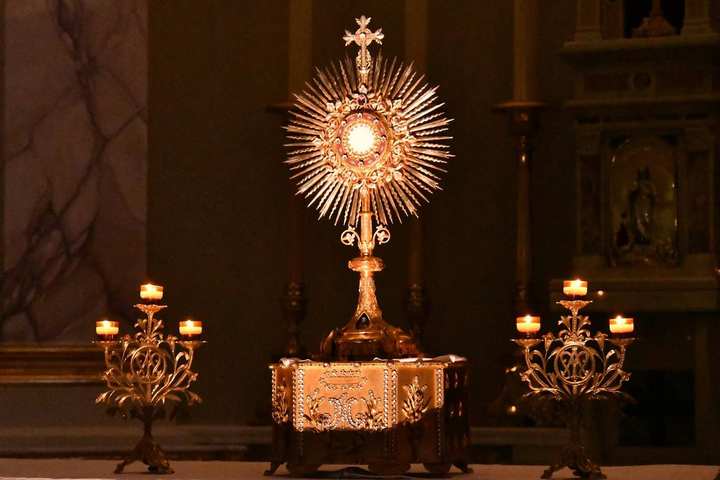
The medieval Host or corporal of the first telling is not waiting in a modern monstrance with a laboratory label. What remains is the church, the observance, and the name. That is a real history of Eucharistic worship. It is a thin history of a surviving particle.
Reading
How to read Meerssen
A basilica can be true when the relic is lost. Meerssen asks the pilgrim to adore what the Church still consecrates, not what the Middle Ages can no longer show.
Pray this
Prayers that sit with the story
Church status
How this sign has been received
Long veneration
Basilica of the Blessed Sacrament, Meerssen. Medieval pilgrimage memory. The original object is not extant.
Sources
- Basilica of the Blessed Sacrament, Meerssen
- Scholarly pilgrimage inventories of the thirteenth-century account
For the classroom
Meerssen (Thirteenth-century telling; the Host later lost, Meerssen, Limburg). Grade in this encyclopedia: Long veneration. A thirteenth-century account says the chalice at Mass lacked the water, and that a sign followed. A later tale adds a farmer and a fire. The medieval object is gone. The basilica of the Blessed Sacrament is not.