The reading
How it began
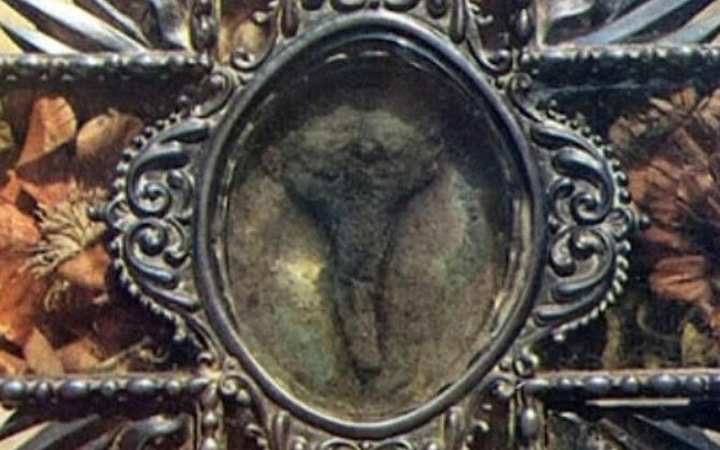
Clare dies on 17 August 1308. She has told the sisters that they will find a sign in her heart. They open the body that day. In the heart-muscle they describe a small crucifix, a scourge, the column, the crown of thorns, three nails — shapes in the flesh. The bishop launches an inquiry the same year. The organs are preserved.
The day itself
The body itself has been shown, partly naturally preserved. The heart is the relic that made the legend. Skeptics say pareidolia in fibrous tissue; the sisters said they were shown what she had suffered.
What was kept
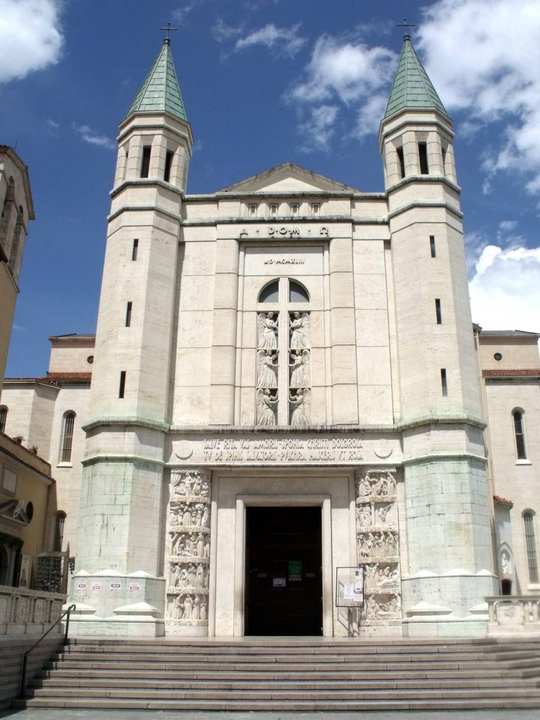
Clare of Montefalco died on 17 August 1308. She had told the sisters that they would find the cross of Christ in her heart. The next day, with the local abbess and then with the bishop’s knowledge, they opened the body. In the cardiac tissue they described a small crucifix and the shapes of the scourge, the column, the crown, and the nails. Bérenger de Saint-Affrique, the vicar of the bishop of Spoleto, opened an inquiry that same year and wrote down the names. The heart was placed in a reliquary. It is still at the Augustinian monastery in Montefalco, darkened and small, shown with the body. A modern reader can say the sisters saw patterns in muscle because they were told to look. The 1308 file is nevertheless an actual inquiry, not a proverb. Leo XIII canonized her in 1881. The canonization is of the abbess. The heart is kept as the sisters and the vicar left it, and the page does not turn a fibrous crucifix into an article of the Creed.
Reading
How to read The Heart of St. Clare of Montefalco
Catholic mysticism loves the heart as the place of the Passion. Clare’s case is that metaphor made embarrassingly anatomical. One may believe the sisters, or believe they saw what their grief needed. The Church, canonizing her, believed her life. The heart is kept as they left it.
Church status
How this sign has been received
Church-approved
Canonized 1881 by Leo XIII. The 1308 diocesan inquiry is among the earliest autopsies in hagiography. Status: saint; the symbols are part of the cult, not an article of faith.
Sources
- Process of 1308, Montefalco
- Augustinians of Montefalco, shrine of the heart
For the classroom
The Heart of St. Clare of Montefalco (Died 1308, Montefalco, Umbria). Grade in this encyclopedia: Church-approved. An Augustinian abbess who said Christ had planted his cross in her heart. At death the sisters, by her permission, open the heart and find — they swear — a crucifix and the instruments of the Passion formed in the cardiac tissue. The heart is still kept.