
The reading
How it began
On 30 March 1919, during a mission sermon, two girls say the eyes of the seventeenth-century crucifix are looking at them. Over months, men, women, priests, a Dominican bishop’s relatives, skeptics, and doctors report a living face — agony, tears, sweat, a gaze that follows. Depositions fill volumes.
The day itself
Photographs of the wood do not show the motion, which is what one would expect if the phenomenon is in the order of a sign to observers, or if it is mass suggestion. The village is briefly a Spanish Lourdes. Then the reports thin.
Reading
How to read The Christ of Limpias
Limpias asks whether God might animate a known work of art for a season, as a homily, without turning the statue into a person. It also asks how many sincere people can be wrong together. Both questions are adult. The archive keeps them both.
Pray this
Prayers that sit with the story
Church status
How this sign has been received
Open / under study
The local diocese collected testimony and did not issue a Lourdes-style decree. Devotion to the crucifix as a crucifix is ordinary Catholic piety. Claims of a supernatural animation remain open and, after a century, quiet.
Sources
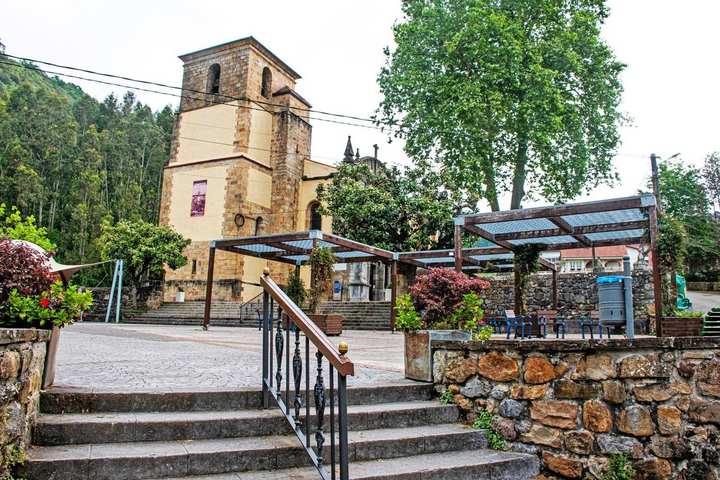
- Parish of St. Peter, Limpias
- Collected depositions of 1919–1920 (various editions)
For the classroom
The Christ of Limpias (1919, Limpias, Cantabria). Grade in this encyclopedia: Open / under study. A baroque crucifix in a parish church is reported, by hundreds of people of mixed education, to sweat, change expression, and move its eyes. Rome never approved a miracle. The crucifix is still there.