Skip to content

St. Francis of Assisi

Feast 4 October

Il Poverello. The stigmata of 1224. Patron of Italy and of ecology.

St. Francis of Assisi

Sacred art

Statues and images

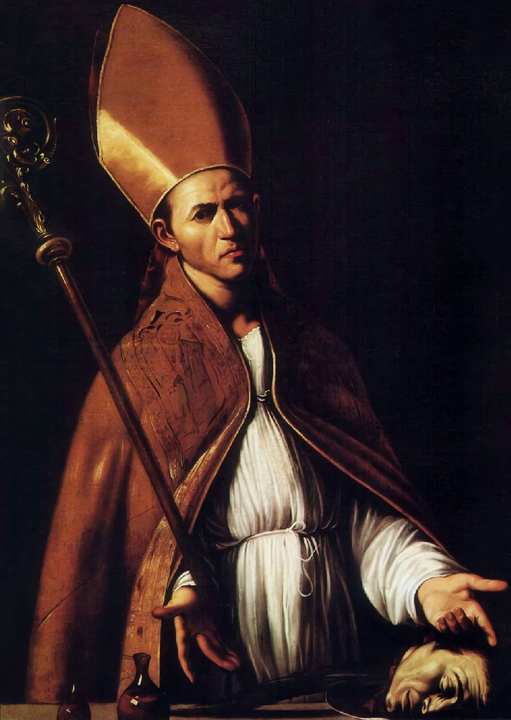
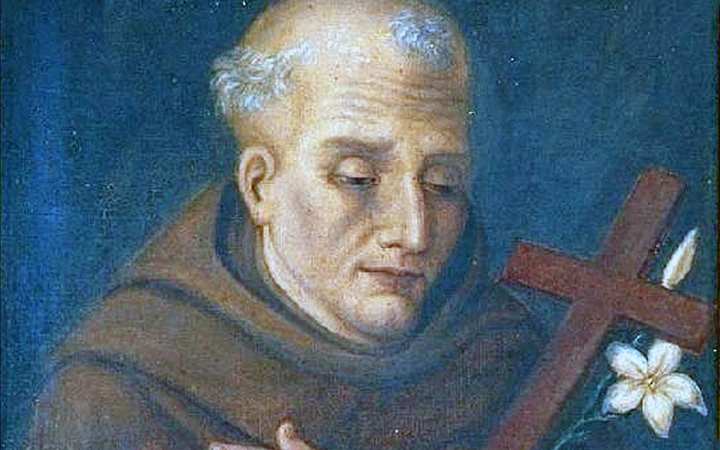
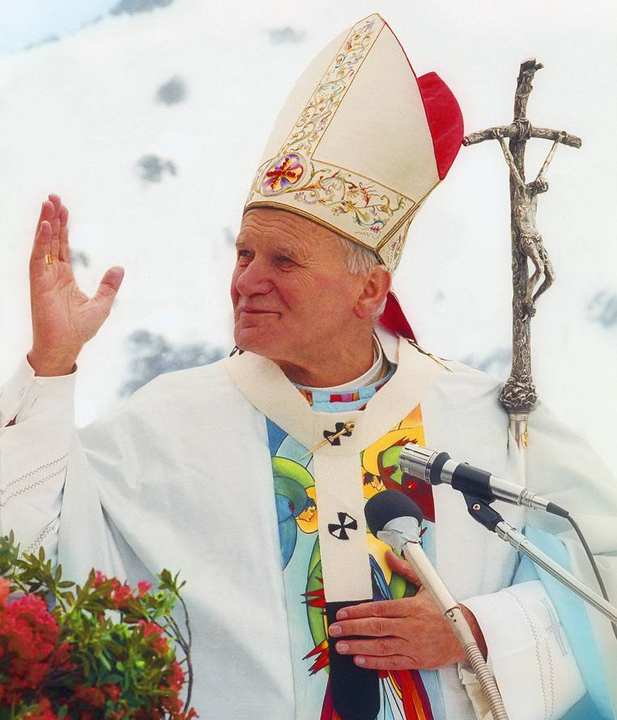
The portrait kept with St. Francis of Assisi is the image this library has of Francis. The honour goes to the person, and through the person to God. It is not a machine, and it is not a substitute for the life written below.

The whole treasury

Died 1226. The Canticle of the Sun. A man who married Lady Poverty and would not let the Church forget the Gospel’s bare feet.

Signs that name Francis

If it belongs to Francis, it is here, with a door back into the story.

EucharisticLong veneration

Lanciano

Lanciano, Abruzzo8th century (c. 750)

The most famous Eucharistic miracle in the West: a doubting monk sees the Host become Flesh and the wine Blood. The relics are still reserved — and were studied in the twentieth century. They are not the reason the Church believes in the Eucharist.

2 studied signs on this image

The Stigmata of St. Francis — La Verna, Tuscany
SaintChurch-approved

The Stigmata of St. Francis

La Verna, TuscanySeptember 1224

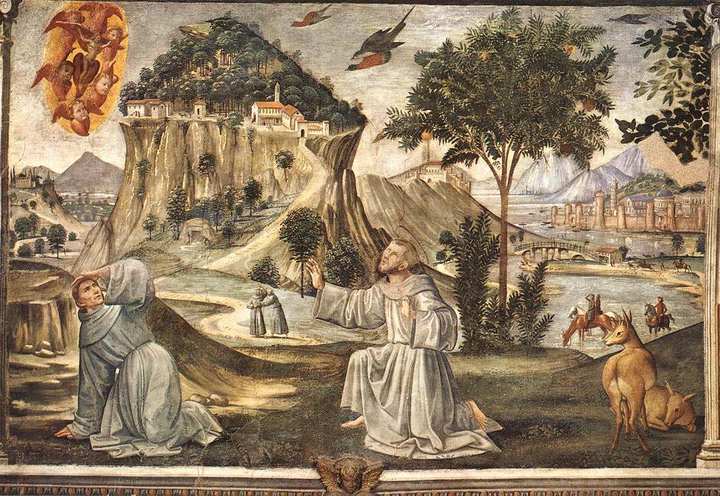
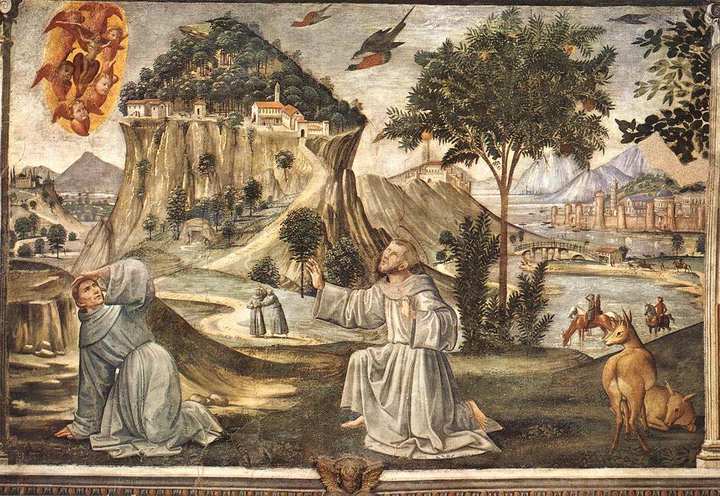
Two years before his death, Francis of Assisi receives the wounds of the Crucified on the mountain of La Verna — the first widely attested stigmata in Catholic history, and the pattern for all later ones.

Rimini — Rimini
EucharisticLong veneration

Rimini

Rimini1227

A heretic said he would believe if his mule knelt before the Host rather than eat. The animal left the oats and knelt. St. Anthony of Padua was holding the monstrance.

The Body of St. Clare of Assisi — Basilica of St. Clare, Assisi
RelicChurch-approved

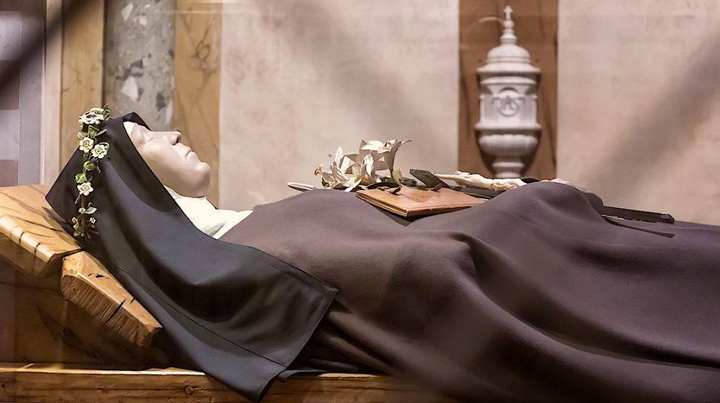
The Body of St. Clare of Assisi

Basilica of St. Clare, AssisiDied 1253; found 1850

Francis’s first sister. In 1850 her tomb under the high altar was opened and the body found entire. She lies in the crypt at San Giorgio, dressed, the face later given a wax covering for dignity.

Offida — Lanciano, then Offida
EucharisticLong veneration

Offida

Lanciano, then Offida1273

Another stolen Host, another bleeding: a woman of Lanciano hides the Sacrament in a stable wall. Blood soaks the tiles. Franciscans later carry the relic to Offida.

The Holy House of Loreto — Loreto
RelicLong veneration

The Holy House of Loreto

LoretoTradition: arrived 1294

A small stone house, now inside a basilica, claimed to be the house of the Holy Family, carried from Nazareth by angels — or, as later historians prefer, by the princely family of Angeli. Popes have piled privileges on it. Archaeologists argue.

St. Margaret of Cortona — Basilica of St. Margaret, Cortona
RelicChurch-approved

St. Margaret of Cortona

Basilica of St. Margaret, CortonaDied 1297

A penitent: a noble’s mistress who lost him to murder, then took the Franciscan habit of the Third Order. Her body remains in Cortona, above the high altar, a woman who changed her life and was not allowed to disappear.

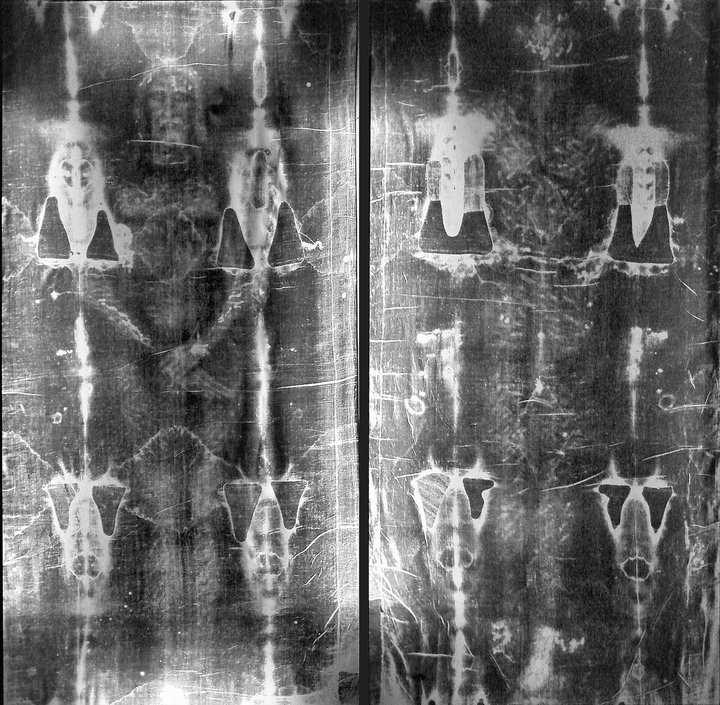
The Shroud of Turin — Turin (earlier Lirey, Chambéry). The full length of the Shroud, front and back, as the photographic negative shows the body: head, scourged back, crossed hands, and the wounds. Not the face alone.
ImageOpen / under study

The Shroud of Turin

Turin (earlier Lirey, Chambéry)First documented 1354; claimed as 1st century

The Shroud of Turin is a linen cloth bearing the faint image of a crucified man. Many Catholics believe it may be the burial cloth of Jesus Christ. The Church has not formally declared it authentic.

6 studied signs on this image

The Blood of St. Januarius — Naples
RelicLong veneration

The Blood of St. Januarius

NaplesFirst recorded liquefaction 1389; martyr c. 305

A sealed vial of dark, solid matter, kept in the cathedral of Naples, becomes liquid several times a year in the sight of a packed church. It has done this for centuries. No one has a laboratory-complete explanation that the city accepts.

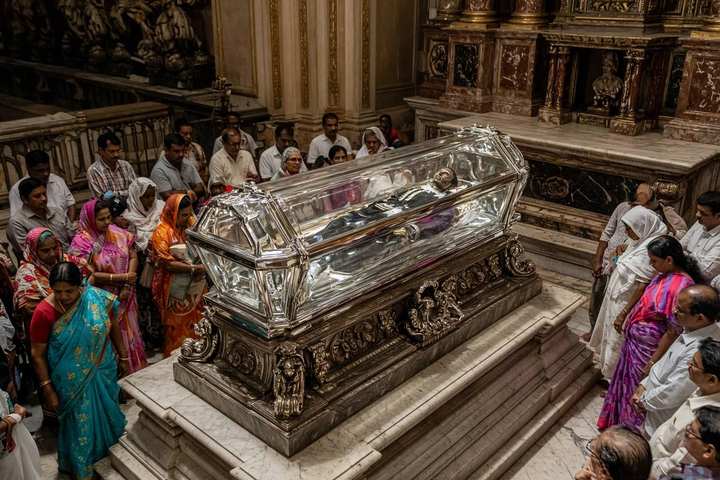
The Body of St. Francis Xavier — Basilica of Bom Jesus, Old Goa
RelicChurch-approved

The Body of St. Francis Xavier

Basilica of Bom Jesus, Old GoaDied 1552; body in Goa

The Jesuit missionary dies on Shangchuan Island. Lime is poured in the coffin to speed decay for a later transfer. Months later the body is found fresh. It has lain in Goa for centuries, reduced by relic-taking, still exposed on feast days.

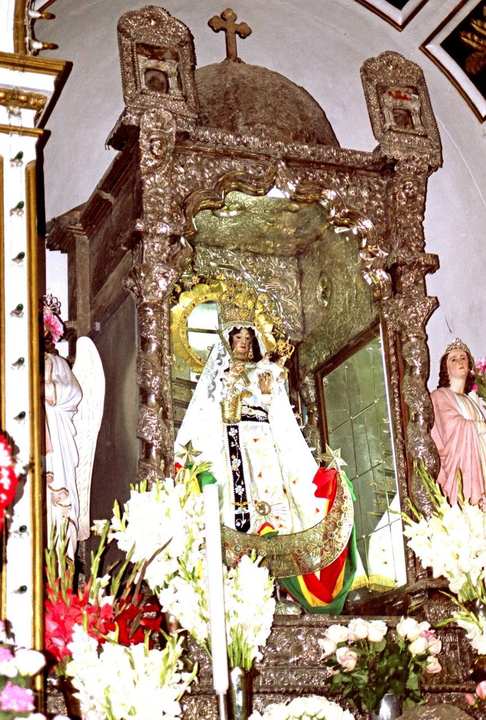
Our Lady of Copacabana — Copacabana, Lake Titicaca
StatueLong veneration

Our Lady of Copacabana

Copacabana, Lake Titicaca1583

Francisco Tito Yupanqui, an Inca descendant, carves a dark Madonna for a sanctuary on the lake that had been a place of Andean cult. Healings and a nation’s devotion follow.

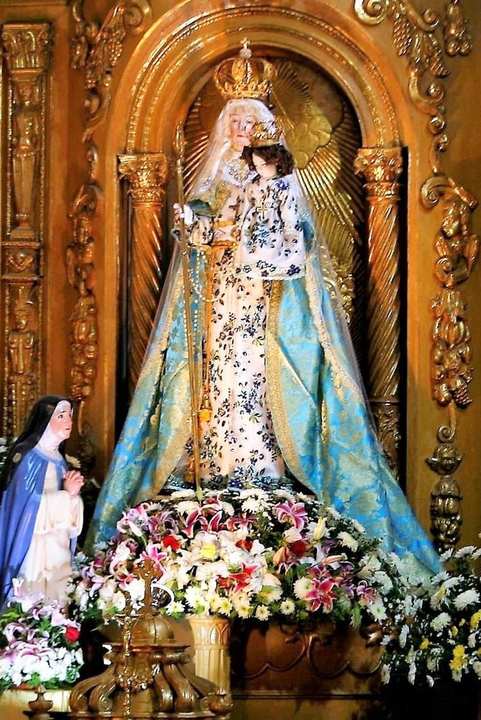
Our Lady of Good Success — Quito. The official statue of Our Lady of Good Success in Quito: a standing Madonna and Child in gold and white, a crown, a staff, the keys of the convent.
MarianLocally approved

Our Lady of Good Success

Quito1594–1634

Mother Mariana de Jesús Torres, a Conceptionist nun, reports lengthy apparitions of Mary as “Good Success,” with prophecies about a later, corrupted age. A statue still stands in the choir. The diocese has permitted the cult of the image; the prophecies are more contested in popular retellings than in the archives.

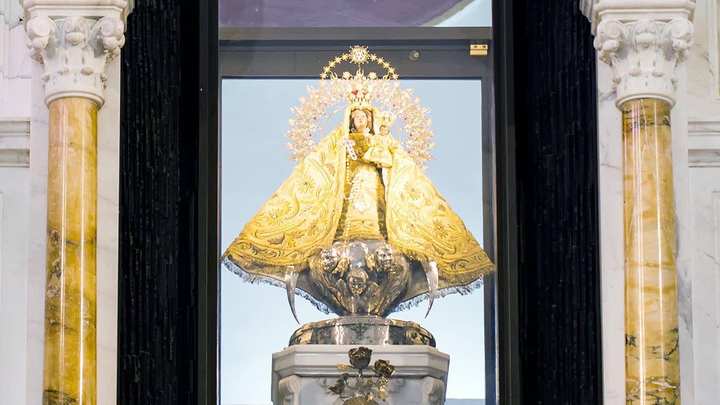
Our Lady of Charity of El Cobre — El Cobre, Santiago de Cuba
MarianLong veneration

Our Lady of Charity of El Cobre

El Cobre, Santiago de Cubac. 1612–1613

Three men in a boat — two Indians, one African child — find a small statue on the water after a storm: “I am the Virgin of Charity.” She is Cuba’s patroness, the lady of a copper-mining town, of exiles, of a people who have had to carry her.

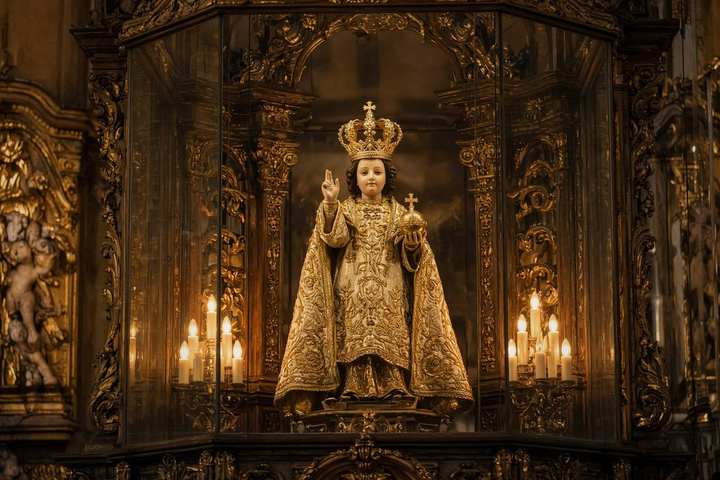
The Infant Jesus of Prague — Our Lady Victorious, Prague. The Infant of Prague in a white embroidered robe and gold crown, the globe in his left hand, two fingers raised in blessing.
StatueLong veneration

The Infant Jesus of Prague

Our Lady Victorious, PragueIn Prague from 1628

A small Spanish wax-and-wood Child, given to the Discalced Carmelites, dressed in royal robes, famous for favors to the poor and to families. Not a walking statue — a school of spiritual childhood.

St. Joseph of Cupertino — Cupertino, Assisi, Osimo
SaintChurch-approved

St. Joseph of Cupertino

Cupertino, Assisi, OsimoLevitations c. 1630–1663

A Conventual Franciscan of limited academic gifts, whose ecstasies included public levitations so frequent that his superiors hid him. Witnesses include cardinals, a pope’s circle, and annoyed friars.

St. Pacifico of San Severino — San Severino Marche
RelicChurch-approved

St. Pacifico of San Severino

San Severino MarcheDied 1721

A Franciscan, deaf, blind, and lame in his last years. After the beatification the relics were covered with a wax figure and laid in a glass coffin in San Severino. Healings at the tomb began at once. What you see is the wax over the relics.

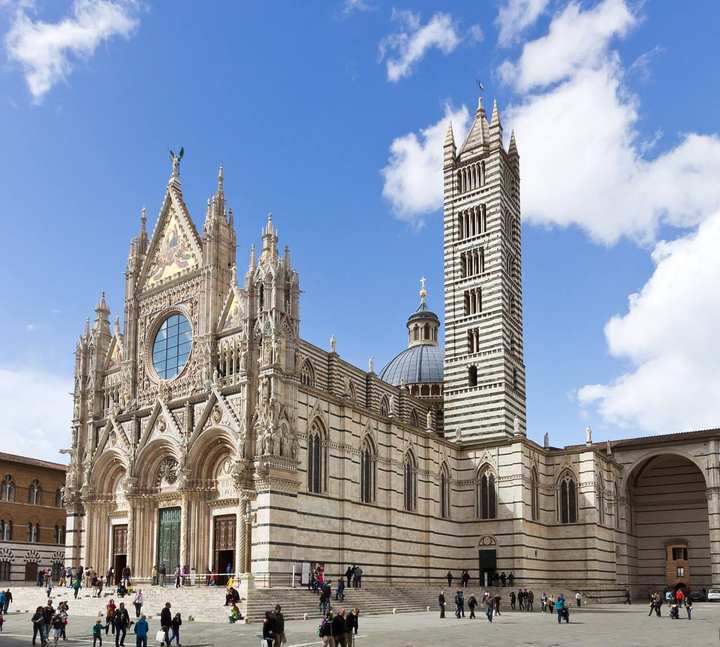
The Hosts of Siena — Siena
EucharisticLong veneration

The Hosts of Siena

Siena1730 – present

Consecrated Hosts stolen from St. Francis in Siena are recovered from a poor-box, dusty and filthy — and remain intact, without corruption, for centuries. They are still reserved and occasionally tasted for decay.

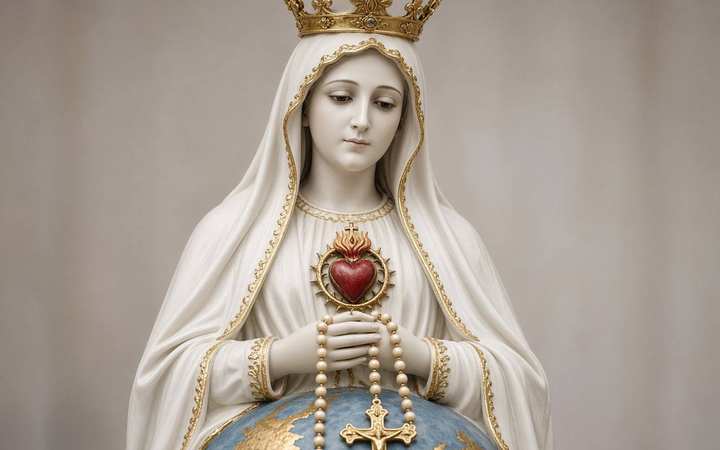
Our Lady of Fátima — Cova da Iria, Fátima. The statue of Our Lady of Fátima: white, crowned, the rosary, the Immaculate Heart.
MarianChurch-approved

Our Lady of Fátima

Cova da Iria, Fátima1917

In 1917, in a hollow of pasture called the Cova da Iria, near the village of Fátima in Portugal, three shepherd children — Lúcia dos Santos, ten, and her cousins Francisco Marto, nine, and Jacinta Marto, seven — saw a lady brighter than the sun, six times, on the 13th of the month from May to October. She asked for the rosary every day, for the conversion of sinners, for devotion to her Immaculate Heart, and that a chapel be built. On 13 July she showed them hell and spoke of war and of Russia. On 13 October, before a crowd of tens of thousands standing in the rain, including reporters who had come to mock, the sun appeared to dance. Francisco and Jacinta died in the influenza. Lúcia lived until 2005 as a nun. The bishop of Leiria declared the apparitions worthy of belief on 13 October 1930.
EucharisticOpen / under study

The flesh of Lanciano

San Francesco, LancianoLinoli reports 1971 and 1981; event 8th century

The upper relic at Lanciano is a thin, round piece of flesh, kept in a monstrance. In 1970–71 a pathologist, with permission, said what it is: human heart muscle. This study is that sentence, unpacked, without turning a microscope into a sacrament.

A studied sign

Medjugorje — Medjugorje
MarianOpen / under study

Medjugorje

Medjugorje1981 – ongoing claims

The most visited unapproved apparition site in the world. Six young people claimed daily visions from 1981. In 2024 Rome issued a “nihil obstat”: the Holy See finds no contradiction of faith and morals in the spiritual fruits, but does not declare the apparitions supernatural.

EucharisticOpen / under study

Buenos Aires

Parish of Santa María, Buenos Aires1992, 1994, 1996

Dropped and recovered Hosts, later found with a red substance, were photographed and sampled. Pathologists reported human heart tissue. The bishop at the time was Jorge Mario Bergoglio — later Pope Francis. Rome has issued no universal decree.

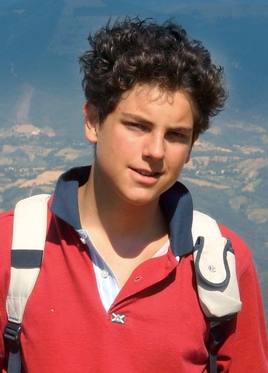
St. Carlo Acutis — Milan; buried at Assisi
SaintChurch-approved

St. Carlo Acutis

Milan; buried at AssisiDied 2006; canonized 2025

A teenager who coded a website of Eucharistic miracles, went to Mass daily, and died of leukemia at fifteen. The first millennial saint — and the reason many people first learned that Lanciano and Bolsena exist.

The Canonization Miracles of St. John Paul II — Costa Rica / Italy
HealingChurch-approved

The Canonization Miracles of St. John Paul II

Costa Rica / Italy2011 and 2013 (recognized healings)

A pope who died in public is raised to the altars on the back of two classical medical miracles: Floribeth Mora Díaz’s otherwise hopeless brain aneurysm, and a French nun’s Parkinson’s disease — the illness that had been his own.

HealingChurch-approved

The healing of Matheus Vianna

Campo GrandeReported 2013; decree for the beatification of Carlo Acutis

A Brazilian child, Matheus Vianna, was healed of a grave disease of the pancreas after his family asked the intercession of Carlo Acutis. The Holy See accepted that cure as the miracle for Carlo’s beatification. The page is about the healing. Carlo remains the intercessor, not a Eucharistic specimen.