
The reading
What was done
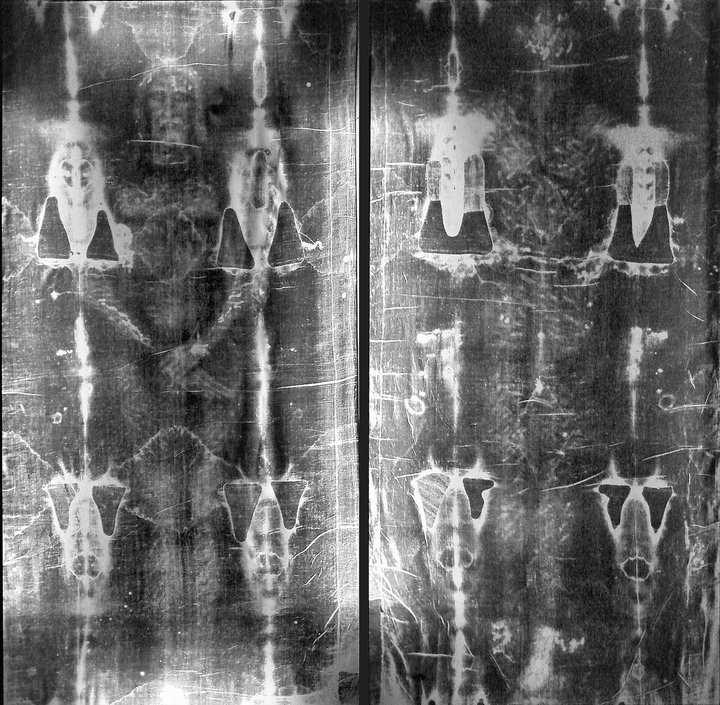
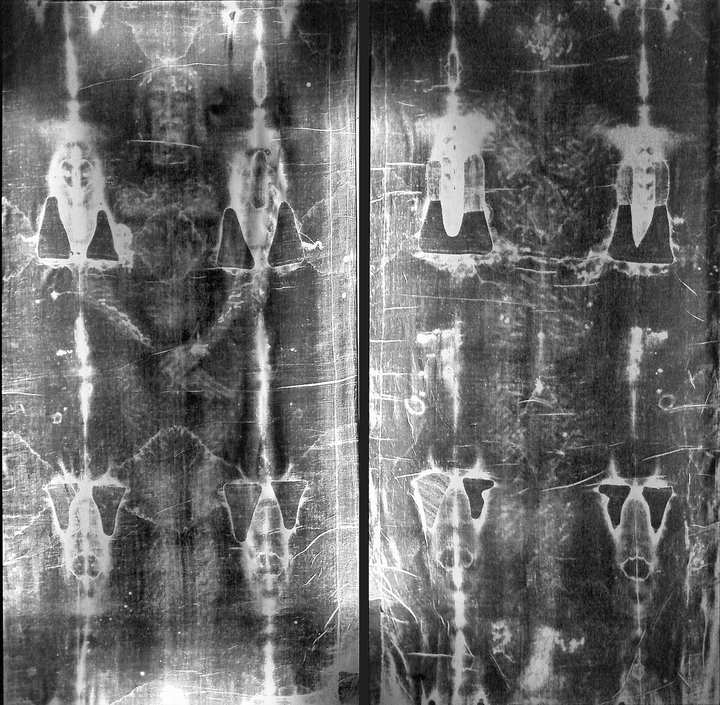
On 21 April 1988 a strip was cut from a corner of the Shroud, the so-called Raes corner, already sampled in 1973. Pieces went to Arizona, Oxford, and Zürich. The protocol of multiple samples from multiple sites, which some scientists had asked for, was not followed. One corner, three labs, accelerator mass spectrometry.
The labs dated the linen to 1260–1390, with 95% confidence in the published combination. Nature printed the paper in 1989. The date sits neatly over the Shroud’s first uncontested appearance at Lirey in the 1350s. For many people the case ended that morning. A medieval date for a medieval-documented object is not a scandal. It is what a historian would have guessed from the d’Arcis memorandum of 1389, which already called the cloth a painting.
What was argued afterwards
The objections are not all equal. Some are noise. Some are papers.
Raymond Rogers, who had been on STURP, argued in Thermochimica Acta that the dated corner was chemically unlike the rest of the cloth: cotton fibers, madder dye, a gum — the signature of a repair. If you date a patch, you date the patch. Other researchers have claimed vanillin tests, ultraviolet photographs of a different weave, and statistical problems in the way the three labs’ numbers were combined. Still others have tried alternative dating (spectroscopy, mechanical tests of fibers) and reported much older ages. Those alternative dates are not the equal of a Nature AMS paper. They are the equal of a question: was the corner typical?
The honest middle is not a shrug. The 1988 result is a real measurement of the sample that was given. The sample was small, from a damaged, handled, possibly repaired corner. If the rest of the cloth is the same linen, the Shroud is medieval and the image is the more astonishing as art. If the corner is a repair, the date is a date of a repair, and the body of the cloth is not dated. The Church has not commissioned a new cutting of the main field. Until someone does, both sentences remain live.
How a Catholic holds a date
Faith in the Resurrection does not move a year when a lab publishes. If the cloth is medieval, the empty tomb is still empty. If the cloth is first-century, you still have to believe the witnesses, not the flax. The temptation is to pick the result that matches the heart and call the other side dishonest. This house will not do that. Nature 1989 is in the sources. Rogers 2005 is in the sources. The pin on the map is the corner they cut. That is the study.
Reading
How to read The carbon-14 dating
A date is not a blasphemy and not a beatitude. It is a measurement of a piece of linen. The danger is idolatry of the result — either the idolatry that says ‘dated, therefore fake, therefore the Gospel is smaller,’ or the idolatry that says ‘the corner was a patch, therefore proved, therefore I need not pray.’ Both are lazy. The corner is a corner. The man on the cloth, whoever he is, is still wounded.
Church status
How this sign has been received
Open / under study
The Holy See permitted the 1988 test. It did not canonize the number. Subsequent popes have prayed before the cloth without quoting Nature. The status of the Shroud in this archive remains open, and this pin is why.
Investigation
What has been examined
P. E. Damon et al., ‘Radiocarbon dating of the Shroud of Turin,’ Nature 337 (1989): 611–615 — 1260–1390. Critiques: Rogers on chemical difference of the sample; arguments about inter-lab statistics; claims of invisible mending. No new AMS campaign on the main body of the cloth has been published.
Sources
- Nature 337, 16 February 1989
- R. N. Rogers, Thermochimica Acta 425 (2005)
- Harry Gove’s memoir of the dating (a participant’s view)
For the classroom
The carbon-14 dating (1988 (Nature, 1989), Turin; labs in Tucson, Oxford, Zürich). Grade in this encyclopedia: Open / under study. In 1988 three laboratories dated a sample of the Shroud to 1260–1390. The result was published in Nature. It is the strongest argument that the cloth is medieval. It is also a sample from one corner, and the fight about that corner has not been blessed into silence.